Back to the Future

While Marty McFly’s time-traveling DeLorean might still be a thing of science fiction, there’s still plenty of scope for Doc Brown-style WOWs! at IAAPS, including a gull-winged test car. This time though, it’s a BMW. Probably somewhat more reliable than a DeLorean, albeit lacking a flux capacitor.

Instead of Doc or Marty though, it was the turn of Helen Godwin, West of England Mayor, to be wowed by the work going on at the propulsion systems research centre near Bristol.

No Need for Roads

The purpose of Helen’s trip was to discover more about how IAAPS and University of Bath work to connect research with industry, creating real-world benefit from what could otherwise be siloed into pure academic study. Also to then explore how this work can be used to help promote the region to the wider country and indeed the world.

My humble task, as I have done on previous occasions, was to document the visit and generate media-ready images to help get IAAPS’ and the Mayor’s message out there.

With this kind of event it isn’t always easy to encapsulate the entire message into a single image, or even a handful of them, but it’s also not good enough to just hang around with a camera and hope something presents itself.

So my strategy on this kind of job is to be the fly on the wall, but with an eye for an opportunity to step in and arrange (with the lightest possible touch) a picture which looks natural, includes key people while also helping to tell the story.

Of course moments such as when Helen was in the driving simulator always make for a good photo, but it’s in the test cells that the story becomes somewhat clearer, visually at least.

Back to the Future, or Back of the Heads?

The only problem with taking photos of people looking at things is that you either end up with photos showing the the they’re looking at (but you just get the backs of heads of the on-lookers), or you see the people doing the looking, but now you can’t see what it is they’re looking at.

On this occasion I stepped in and asked that for a few moments at least, they discuss the car and the test cell, while pretending there was something more interesting than an observation window behind me. With the cell and test vehicle behind them, I could get a photo that made it look as though they were engaged in lively discussion, I could see their faces and gesticulations, but also that sense of what it was they were talking about because the background is part of the illustration.

Beware the Brand Hammer™

There was also a handy bit of branding in there too (note the number plate), but the branding is there without being ‘in your face’. Too often PRs will insist on plastering their client’s branding all over a photo, but this often dilutes the impact, and a picture without impact will be ignored. So beware the Brand Hammer™!

All of this is to say that with an event such as a VIP visit, it’s worth thinking ahead about how key images might be engineered to happen. Of course you can’t always plan things to the smallest detail, and sometimes I’ll need to step in and gently guide people to make a more complete picture, but having a key moment or two when the proceedings can be paused and adjusted to make more compelling images is never a bad thing.

It’s always a balance between micro-managing and under-planning, but if in either case the pictures don’t happen, you can’t get into your DeLorean to zoom back and do the job again. Even IAAPS aren’t working on that!


2025 in Pictures

I’m rounding up this year with a selection of images, one for each month, which help illustrate what I’ve taken to calling a “textured” year.

Packed with work, swimming, cycling, professional and personal ups and downs, challenges and triumphs 2025 has been pretty interesting in both good and less good ways.

This gallery represents a very small selection of the assignments I’ve undertaken, and while they might not all be “bangers” they do represent a flavour of the work I’ve done and the personal images which interest me.

The majority of my professional photographic work has been with University of Bath, but other clients have also kept me out of mischief.

In the middle of it all my mum passed away in July which, while not entirely unexpected, did add another emotional dimension to the year.


It just remains for me to wish you all the best Christmas possible and every success in 2026. I want to say a personal thank you to all my clients and indeed to the friends who have supported me though this “textured” year. Thank you; I may not always manage to acknowledge your contribution directly, but it is very much appreciated.

Another (Almost) Anniversary

Apart from a break for the Covid-19 pandemic, this is an event I’ve photographed for 10 consecutive years!

It’s a bit of an outlier in terms of the work I do, but it’s always interesting and rewarding.

The Event

And what is it I hear you ask? Well of course it’s the annual IRTE Bus & Coach Skills Challenge, operated through the Society of Operations Engineers and hosted at S&B Automotive Academy in Bristol.

Yes, that’s all a bit of an eyeful of info, so I’ll attempt explain it more simply. Basically, it’s a chance for bus and coach mechanics (the people who keep our public service vehicles running safely) to test their knowledge and skills and to learn new processes and approaches in a competitive environment.

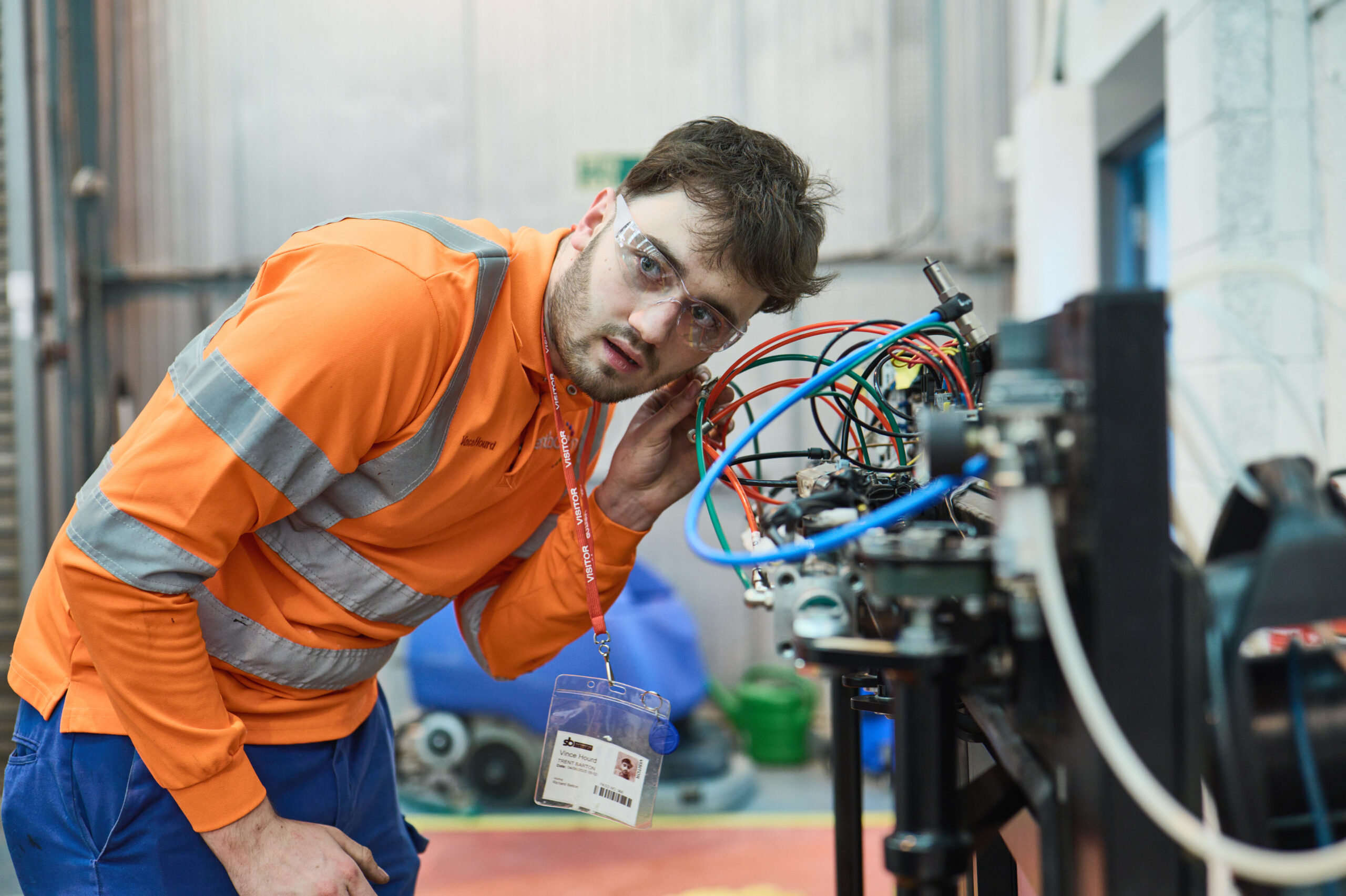
This year’s skills challenge spanned four days, each with fresh teams arriving at S&B from all over the country, with mechanics and engineers registered to compete in mechanical, electrical and bodywork challenges.

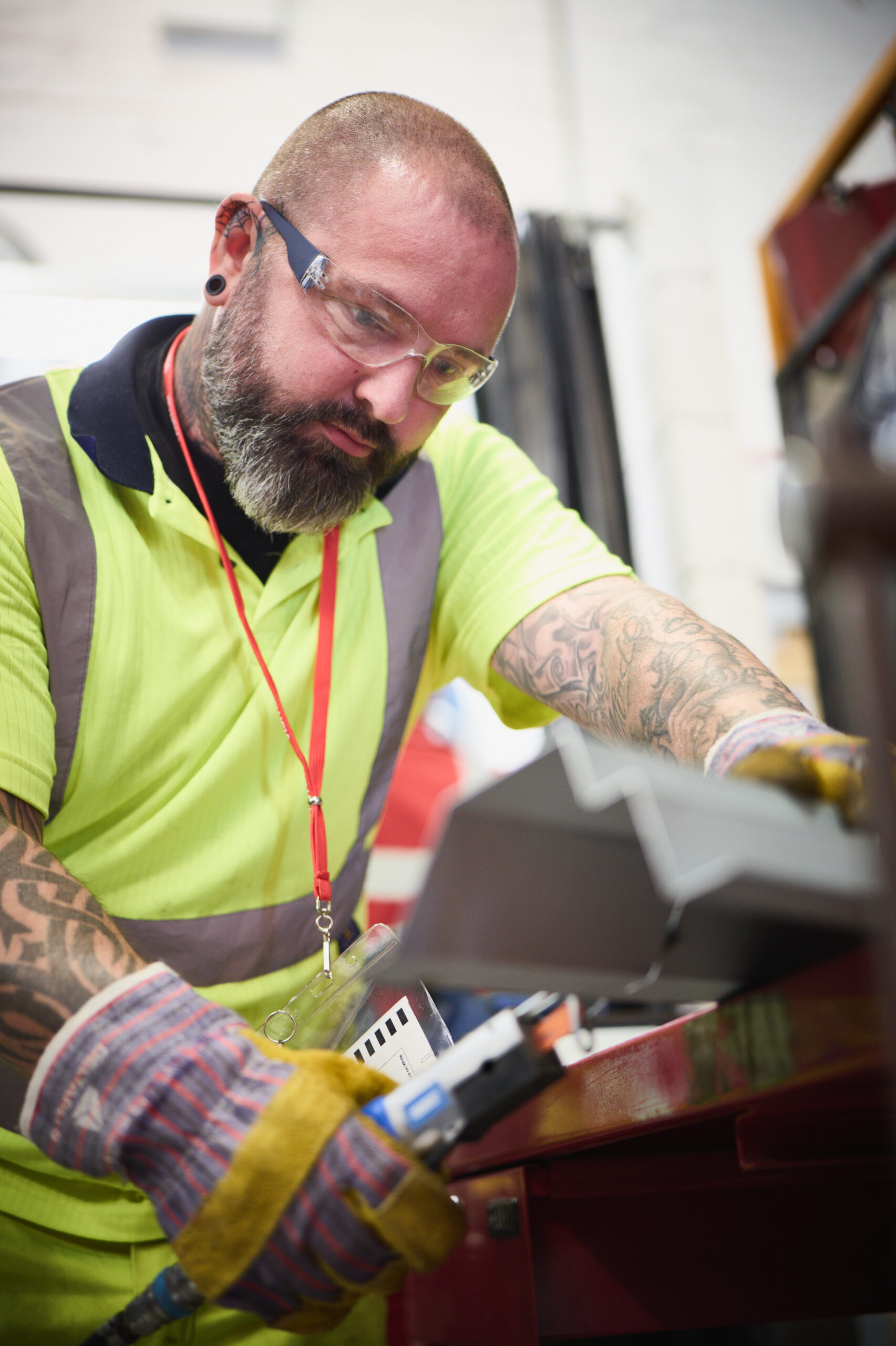
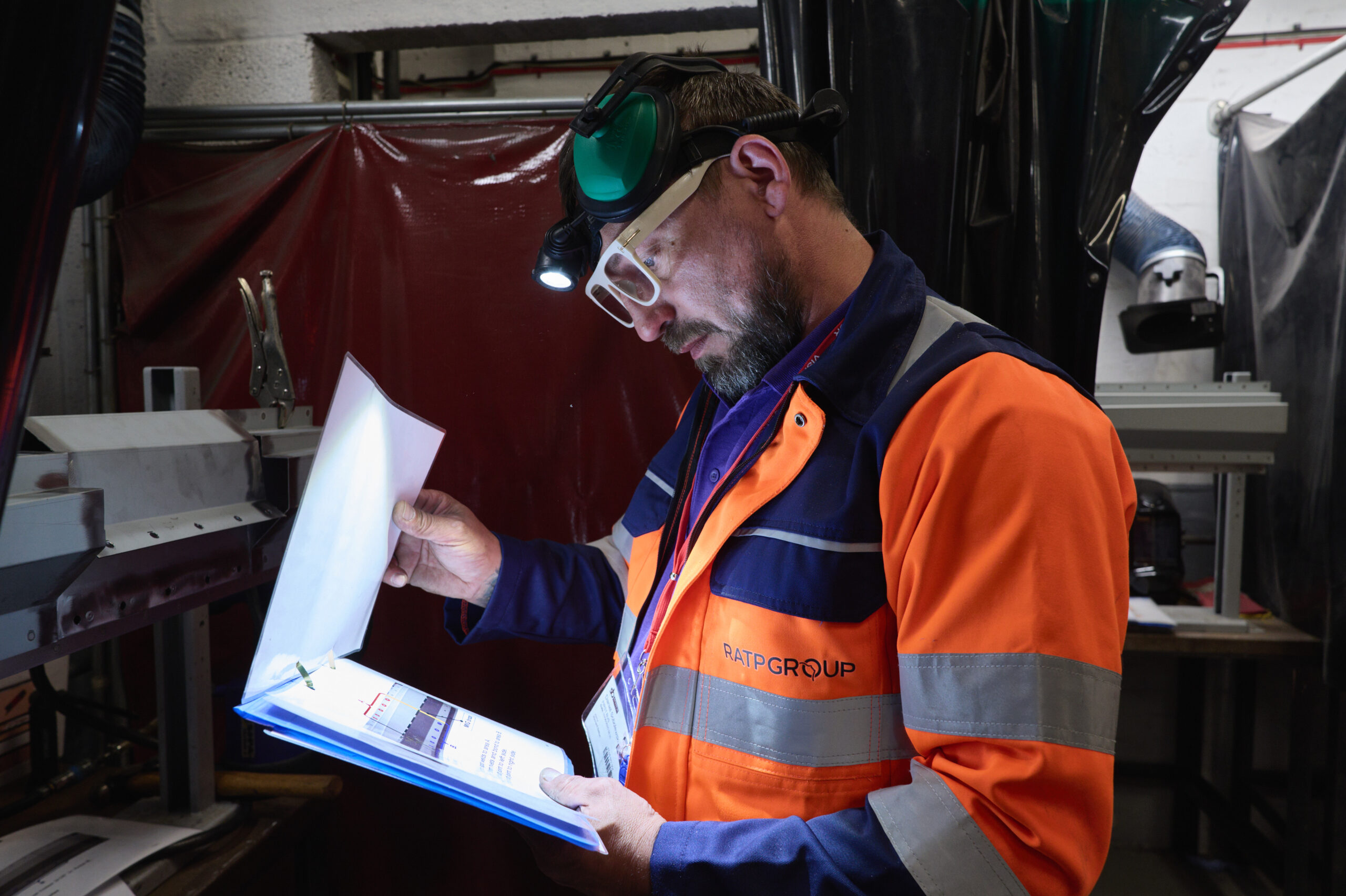
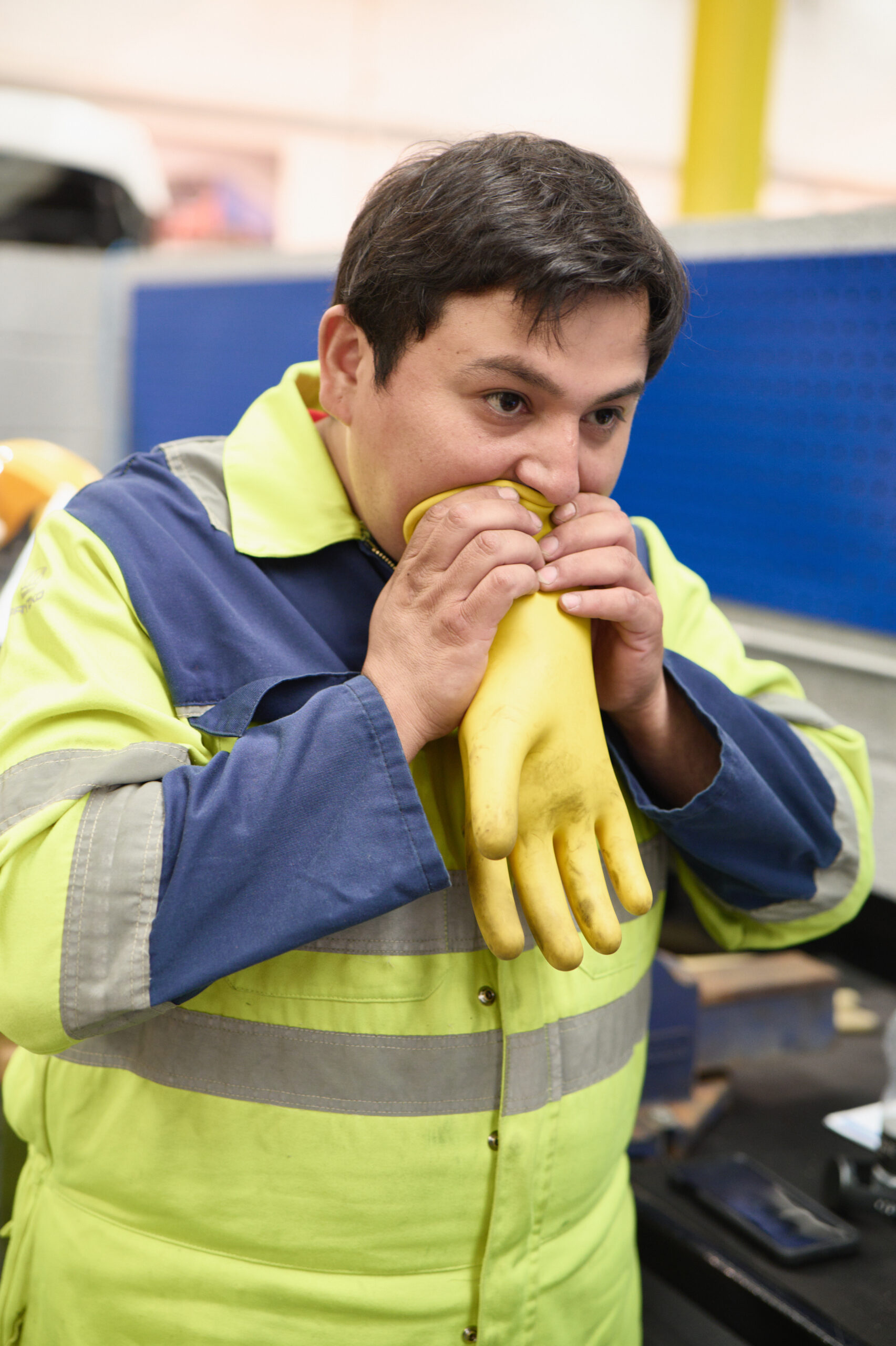
Each day was a hive of activity with welding, cutting and panel beating in the body workshop, and electrical fault diagnostics, tappet measuring, vehicle safety and roadworthiness inspection and for the second year running, a test of an engineer’s approach to testing a high voltage circuit; increasingly important as road vehicles switch to battery power. There are too many sections to list, but suffice to say it’s a long and busy day for all involved.

The Job

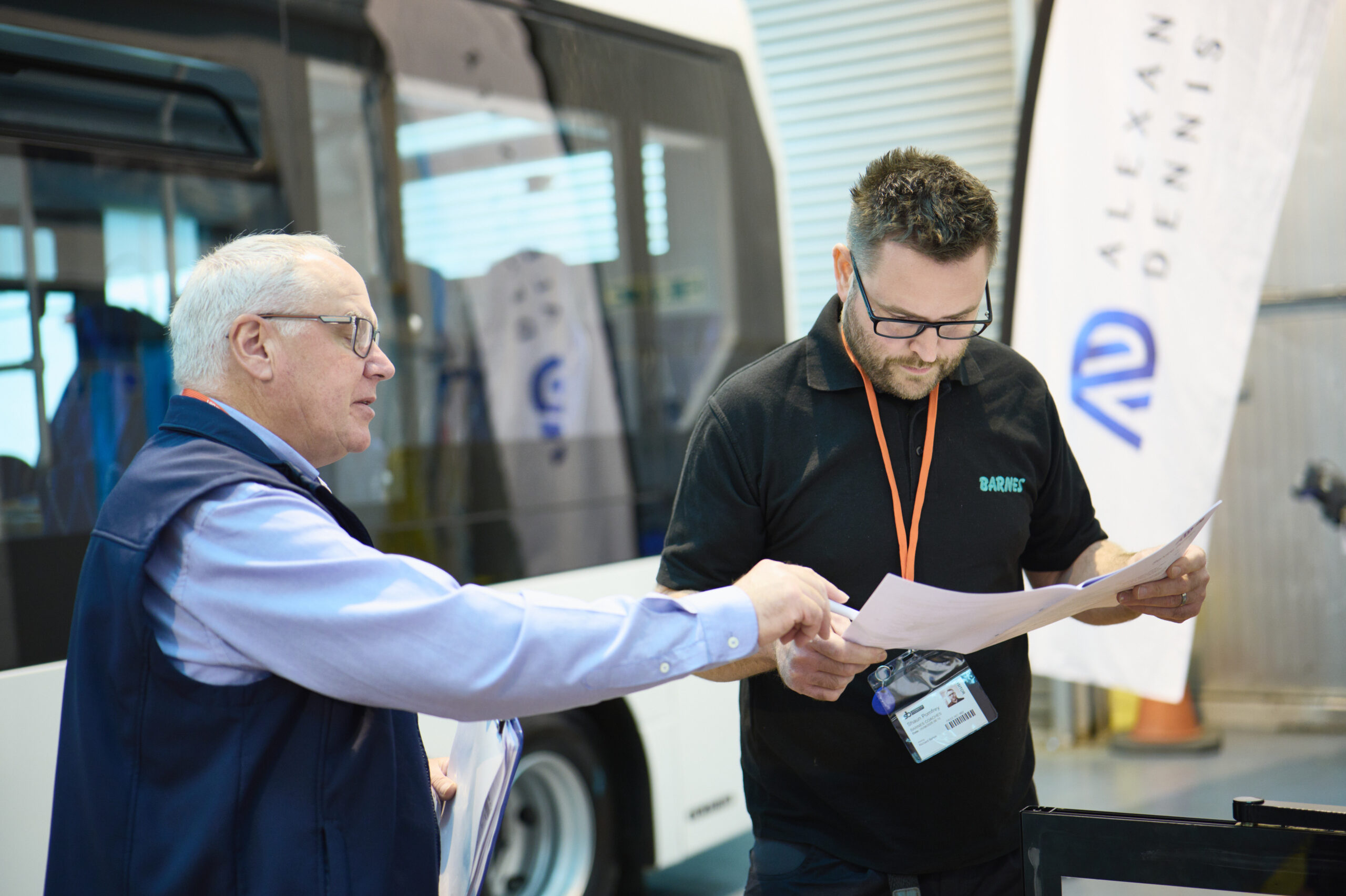
My job every year is to capture each competitor in action so that should they win, there’s a good clear photo of them for the awards ceremony and souvenir brochure. The images also get used across the SOE website, printed materials and promotional assets (posters, banners etc). Because of this, I work to ensure there’s a good spread of library images from each day.

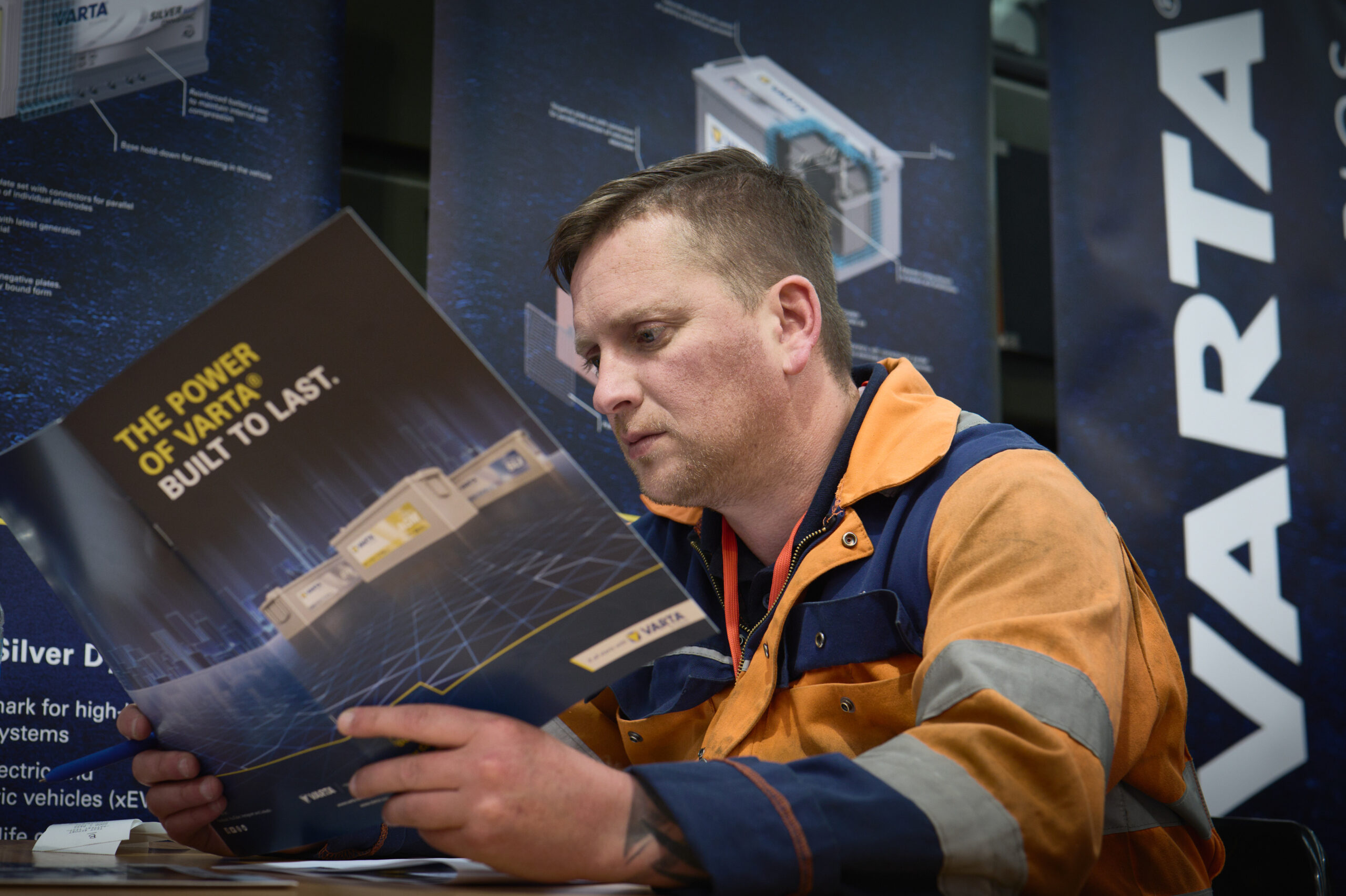
I also aim to ensure sponsors get coverage too, with at the very least a photo showing their presence and ideally working their branding into an action shot or two.

By the end of the four days, I aim to have achieved a mixture of team shots, fly-on-the-wall documentary-style action images and a few posed shots too. At lunchtime I’ll send a few rush pics to the client for immediate social media posts, delivering the full edit before I go to bed.

The First Year

I remember the first day I ever shot this event; I hadn’t been particularly well briefed, and it wasn’t until part way through the day that I was told I’d need to get a shot of every competitor. That spiced things up a bit, but I got it all done.

Another regular challenge for me is that many of the activities involve engineers working with their heads down, often measuring or looking at something. I need faces, not tops of heads, so if I can’t find an angle that works, I will often pose a competitor once they’ve completed the challenge they’re working on. This year, on the whole, I was able to get what I needed mid-action.

The Next Ten?

I somehow doubt I’ll be doing this job for another ten years – it’s a lot of running around, bending and holding awkward positions for periods of time, but I’ll do it for as long as I can and for as long as SOE wants me to do it.

In the meantime, for this year, the past 10 years and however many years to come, I’d like to thank SOE for engaging me on this one and to express my gratitude to all the patient mechanics who have to put up with me in a stressful situation. Special thanks also to Richard Belton at S&B Automotive Academy for his seemingly never-ending willingness to help and for listening to my terrible jokes for four days solid.


So long 2024

It’s that time of year again when I kick of a blog post with the line “It’s that time of year again.” Maybe I should find a new intro! Maybe next year…

So here’s a bit of a whistle-stop photographic round-up of my last 12 months. These aren’t all Pulitzer winners, but there’s an image from each month about which I have something I can say. This’ll work best if you expand the first image, then use the ‘Next’ button to navigate through. Enjoy!

And finally of course, just to say a massive thank you to all my clients, collaborators and blog subscribers. I really appreciate your continued custom and support, and I wish you all the very best Christmas and New Year break. See you in 2025!

Tim

Three In One

The majority of my work is based around photographing people; professional headshots, people in business, in their office environment or at corporate events. However, every so often I’ll be called upon to make purely architectural images too.

It’s a side to my practice which I enjoy, so it’s a particular pleasure to get to work with property development company Bellhammer through their design agency Blast Design Limited.

Those with a good memory will recall that my relationship with Bellhammer’s Bristol city centre project (Assembly Buildings A, B and C) started during a headshot session for another client, when I took an opportunistic photo of Building C under construction. Since then I’ve returned to the site a few times to capture various stages of the project.

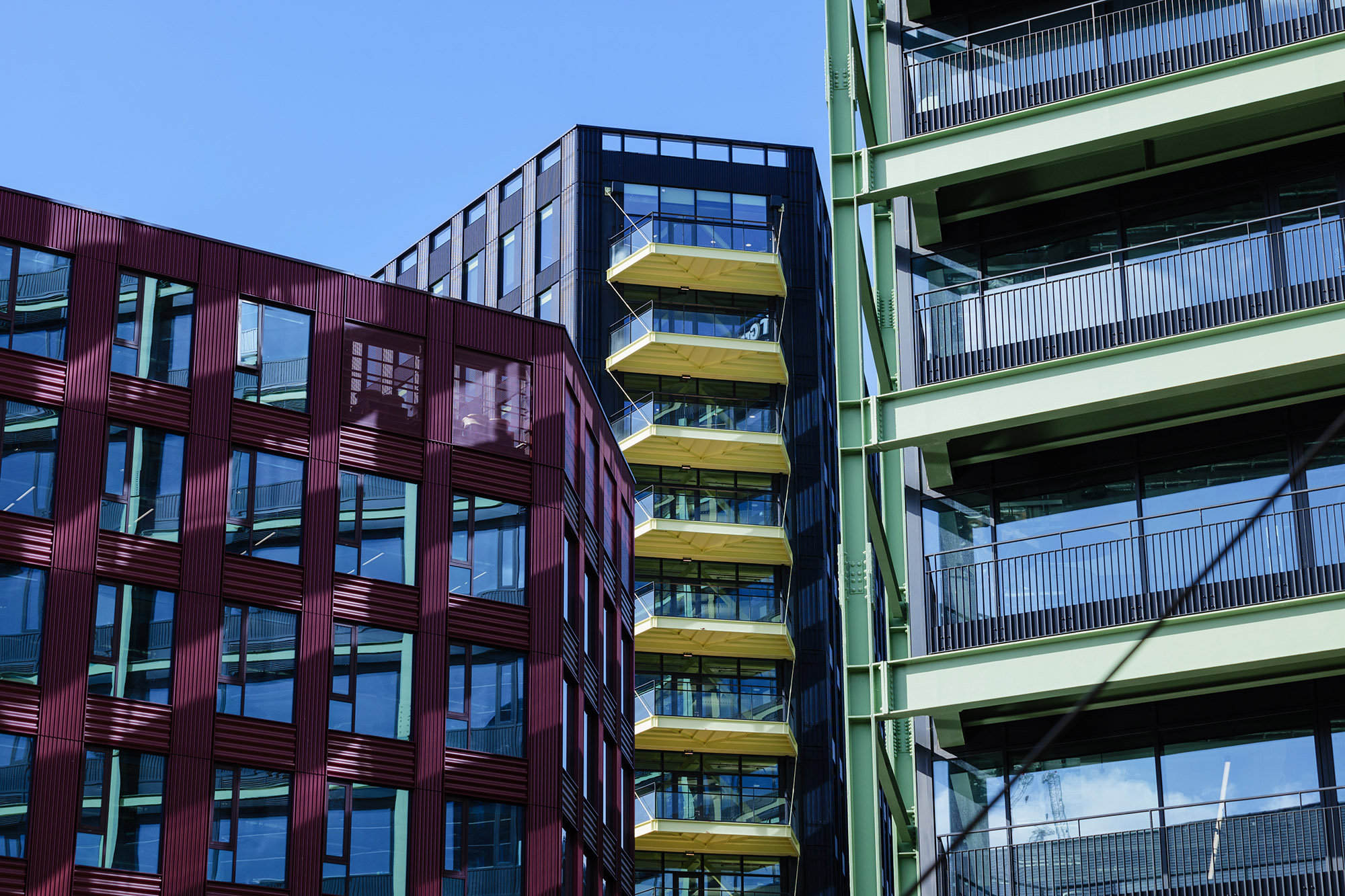
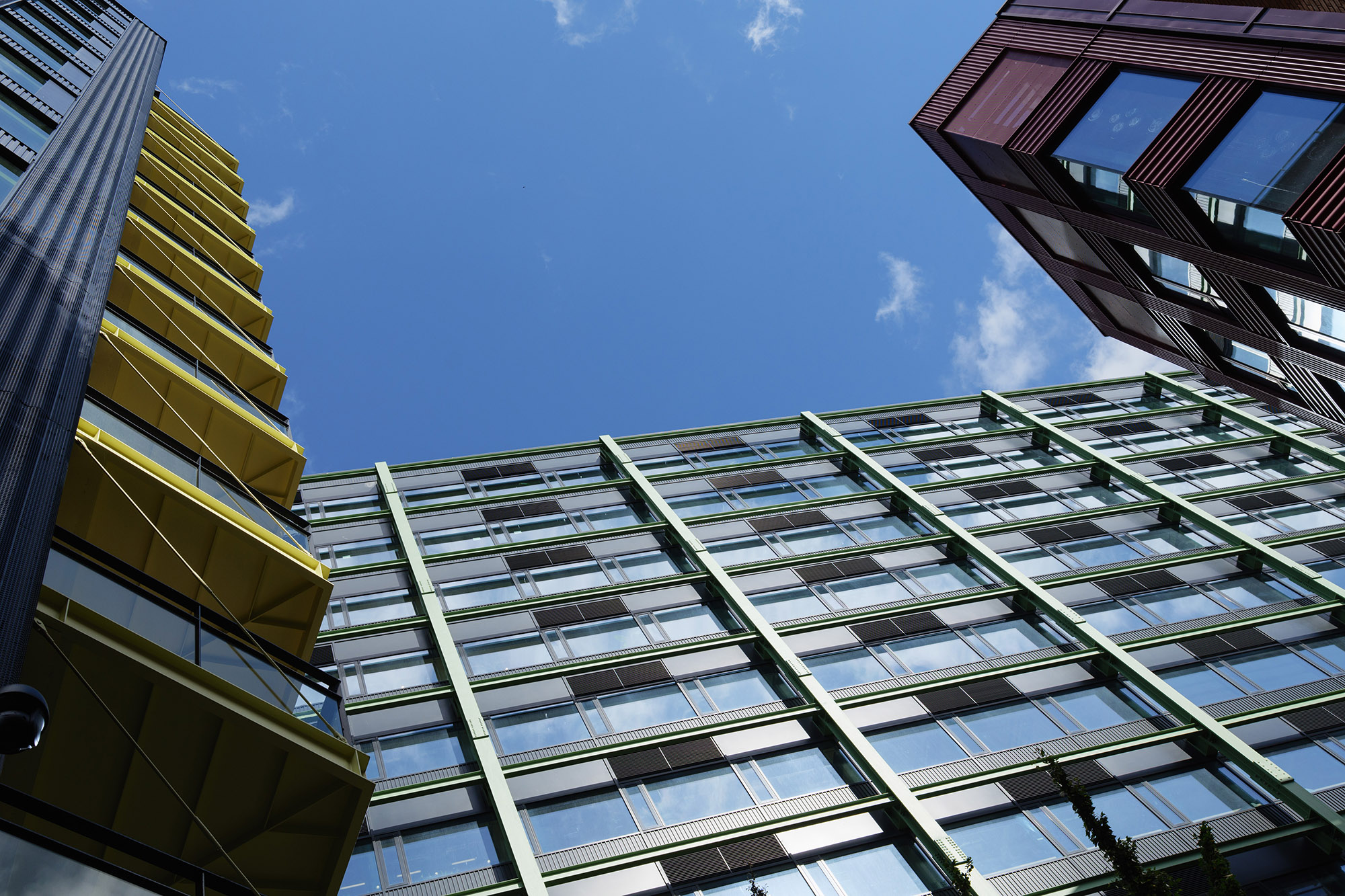
I was there again in June, with a brief to capture various aspects of Buildings B and C, but also to get an angle which included all three buildings in a single shot. That’s not as easy as it might sound, requiring some consideration of how the light falls on the buildings at various times of day, as well as trying to exclude other buildings or scrappy bits of cityscape.

However, give me a challenge and I’ll rise to it (within the bounds of feasibility of course).

What I came up with was two options. One based on a reference photo supplied by the client, the other an angle I found by walking the site until I located a spot which would work.

The more ‘standard’ angle is the stronger of the two images, but the one looking up at the buildings also has its strengths and uses. Giving a client a choice allows them to adapt images to whatever design and format they need, even if they don’t yet know what they need it for.

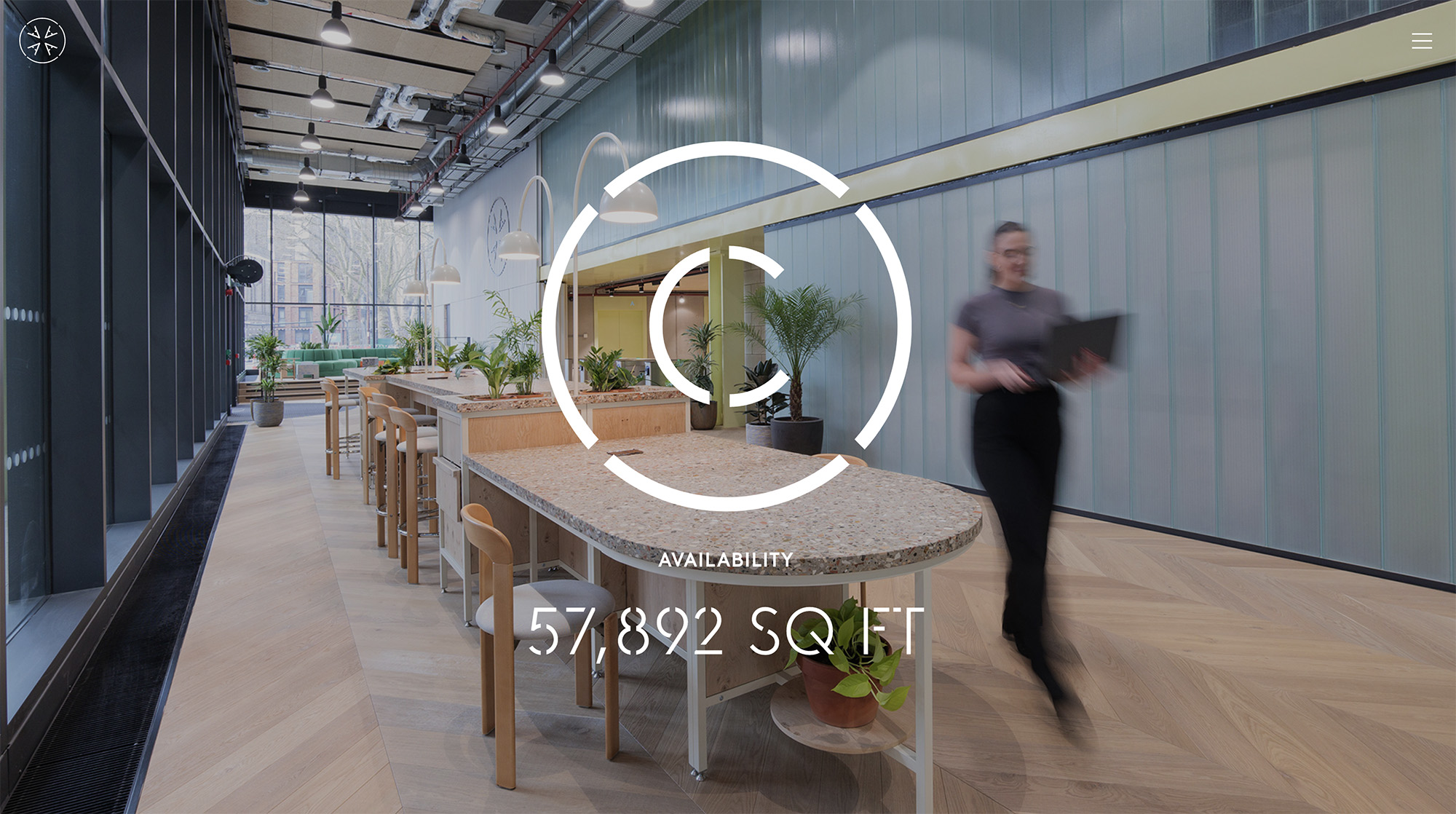
Some of the images are included in the micro-sites for the buildings, including this (see below) from Building C taken during a previous trip.

Architectural photography, done properly, won’t generate anything like the quantity of images that something like a headshot session or event coverage might. More time and consideration is required; finding the best angles, setting up a tripod, making sure verticals and horizontals are correct (unless you’re after that leaning look, of course) and often having to wait until a person or lorry or whatever has cleared the scene.

The challenges of architecture are very different to pretty much any other genre of photography, but if you have a project which needs photography, I’d be delighted to hear from you!

Email me, or call 07703 124412 for that initial creative chat.

Awards, Ceremonies and Celebrations

Under normal circumstances, I wouldn’t leave my blog unattended for almost two months, but things haven’t been quite normal lately.

A busy work schedule and personal circumstances (he said, cryptically) have conspired to keep me from posting, so this is a round-up of recent work.

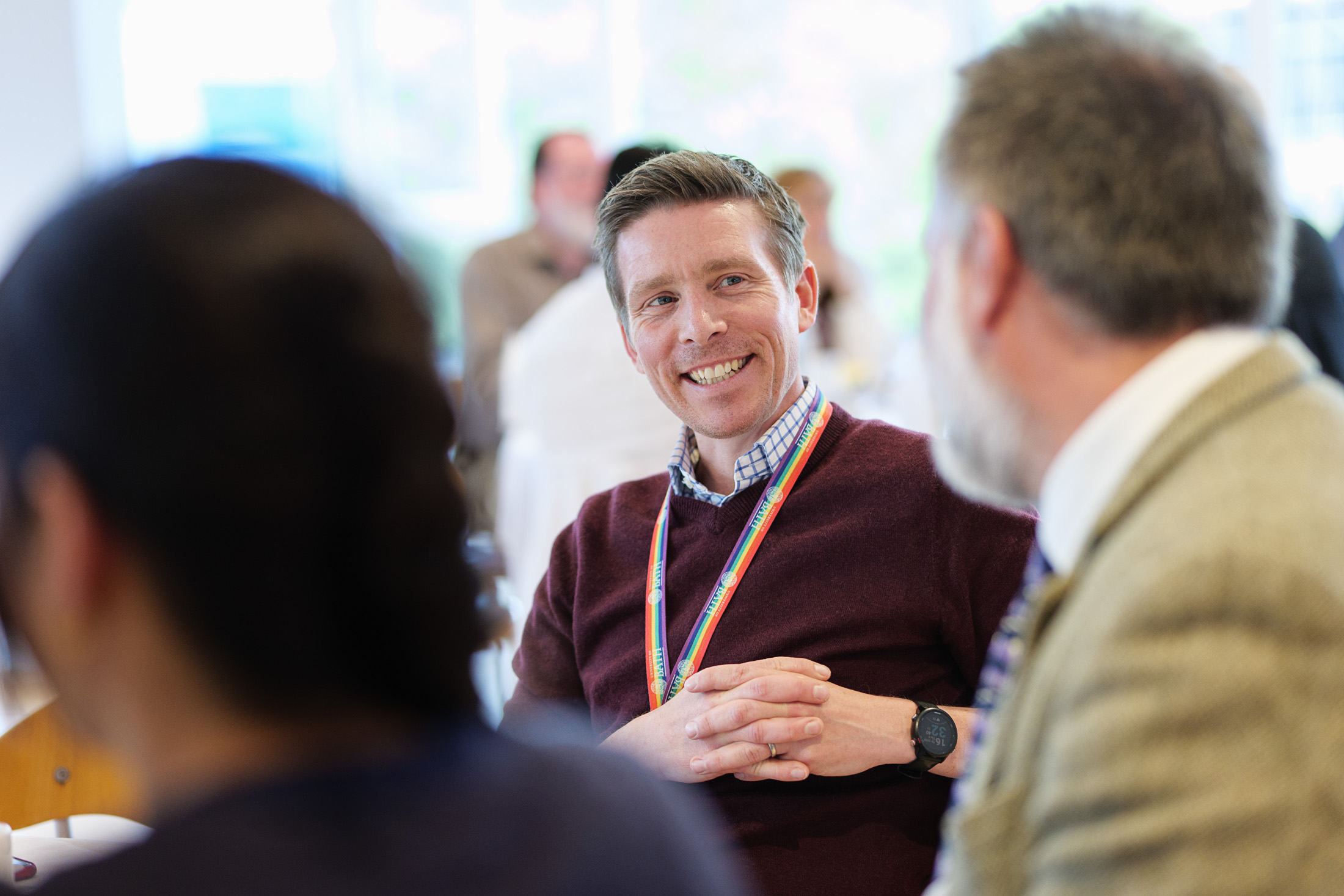
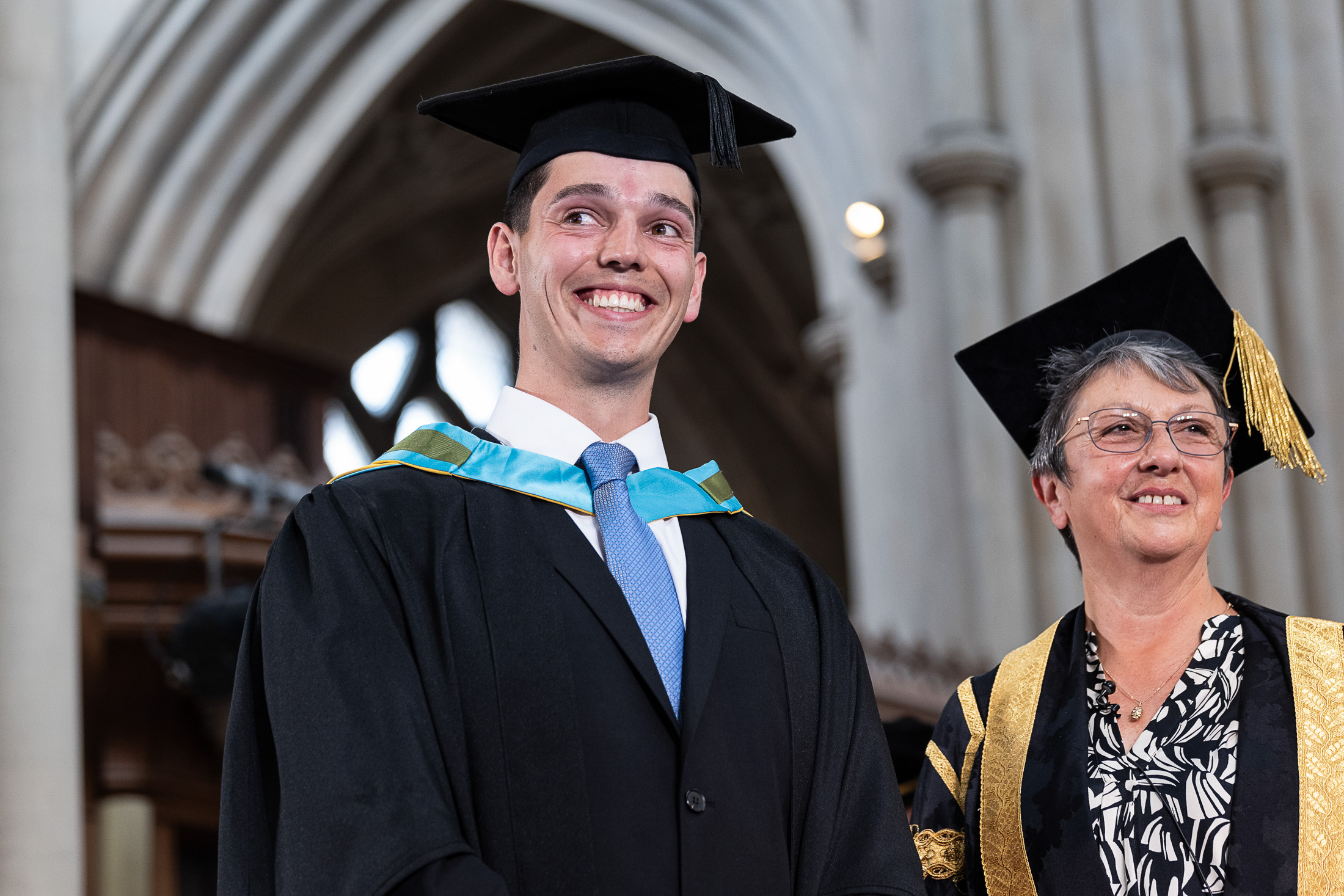
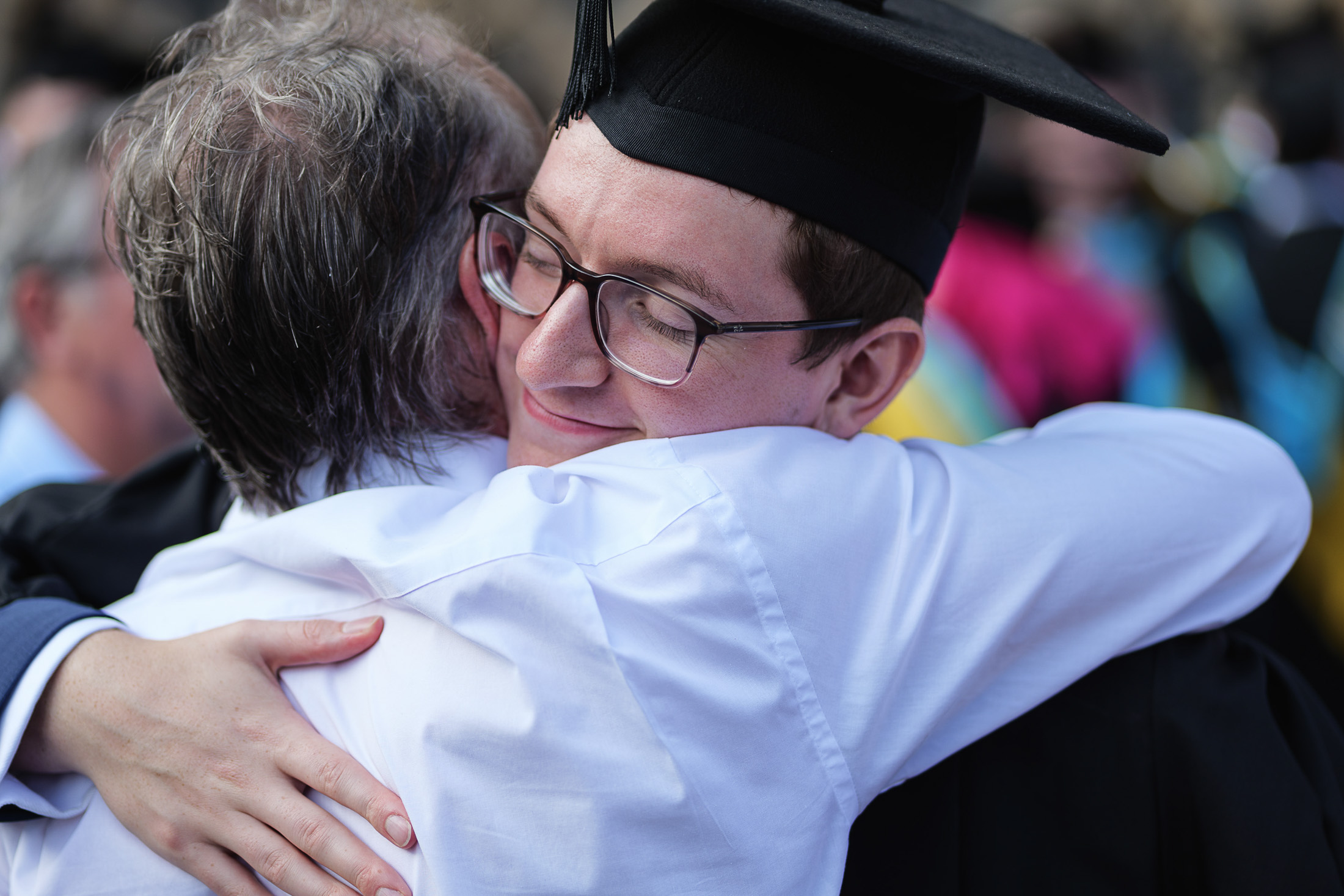
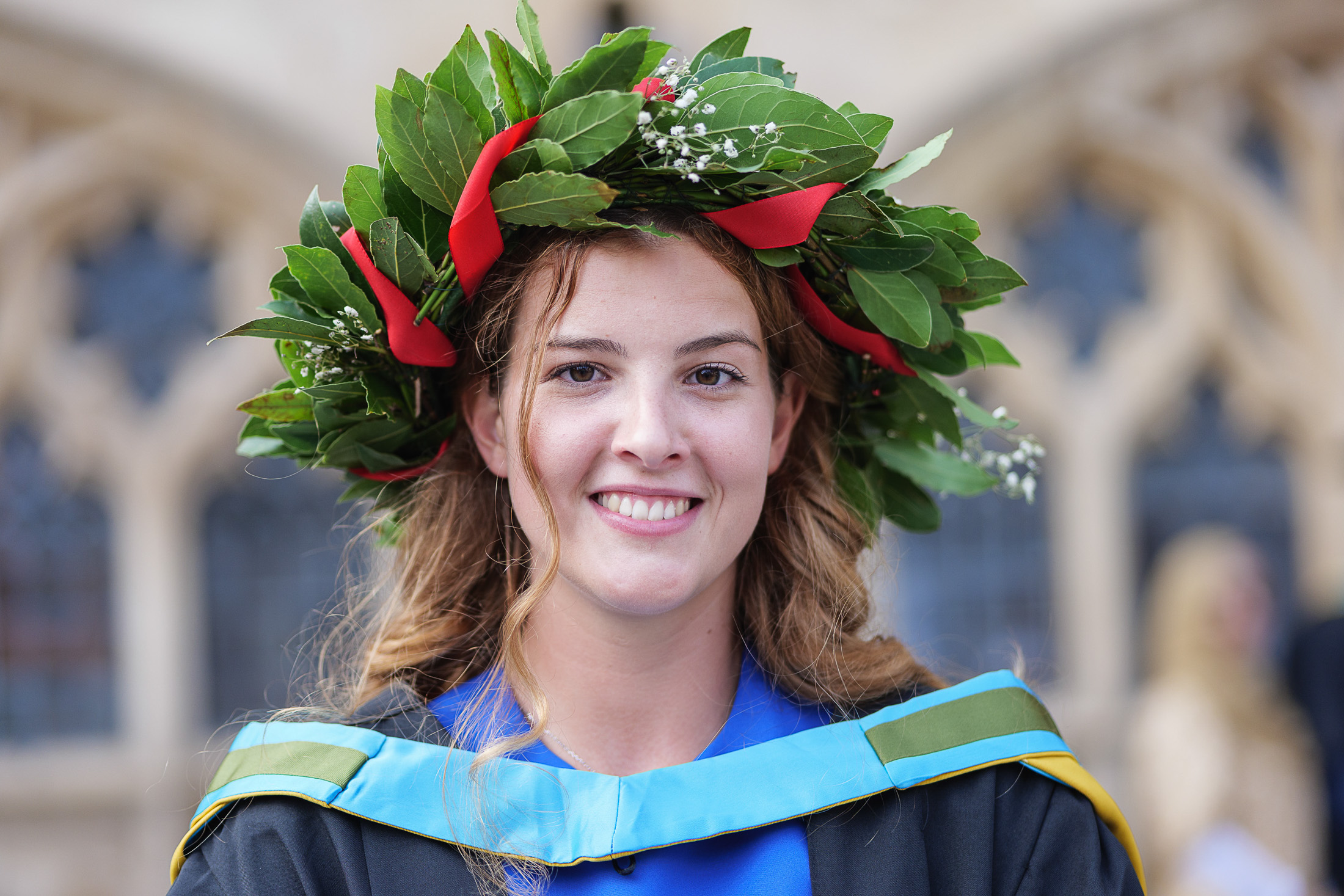
Looking back, that work has involved a fair number of award ceremonies, certificate presentations and celebrations of all sorts. From fairly low-key and intimate events to grand occasions, I’ve applied my photographic approach to them all. That is to say, I work to capture the general tone of an event alongside the smaller moments, as well as the presentations themselves.

Photographing events for my clients is always a huge amount of fun. People tend to be relaxed and generally accepting of a photographer there to capture the occasion. It’s their moment, and they’re happy to have it recorded.

For clients, they need my pictures to tell the story and to give them a range of pictures for use across social media channels, press releases, websites and brochures. So this work engages multiple of areas of the brain; I’m thinking about telling the story of the event, making pictures the attendees will enjoy, ensuring the client has images for immediate PR communication, and for the longer term, images which can stand the test of time. Some of the photos will need to be used to promote a recurring event for years to come, so they need to be of a quality that endures.

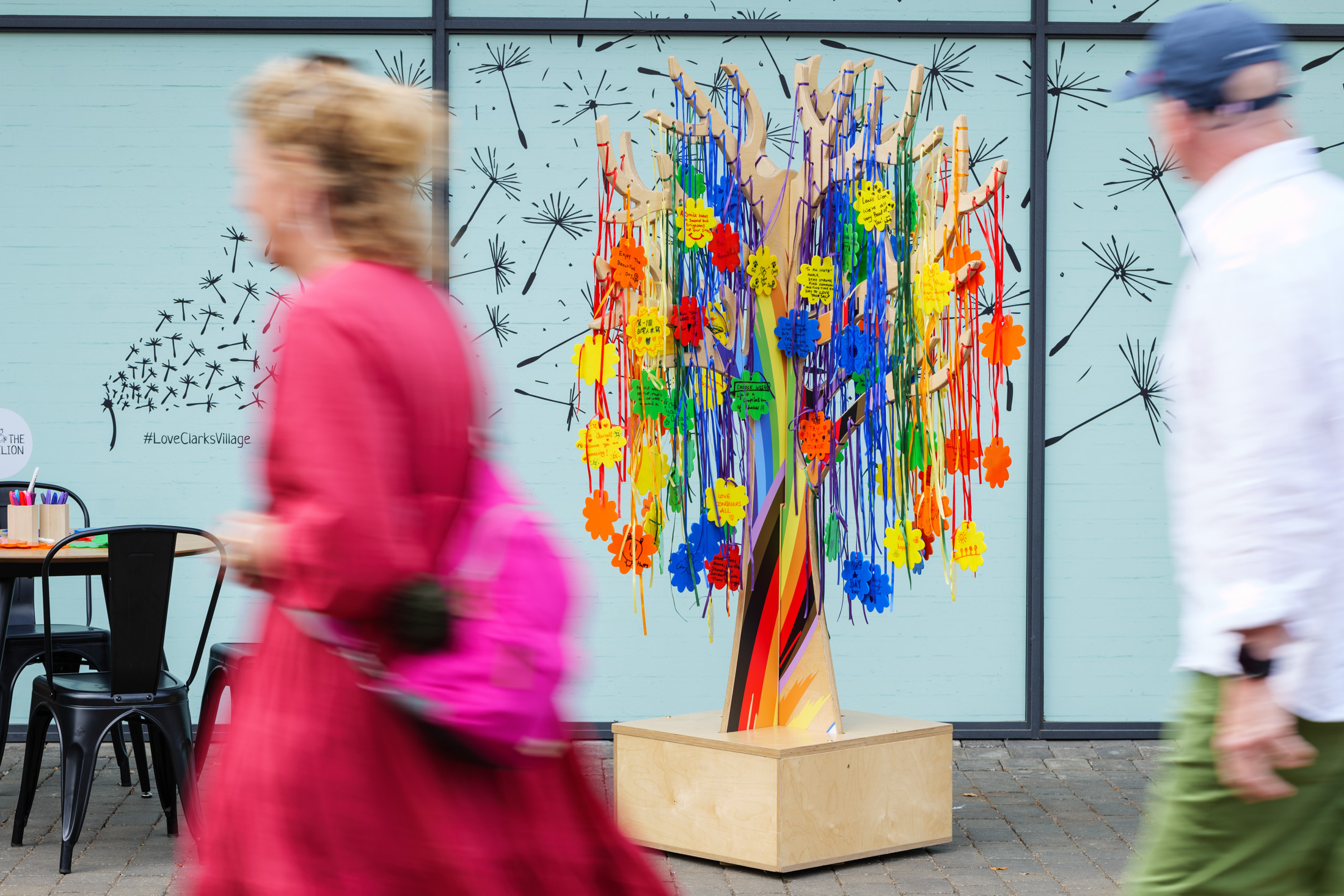
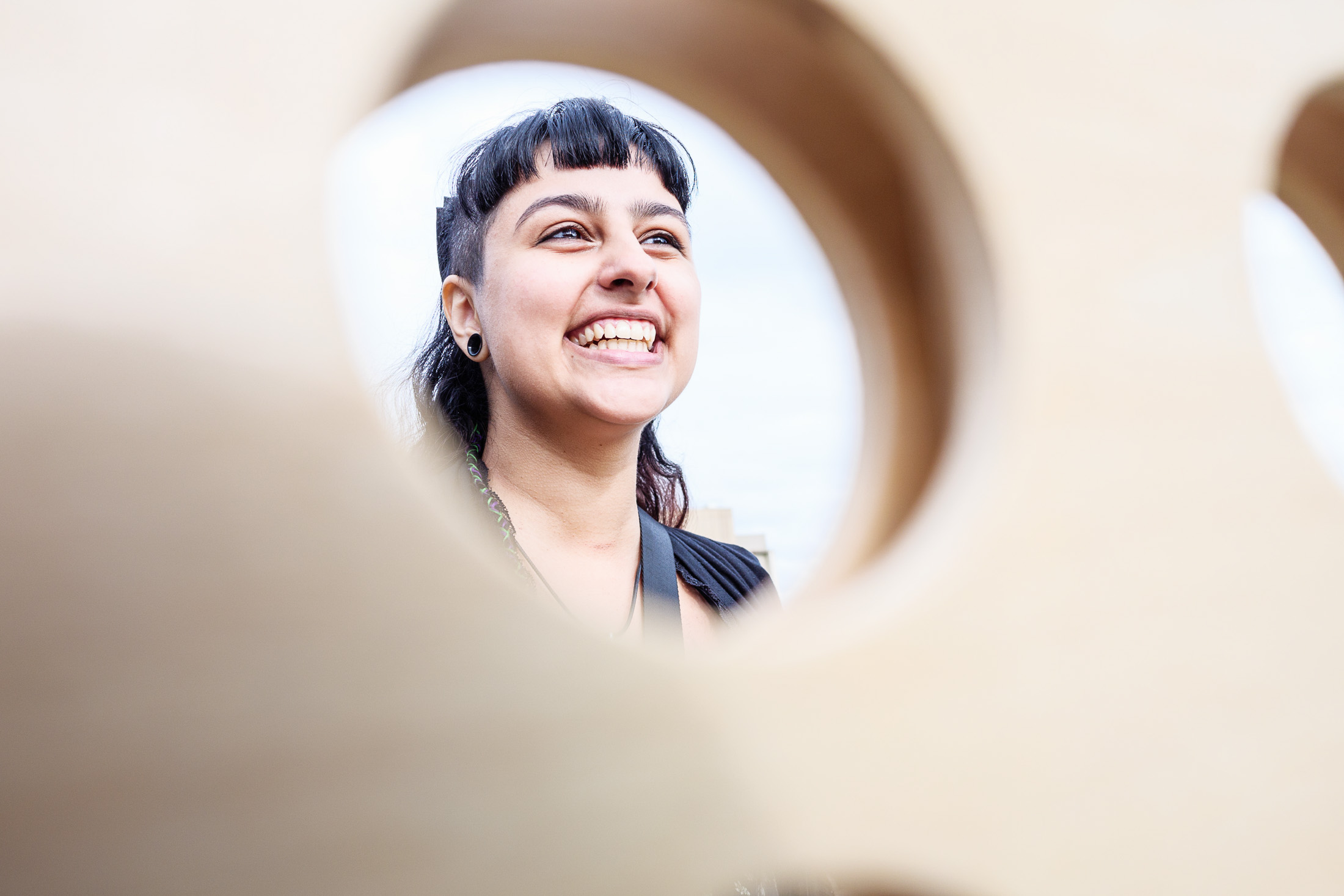
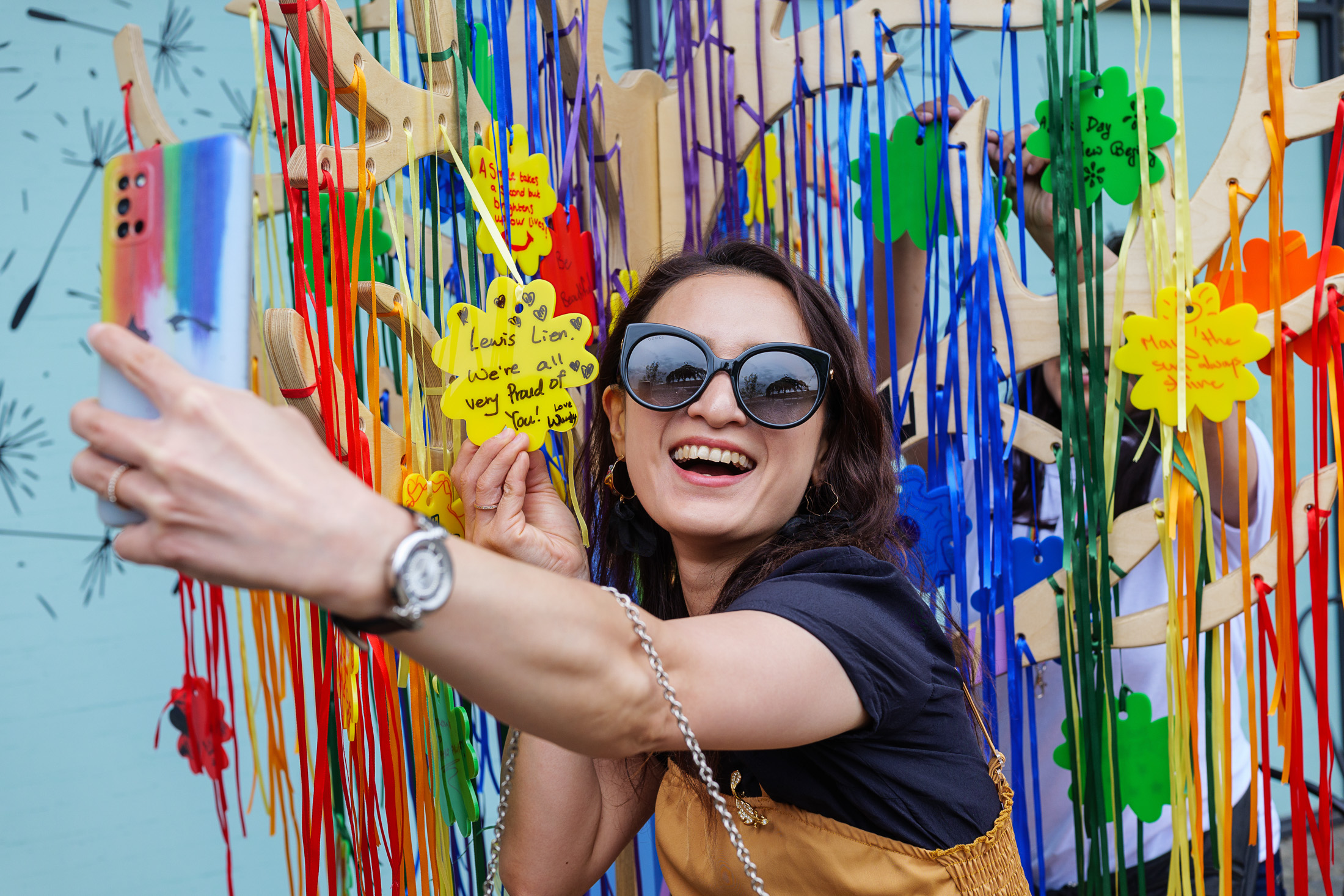
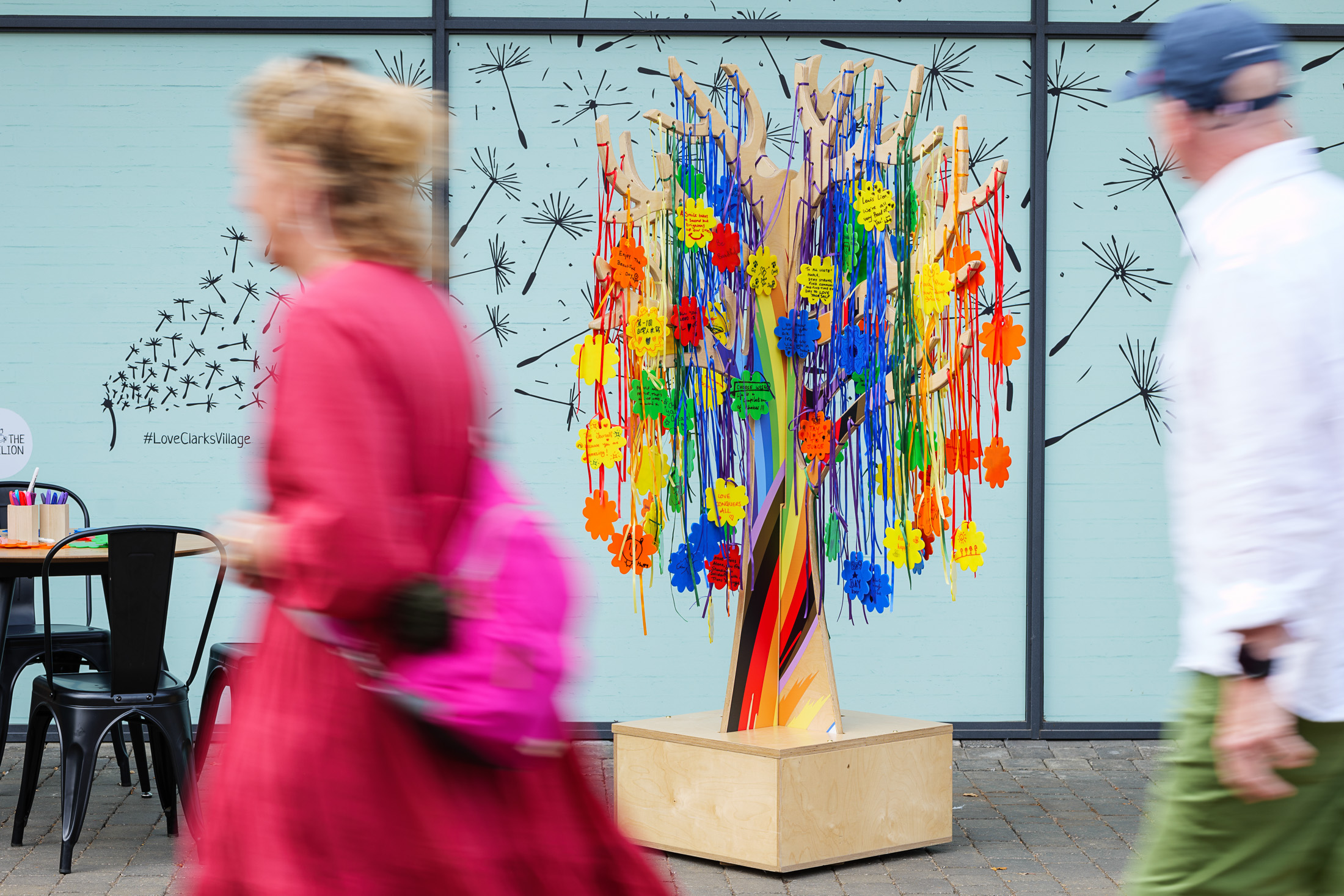
The gallery is just a handful of recent events I’ve covered, mostly for University of Bath (their events just seem to offer the best photographic opportunities!), but also for Clarks Village in Street who hosted a PRIDE tree where people could post positive sentiments on LGBTQIA+ rights, or just say or draw something up-lifting. That was a riot of colour!

I’ve got more events coming up later this year, so if your organisation is planning a celebratory event in the coming months, drop me a line or call 07703 124412 and I’ll be delighted to help.

How Much Should Photography Cost?

One question which ties up too much time, energy and headspace for most businesses is, “How much should we be paying for photography?”

In the modern business landscape, we have to extend that to videography too, of course. While this article focuses mainly on stills, read to the end for my thoughts on video as well.

The shortest answer I can give is that the corporate communications photography you commission shouldn’t cost you anything. “What?! Free photography?! Where can I get some of that!!” I hear you wail, but of course that notion is ridiculous. Free stuff, as we all know, is often worth exactly what we’ve paid for it.

What I mean is, the photography and videography you commission for your business should, either fairly immediately, or over time, generate more income for your business than it cost to get done. If your photography/videography isn’t winning new clients or gaining fresh business, then you need to look at why it’s not working before deciding you’re paying too much. It could be how you’re deploying the work, it could also be that you’re not paying enough to get the quality you need.
A useful exercise is to start from the other end of the process. Ask what it is you want to achieve with your images, then work backwards to find the solution. That is to say, the photographer you choose is more important than what they charge. Ask yourself if the photographer’s style fits your brand and whether their quality adds a perception of high value to that brand. What they charge should reflect the outcome you’re aiming for. It needs to reflect the quality of their work, the uses to which that work will be put (the Licence to Use) as well as the standard of service they offer.

Just to explain the Licence to Use a little more deeply, a set of photos destined for a one-off press release for a small business won’t command the same fees as a high-production single image used in a national advertising campaign for a global brand.

There are many scenarios between these usage examples, but if you’re open with the photographer about who and what they’re shooting for, they can give far better guidance on the likely fees. And when it comes to the shoot itself, they can plan their own approach and deploy their resources far more effectively for a more successful outcome.

Oh and on that last point, be VERY wary of any photographer who doesn’t ask how the images are to be used. This should be an alarm-bell-moment. If they don’t care what you do with their work, it means they don’t care about your goals. This will be reflected in the results and that’s when photography becomes really expensive, regardless of how cheap it was to acquire.

Much the same approach applies to commissioning video, albeit the costs associated with that tend to focus more on post-production time than on aspects such as licensing. However, if you’re going to commission video, you still need to think carefully about your goals.

Identifying who you’re trying to reach, what their expectations are and how you’re going to win their business should be considered long before commissioning a videographer (ie me!) to press the record button.

If I’m shooting video for a client, of course I want to understand my client’s aims, but I also want to know who they’re trying to win over. If they’re aiming at people who might do business with them, the content, message and production values all need to be of a high quality. There’s no point spending money on a video which is aimless and poor quality. That’s just a waste of money and a drag on valuable resources. It might grab audience attention for a brief moment, but will soon be forgotten in the constant stream of online content marketing. Poor quality production will also harm your brand and cost you sales.

The main message of this post is to think quality first, then work out your budget based on the value you’re likely to gain from the results. Setting out with an unrealistic budget plucked from thin air isn’t going to get you where you need to be, which is why I’m happy to spend time working through these questions with clients before they commit to working with me.

I would be delighted to discuss your stills and video needs, so drop me a line and let’s get your photography and videography making money, not costing it.

If You Want To Get Ahead, Get A Headshot

We all know how important it is to have a professionally-taken business portrait, so how come mine is so old?!

Yes, it’s time for the cobbler to mend his shoes and for the physician to heal himself. The photographer needs to take his own portrait. I’ve been putting it off because like most of you, I don’t like having my photo taken.

But that’s no excuse. Time has pretty much the same effect on everyone – it ages us, and I have no immunity against the ravages of time.

For a start, I have fewer grey hairs now; that is to say, I have fewer hairs. Apart from that, it’s just good practice to update your profile photo every three years (five at a stretch).

The issue is that while a simple selfie is easy enough to do, taking a selfie that looks like a professional portrait is a bit of a circus act. Modern cameras make it easier than it used to be, especially now that the camera can be operated via a phone app, but it’s still quite a feat of organisation and coordination. Maybe I should hire a photographer?

That would be fine by me, except I also take the opportunity of using myself as a model to really work on new ways of setting up, new approaches to getting the correct angle and perhaps more particularly, finding interesting tweaks to my current style. So making my new portrait will also be a chance to adjust and refine my portrait style.

In all likelihood the development will be more incremental than revolutionary, but it’s still a good exercise to go through.

And what could possibly go wrong? Artists and photographers have been making self portraits since the dawn of time. Vincent van Gogh famously did a few, and he turned out fine *googles the life of van Gogh and… “OH MY GOD! WHAT THE ACTUAL…?!!* Ok, maybe I’ll delay making my self portrait for a while longer…

Except there is always an excuse, from “I need to get my hair done” to “I’ve cut off my ear and presented it as a gift to my favourite prostitute”; I’ve heard them all and I can no longer wriggle out of it myself.

Now that I’ve said it, I need to go and do it. And I want you to nag me if I haven’t updated my profile photo in a week’s time. For the record, here’s my current one. Gosh, I looked so young!

And if you’re now realising it’s been six years (or more!) since your business profile portrait was updated for your website or LinkedIn profile, drop me a line and we’ll organise a nice relaxed photo session. No excuses, let’s do it.

Co-working Spaces For Corporate Photography

Tips for hiring a co-working hub when you have no office, or your office isn’t suitable.

While co-working spaces have been a growing trend for more than a decade, the Covid 19 pandemic definitely accelerated the move away from fixed, permanent offices for many businesses.

More generally, the co-working or shared office trend also reflects the post-pandemic rise in entrepreneurial ventures as people move away from wanting to work within large organisations, and more towards fulfilling their own dreams and ambitions.

Even large organisations have migrated teams out of big central hubs in favour of smaller, regional centres. It’s a trend which is currently growing, with little sign of abating.

Whatever the size of your business, there could be many reasons you don’t want a shoot in whatever space you have – perhaps it’s too small, or maybe it’s an uninspiring red brick cube with cramped desk-filled cubbies and a boardroom that serves its function, but isn’t aesthetically pleasing.

The Hiring Option

So if hiring a suitable space in a co-working environment is an option for your next corporate photography session, what are the advantages and disadvantages? And how can you get the most out of it?

This article will guide you through some of the challenges of finding the right spot for your office-less office shots and corporate portraits.

The Advantages

There are genuine advantages to having a photo session in a co-working hub:

• The look to suit you – from ultra-modern to supercool, you can find a space which reflects your attitude, personality and business values. Even better, all that interior design work has been done for you; it’s a photo set ready and waiting for you.

• Flexibility – depending on the requirements of the photo session, you can negotiate anything from a couple of hours to an entire day. Likewise you can scale the size of space you need depending on whether it’s a few simple headshots, images to reflect a meeting, a huddle or colleague collaboration across desks.

• All the kitchen and toilet facilities are there, and in the best hubs the staff will be only too willing and helpful when it comes to accommodating you and your team.

• Accessibility – if people are coming from various locations, co-working hubs are normally easily accessible by public transport or have parking nearby. Most co-working buildings, though sadly not all, are easily accessible by wheelchair too. That’s certainly worth checking in advance.

• A chance to get away from the desk – taking the time away from your usual surroundings to concentrate on your business image is no bad thing. It’s often a good time to have those “blue sky” thoughts while your brain is distracted by having to pose for the camera.

What To Look Out For

Of course you need to be aware of some of the pitfalls of this way of working.

• You’re away from the office! Although, I’d still argue the benefits outweigh the disadvantages of this.

• Finding the right space – with so much choice, it can be hard to find the space that fits your ethos precisely. I’m happy to help with this by offering ideas for locations I’ve used, or ones I’ve spotted and thought would be good. Here’s a search based on Bristol, my main city for work. Likewise for Bath, Chippenham and Swindon.

• Cost – It is an additional cost on top of the actual photography, but by leaving you (the client) to liaise directly with your chosen space, I don’t end up charging VAT on top of VAT, so it might not cost as much as you think.

• Finding enough space – Getting the right look can require a surprising amount of empty floor space, but I can usually advise on the best room to hire based on its size and flexibility.

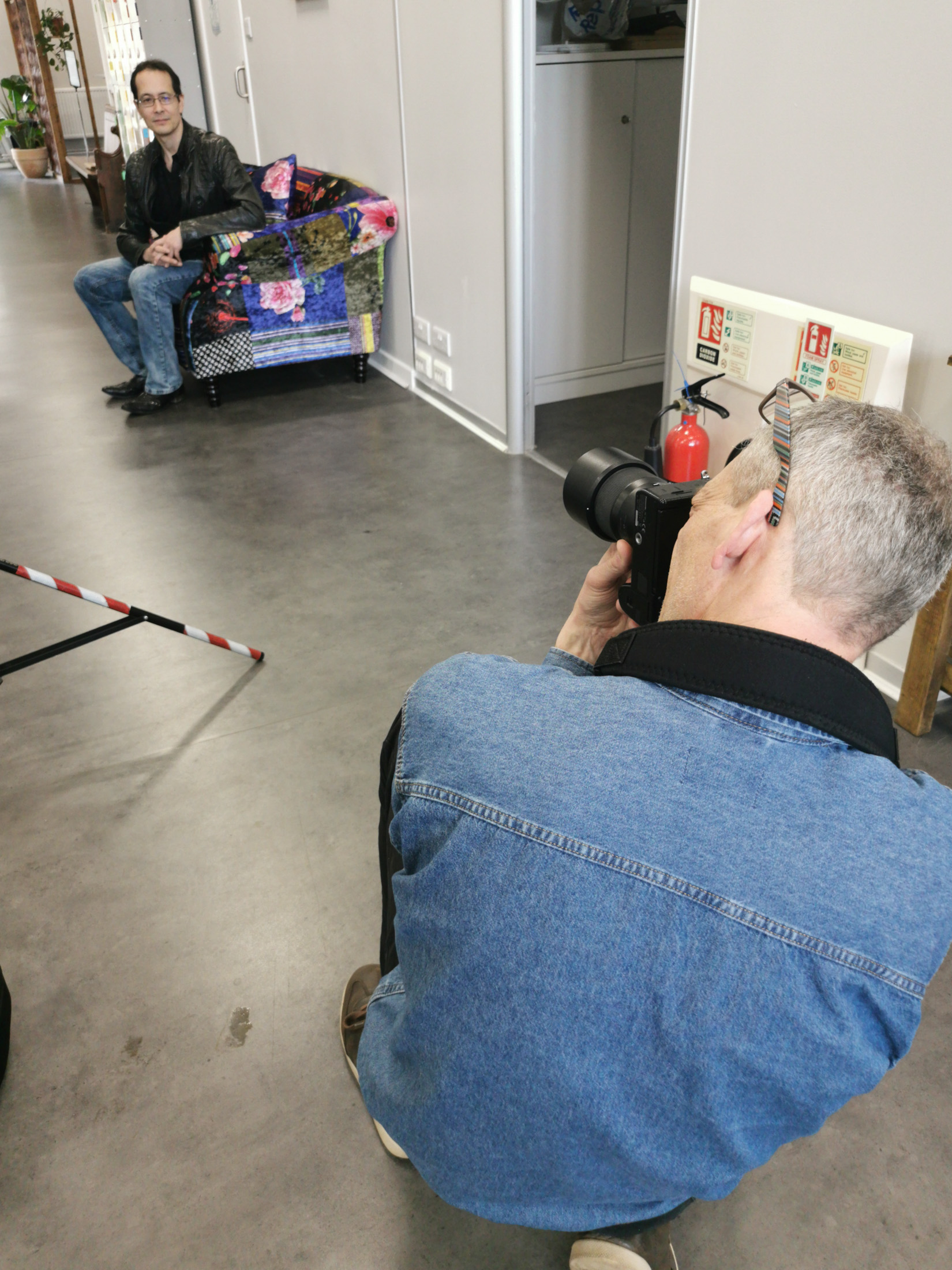
• Fixtures and fittings – It’s surprising how many great looking spaces become difficult to work in because whichever way you turn, there’s a black monitor screen on a wall, an exposed conduit, light switches, thermostats, fire extinguishers, radiators, shelving, white boards… I could go on. The (often essential, sometimes arbitrary) wall clutter and objet d’art can ruin an otherwise promising space because it all gets into the background of a photo. It’s worth asking the host to send additional current photos of the space to include what’s on the walls from floor to ceiling height. Some things might be easily moved, others will be fixed, but hopefully some will be useful features in the photos.

• Lighting – I bring my mobile studio lighting kit to shape the light how I want it, but it’s still helpful to know in advance what windows or skylights are there and also what the light fittings look like. A chandelier might be groovy in real life, but it can look very odd in a business meeting shot. Again, a handful of current photos from the host can be useful here.

• It’s a shared space – While it might be easy to shut off a meeting room for a photo session, often the shared open spaces are full of photographic possibilities. This requires some diplomacy then if people are already set up and working in these areas, but I usually find a quick conversation about what we’re doing and how long we need is enough to minimise potential irritation.

• Things might change – From one photo session to the next, a co-working space might be refurbished, or they might close down. Ok, it’s a risk, but then few offices stay the same forever and there’s often a time at which it’s good to get everyone’s headshots re-done from scratch. That’s when a fresh space might be worth considering anyway.
Planning Planning Planning

The key to a successful photo session in a shared co-working facility is in planning the timing, location and access. Everything else is just the same as in working in your own space, such as choice of clothing and how you wish to present yourself to the camera.

With a little forward planning, your out-of-office photo session will not only be more successful, it’ll also be a more enjoyable experience.

If you would like more help on this, or any other aspect of planning your next corporate photo or video session, do drop me a line.

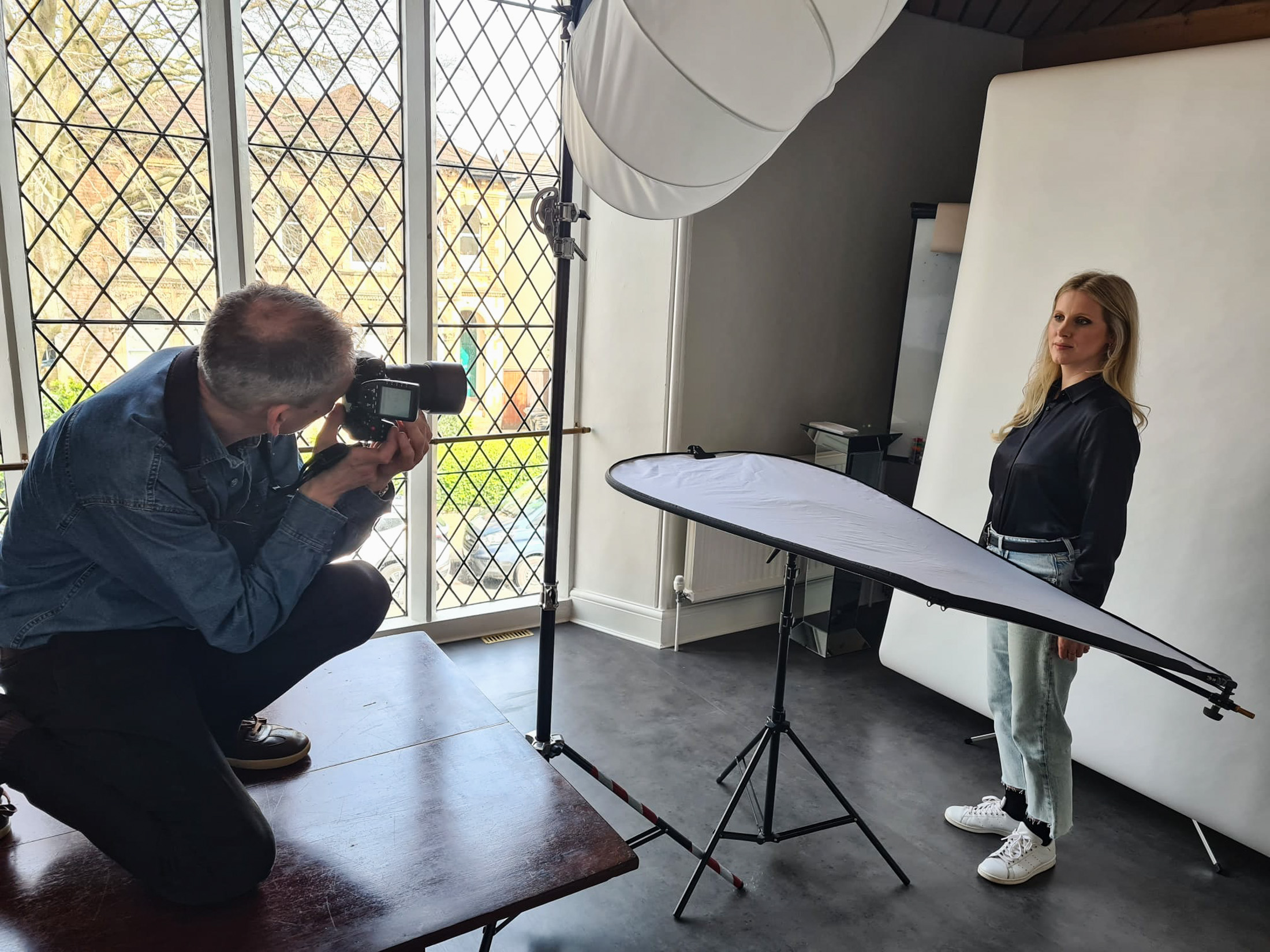
With thanks to Paul Albone and Stefanie Blundell of Pohco Consulting and their new venture Pasamelo for posing so brilliantly, and for their BTS shots of me, and to Futureleap Clifton for hosting us so brilliantly. I also recently used Origin in Berkeley Square, Bristol, who have some fantastic spaces and an incredibly friendly and helpful team.


You Can Photoshop That (truth in pictures)

When does photo manipulation matter?

I’m not going to dwell on recent events regarding the Royal Family and photo manipulation, but I’ve been meaning to write this post for a while. This post is not a judgement or criticism of the Princess of Wales, I’m merely using this as a springboard to a wider topic.

Very often I’ll be taking pictures for a client and the phrase “you can fix that in Photoshop” will rear its ugly head. Sure, many things can be fixed in Photoshop (other image editing software is available), but let’s run through the basic considerations before leaping on the cut-n-paste tool.

Editing time

Moving things around in Photoshop during the editing process usually takes a lot longer than physically moving (or removing) them at the time of creating the photo. Any decent photographer will strive to get everything right in-camera, ie at the moment the photo is taken.

On the whole, I build my editing time into my fees so clients know from the get-go what they’ll be paying for a project. If I then need to extend the editing time to correct for something I wasn’t given time to fix on-site and in-camera, I then have to go back to the client with a revised bill. That’s not always popular.

Deadline

Following on from the previous point, if editing takes longer than planned, this can impact my ability to meet a deadline, so why not save the grief by making sure everything is as it should be at the time the photo is taken?

My Sanity

One thing I try to do when shooting corporate portraits, is ensure the sitter’s hair is tidy, that there aren’t strands across their face and that their clothes aren’t covered in bit of fluff, flakes of skin etc. If it’s a post-lunch shoot, I’ll check there’s no food in their teeth before I start.

Sitting at a computer for hours, endlessly retouching stray hairs, spotting out bits of fluff or removing food bits from between teeth (YUCK!) makes me die a little inside. Far better to spot these things in advance and deal with them in real life.

Ethics

Ok, so this ‘could’ get complicated, but I’ll try to keep it clear and simple.

A retouched or manipulated photo can be used in a business website, leaflet, brochure or corporate social media post (provided the post isn’t put out as a news piece).

Manipulated photos are often used in advertising, which explains why McDonalds’ burgers look edible in the roadside billboards, but taste like damp cardboard whenever you come to eating a real one.

A retouched or manipulated photo CANNOT be used in a press release or as a news image, regardless of destination (web, print, social media, projection onto the Moon). The only retouching allowed would be, for example, the removal of dust spots caused by muck on the image sensor. Minor colour, lightness and sharpening adjustments are fine, but the image has to be an accurate reflection of the captured scene.

Does this make advertorial* a grey area? I don’t think so. Provided the article is labelled as advertorial, image manipulation is acceptable because anyone seeing the article will know it’s not a news piece.

There is a real danger in the area of corporate communication via social media, as Amnesty International discovered when they used a series of AI-generated images to highlight their reports into police violence and sexual harassment in Columbia in 2021. In Amnesty International’s case, they did label their images as AI-generated, but their ethical stance was damaged by the use of fake imagery and they subsequently pulled the posts.

Now AI is a whole new kettle of weird fish, but the principle is the same; images put out by organisations as news or current affairs need to be true. The humble, local press release photo is not exempt just because its’ not going to be picked up by the BBC or Reuters.

And it’s easy to think that a small change doesn’t matter; inserting/removing/tweaking the colour of a company logo, moving or removing an element, addressing some sticking-up hair, putting a hard hat on someone who wasn’t wearing one on a building site – all these are no-nos when the images are destined for any kind of news use, which includes press release material. It doesn’t matter if it’s the local mayor presenting a giant cheque to the local hospice, or a national news event; if it’s offered as a news item it has to meet the criteria of a news image.

For more detailed guidelines on what can/cannot be adjusted in a news image, the Getty guidelines are a very good start.

Staged pictures

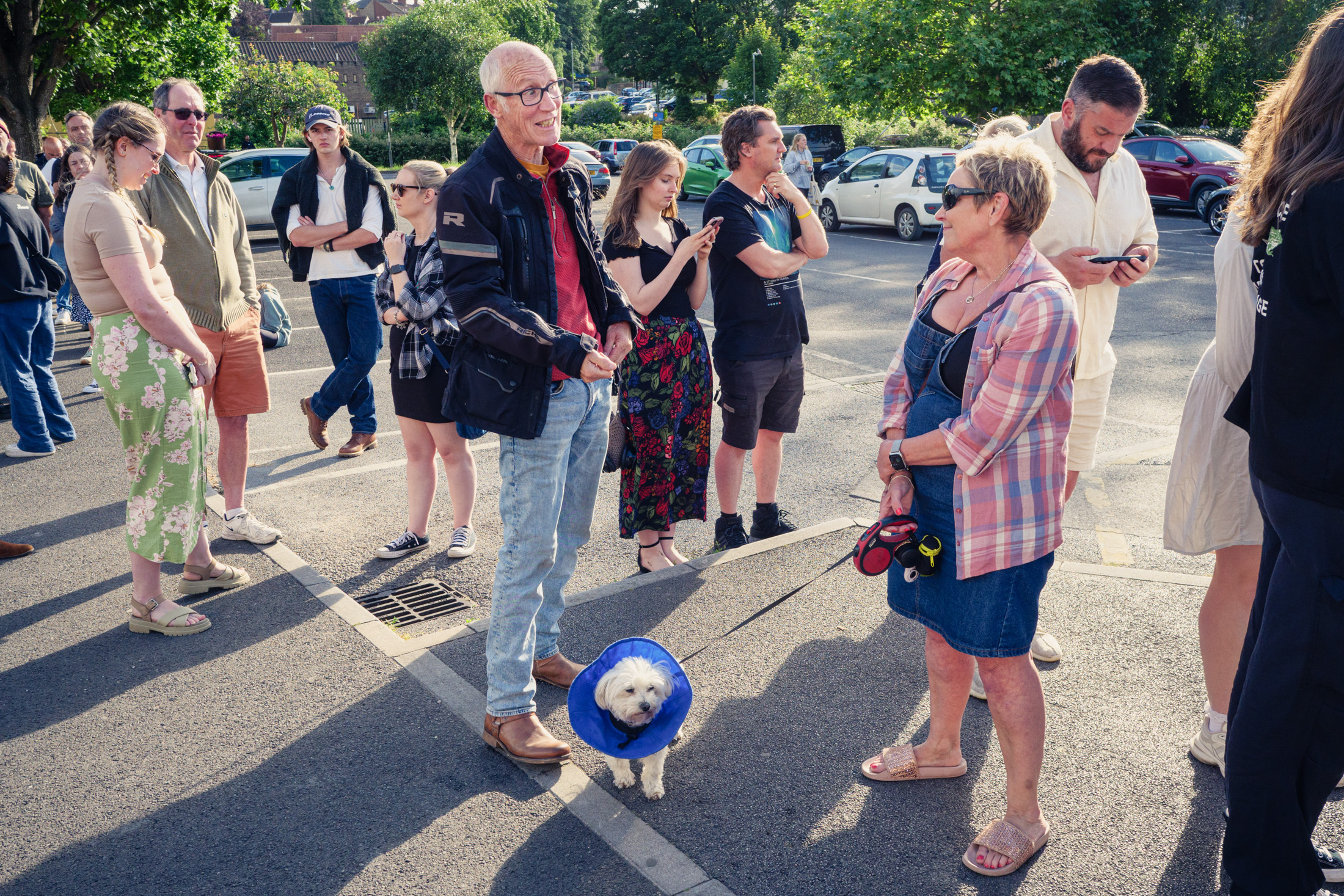
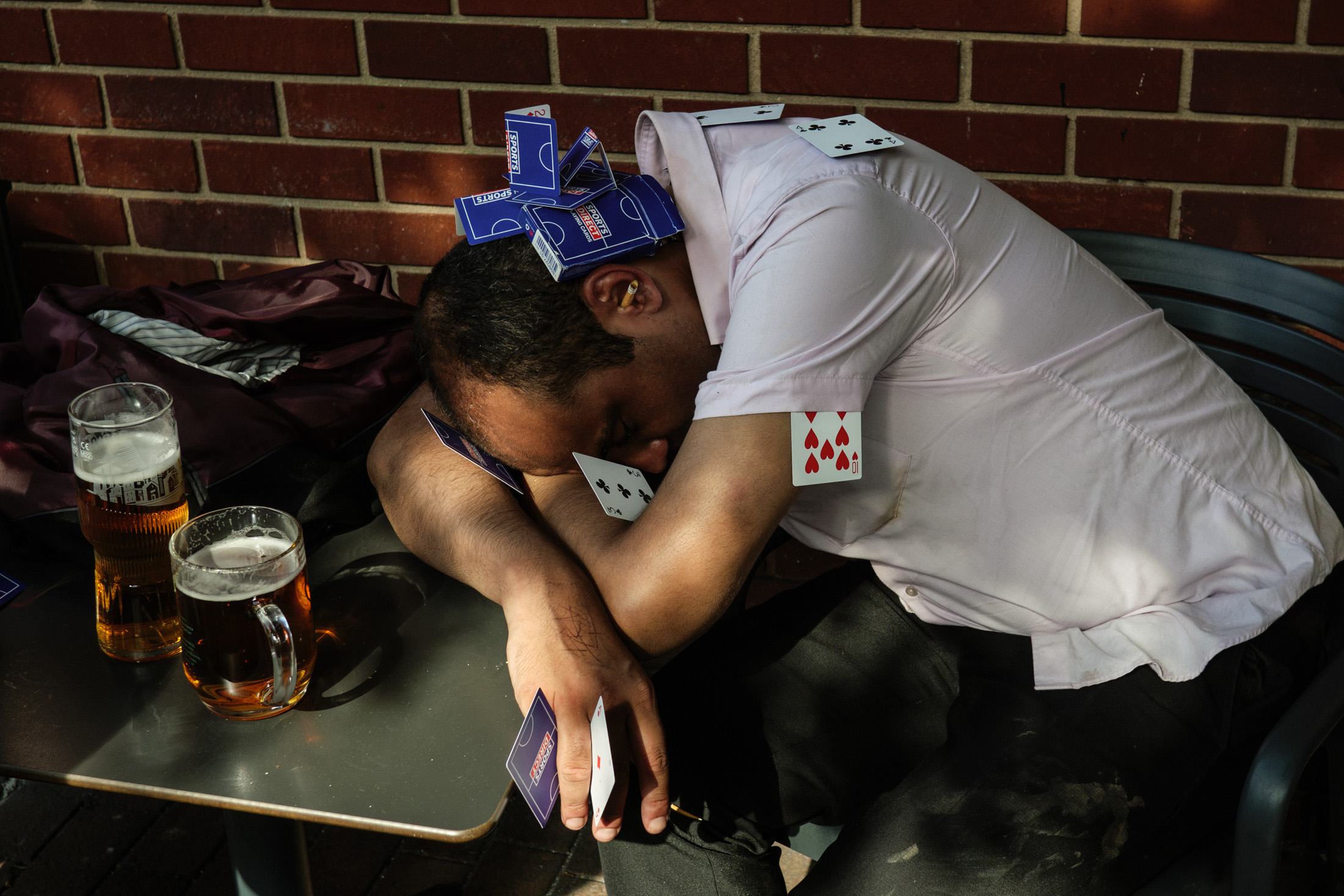
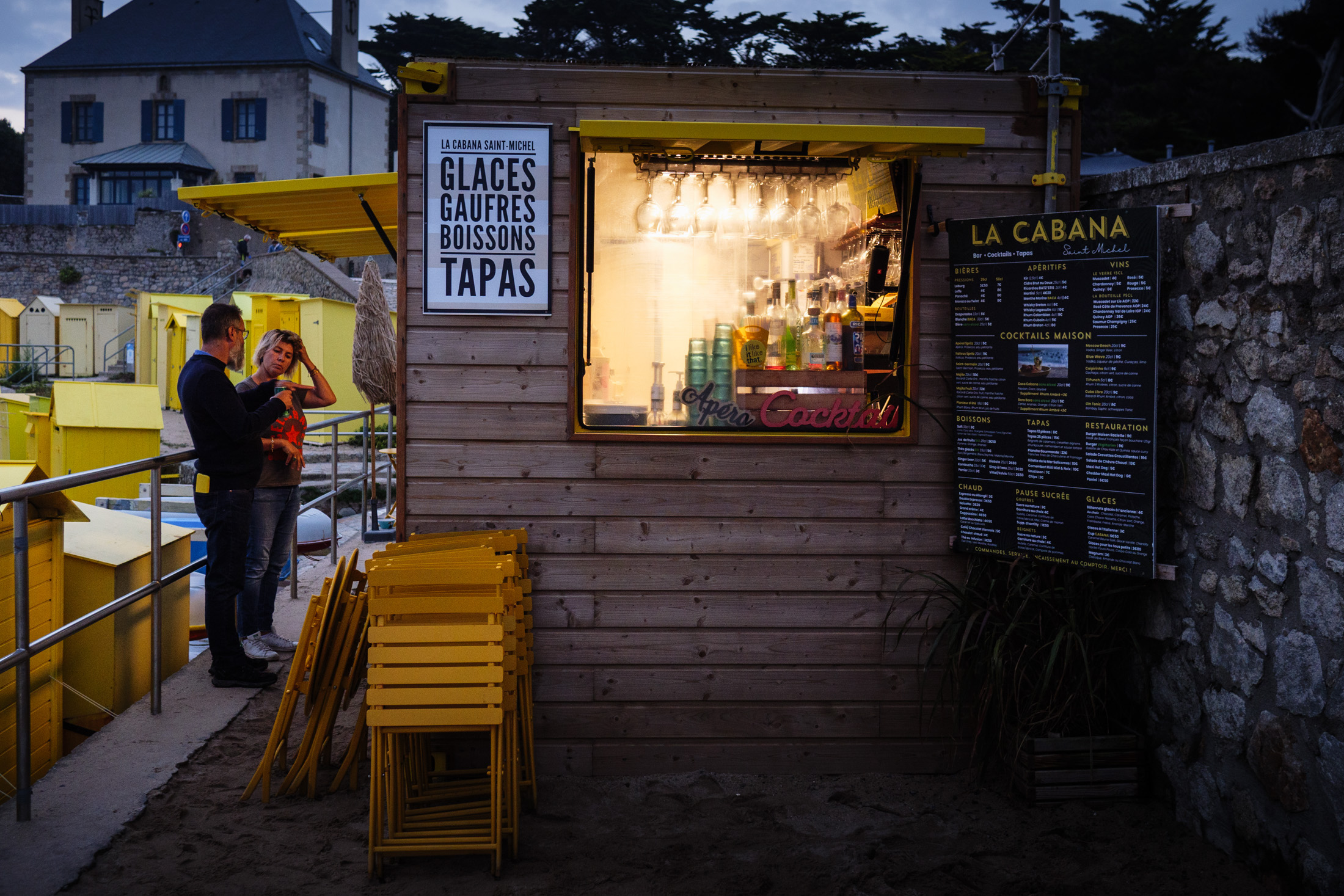
This set of pictures from 2023 is a great example of when PR coverage involves a mix of ‘live’ and staged images. The captions for each image explain more of this concept:

In the example above, we have three typical types of PR photo from a single event: the fly-on-the-wall shot, the staged-to-look-not-staged shot and the obviously-staged shot. The middle one is perhaps the least honest, but it’s fair to say that nothing has been added or taken away from the scene as it was captured. In the final photo, I seem to recall going round picking up litter to tidy things up, but again it’s an honest photo of the existing scene. The viewer isn’t fooled that the artist was directed to pose, and this is a common kind of PR photo, but nothing was manipulated in editing software.

What about…?

It’s debatable whether some historical news images would be allowed today. The Independent newspaper’s in-house style of very heavy vignetting in the 1980s and 90s would potentially fall foul of today’s code of ethics. At the very least, a caption note would have to be added to say that the sky had been ‘burned in’.

Other historical pictures were stitched together to recreate a scene from multiple images, but each individual image was not a manipulation; they’ve merely been sequenced into a panorama or extra-wide view of something which existed in front of the camera. Such a photo would require a special note to editors today, but could still likely pass the truth test.

The bottom line

Most importantly, we live in an age where it’s too easy to manipulate images. This degrades the public’s trust in what they see, so it’s more important than ever to ensure that what goes into our news media is true and honest. An insignificant tweak here, a slightly heavy-handed adjustment there and before you know it, a photo is no longer an honest record of a scene or event.

In the course of liaising with a client on their brief, I endeavour to make sure I know the end-purpose of the work. If I’m satisfied they’re purely for corporate communications, I’ll allow for more adjustments than if they’re for editorial. I can adjust images to enhance certain aspects of an image. I might extend a plain backdrop, I’ll tidy up stray hairs and flecks on clothing and more besides.

However, I still prefer to get all these aspects tidied up in real life. It saves my time and my sanity!

*Advertorial is when a client pays to have an editorial-style piece placed in a newspaper or magazine. It’s basically an advert, but usually has the look of an editorial article. Advertorials must always be labelled as such.