A Goodall Moment

A few weeks ago we learned of the passing of pioneering primatologist Dame Jane Goodall.

It was additionally sad because Jane was to be the keynote speaker at this year’s IUCN World Conservation Congress in Abu Dhabi, which as I said in my previous post, I covered alongside a team of photographers from the UK. Jane would have been addressing hundreds of climate leaders from around the world, but passed away just a few days before the event.

It would have been a huge honour to have been there to photograph her, but at the grand age of 91, we can be thankful she had such a long and impactful life.

On a more personal note, I shall now always share my birthday with the anniversary of her death.

But on the subject of tenuous connections between myself and Dame Jane, here’s another for you; I once had what I call a “Jane Goodall moment”.

In 2004 (April 21st to be precise) I was engaged to take photos at Howletts Wild Animal Park for their marketing. At one point during the day I was asked to go to the medical unit where a female gorilla was undergoing a hysterectomy. She’d had a baby, but she had a condition which meant that another pregnancy could kill her. I was asked to do a few photos to document her aftercare, but I was probably in there for no more than five or ten minutes.

After I came back outside I saw that the father of the baby, a large silverback, was in a nearby enclosure so he could be close to where the mother was having her operation. We looked at each other and he came over to the wire fence, turned side-on to me and with a definite look of pride, indicated for me to see what was clinging to his back; his young son.

Between us were two layers of fence and one language barrier, but I could tell he wanted me to look. I spoke softly in appreciation and at the same time, had to think quickly.

One of my tasks that day was to find a cover image for the Howletts souvenir booklet, and here was the perfect moment. I managed to find an angle to make a portrait of his baby. You can just see a strip of green haze down the right-hand side of the frame where I couldn’t quite avoid the wire.

It was a magical moment and one not many people will have experienced except primatologists such as Dame Jane Goodall, and she wouldn’t have been fenced off from the experience. To be fair, I hadn’t spent years building up the trust of this gorilla, proud dad or not, so that fence was a welcome safety feature.

The photo did indeed make the book cover and of course I was pleased with that, but the longer-lasting memory for me was that moment of connection between myself, a proud dad and his baby.

A fleeting moment of course, and incomparable to the deep connections and impact Jane Goodall had throughout her career, but I like to think of it as my Jane Goodall Moment.

I very much hope her work will continue to influence our approach to, and understanding of, the impact of humans on the natural world. We still have a long way to go just implement what we already know.

A New Perspective and a Sad Farewell

Way back in September 2024 I talked about a camera I’d bought which straddled the Tool and Toy categories of photographic kit.

To recap what I said then, the Lumix GX9 is a compact camera with interchangeable lenses. It acts as a useful third body in my kit bag for work as well as being a fun carry-everywhere camera when I’m not working.

The Excuse for a New Lens

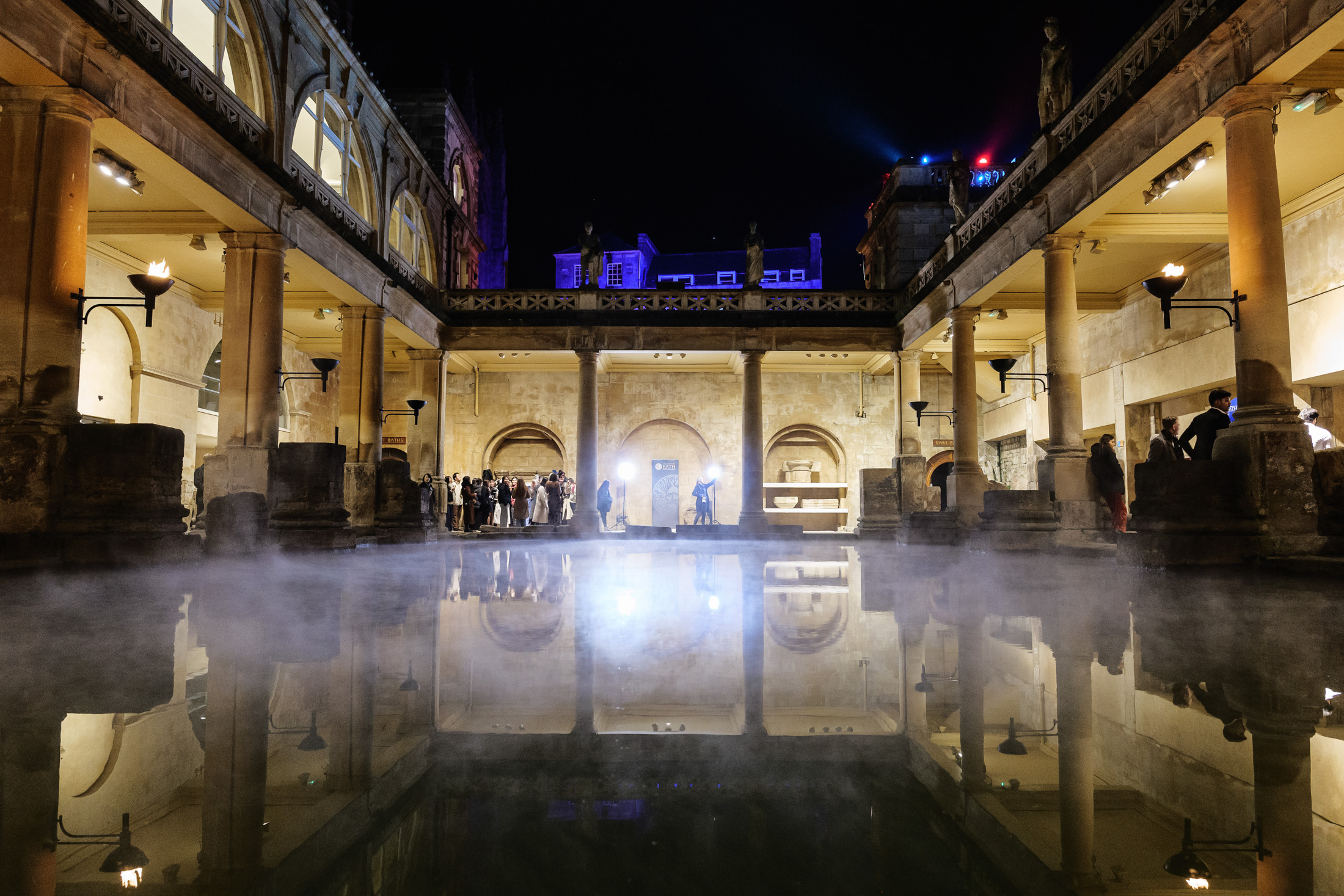
With University of Bath Summer Graduations looming, I decided to invest in an ultra-wide angle lens for the GX9. I could have just got an ultra-wide lens for one of my work bodies, but the cost and weight meant this was the less attractive option. Besides which, ultra-wide isn’t a focal length I use for work very often so I didn’t fancy forking out a fortune.

My thinking was that such a lens could offer some alternative options for shots inside Bath Abbey where the graduation ceremonies take place. In the event it also gave me one or two corkers outside the abbey too.

The lens I bought is a Laowa 6mm f/2, the focal length being equivalent to 12mm on a 35mm camera. I wasn’t sure what to expect from a budget-friendly (£520.00) lens, but I have to say I was impressed!

It’s designed to give a very wide view, while keeping horizontals and verticals as straight as possible – not the fish-eye distortion you might normally expect from this focal length.

I’m posting a handful of examples here. Whether the university ever uses these for corporate communications remains to be seen, but I see no technical or qualitative reason not to. And they certainly offer a different perspective on an event which, given it was 17 ceremonies over 5 days, can risk becoming a bit repetitive in photographic terms.

Photo of the Week

This next photo was shot using one of my ‘professional’ bodies and is, I think, my favourite photo from the week. Taken in relatively low light on a drizzly afternoon, I was pleased to have spotted this student as he bolted from Bath Abbey door to embrace his girlfriend waiting outside. It sums up the release and joy of having graduated.

I barely planned the shot, just kept my wits about me as the graduates started to exit the abbey, and locked onto him as I saw him dash forward. I’m glad it worked out.

The week was incredibly hot and humid, and pretty tiring, but I managed to get interesting angles and moments from every ceremony I covered (11 in all as I was alternating with the university’s staff photographer). Often the emotional moments as graduates hugged friends and family in Abby Churchyard would make my eyes prickle, the relief and joy being palpable, but I managed to concentrate on getting the shots needed.

Farewell

I can’t write this post without saying farewell to one of my favourite subscribers, my mum, who passed away on July 25th. This is the last decent photo I took of her as she peels the potatoes for Christmas Dinner, December 2024. I won’t say too much more here, but amongst many other things, I’ll miss her saying, “I read your blog post this week. I’m not sure I understood what it was about.”

25 Years of Digital (almost)

A few days ago I ventured into our attic where I came across the storage cases for my early digital work; 340 CDs and DVDs dating from November 2000.

It didn’t immediately register that this means I’ve been shooting digitally for almost 25 years! I reckon I only shot film for about the first 10 years of my career, which is another sobering thought on multiple levels.

The Time Had Finally Come

But seeing those cases of CDs for the umpteenth *damn* time, I finally decided to bring them down and start transferring them to a hard drive. The discs won’t last forever, especially being alternately boiled and frozen in the attic. Eventually the hard drive too will die and my archive will be landfill.

Brief side-note; apart from properly (expensively) stored negatives, transparencies or prints, no photographic format is immune from decay over time. I’m convinced that no amount of care can preserve digital images indefinitely, and analogue formats will always be more robust. But that’s a separate discussion.

Old Tech to the Rescue

Anyway, back to the plot. I’ve rigged up an older MacBook Pro with the DVD reader/writer I used to use, and connected a spare external hard drive. It’ll be my archiving station until the project is done.

Your job now is to rejoice as I share some of those early digital images. Don’t worry, you won’t have to suffer this until the 50th anniversary, when I’ll be in my early 80s. I doubt my nurse will let me near a computer by then.

Enjoy!

Notes on the photos:

Millennium Dome press conference 30th December 2000 – P-Y Gerbeau was credited with rescuing the flailing Millennium Dome project and appeared for a press conference on the roof of the structure alongside Deputy PM John Prescott, who couldn’t have been more miserable if he’d tried.

Zoe and Fat Boy Slim 29th December 2000 – I’d been sent to assist a News of the World reporter tasked with finding celebrities and asking them general knowledge questions to see how bright they were. While the reporter got his s**t together having had a bit too much fun in his hotel room the night before, I toddled off and got a fun spread of pictures of Zoe Ball and Norman Cook (aka Fatboy Slim) walking on Brighton Pier. When the reporter finally turned up and asked Zoe and Mr Slim to answer some questions, he was told to eff off and that was that. My images made a double page spread in NotW and Heat Magazine.

Princess Margaret leaving King George VII Hospital 20th January 2001 – I was sent along by News of the World to catch a photo of Princess Margaret leaving hospital. I knew two other NotW staffers were already there, but I also knew they were using film cameras. By shooting digital, I was able to file from the scene and my shots made the paper just because they arrived at the desk first.

Martine McCutcheon book signing at Harrods 25th November 2000 – My first digital SLR, a Canon D30, was pretty dreadful in low-light conditions. The autofocus just couldn’t keep up, so my shots from this press call are soft to say the least. I include this image to air my shame.

Photo|Frome is Looming

After a fallow year in 2024, Photo|Frome is set to return with a bang in 2025. In fact, it’s nearly upon us and installation has started!

I should start by saying that due to a combination of personal and professional commitments, I have much less involvement in this year’s festival than in 2022 and 2023. For the planning of Outdoor Exhibitions in 2025, I’ve taken on a more limited advisory role to assist de-facto new head of outdoor Mark Somerville, who’s done a grand job from a standing start.

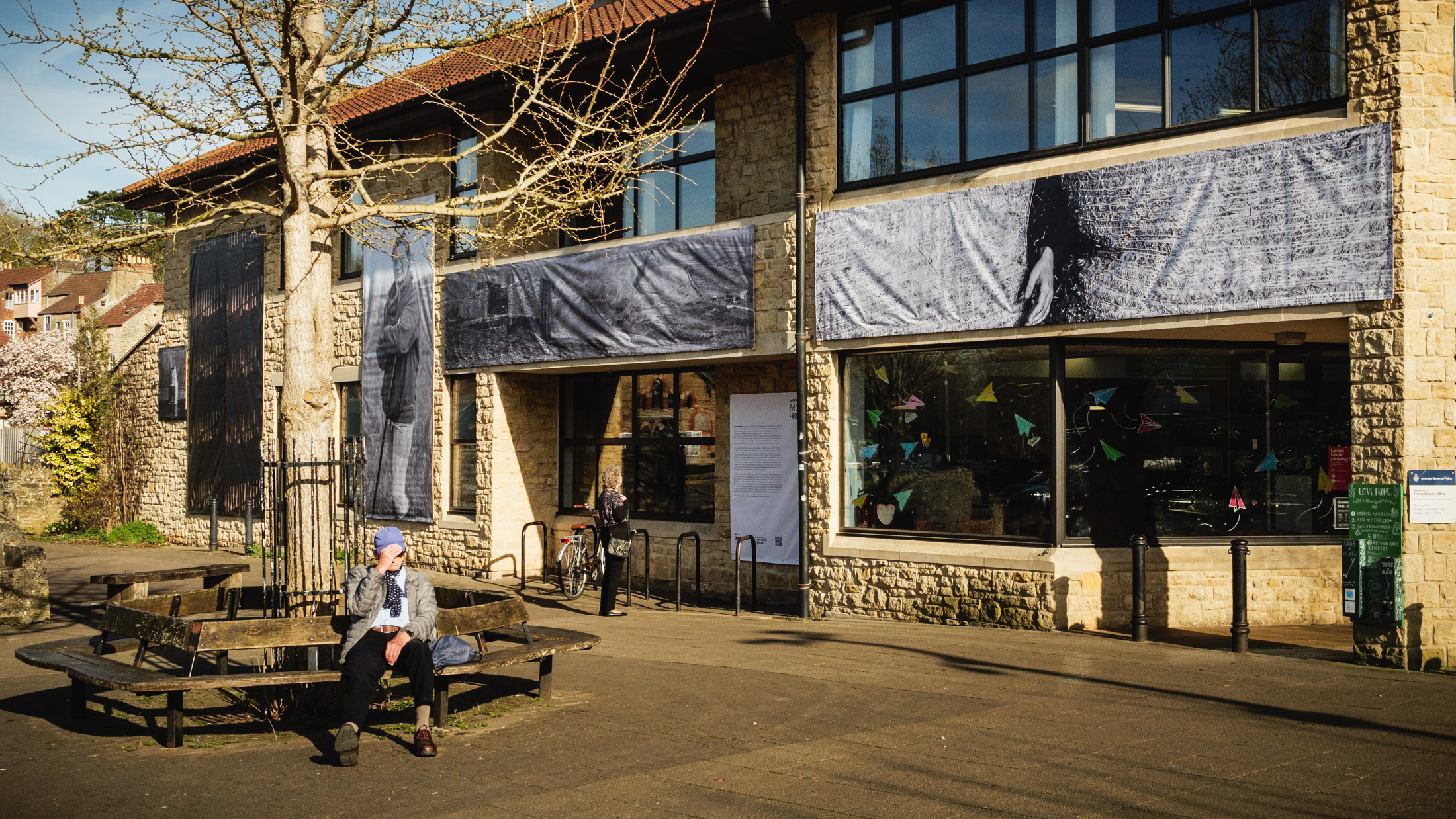
And so on Monday of this week I was back on a scissor lift, helping a great team of volunteers to install massive vinyl prints on the outside of Frome Library. In 2023 this consisted of a collaboration between myself and the photographers of T House, an Italian collective.

This year’s star of this most visible of locations shows a small selection of images from Joanne Coates’ project “The Lie of the Land” which looks at rural life through working class and low-income communities, encompassing issues of gender and heritage and human impact on the landscape.

I haven’t necessarily summed it up very well, so do explore Joanne’s work more thoroughly here.

The wider festival, which runs from 5th – 27 April, promises to be exciting as exciting as ever, with a breadth and depth of exhibitions which will have something for everyone (always an aim of Photo|Frome).

Just returning to the library show for a moment, it’s also worth mentioning that the vinyl posters from 2023’s show have been recycled into bespoke, each-one-unique, handmade tote bags which will be available for sale at this year’s festival. Or if you’re interested in owning one, drop me a line via tim@timgander.co.uk. They are very limited edition (I believe just over 60 were made before we ran out of material), so don’t hang about!

Finally, just to say that if you are planning on visiting Photo|Frome, drop me a line so we can meet up if time allows. Either way, enjoy your visit!

Thank you to Photo|Frome’s sponsors:

MPB is Photo|Frome’s Official Sponsor, the largest global platform to buy, sell and trade used photo and video gear.

Arts Council England Photo|Frome is supported using public funding by the National lottery through Arts Council England.

Frome Town Council is Photo|Frome’s Local partner.

So long 2024

It’s that time of year again when I kick of a blog post with the line “It’s that time of year again.” Maybe I should find a new intro! Maybe next year…

So here’s a bit of a whistle-stop photographic round-up of my last 12 months. These aren’t all Pulitzer winners, but there’s an image from each month about which I have something I can say. This’ll work best if you expand the first image, then use the ‘Next’ button to navigate through. Enjoy!

And finally of course, just to say a massive thank you to all my clients, collaborators and blog subscribers. I really appreciate your continued custom and support, and I wish you all the very best Christmas and New Year break. See you in 2025!

Tim

From BTS to ECG, MRI to ICB – it’s all happening here!

First of all, apologies for the extended radio silence, I’ve been having an unusually busy time. There are reasons behind this which I will save for another time, another blog post.

Suffice to say, Google might have been disappointed by my lack of posting; my handful of loyal readers on the other hand might have enjoyed the quiet.

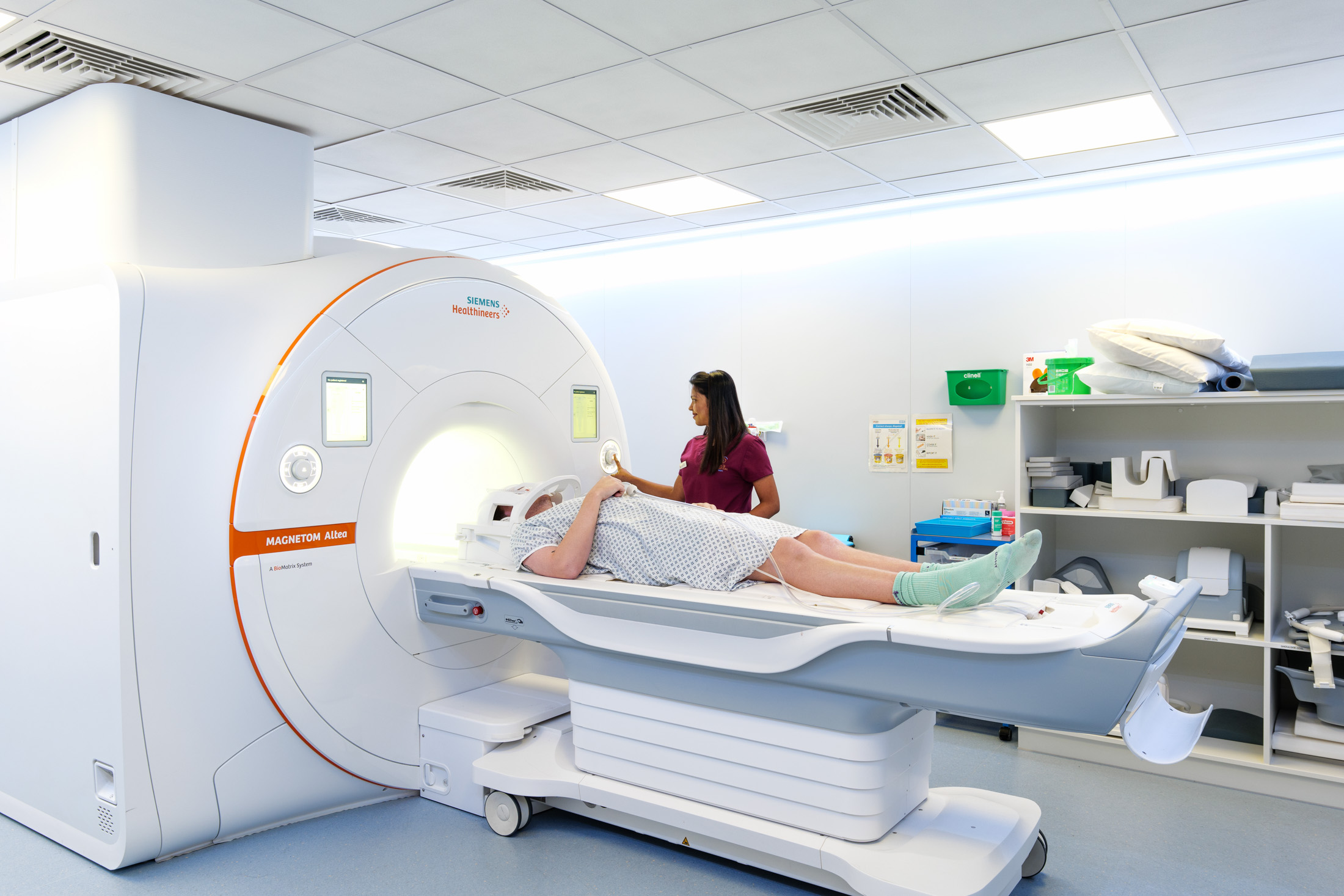
While much of my recent photography work hasn’t lent itself to sharing, there is one completed project worth a mention: a series of images taken around the local(ish) area of newly-installed Community Diagnostics Centres. This is work I’ve undertaken for NHS Bath and North East Somerset, Swindon and Wiltshire Integrated Care Board.

The brief was to visit the various hospitals and health centres in Bath, Salisbury and Swindon where new diagnostics facilities have been set up so patients don’t have to travel so far for MRI scans, respiratory tests, CT scans and the like. It’s a multimillion pound investment making testing facilities more accessible to a greater number of people.

What is always rather fun these days is when I’m asked if a few Behind The Scenes (BTS) photos are ok. This usually involves me being photographed while I’m setting up and taking pictures.

I’m fine with this as it helps the client with their social media, and most are happy to give me a mention too.

This set includes the BTS photo followed by the shot I was setting up, and a couple of further images taken during my visit to the rather swanky Sulis Hospital in Peasedown St John near Bath.


A Qualified Opinion

Final grades certificate in photo-journalism for Tim Gander. Issued by the National Council for the Training of Journalists.

Not bad grades, and I did pretty well on a local evening paper.

This is a blast from the past – my certificate in photo-journalism, awarded by the National Council for the Training of Journalists in 1992. It was amongst a stash of old school reports hoarded by my mum.

I don’t want to sound like an old man reminiscing, but this dates from an era when photographers were trained to take pictures for news. This no longer happens, and sadly reporters with iPhones are a poor substitute.

The course at Stradbroke College in Sheffield was, for a few decades, the only formal route into news photography in this country. You either took the one-year pre-entry course (as I did), or you could get a traineeship on a paper who would then send you on block release to cover the course over a period of a couple of years (I’m a bit sketchy on this as it was a long time ago!)

Having completed my full year, this certificate graded me on my progress at that stage. I then had to find a job with a paper (in my case, The Portsmouth News) and be indentured for two years before taking final exams, submitting a final project and qualifying as a senior photographer. Of course I passed with a Distinction, as you would expect.

But why is it a problem that this structure no longer exists? People consume news very differently today, so this training malarkey is old-hat and obsolete. Plus taking photos is so much easier; who needs training?

The issue arises because since newspapers have devalued their product to the point where most local papers consist of nothing more than a mixture of phone snaps, Google Streetview screen grabs or images lifted from Twitter, photographers no longer play the role they once did, that of first witnesses and documenters of breaking stories. We simply don’t have that anymore, at least not in the traditional titles.

We were also trained to cover events, even incidents, with professionalism and with a good grasp of press ethics and the law. In fact understanding the law as it related to our work was often useful in situations where those in authority (*ahem* the police) would try to obstruct our work. Today, many reporters and certainly members of the public don’t have the knowledge required to be effective image gatherers.

The cutting back of photo departments, which really got going in the early 2000s, also disposed of an incredibly valuable asset. While reporters were already being increasingly tied to their desks, writing stories almost entirely over the phone and without leaving the office, photographers were the main point of contact between the readers and their paper.

This wasn’t always an entirely comfortable role for photographers, but it had a value which is now lost for good.

It’s good to see the emergence of community newspapers now, such as The Bristol Cable, which work on a different business model to traditional newspapers, however they still haven’t fully embraced the power of photography, largely relying instead on their staff journalists or, at a stretch, casual freelancers. This is a shame because a publication will struggle to find its look and voice if there is no consistent style to its visuals. It also means there’s still no consistent contact between readers and editorial staff.

Of course I understand the issue of cost vs benefit, and most of these new news initiatives just don’t have the budget for properly-trained photographers, so they’re stuck with this new paradigm. They can’t cover stories consistently and in depth, so they fall short of the engagement they need to grow. For as long as they can’t grow readerships, they can’t invest in photography.

So while this certificate might be a flimsy document harking back to a time when the news industry was very different, it’s also a reminder that an entire industry, underpinned by structured training, has suffered a pretty mortal blow. I would love to see a new ‘traditional media’ emerge where photographers have regular patches and disciplines to cover (eg news, sports and features), and as platforms such a Twitter seem to be losing ground, maybe the time will come when people return to trusted, curated, edited and regulated sources for news.

There is hope yet! And then perhaps I can present my certificate and get a job on an evening newspaper.

Going for G-old

Have you been watching the Paris Olympics? Like most big events that I’d like to see (Wimbledon being the annual classic), I usually miss the whole shebang.

This year though, I’ve managed to carve out a little time to catch a bit of the cycling and swimming – the two areas of sport I’m most interested in.

In particular with the swimming, I’ve been trying to pick up some clues for improving my personal performance in the pool. Well, let’s say that’s a work in progress. Most of the athletes have a 40-year advantage on me. Plus they swim every day (for several hours) and spend hours in the gym when they’re not in the pool. I mean really, it’s cheating!

Of course their performances are also enhanced by things like, I dunno, raw talent. They’re coached in techniques to the nth degree, drilled until they want to cry and many have been swimming since early childhood.

Contrast this with my “swimming career”; I left school with only a basic breast stroke, and no real drive to improve even that. As for front crawl (for the Americans reading this, that’s freestyle), until a few months ago, I couldn’t even get off the side of the pool. I was, in short, a drowning windmill.

However since rediscovering the joy of swimming while on holiday last year, I’ve signed up to regular sessions at my local pool, where my breast stroke has blossomed, and I’ve taken lessons in front crawl. I can now just about manage 50m without feeling sick, which is a huge step up from where I was around three months ago.

So why am I wanging on about the Olympics and my swimming now? Well of course it’s so I can shamelessly showcase the fact that 16 years ago, I had the honour of photographing double gold medal swimmer Rebecca Adlington (Becky) when she came to the University of Bath in 2008 to help launch the Youth Olympics.

There is a little more to this tale (not much tho) than just wanting to share an archive photo.

Bearing in mind Becky had only just achieved this huge success in the Beijing Olympics that same year, the attention she received would have been a whole new experience and perhaps slightly disconcerting.

As we settled into one of the university’s lecture theatres for a press call, I was just checking my focus and exposure on Becky when she leaned in to the person sitting next to her and said, “I suppose I’ll have to get used to this,” meaning “being photographed”.

As she sat straight again, she looked directly down my camera lens, and I took the shot you see here.

The comment didn’t strike me as anything more than a very matter-of-fact observation of how her life would change; there was nothing hostile in her tone, and she posed patiently and with good humour for more pictures after the sit-down press conference.

Becky’s career beyond the pool has flourished. Clearly, she got “used to this” a long while ago. I doubt she remembers that moment or her comment back in 2008, but for some reason it always stuck with me. Perhaps because I care how someone feels in front of my camera, even if I’m just doing my job.

On that day, we were both there to do a job. I’m still a photographer, Becky is still in the media spotlight and seeing her presenting from Paris 2024 alongside Clare Balding and Mark Foster reminded me of this one moment.

In the meantime, I’m going to continue with my own swimming career, though I’m not expecting to slip into professional swimming any time soon. That ship might have sailed unless there’s a VERY senior league out there?


Awards, Ceremonies and Celebrations

Under normal circumstances, I wouldn’t leave my blog unattended for almost two months, but things haven’t been quite normal lately.

A busy work schedule and personal circumstances (he said, cryptically) have conspired to keep me from posting, so this is a round-up of recent work.

Looking back, that work has involved a fair number of award ceremonies, certificate presentations and celebrations of all sorts. From fairly low-key and intimate events to grand occasions, I’ve applied my photographic approach to them all. That is to say, I work to capture the general tone of an event alongside the smaller moments, as well as the presentations themselves.

Photographing events for my clients is always a huge amount of fun. People tend to be relaxed and generally accepting of a photographer there to capture the occasion. It’s their moment, and they’re happy to have it recorded.

For clients, they need my pictures to tell the story and to give them a range of pictures for use across social media channels, press releases, websites and brochures. So this work engages multiple of areas of the brain; I’m thinking about telling the story of the event, making pictures the attendees will enjoy, ensuring the client has images for immediate PR communication, and for the longer term, images which can stand the test of time. Some of the photos will need to be used to promote a recurring event for years to come, so they need to be of a quality that endures.

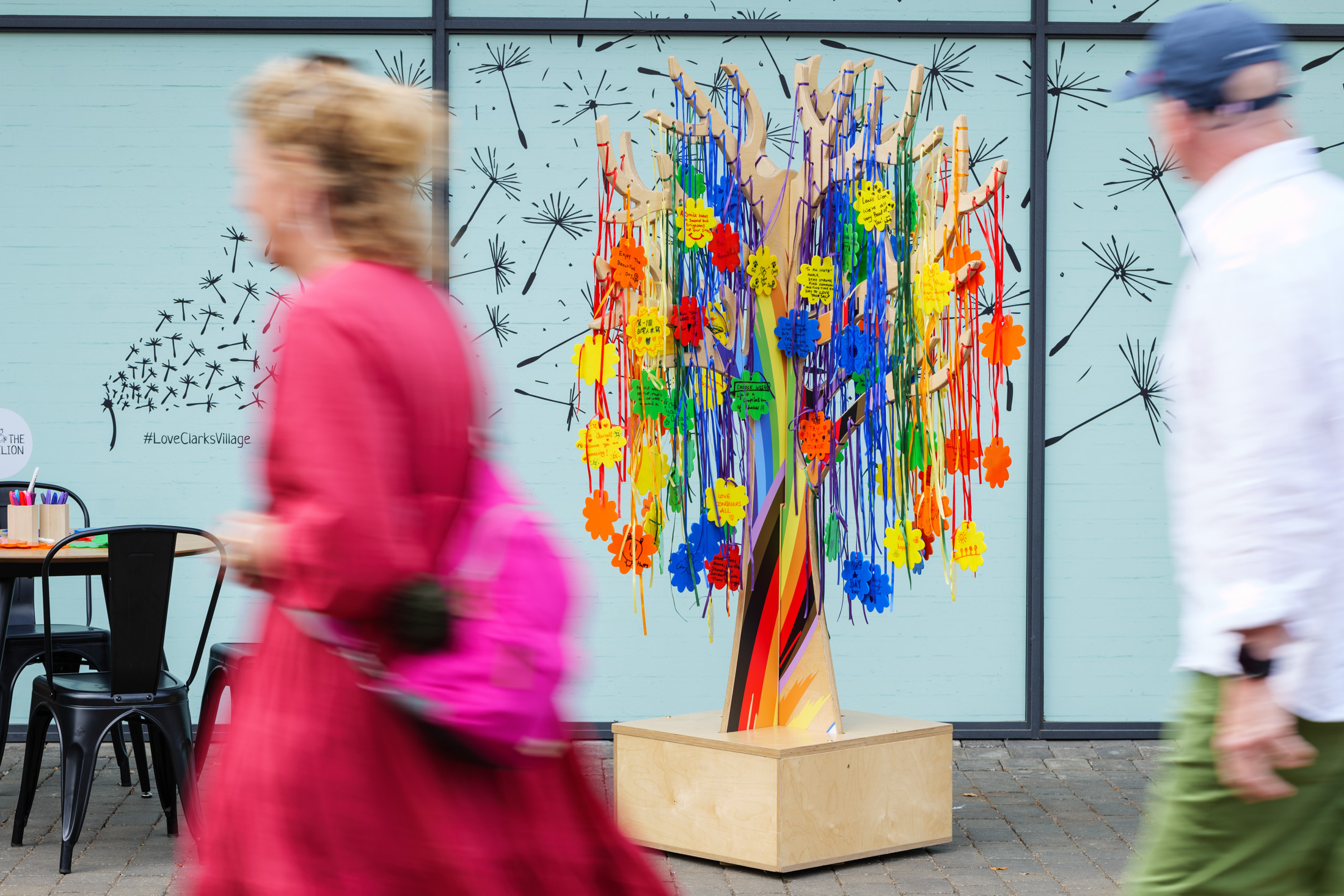
The gallery is just a handful of recent events I’ve covered, mostly for University of Bath (their events just seem to offer the best photographic opportunities!), but also for Clarks Village in Street who hosted a PRIDE tree where people could post positive sentiments on LGBTQIA+ rights, or just say or draw something up-lifting. That was a riot of colour!

I’ve got more events coming up later this year, so if your organisation is planning a celebratory event in the coming months, drop me a line or call 07703 124412 and I’ll be delighted to help.

Culture Crush

Since the dawn of mass-market photography, camera manufacturers have held out the promise that if you just buy their latest and greatest camera gear, you will be able to take the same pictures as a professional.

This narrative got ramped up with the birth of digital, which allowed you to see, review and (if necessary) retake a photo without having to wait for your film to be developed.

Camera adverts now routinely proclaim the ability to take your photography to “the next level” or capture incredible detail with greater ease than ever before; it turns out that the previous camera they launched with exactly the same claim was a pile of junk – get rid of it and buy this new one instead! 18 months later, they’ll have superseded the camera you never quite got to grips with, with something they claim takes your photography to the next level. And so it goes on.

Perhaps what is most disappointing is when camera manufacturers try to claim that if only you owned their latest model, you could do the work of a professional. It sends out the message that it’s the gear, not the human behind it, that creates work with purpose or impact. Which is odd, because I have cameras which I only use once every few months, yet all the time they sit on the shelf, they never produce a damn thing. I’ve checked and it hasn’t happened yet.

This sales tactic feeds a nascent belief that professional photographers are not really needed, which in turn makes us look over-priced. Clients then decide that perhaps they’ll have a go themselves (usually with risible results), or they try to hammer their budgets down to almost nothing, because why pay someone if it’s the camera that’s doing all the work?

Until now, these manufacturers have been relatively subtle in this messaging, but hats off to Apple and Adobe for taking this narrative to an entirely new level. In their adverts and promotional posts, they’re basically telling us that creative professionals are an obstacle to creativity.

Apple’s “crush the creative” ad for the iPad was eye-popping on multiple levels, but it’s earned a well-deserved backlash from the creative community. What Apple wants us (you) to believe is that all creative arts and creativity and humanity can be crushed into a 5.1mm thick slab of aluminium. Just think what YOU could do with this – no pesky creative individuals with their annoying invoices necessary.

Adobe, meanwhile, is exhorting people to “skip the photoshoot” as they (Adobe) push their generative AI image making tool to a wider market. So the photographers (designers, illustrators too) who have doggedly supported Adobe for the past 25 years or more are now thrown under the bus of so-called progress.

Perhaps what is even more galling here is that Adobe’s image-generation tool has been trained on the work of photographers who have paid to use Adobe’s products. This isn’t payback for a service we’ve used for free all these years, this is a kick in the nuts.

Ai is obviously not going away, but corporations need to be careful which direction they push it in. There’s a genuine risk that creatives will simply start creating less. The bottom line of the bottom line is that if creatives can find no reward for their work, they’ll stop creating the work. That’s when culture starts to whither at everyones’ expense, though mostly at the expense of those not rich enough to insulate themselves from this onslaught.

It’s easy (actually it’s lazy) to say “that’s progress, get with it or be left behind” except it isn’t progress. It is simply large corporations not having a clue how real creativity works, what it needs to thrive and above all, why real, tangible, physical, sometimes messy culture is so important to the wellbeing of individuals and society and yes, the economy.

By all means embrace the crushing and sidelining of creative endeavour, but don’t complain when life ends up feeling a bit shitter as a result.