Back to the Future

While Marty McFly’s time-traveling DeLorean might still be a thing of science fiction, there’s still plenty of scope for Doc Brown-style WOWs! at IAAPS, including a gull-winged test car. This time though, it’s a BMW. Probably somewhat more reliable than a DeLorean, albeit lacking a flux capacitor.

Instead of Doc or Marty though, it was the turn of Helen Godwin, West of England Mayor, to be wowed by the work going on at the propulsion systems research centre near Bristol.

No Need for Roads

The purpose of Helen’s trip was to discover more about how IAAPS and University of Bath work to connect research with industry, creating real-world benefit from what could otherwise be siloed into pure academic study. Also to then explore how this work can be used to help promote the region to the wider country and indeed the world.

My humble task, as I have done on previous occasions, was to document the visit and generate media-ready images to help get IAAPS’ and the Mayor’s message out there.

With this kind of event it isn’t always easy to encapsulate the entire message into a single image, or even a handful of them, but it’s also not good enough to just hang around with a camera and hope something presents itself.

So my strategy on this kind of job is to be the fly on the wall, but with an eye for an opportunity to step in and arrange (with the lightest possible touch) a picture which looks natural, includes key people while also helping to tell the story.

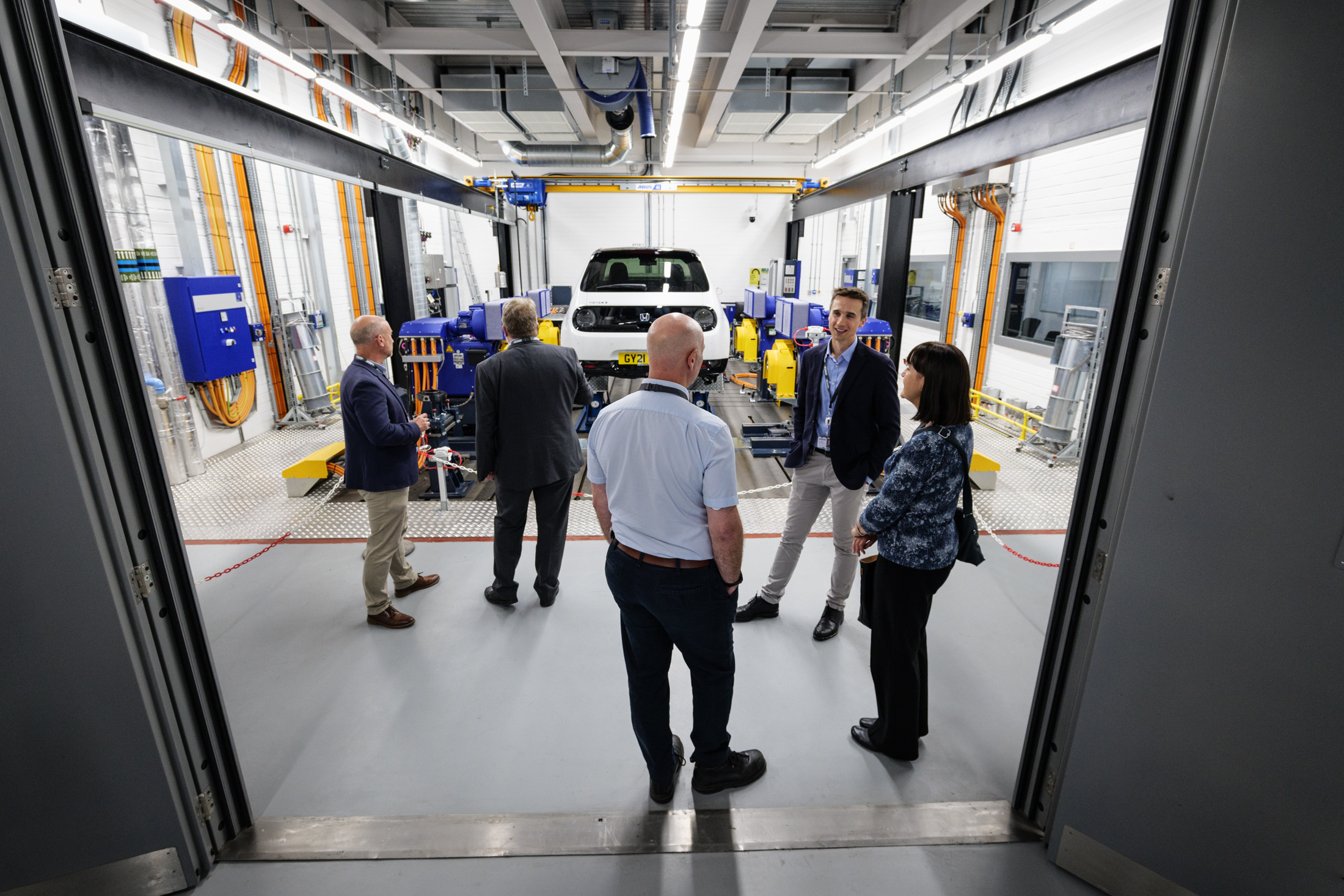
Of course moments such as when Helen was in the driving simulator always make for a good photo, but it’s in the test cells that the story becomes somewhat clearer, visually at least.

Back to the Future, or Back of the Heads?

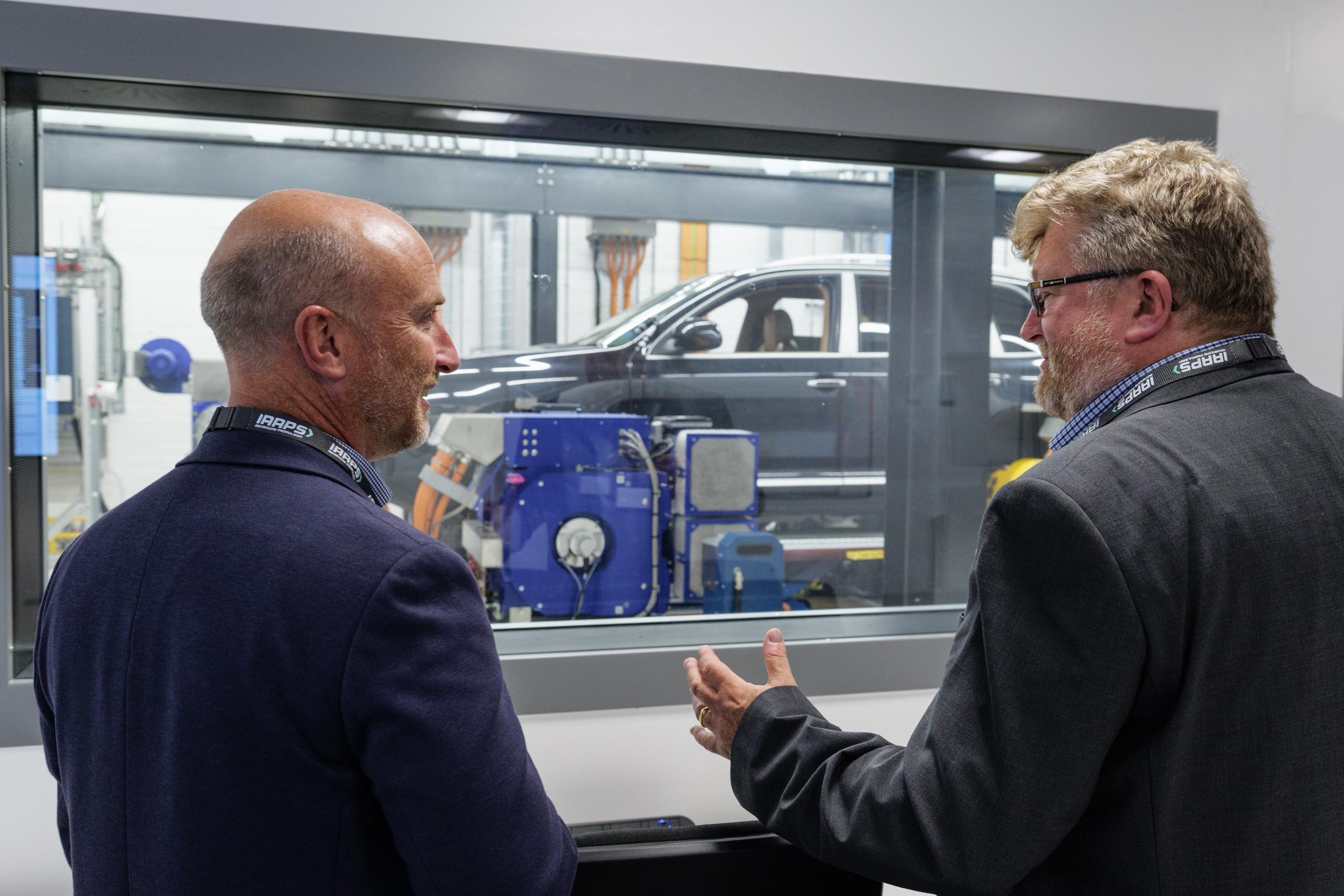
The only problem with taking photos of people looking at things is that you either end up with photos showing the the they’re looking at (but you just get the backs of heads of the on-lookers), or you see the people doing the looking, but now you can’t see what it is they’re looking at.

On this occasion I stepped in and asked that for a few moments at least, they discuss the car and the test cell, while pretending there was something more interesting than an observation window behind me. With the cell and test vehicle behind them, I could get a photo that made it look as though they were engaged in lively discussion, I could see their faces and gesticulations, but also that sense of what it was they were talking about because the background is part of the illustration.

Beware the Brand Hammer™

There was also a handy bit of branding in there too (note the number plate), but the branding is there without being ‘in your face’. Too often PRs will insist on plastering their client’s branding all over a photo, but this often dilutes the impact, and a picture without impact will be ignored. So beware the Brand Hammer™!

All of this is to say that with an event such as a VIP visit, it’s worth thinking ahead about how key images might be engineered to happen. Of course you can’t always plan things to the smallest detail, and sometimes I’ll need to step in and gently guide people to make a more complete picture, but having a key moment or two when the proceedings can be paused and adjusted to make more compelling images is never a bad thing.

It’s always a balance between micro-managing and under-planning, but if in either case the pictures don’t happen, you can’t get into your DeLorean to zoom back and do the job again. Even IAAPS aren’t working on that!
 

Two Cameras, Two Brains, One Photographer

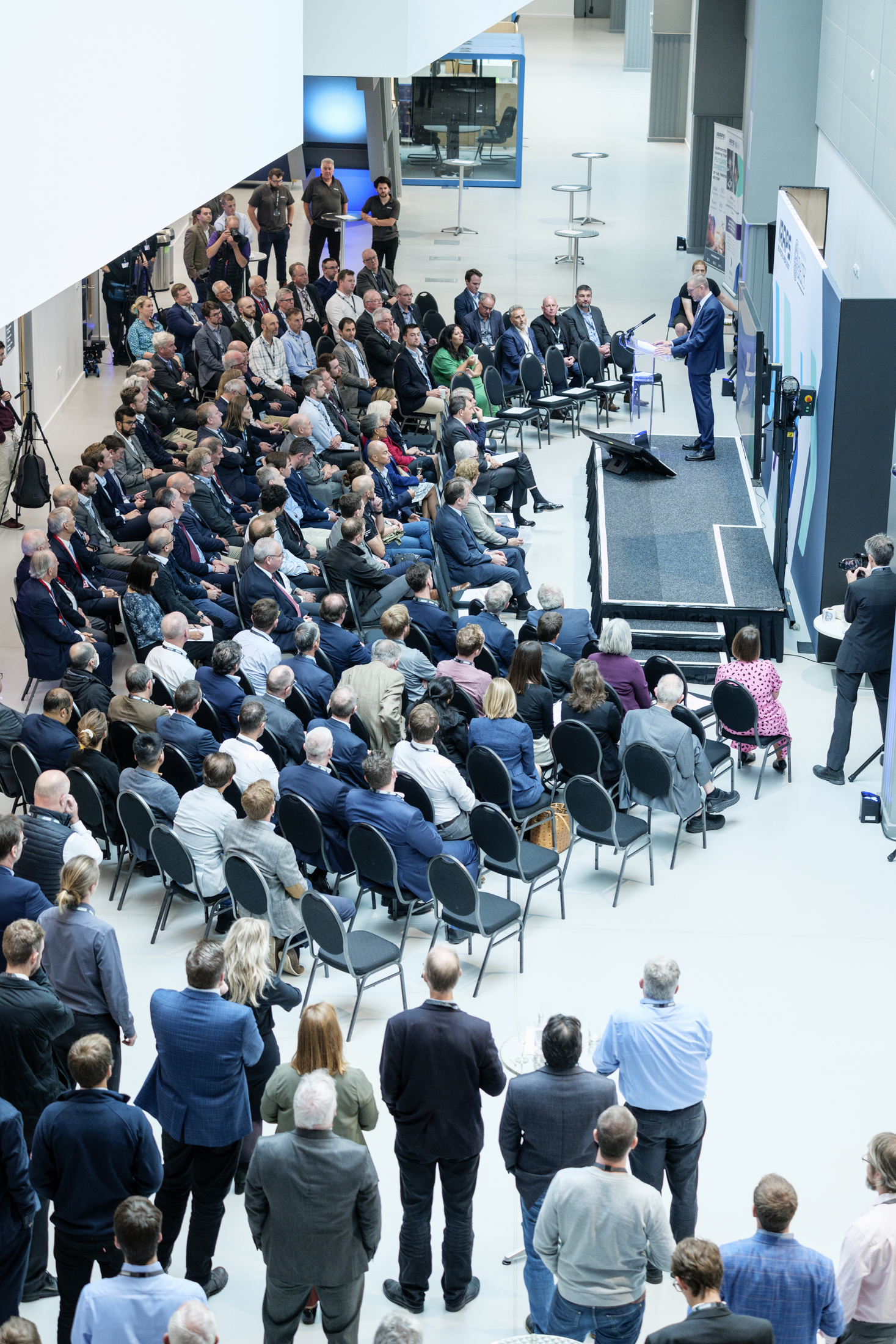
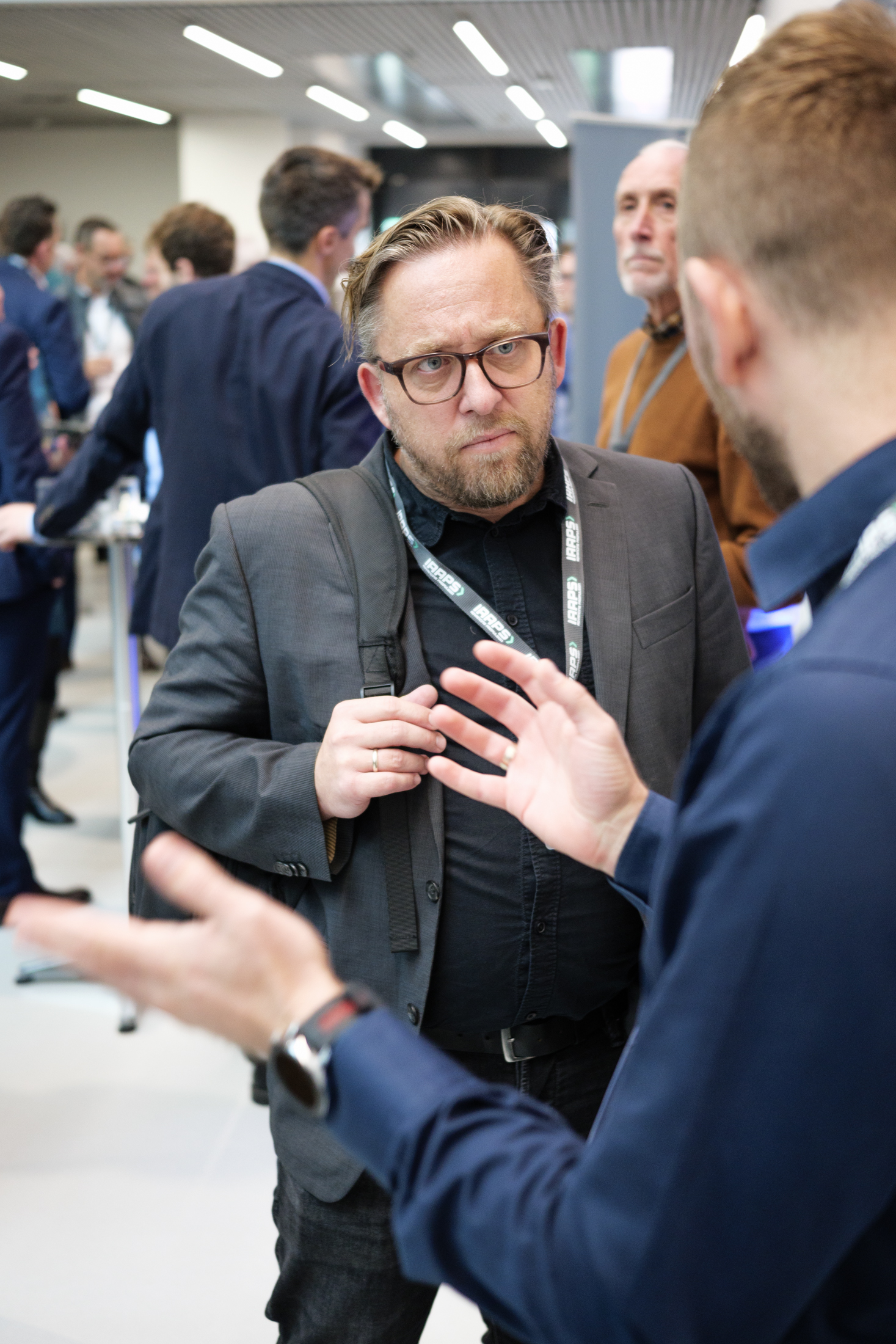
Following on from my previous post focusing on my work with advanced propulsion R&I centre IAAPS (IAAPS for short) near Bristol, this week’s post centres on the official launch held in September last year.

However, rather than talk specifically about the opening itself, I’m going to use this as a case study to delve into the logistics and thought processes employed when covering an event like this.

This area of photography uses a different part of the brain from industrial work, which is very measured, precise and considered compared to the fly-on-the-wall, reactive style required for an official opening, especially one on the scale of the IAAPS launch.

The truth is, I enjoy both. Industrial photography is a chance to slow down, be methodical and produce images with a bit more finesse, while the launch event gets my editorial brain whirring. I’m having to react to emerging scenarios as I work my way through the brief and the events as they unfold.

Each aspect of an event like this requires a subtly different approach; choices around composition, timing, reading the light, lens selection – at times I’m making multiple decisions all at once. In these situations it helps to have both cameras on my shoulders; one for wide shots, and the other for long shots, which saves a lot of lens swapping.

And yet I have to remain calm and composed because no one needs a stressed photographer in the room.

Keeping a level of control starts with having a properly constructed brief in advance of the event, something IAAPS’ head of marketing communications is good at.

Armed with a solid brief, I can keep an eye on the timings of various key moments as well as check off the pictures I’ve achieved. Having a list I can work through methodically means I can keep the scale of the task in context. I can also look for additional off-brief pictures.

Reacting to changing moments and requirements is where the stress can creep in once again, but knowing how to pace a job and when to tie up an element of coverage is a skill in self-management.

For example, it’s easy to get bogged down in trying to capture absolutely everyone as they gather and chat. These make for good “flavour of the day” pictures, but not every attendee needs to be recorded. These pictures have their uses, but at some point, I have to gauge when opening speeches are about to start.

For this, I have one eye on the schedule, and one on the key speakers. Their behaviour changes as they realise they’re about to step up to the podium, and that’s my cue to ensure I have the right kit and settings already sorted.

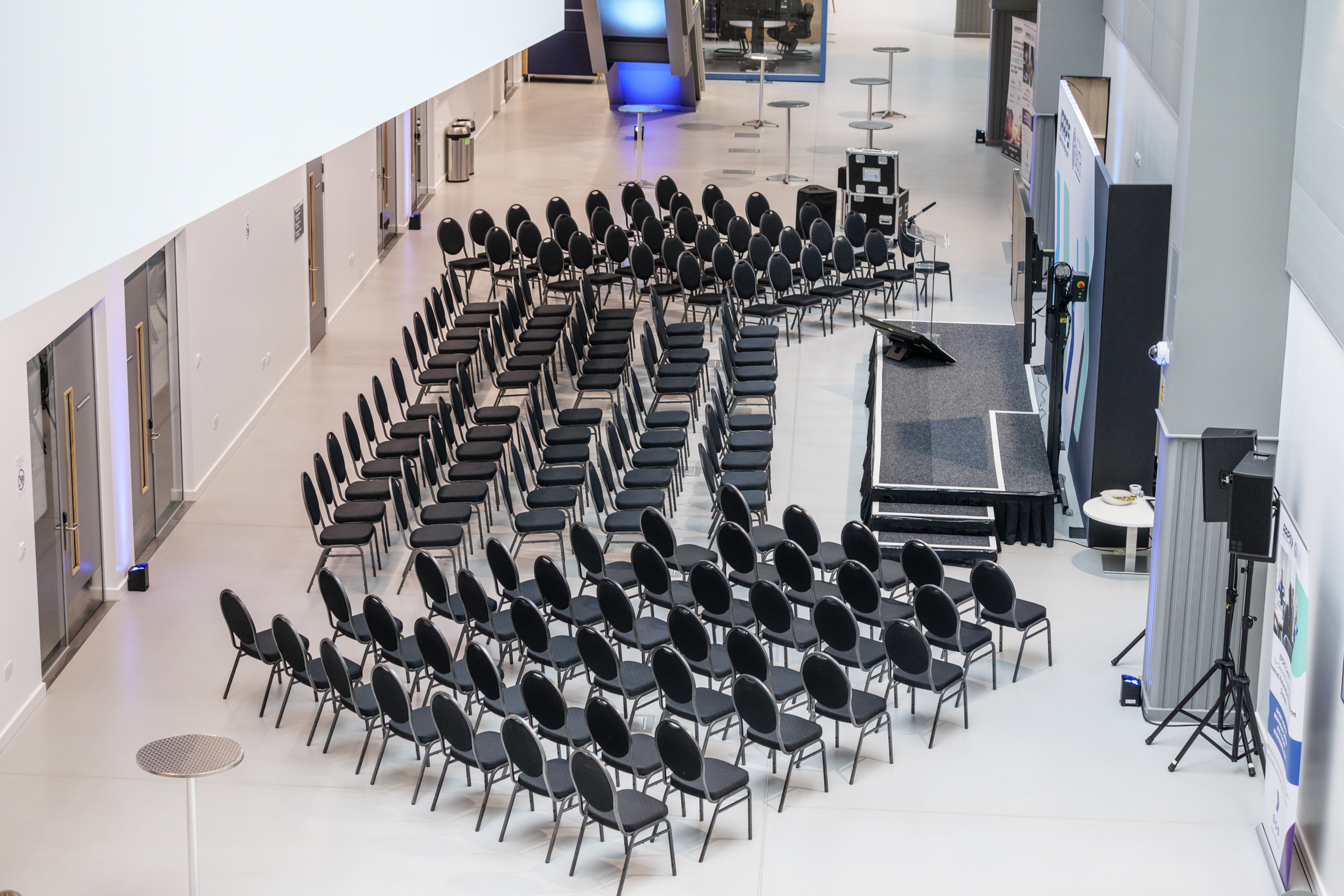
Of course, I will have arrived ahead of the event to check out things like the light levels on the stage or the positioning of the podium, but these can change at the last minute, so it’s good to do a final check before speeches and presentations kick-off. Ideally, I’m in position before the speaker steps up onto the stage.

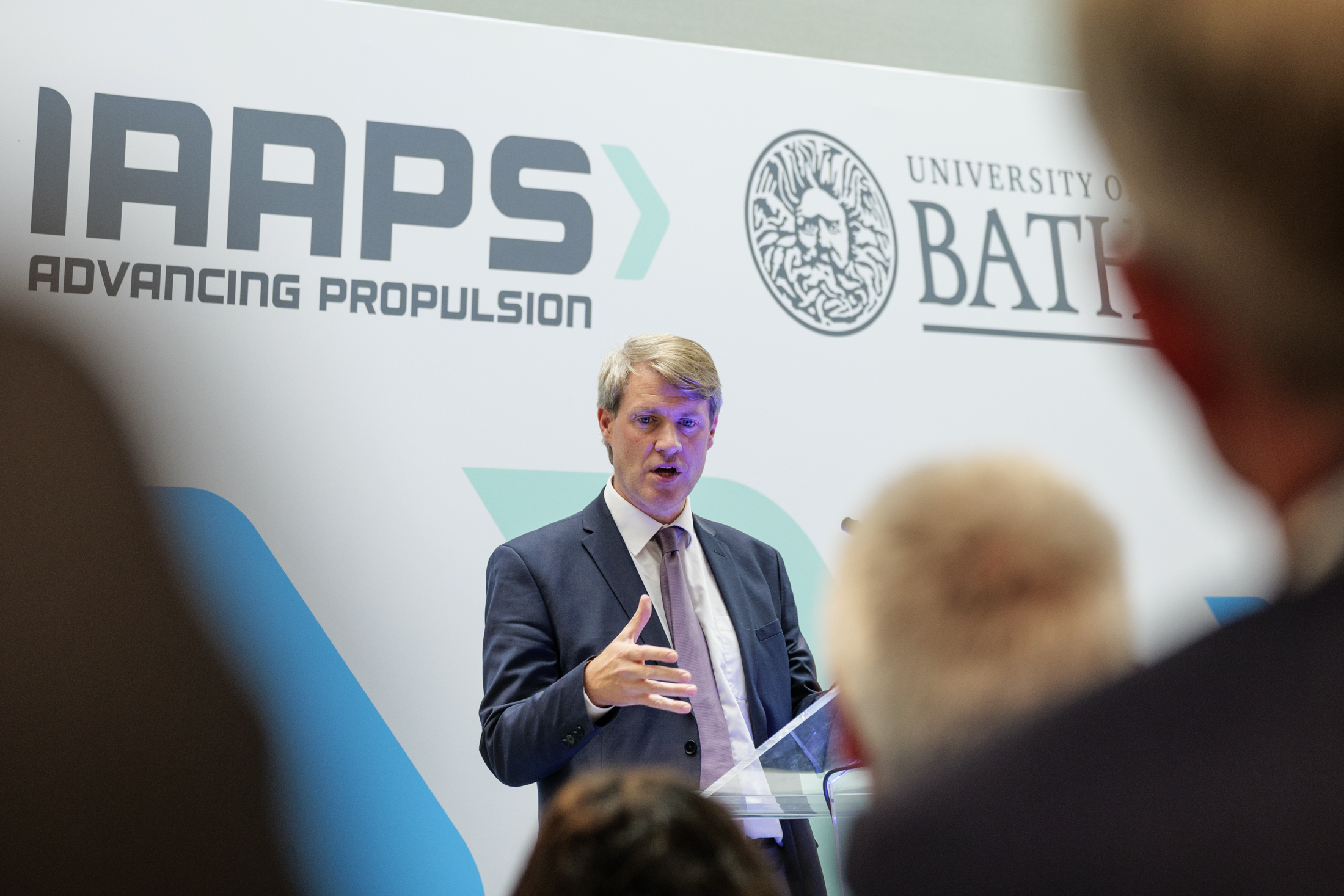
For speeches, I’m looking to capture the speakers with their heads up, eyes open and preferably making some kind of hand gesture. It’s also important to capture a variety of shots with design space around the subject, as well as a choice of upright and landscape orientations.

All this is to ensure that when the images are put out to press release, there’s something to fit the space on the page. If they’re used in corporate communications, either online or in print, that design space might be handy for a text box or graphic element.

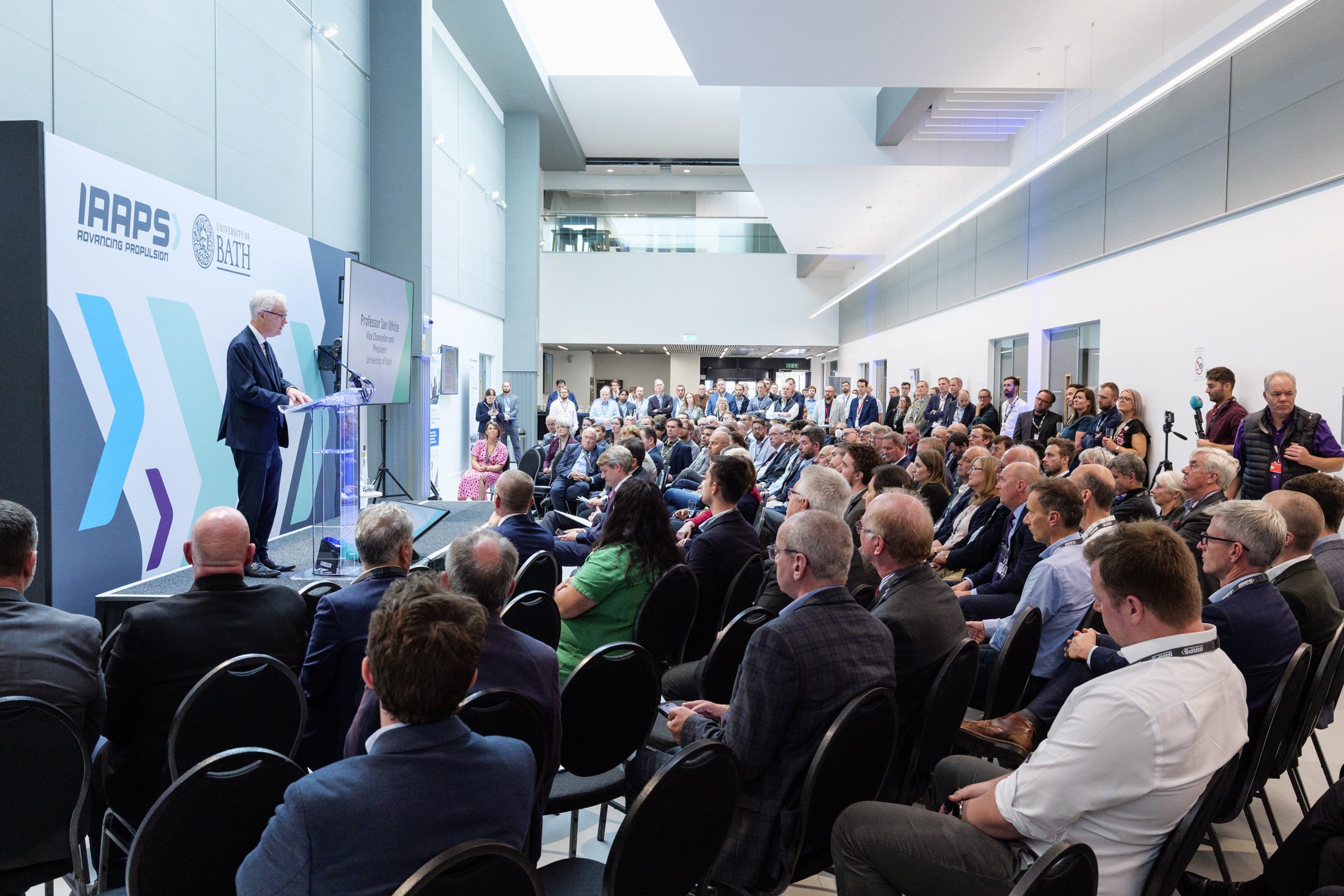
Simultaneously, I’ll be looking for interesting and unusual angles, tight shots on the speakers as well as wider views showing the venue and audience.

If a speech is only a few minutes long, I have to make sure I divide the time carefully and prioritise the must-have images over the nice-to-have extras.

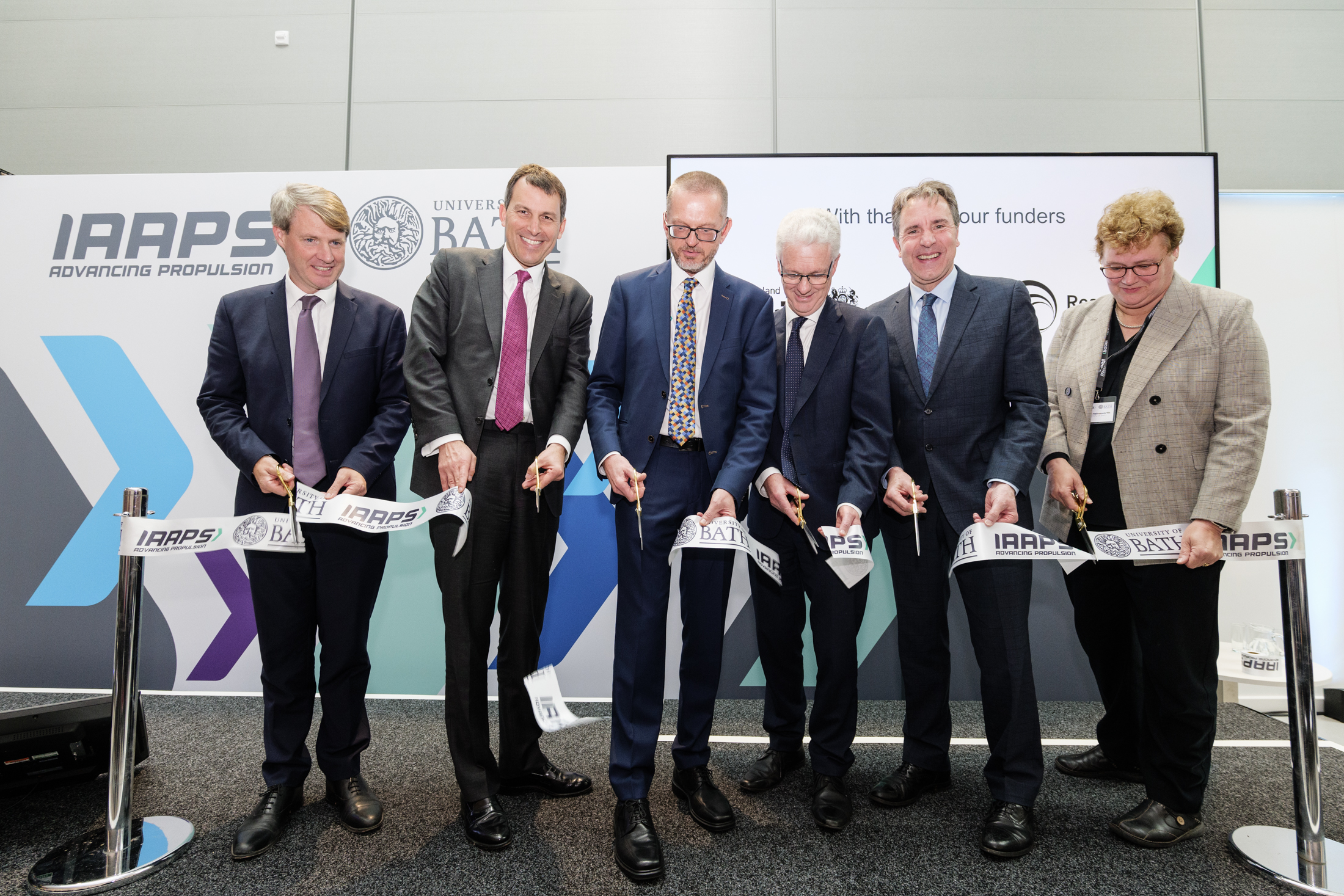
In the case of the IAAPS launch, there was a series of speeches followed by a ribbon-cutting. So I made sure that as the final speech drew to a close, my kit and I were both ready for that moment. This included organising the group, arranging the props and making sure the photographer behind me, who’d brought the wrong lens for the job, could also get a few shots without the back of my head being in the way.

This particular event was a busy one. After the ribbon cutting came tours of the facility for stakeholders and members of the press, so I was back in fly-on-the-wall mode, looking for interactions between visitors and the cells and capturing more images for potential press and industry journal use.

With an event like this, it’s important to pace the coverage. It’s too easy to get into a spin or to phase out and lose concentration. To most people, it might look like ‘just taking pictures of something happening’, but without a considered and measured approach, things can run away from the photographer very quickly. It’s important to take a moment every so often to pause and re-check the brief, the progress and the next stage, all while looking for ways to ensure the resulting pictures have as much impact as possible.

While there were no surprises at the end of this event, I always check in with my lead contact before pulling away. It’s also a good chance to double-check any urgent image requirements as sometimes the client will want a selection for immediate social media use or a press release.

Of course, the end of a job isn’t the end of the job; there’s captioning, editing, filing, supply and a whole load of other tasks around fully completing a job. Perhaps that’s a blog post for another time though. After 951 words, it’s time to take a break.