The Rise (and Downsides) of LEDs

On a ‘lighter’ note from my previous post, this week I wanted to bring up one of the daily scourges of the working photographer; that of LED lighting.

Of course I’m a huge fan of energy-saving devices, and I appreciate the part LED lighting plays in this (though I do have some questions around that – perhaps best saved for another day), but they can cause issues for photographers.

What most people don’t realise is that LEDs are not constant lights in the way halogen lamps are/were. LEDs have a frequency, that is to say they pulse on and off. For the most part the human eye cannot detect this, but cameras, because of the way they work, can.

Each frame is 1/800th of a second, but slowed down here so you can see the changes more easily.

The Invisible Flicker

If you look at the video above, it shows a sequence of images taken at high speed over the course of a few seconds. This is not a light being dimmed up and down, it’s the LED effect. The camera settings haven’t changed from one frame to the next, but you can see how the light dims on a cycle. You wouldn’t see this when you look at the light, but the camera’s sensor is recording the variable output of this light source.

What you’ll also notice is that the ‘bulb’ isn’t changing all at once. That’s because these LED bulbs consist of clusters of LEDs, each with their own frequency. If they’re not in sync with each other you get this wave effect of light brightening and dimming.

The issue this can cause to photographers is seen as banding in images (see image below) where horizontal strips of the image are darker than the rest of the picture. It looks horrible and can’t be corrected in post-production, at least not easily. The effect in the example here is exacerbated by my use of the electronic shutter function of the camera.*


Note how the banding affects the background wall, the seats and bench in front of the students. It’s less visible in the subjects, even so I rejected it.

LEDs Everywhere

LEDs are now ubiquitous in our everyday lives. They’re in all our workplaces, shops, homes, cars; basically, they light our lives. Better quality LED lamps will cause fewer problems than cheaper ones. However, even expensive LEDs can cause issues, especially if they’re dim-able.

When an LED light is dimmed, it isn’t actually dimmed, so much as its frequency is extended. In other words, the moments when the LED is off are extended. We’re talking microsecond differences here, which is why the human eye doesn’t see more flicker, just a dimmer light.

As of writing this article, I believe there is still only one photo-centric (not video-centric) camera with a sensor design which eliminates this issue completely, and that costs almost £6,000.00 just for the body. Other slightly cheaper cameras use faster processors to try to mitigate the effect, but it’s still an issue to be aware of.

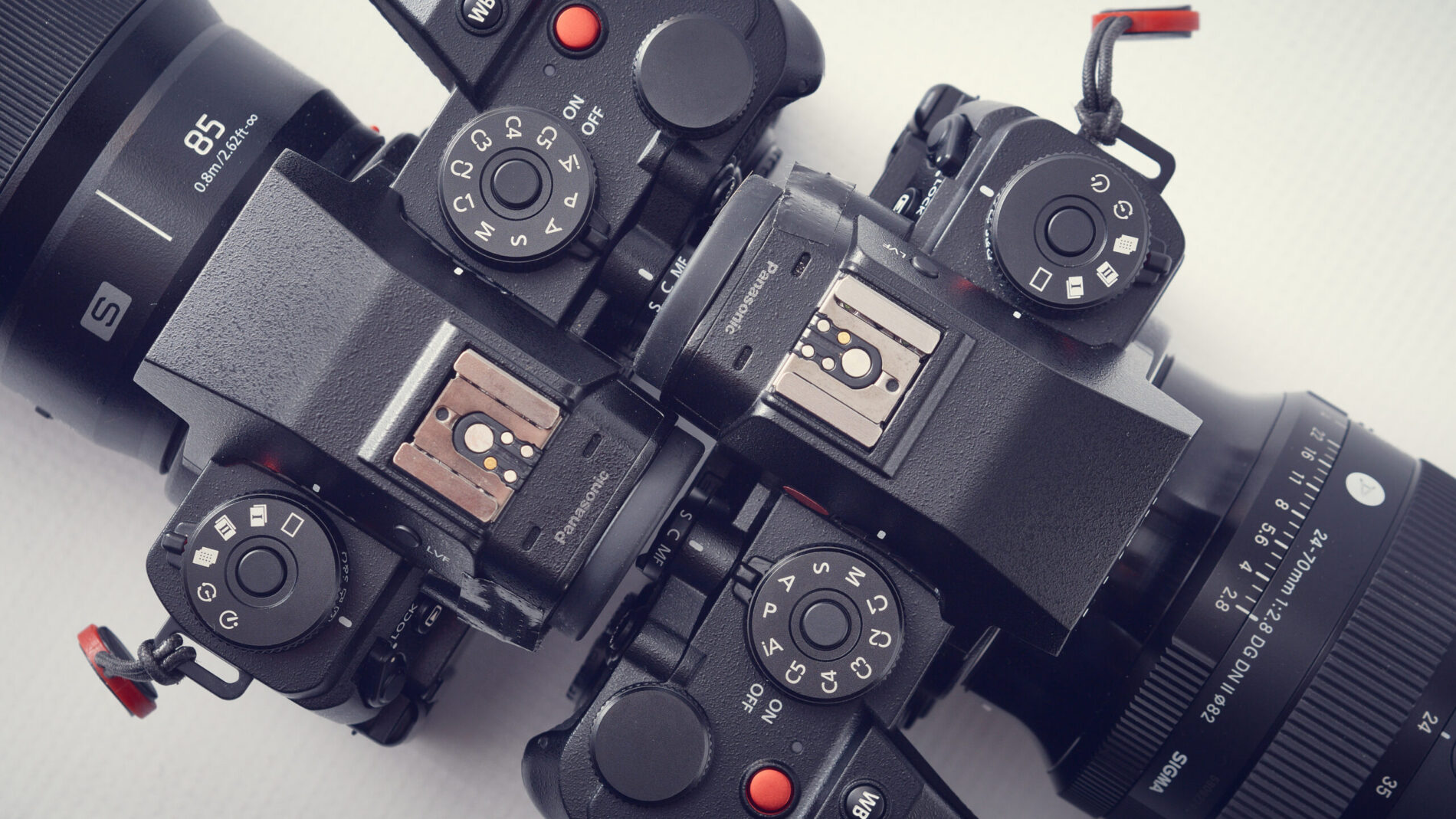
My cameras don’t show banding when I’m using the default Mechanical Shutter mode. In some situations it would be preferable to have the camera operating completely silently (by using the Electronic Shutter setting), but if banding is ruining the photo then there’s no choice but to allow the shutter to click. It’s not exactly loud, but can be noticeable in certain situations.

LEDs Triggering Issues

The flicker of LEDs can have other detrimental effects too. If I’m setting up portable studio lighting for a photo session, I’ll often use a handheld flash meter to set the output (brightness) of my flash units. To do this, I press a button on my flash meter which is then waiting for my flash to fire so it can measure the intensity of the flash. But the flicker of an LED light is often enough to fool the meter into thinking it’s detected the flash, when all it’s detected is the pulse of an LED light.

This can make it incredibly difficult to get an accurate flash meter reading. I can try shielding the flash meter from the LED light source, or I can plug the flash meter into the flash unit and not use the non-cabled setting (apologies if this is getting technical!) Unfortunately, not all modern flash units have a flash cable socket, so this often rules that option out. It’s also not always possible or desirable to switch off all the LED lights in a space to prevent the interference.

There have been occasions where I’ve just had to set the flash output by taking a series of test shots until I’ve got the correct exposure. It’s not ideal, but it gets job done eventually.

Irritation and Mitigation

I say the human eye can’t detect the flicker of LEDs, but that isn’t always true. I used to work in an office which had LED strip lights, and they irritated my vision and fatigued my eyes. Some people are more sensitive than others and you can even buy special glasses to counteract LED lighting.

The trickiest thing about LEDs is you can’t easily predict when they’ll be a problem. I’ll take test shots or look through the electronic viewfinder of my camera, but neither of these is a 100% reliable predictor of when banding will wreck a photo. A different angle, moving from one location to another or someone making changes to the lighting can all have an impact.

Many audio visual engineers have moved to LED stage lighting and this can be brilliant or a disaster depending on their system.

So next time you’re at an event and the photographer’s camera is clicking away, even if you know they have a silent function on their camera, perhaps now you’ll understand why they might not be using it.

Sorry about the length of this article, but I do hope it’s shed some light (see what I did there?) on a mostly invisible issue.

*Electronic shutter setting means the camera is completely silent, however the imaging chip is more prone to recording banding because it exposes the sensor by scanning in lines from top to bottom. The example photo I’ve used was shot at 1/200th of a second which shows just how fast the frequency of the LED cycles is.

2025 in Pictures

I’m rounding up this year with a selection of images, one for each month, which help illustrate what I’ve taken to calling a “textured” year.

Packed with work, swimming, cycling, professional and personal ups and downs, challenges and triumphs 2025 has been pretty interesting in both good and less good ways.

This gallery represents a very small selection of the assignments I’ve undertaken, and while they might not all be “bangers” they do represent a flavour of the work I’ve done and the personal images which interest me.
The majority of my professional photographic work has been with University of Bath, but other clients have also kept me out of mischief.

In the middle of it all my mum passed away in July which, while not entirely unexpected, did add another emotional dimension to the year.


It just remains for me to wish you all the best Christmas possible and every success in 2026. I want to say a personal thank you to all my clients and indeed to the friends who have supported me though this “textured” year. Thank you; I may not always manage to acknowledge your contribution directly, but it is very much appreciated.

When Life Gives You Plums…

The past couple of weeks have been blessedly quiet after what has been a somewhat ‘complex’ period.

A mixture of heavy workload, personal development plans and a bereavement (see previous blog) had left me feeling a little bit broken. No major breakdown, just like I’d been rinsed through and needed to refresh and reset.

However, one of the absolute pleasures of the freelance/work-from-home life is the ability to take a break, step into your garden and pick fruit. Or even just to sit in the garden and ponder the great imponderables.

So it was that yesterday, one of the hottest days of the year, I spent a precious few minutes picking plums in the garden. There is something about fruit picking that I find incredibly mindful. Like my other passion, swimming, I can just immerse myself as I check which fruit are ripe, which need more time and which have gone over and need to be composted.

And when you’re married to someone who enjoys making jam, I mean it just doesn’t get any better than that, does it? In fact we had more plums than jam sugar, so I made compote too.

So this very brief post is to remind you to take those little moments when you can. Simple pleasures bring great rewards. They’re the times when you can recharge your batteries, let your mind freewheel in the background, and maybe come up with some ideas and solutions to problems you thought intractible.
I still have some way to go before I’m on the other side of all the admin which follows a death, but at least I have the ability to recognise when I need to take a pause, and in turn this is allowing me to see the proverbial light at the end of the tunnel.
So whatever fruit life gives you, use it to make something positive. Preferably something you can spread on toast and enjoy with a nice cup of tea.

Another (Almost) Anniversary

Apart from a break for the Covid-19 pandemic, this is an event I’ve photographed for 10 consecutive years!

It’s a bit of an outlier in terms of the work I do, but it’s always interesting and rewarding.

The Event

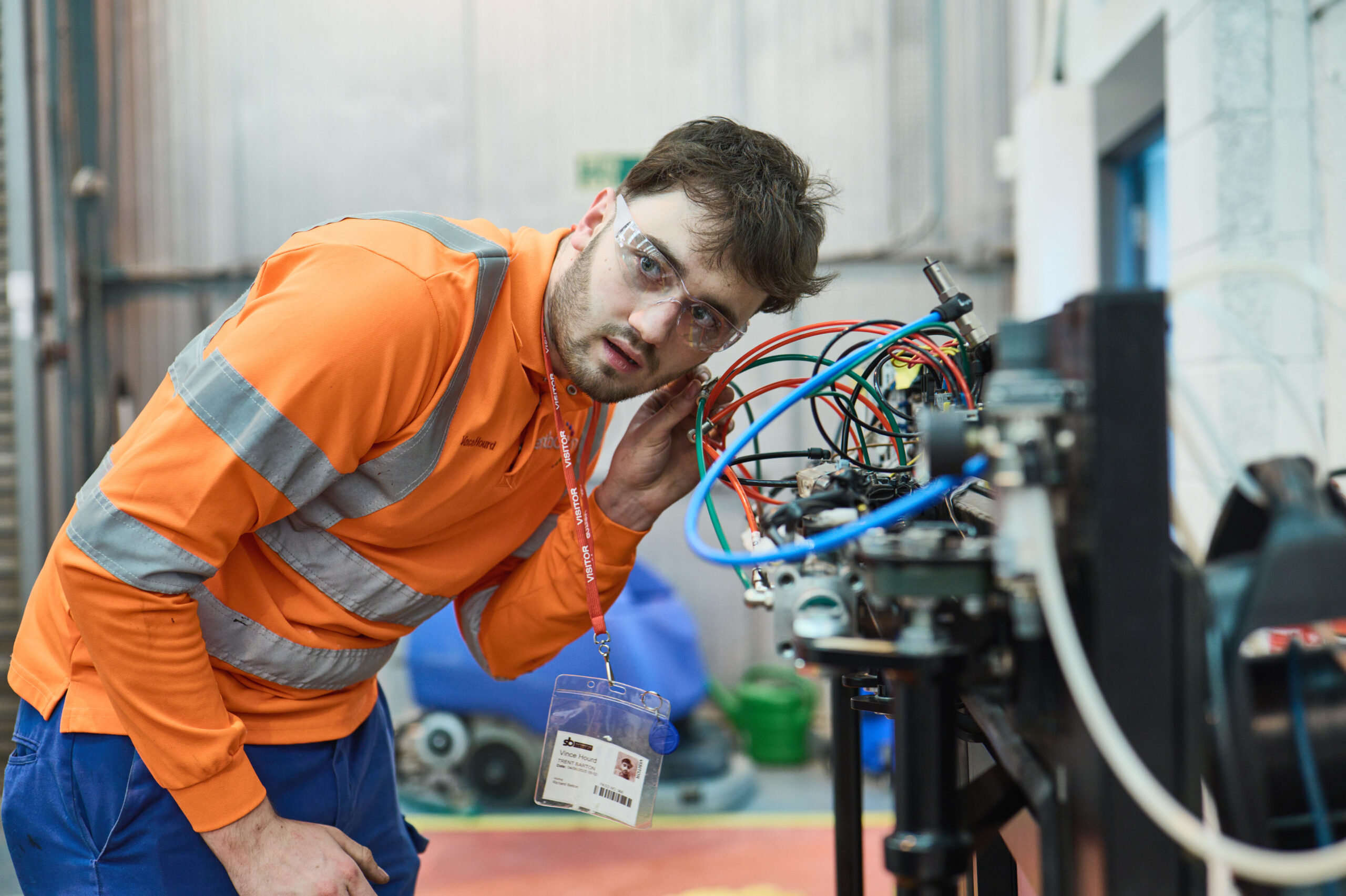
And what is it I hear you ask? Well of course it’s the annual IRTE Bus & Coach Skills Challenge, operated through the Society of Operations Engineers and hosted at S&B Automotive Academy in Bristol.

Yes, that’s all a bit of an eyeful of info, so I’ll attempt explain it more simply. Basically, it’s a chance for bus and coach mechanics (the people who keep our public service vehicles running safely) to test their knowledge and skills and to learn new processes and approaches in a competitive environment.

This year’s skills challenge spanned four days, each with fresh teams arriving at S&B from all over the country, with mechanics and engineers registered to compete in mechanical, electrical and bodywork challenges.

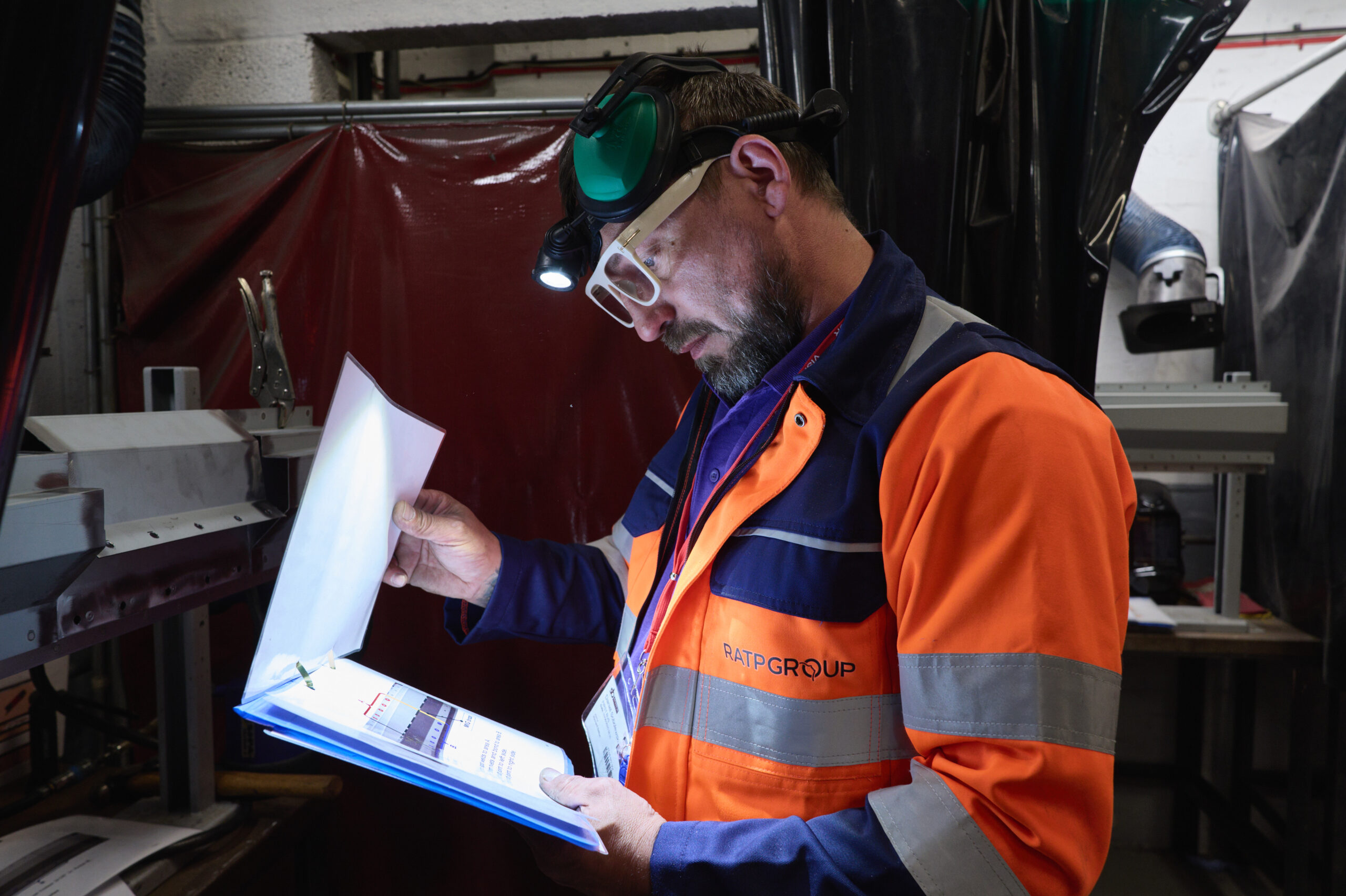
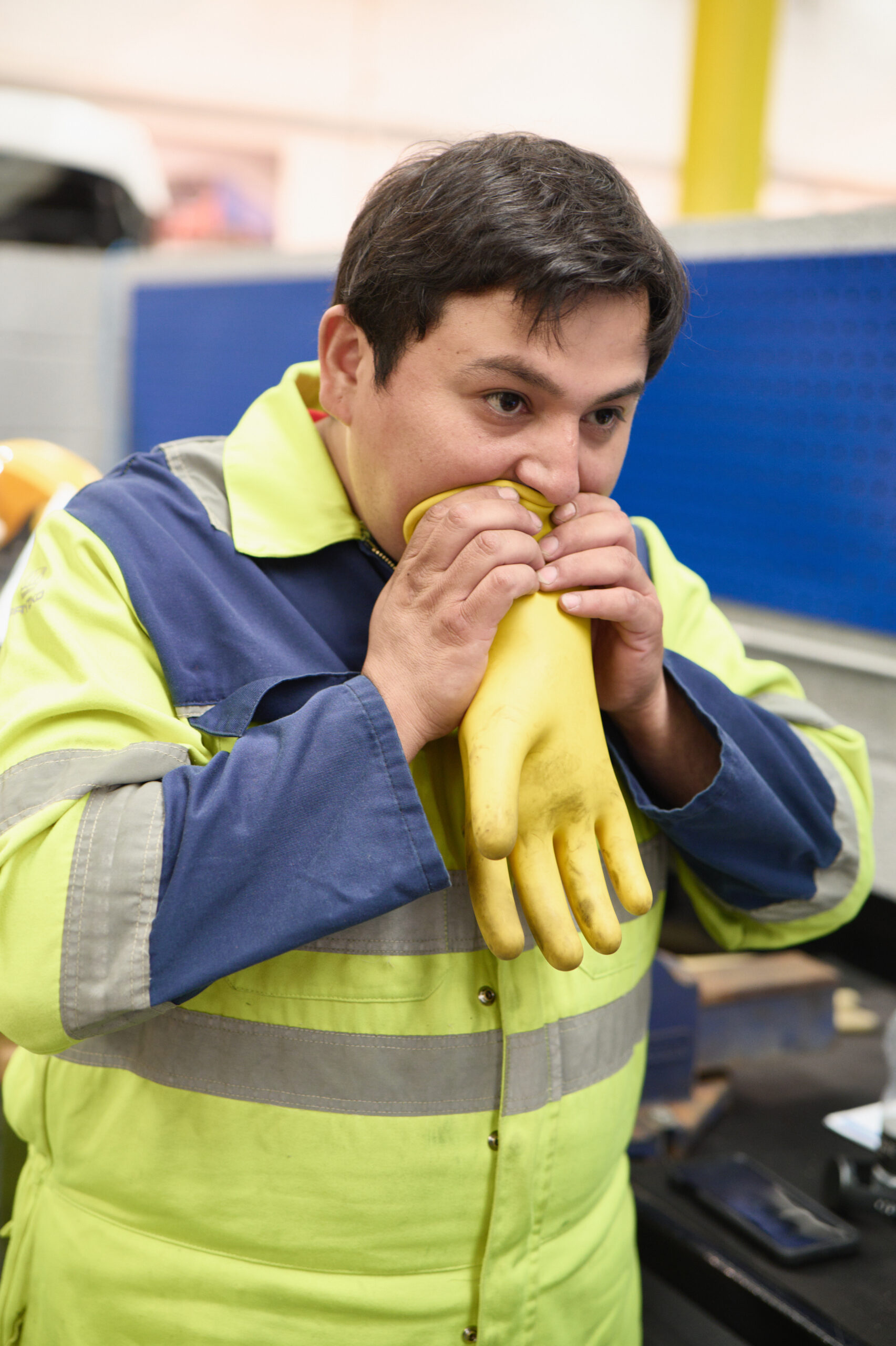
Each day was a hive of activity with welding, cutting and panel beating in the body workshop, and electrical fault diagnostics, tappet measuring, vehicle safety and roadworthiness inspection and for the second year running, a test of an engineer’s approach to testing a high voltage circuit; increasingly important as road vehicles switch to battery power. There are too many sections to list, but suffice to say it’s a long and busy day for all involved.

The Job

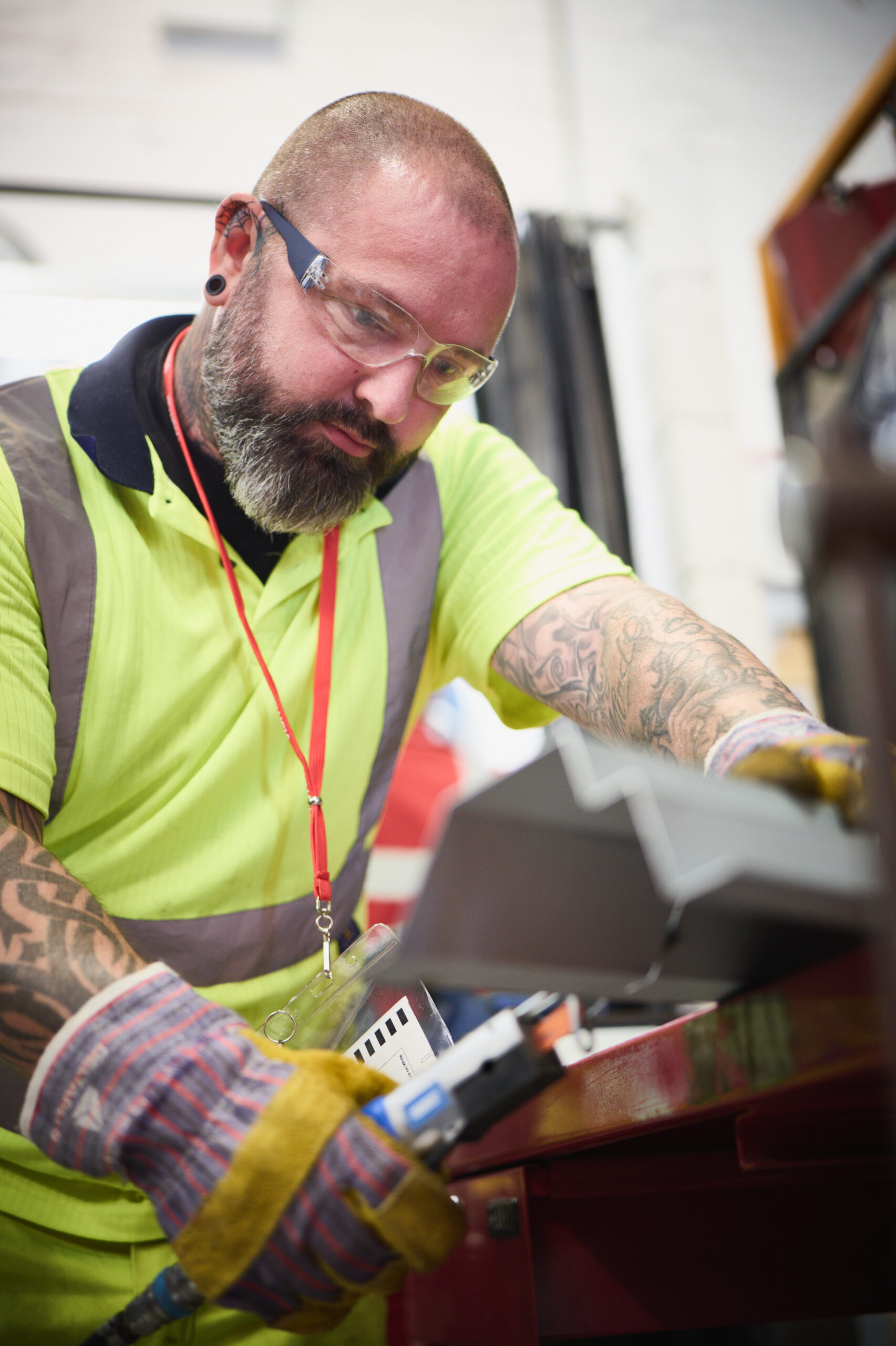
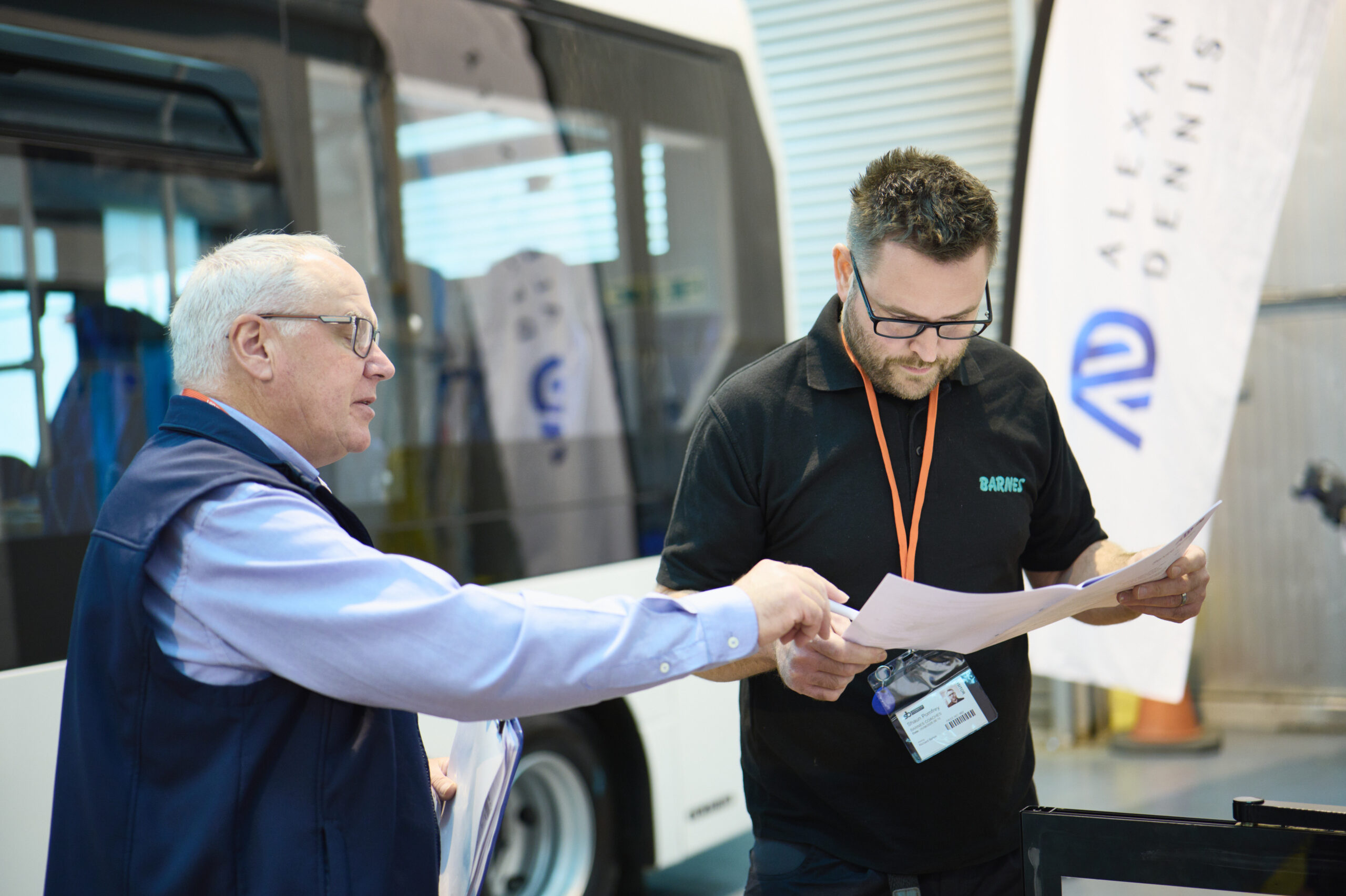
My job every year is to capture each competitor in action so that should they win, there’s a good clear photo of them for the awards ceremony and souvenir brochure. The images also get used across the SOE website, printed materials and promotional assets (posters, banners etc). Because of this, I work to ensure there’s a good spread of library images from each day.

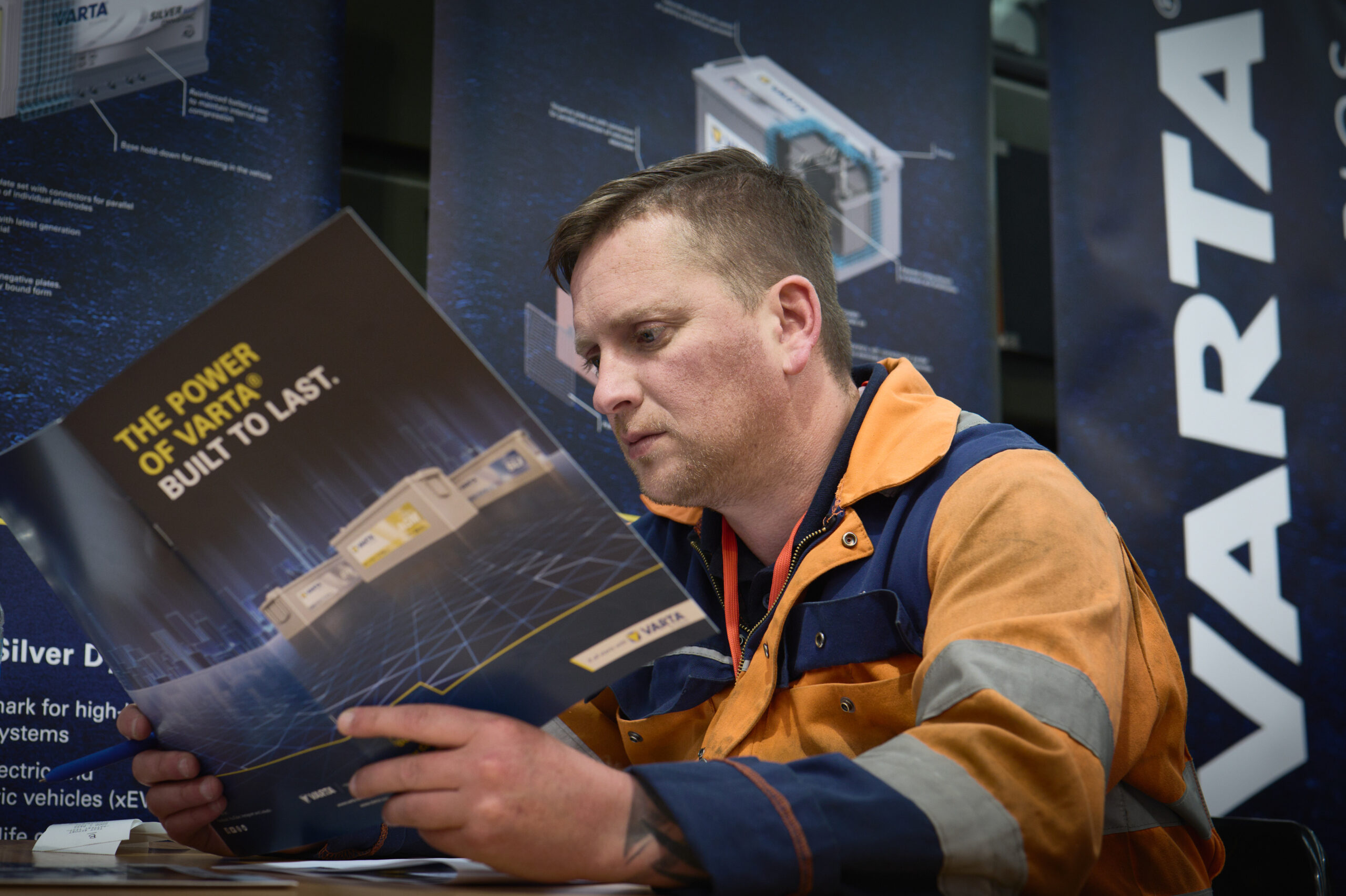
I also aim to ensure sponsors get coverage too, with at the very least a photo showing their presence and ideally working their branding into an action shot or two.

By the end of the four days, I aim to have achieved a mixture of team shots, fly-on-the-wall documentary-style action images and a few posed shots too. At lunchtime I’ll send a few rush pics to the client for immediate social media posts, delivering the full edit before I go to bed.

The First Year

I remember the first day I ever shot this event; I hadn’t been particularly well briefed, and it wasn’t until part way through the day that I was told I’d need to get a shot of every competitor. That spiced things up a bit, but I got it all done.

Another regular challenge for me is that many of the activities involve engineers working with their heads down, often measuring or looking at something. I need faces, not tops of heads, so if I can’t find an angle that works, I will often pose a competitor once they’ve completed the challenge they’re working on. This year, on the whole, I was able to get what I needed mid-action.

The Next Ten?

I somehow doubt I’ll be doing this job for another ten years – it’s a lot of running around, bending and holding awkward positions for periods of time, but I’ll do it for as long as I can and for as long as SOE wants me to do it.

In the meantime, for this year, the past 10 years and however many years to come, I’d like to thank SOE for engaging me on this one and to express my gratitude to all the patient mechanics who have to put up with me in a stressful situation. Special thanks also to Richard Belton at S&B Automotive Academy for his seemingly never-ending willingness to help and for listening to my terrible jokes for four days solid.


25 Years of Digital (almost)

A few days ago I ventured into our attic where I came across the storage cases for my early digital work; 340 CDs and DVDs dating from November 2000.

It didn’t immediately register that this means I’ve been shooting digitally for almost 25 years! I reckon I only shot film for about the first 10 years of my career, which is another sobering thought on multiple levels.

The Time Had Finally Come

But seeing those cases of CDs for the umpteenth *damn* time, I finally decided to bring them down and start transferring them to a hard drive. The discs won’t last forever, especially being alternately boiled and frozen in the attic. Eventually the hard drive too will die and my archive will be landfill.

Brief side-note; apart from properly (expensively) stored negatives, transparencies or prints, no photographic format is immune from decay over time. I’m convinced that no amount of care can preserve digital images indefinitely, and analogue formats will always be more robust. But that’s a separate discussion.

Old Tech to the Rescue

Anyway, back to the plot. I’ve rigged up an older MacBook Pro with the DVD reader/writer I used to use, and connected a spare external hard drive. It’ll be my archiving station until the project is done.

Your job now is to rejoice as I share some of those early digital images. Don’t worry, you won’t have to suffer this until the 50th anniversary, when I’ll be in my early 80s. I doubt my nurse will let me near a computer by then.

Enjoy!

Notes on the photos:

Millennium Dome press conference 30th December 2000 – P-Y Gerbeau was credited with rescuing the flailing Millennium Dome project and appeared for a press conference on the roof of the structure alongside Deputy PM John Prescott, who couldn’t have been more miserable if he’d tried.

Zoe and Fat Boy Slim 29th December 2000 – I’d been sent to assist a News of the World reporter tasked with finding celebrities and asking them general knowledge questions to see how bright they were. While the reporter got his s**t together having had a bit too much fun in his hotel room the night before, I toddled off and got a fun spread of pictures of Zoe Ball and Norman Cook (aka Fatboy Slim) walking on Brighton Pier. When the reporter finally turned up and asked Zoe and Mr Slim to answer some questions, he was told to eff off and that was that. My images made a double page spread in NotW and Heat Magazine.

Princess Margaret leaving King George VII Hospital 20th January 2001 – I was sent along by News of the World to catch a photo of Princess Margaret leaving hospital. I knew two other NotW staffers were already there, but I also knew they were using film cameras. By shooting digital, I was able to file from the scene and my shots made the paper just because they arrived at the desk first.

Martine McCutcheon book signing at Harrods 25th November 2000 – My first digital SLR, a Canon D30, was pretty dreadful in low-light conditions. The autofocus just couldn’t keep up, so my shots from this press call are soft to say the least. I include this image to air my shame.

Three In One

The majority of my work is based around photographing people; professional headshots, people in business, in their office environment or at corporate events. However, every so often I’ll be called upon to make purely architectural images too.

It’s a side to my practice which I enjoy, so it’s a particular pleasure to get to work with property development company Bellhammer through their design agency Blast Design Limited.

Those with a good memory will recall that my relationship with Bellhammer’s Bristol city centre project (Assembly Buildings A, B and C) started during a headshot session for another client, when I took an opportunistic photo of Building C under construction. Since then I’ve returned to the site a few times to capture various stages of the project.

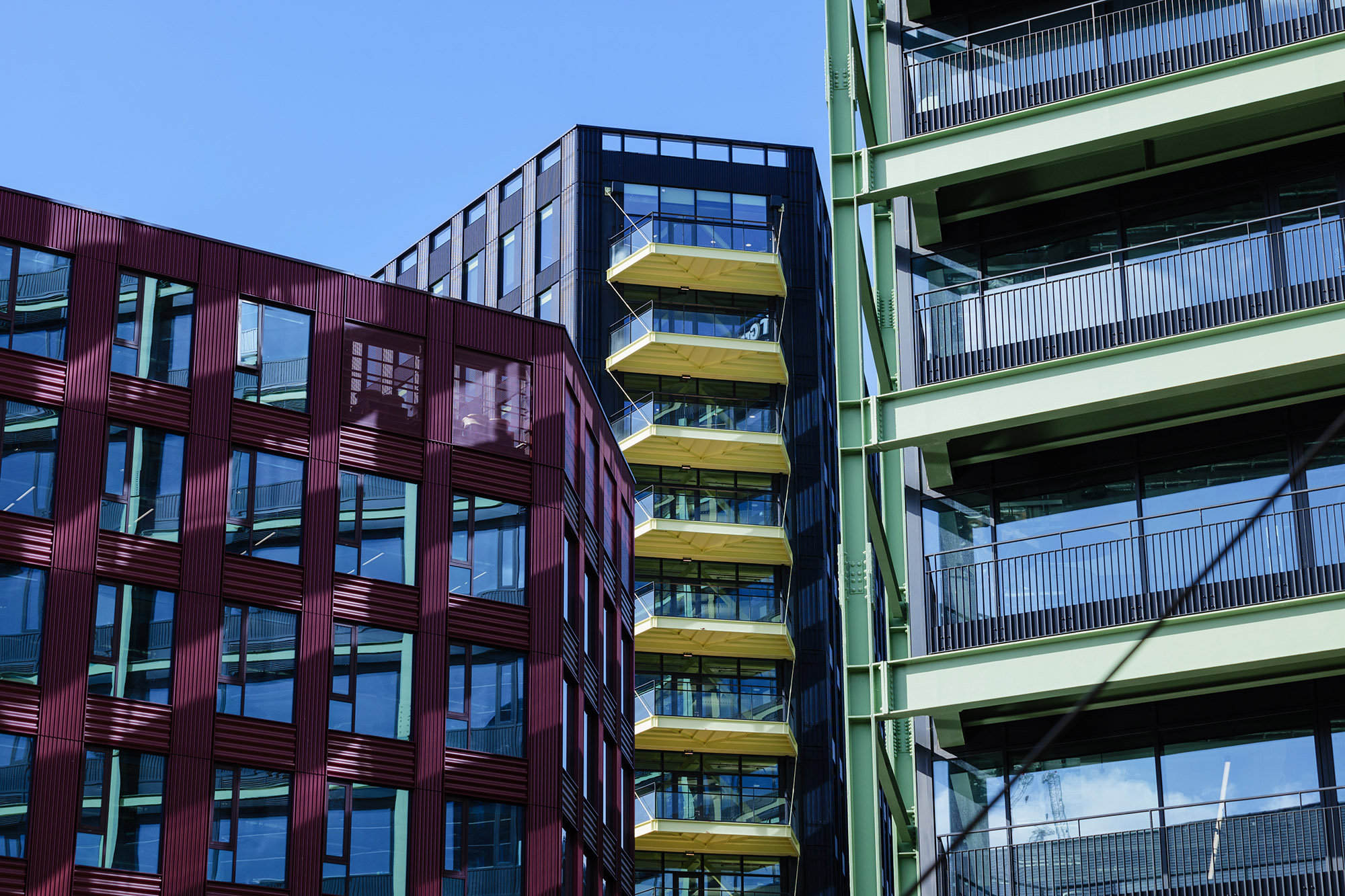
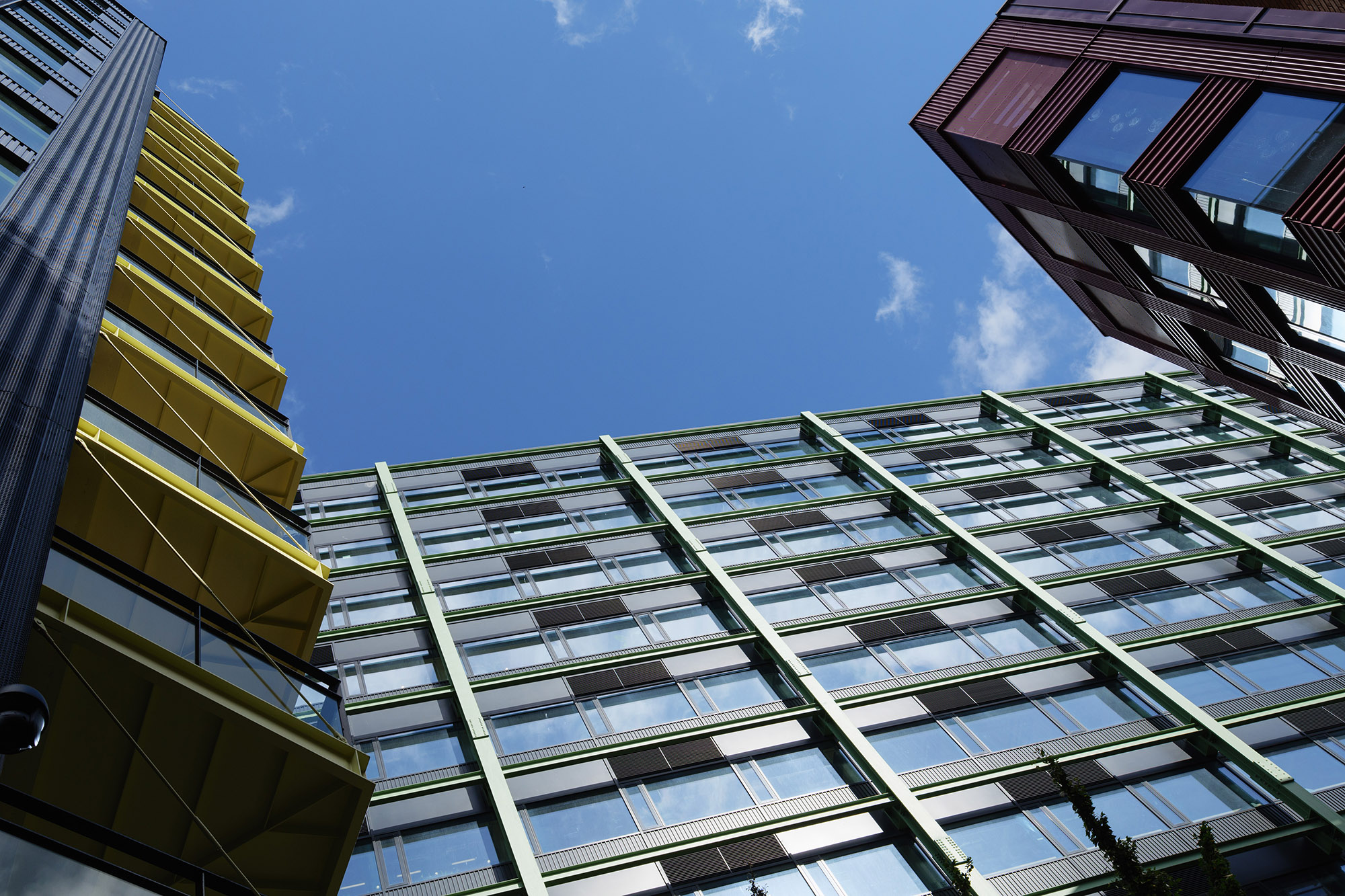
I was there again in June, with a brief to capture various aspects of Buildings B and C, but also to get an angle which included all three buildings in a single shot. That’s not as easy as it might sound, requiring some consideration of how the light falls on the buildings at various times of day, as well as trying to exclude other buildings or scrappy bits of cityscape.

However, give me a challenge and I’ll rise to it (within the bounds of feasibility of course).

What I came up with was two options. One based on a reference photo supplied by the client, the other an angle I found by walking the site until I located a spot which would work.

The more ‘standard’ angle is the stronger of the two images, but the one looking up at the buildings also has its strengths and uses. Giving a client a choice allows them to adapt images to whatever design and format they need, even if they don’t yet know what they need it for.

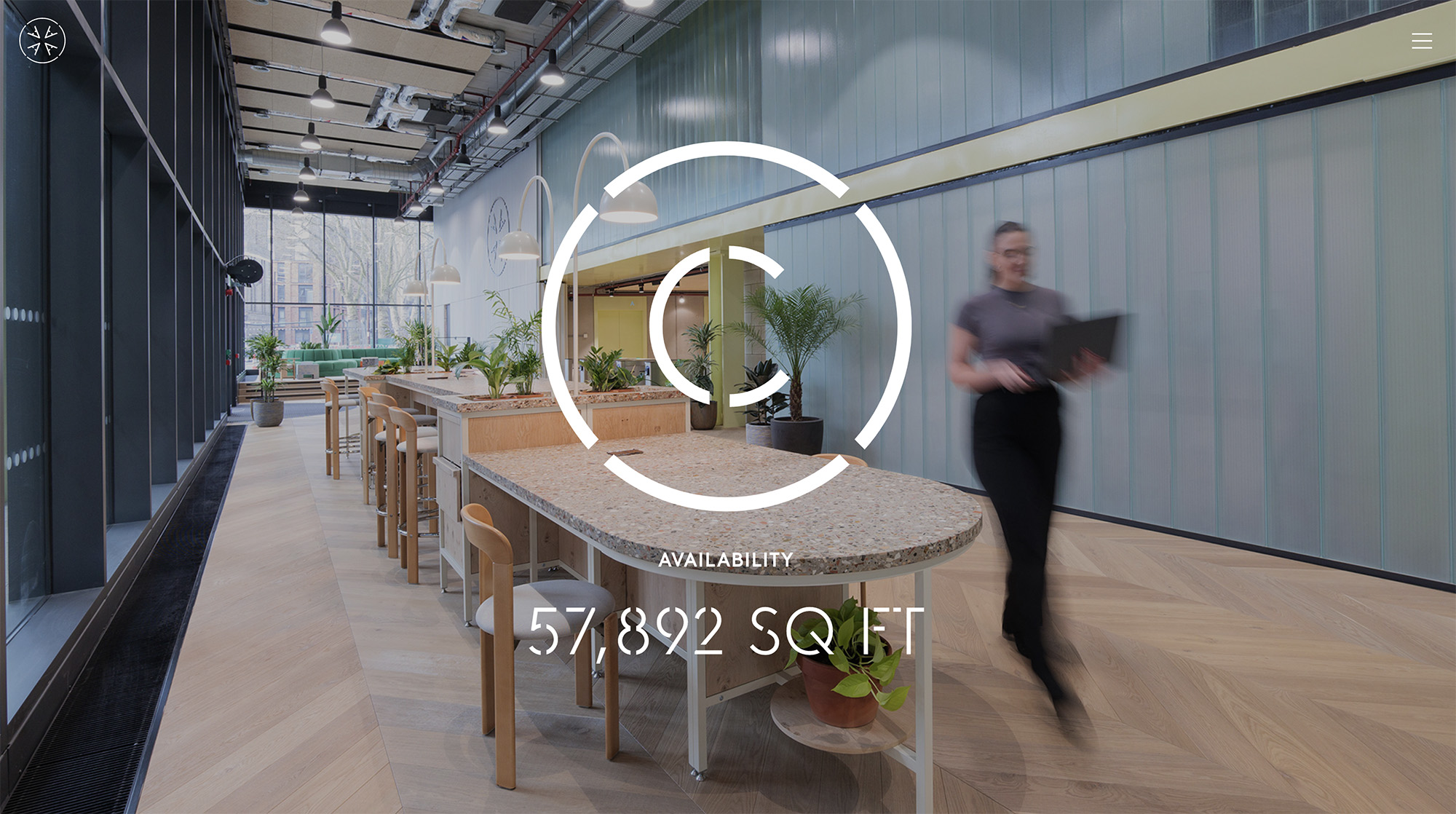
Some of the images are included in the micro-sites for the buildings, including this (see below) from Building C taken during a previous trip.

Architectural photography, done properly, won’t generate anything like the quantity of images that something like a headshot session or event coverage might. More time and consideration is required; finding the best angles, setting up a tripod, making sure verticals and horizontals are correct (unless you’re after that leaning look, of course) and often having to wait until a person or lorry or whatever has cleared the scene.

The challenges of architecture are very different to pretty much any other genre of photography, but if you have a project which needs photography, I’d be delighted to hear from you!

Email me, or call 07703 124412 for that initial creative chat.

Case Study

When an old photo of my lighting kit popped up in my Facebook memories, the first thing I spotted was the bottle of wine. Of course it was. Not only did it remind me of the generosity of a particular client at the time, but it also sparked an idea to write an article about how kit has changed over time. So I took a photo of my kit today to compare and contrast.

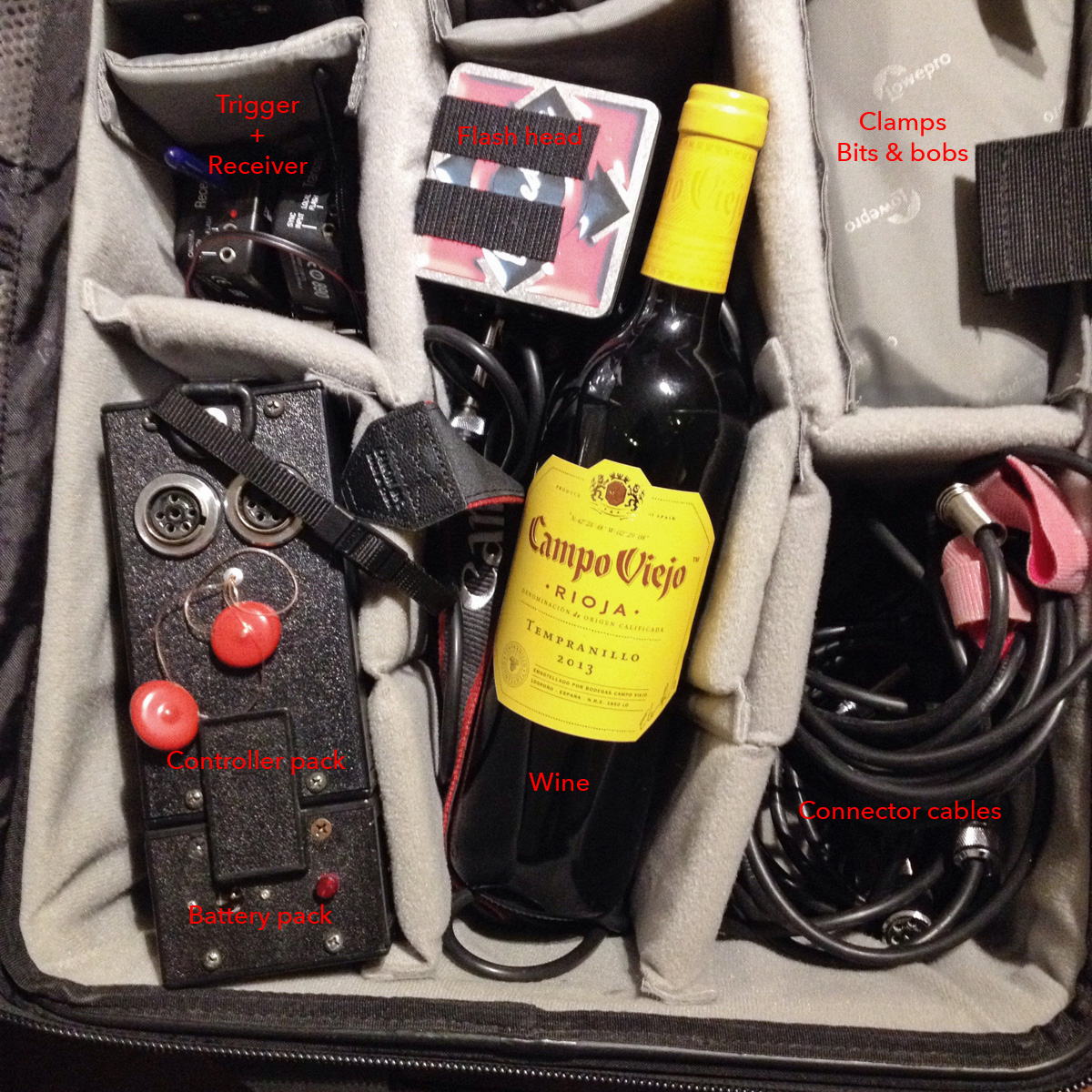
Picture 1 was taken in 2015 and shows (apart from the wine) my portable studio flash lighting equipment of that era (in fact, this kit was already several years old by then).

Sadly the photo was already cropped square, so I can’t tell you what was in the rest of the bag; I’m guessing you’d see the second flash head, a spare battery and some other bits and pieces. I clearly took the photo for the purpose of showing off the bottle of wine I’d been given.

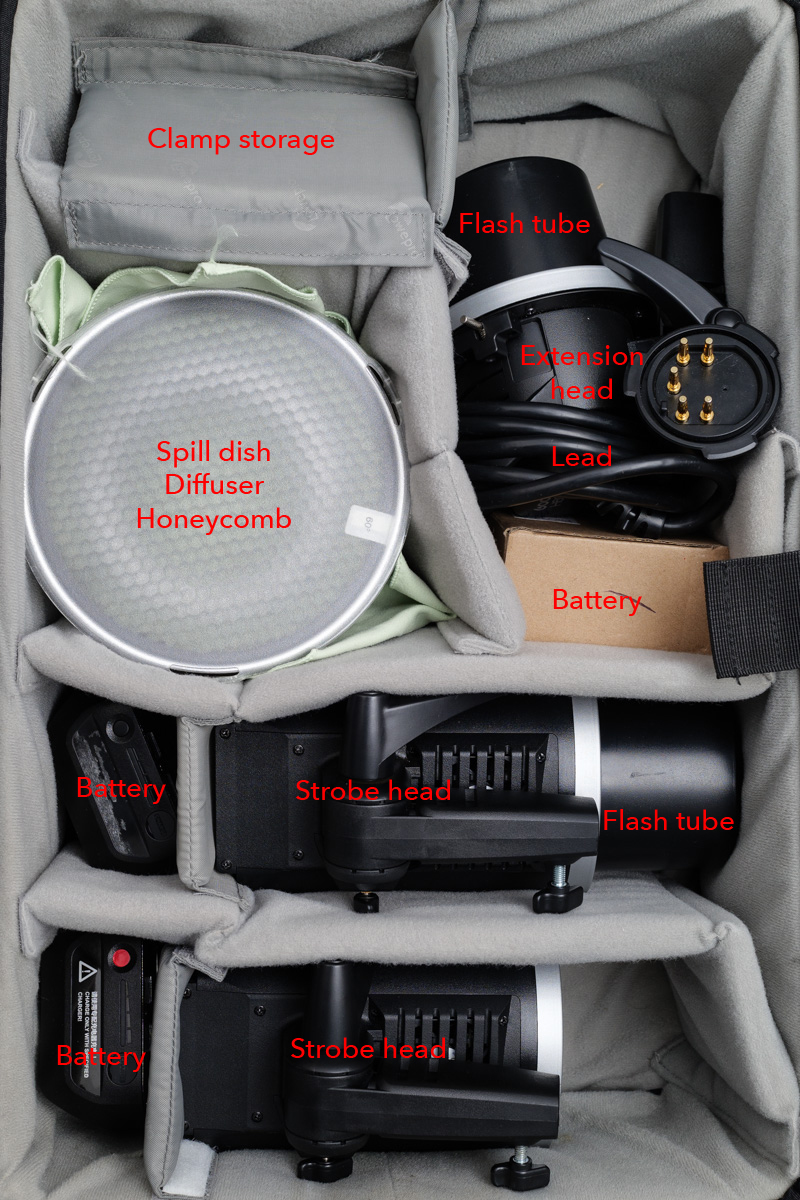
So, apart from the wine (shut up about the wine now, Tim), what else is different? Let’s go through some of the components in the bag, and then compare them with today’s kit in Picture 2. I’ve made these pictures BIG so you can see the labels.

At the top-left in Picture 1, you’ll see a trigger and receiver. Nothing remarkable there, except today’s receivers are built into the flash heads themselves. This saves having to Velcro a trigger to the back of the head and rely on a cable to send the firing signal to the flash. It’s a little bit tidier now.

The other disadvantage of the old system was that you could only adjust the power of the flash head by walking up to the controller pack and turning a dial. Modern units can be controlled from the camera, which saves a lot of time and back-and-forth.

This old kit was pretty revolutionary in its day. It was the first properly powerful, affordable kit that ran off batteries. It could be used outdoors and the light could be adjusted through softboxes, umbrellas or any number of other modifiers to achieve a particular look.

But technology moves on, and its main disadvantages over my current kit are power and control. The kit in Picture 2 is at least 50% more powerful than the kit it replaced. This might not seem that much, but it makes a big difference in photographic terms. The more modern design also has the advantage that each flash head is independently controllable from the other, and the increments of control are far finer than with the old kit.

The other disadvantage of the older kit was the build quality. The manufacturer, Lumedyne, is US-based and their kit looks and feels as though it’s been built by keen mechanics in a shed. Sometimes not all that well either. I remember screws dropping out, a control knob falling off and on one occasion, a loud POP! and a puff of blue smoke as an internal component blew up.

I probably had that kit for a decade though, and while it was expensive at the time, it more than paid for itself.

Thankfully, I’ve had the newer kit (made by Godox) for almost as long already, and it’s not showing any signs of ageing. I’ve added an extra spare battery as one of the originals isn’t taking a charge as well as it used to, but that’s about it.

Apart from technological advances, the other reason I switched to Godox was because Lumedyne is no longer distributed in the UK, so replacing parts or expanding the kit would be difficult.

Possibly more impressive than any of the technical advances of the contents is the case itself. Both flash kits have been safely transported inside the same LowePro Pro Roller 2 case, which must now be circa 20 years old. About a year ago, I finally replaced the wheels but apart from that this case just keeps… rolling.

The wine, sadly, is a distant memory, but good quality wine is readily available in several outlets. So next time I work with you, have a peek inside my rolling camera case while my back is turned. If there’s a wine bottle-shaped space in there, feel free to pop something nice in, like a Tempranillo or a Malbec. Some technology never really needs updating, just replenishing.


Two Cameras, Two Brains, One Photographer

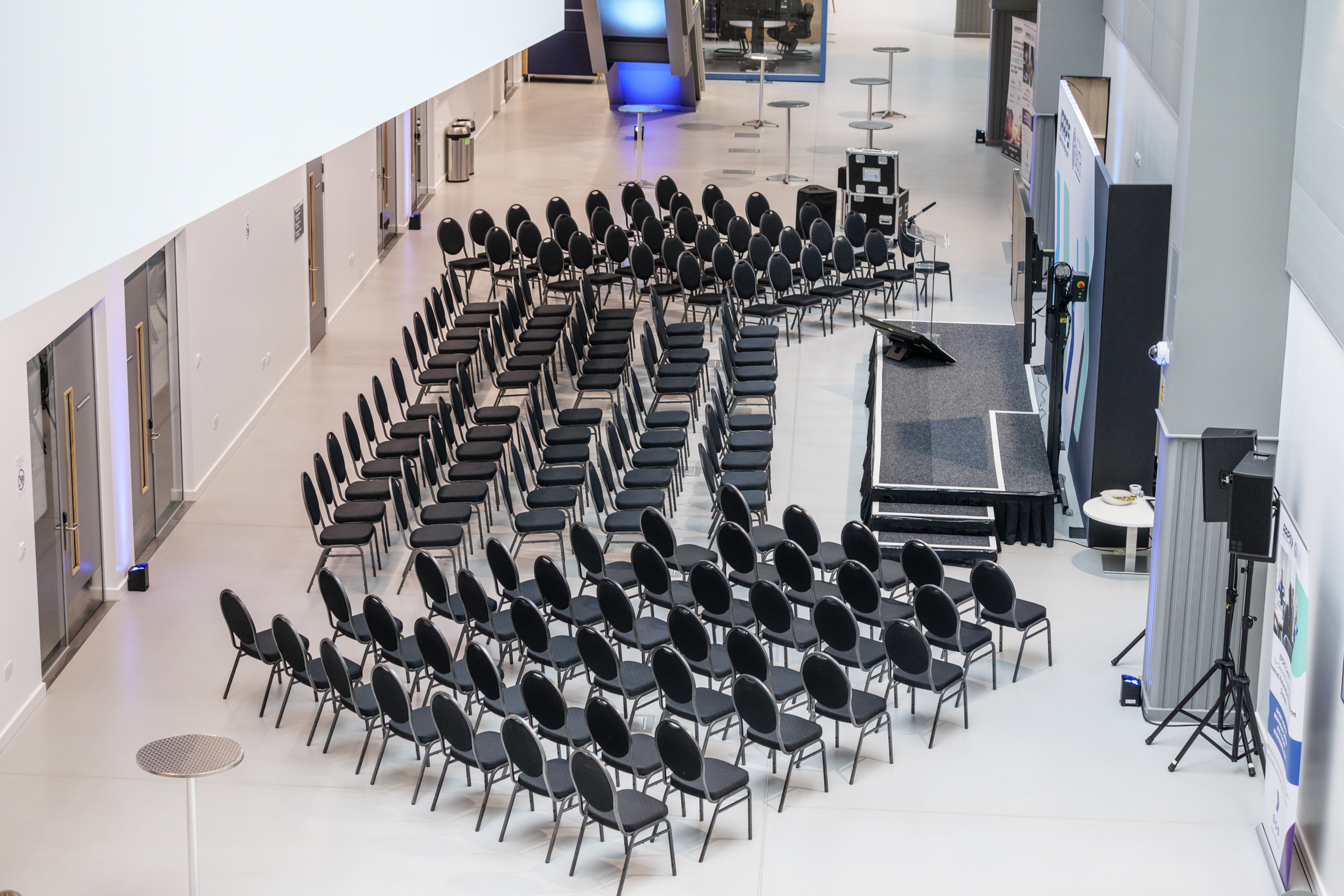
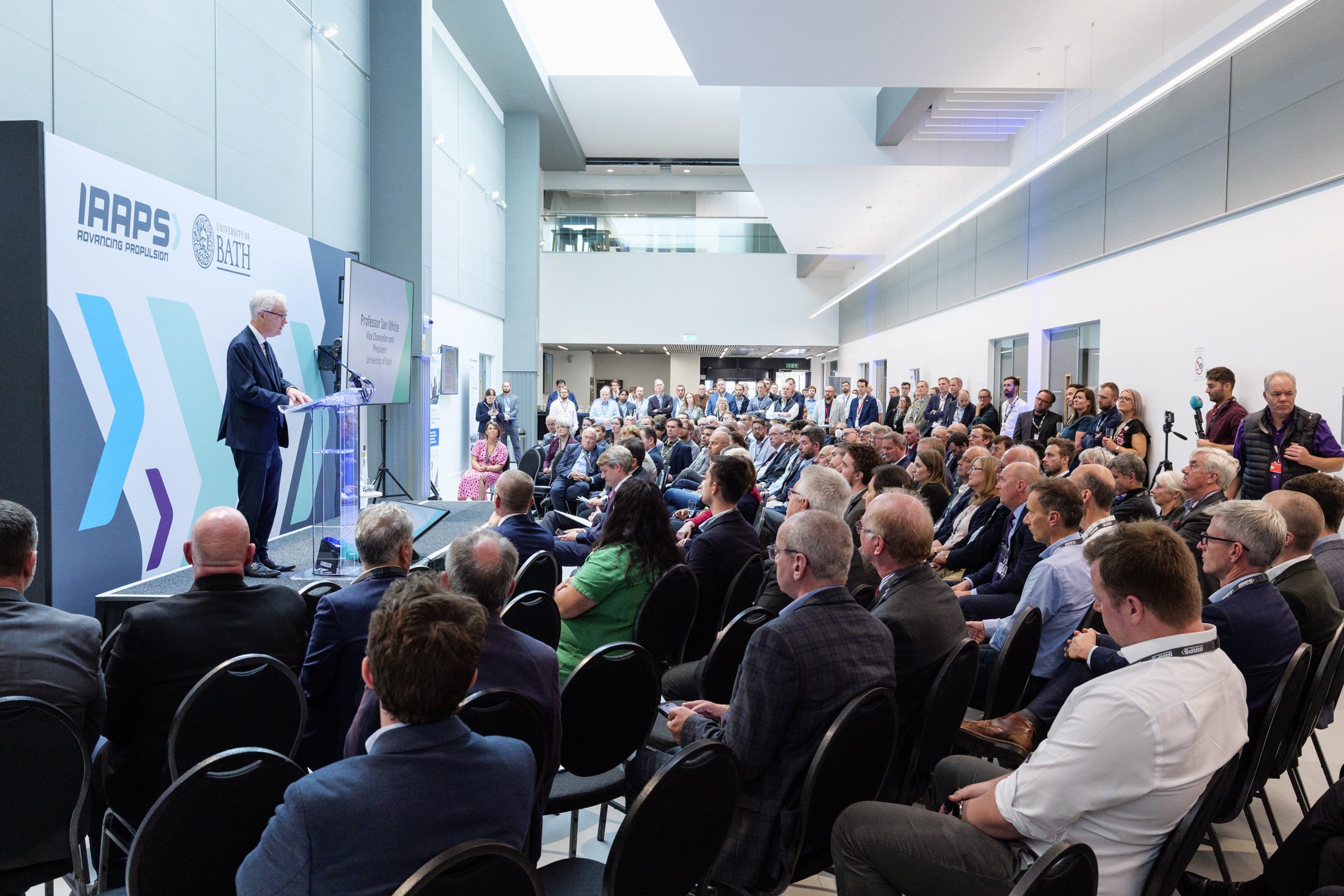
Following on from my previous post focusing on my work with advanced propulsion R&I centre IAAPS (IAAPS for short) near Bristol, this week’s post centres on the official launch held in September last year.

However, rather than talk specifically about the opening itself, I’m going to use this as a case study to delve into the logistics and thought processes employed when covering an event like this.

This area of photography uses a different part of the brain from industrial work, which is very measured, precise and considered compared to the fly-on-the-wall, reactive style required for an official opening, especially one on the scale of the IAAPS launch.

The truth is, I enjoy both. Industrial photography is a chance to slow down, be methodical and produce images with a bit more finesse, while the launch event gets my editorial brain whirring. I’m having to react to emerging scenarios as I work my way through the brief and the events as they unfold.

Each aspect of an event like this requires a subtly different approach; choices around composition, timing, reading the light, lens selection – at times I’m making multiple decisions all at once. In these situations it helps to have both cameras on my shoulders; one for wide shots, and the other for long shots, which saves a lot of lens swapping.

And yet I have to remain calm and composed because no one needs a stressed photographer in the room.

Keeping a level of control starts with having a properly constructed brief in advance of the event, something IAAPS’ head of marketing communications is good at.

Armed with a solid brief, I can keep an eye on the timings of various key moments as well as check off the pictures I’ve achieved. Having a list I can work through methodically means I can keep the scale of the task in context. I can also look for additional off-brief pictures.

Reacting to changing moments and requirements is where the stress can creep in once again, but knowing how to pace a job and when to tie up an element of coverage is a skill in self-management.

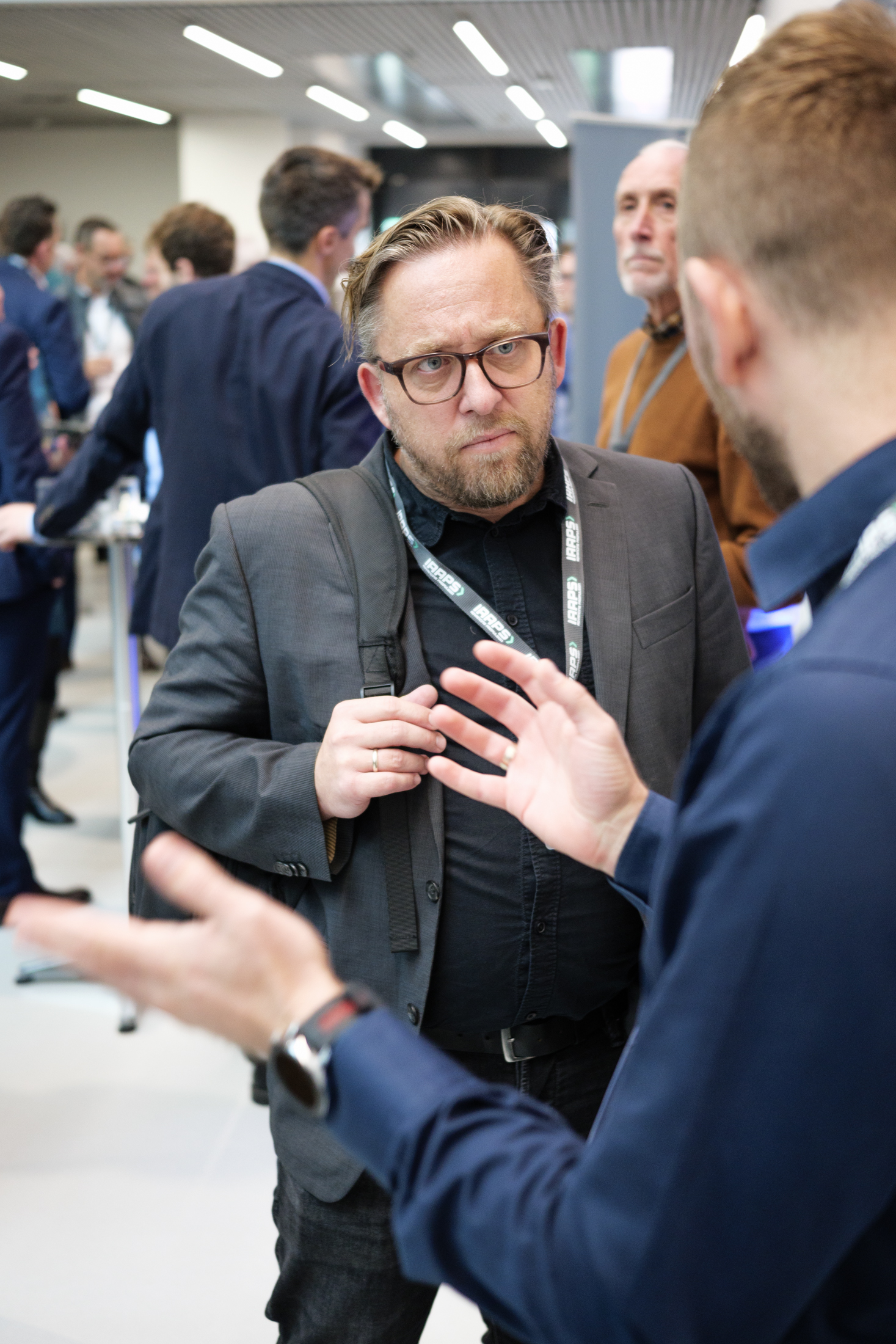
For example, it’s easy to get bogged down in trying to capture absolutely everyone as they gather and chat. These make for good “flavour of the day” pictures, but not every attendee needs to be recorded. These pictures have their uses, but at some point, I have to gauge when opening speeches are about to start.

For this, I have one eye on the schedule, and one on the key speakers. Their behaviour changes as they realise they’re about to step up to the podium, and that’s my cue to ensure I have the right kit and settings already sorted.

Of course, I will have arrived ahead of the event to check out things like the light levels on the stage or the positioning of the podium, but these can change at the last minute, so it’s good to do a final check before speeches and presentations kick-off. Ideally, I’m in position before the speaker steps up onto the stage.

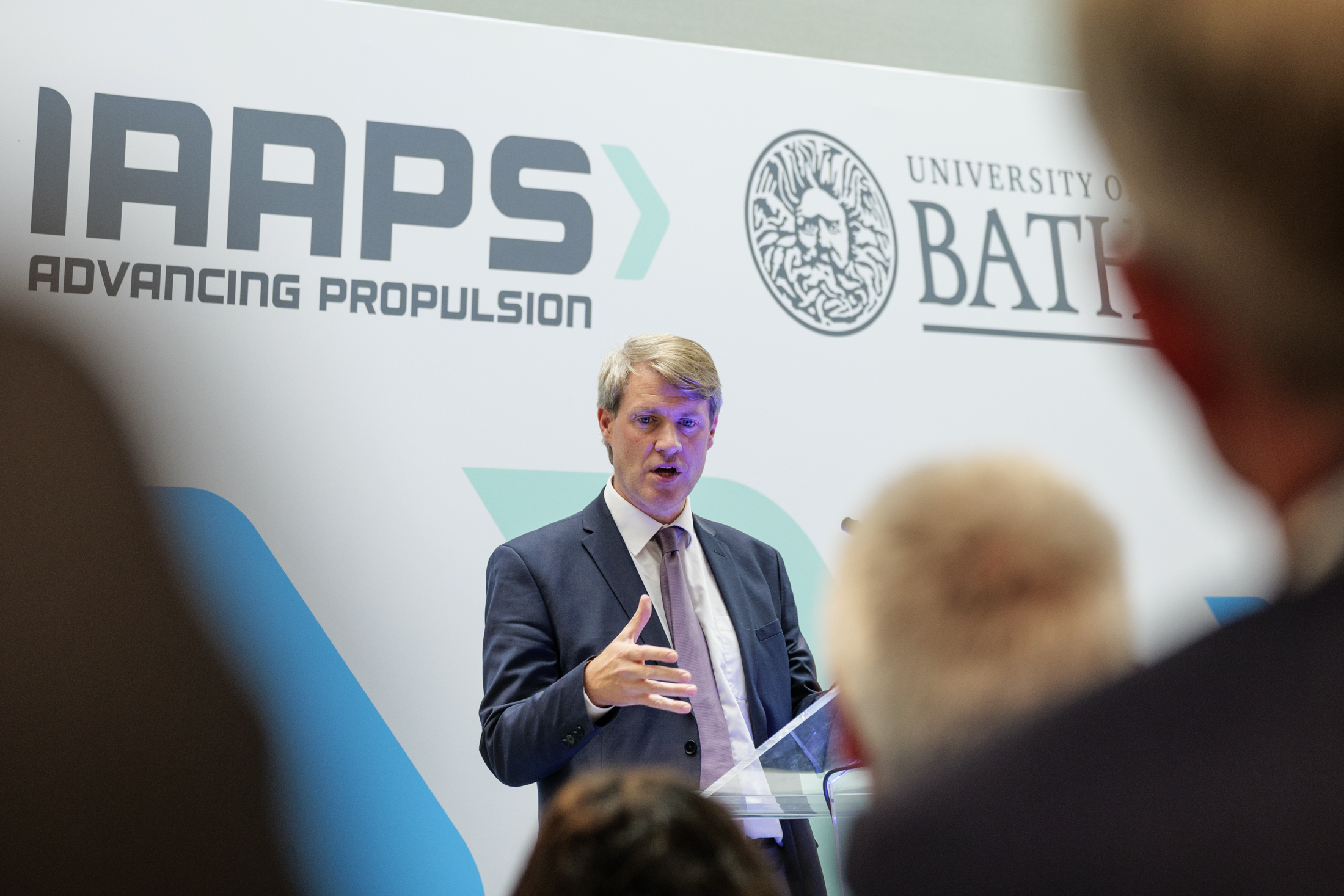
For speeches, I’m looking to capture the speakers with their heads up, eyes open and preferably making some kind of hand gesture. It’s also important to capture a variety of shots with design space around the subject, as well as a choice of upright and landscape orientations.

All this is to ensure that when the images are put out to press release, there’s something to fit the space on the page. If they’re used in corporate communications, either online or in print, that design space might be handy for a text box or graphic element.

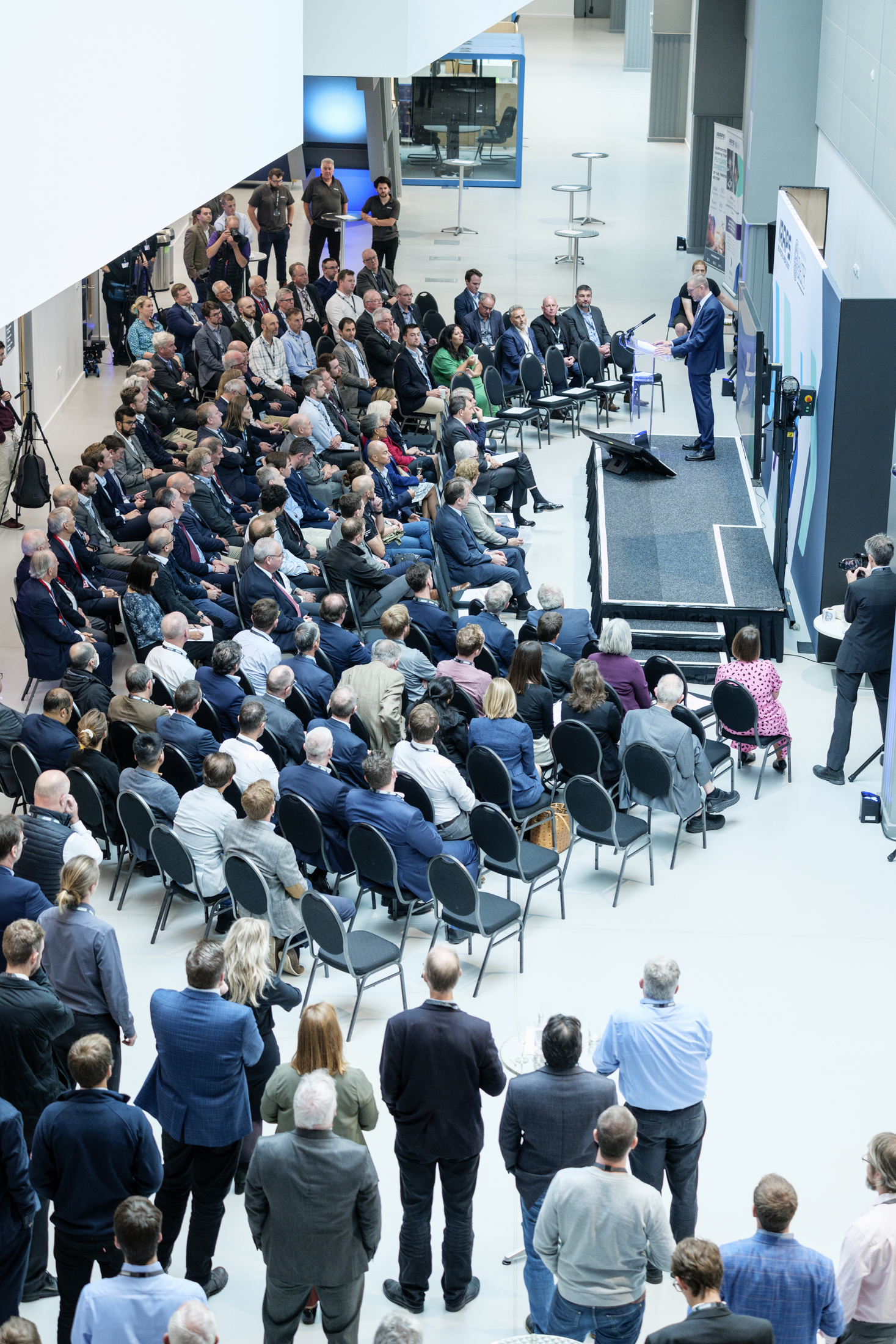
Simultaneously, I’ll be looking for interesting and unusual angles, tight shots on the speakers as well as wider views showing the venue and audience.

If a speech is only a few minutes long, I have to make sure I divide the time carefully and prioritise the must-have images over the nice-to-have extras.

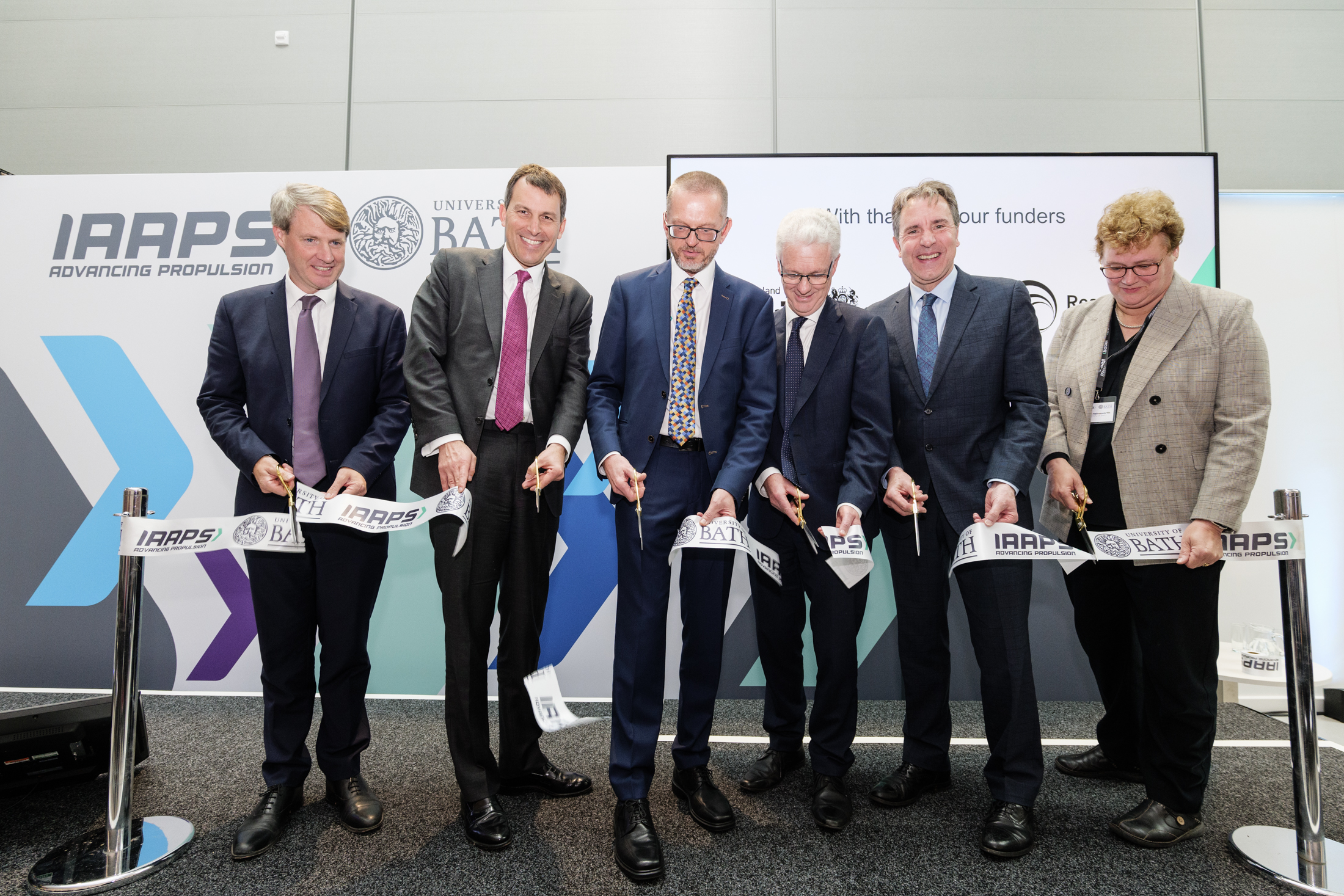
In the case of the IAAPS launch, there was a series of speeches followed by a ribbon-cutting. So I made sure that as the final speech drew to a close, my kit and I were both ready for that moment. This included organising the group, arranging the props and making sure the photographer behind me, who’d brought the wrong lens for the job, could also get a few shots without the back of my head being in the way.

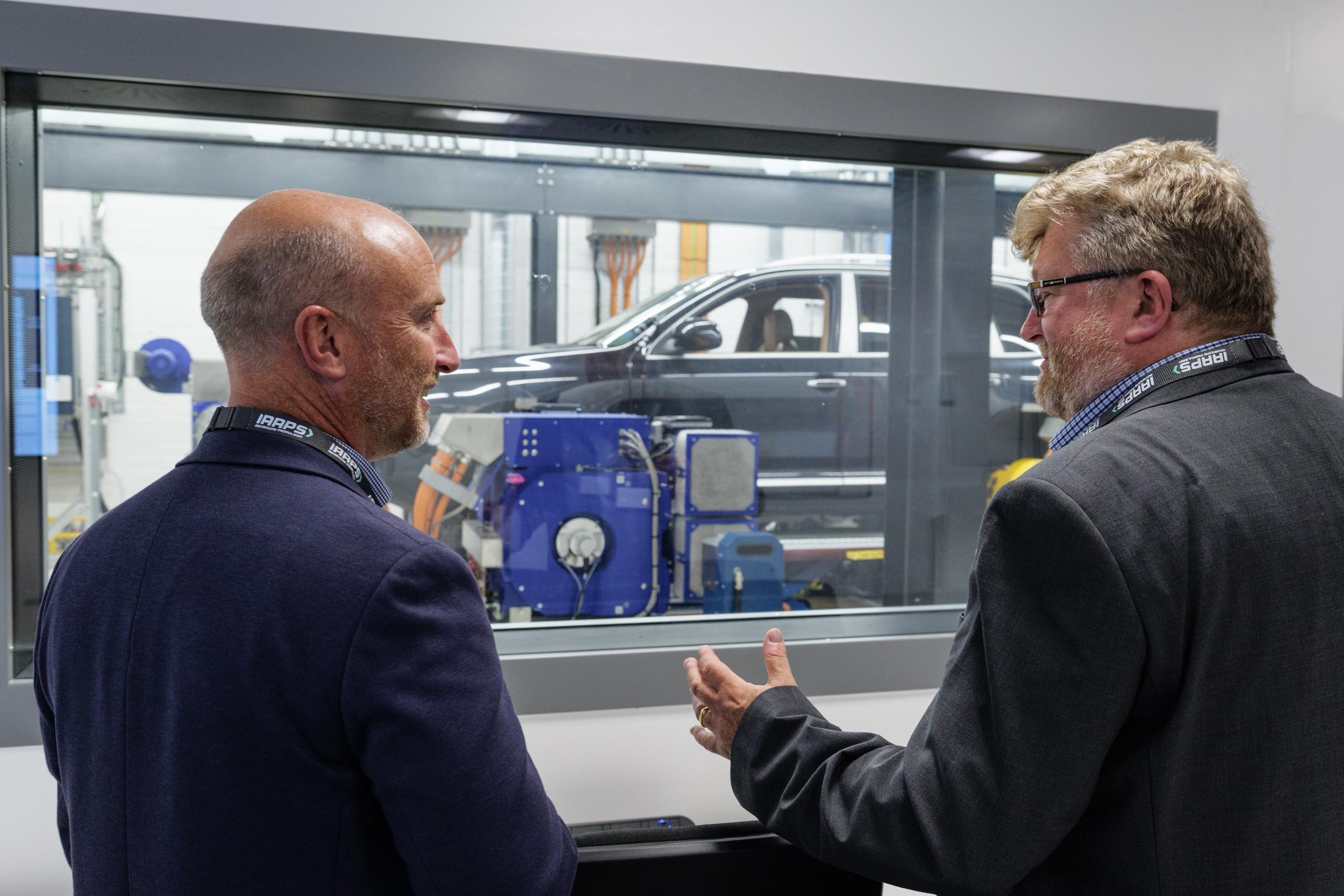
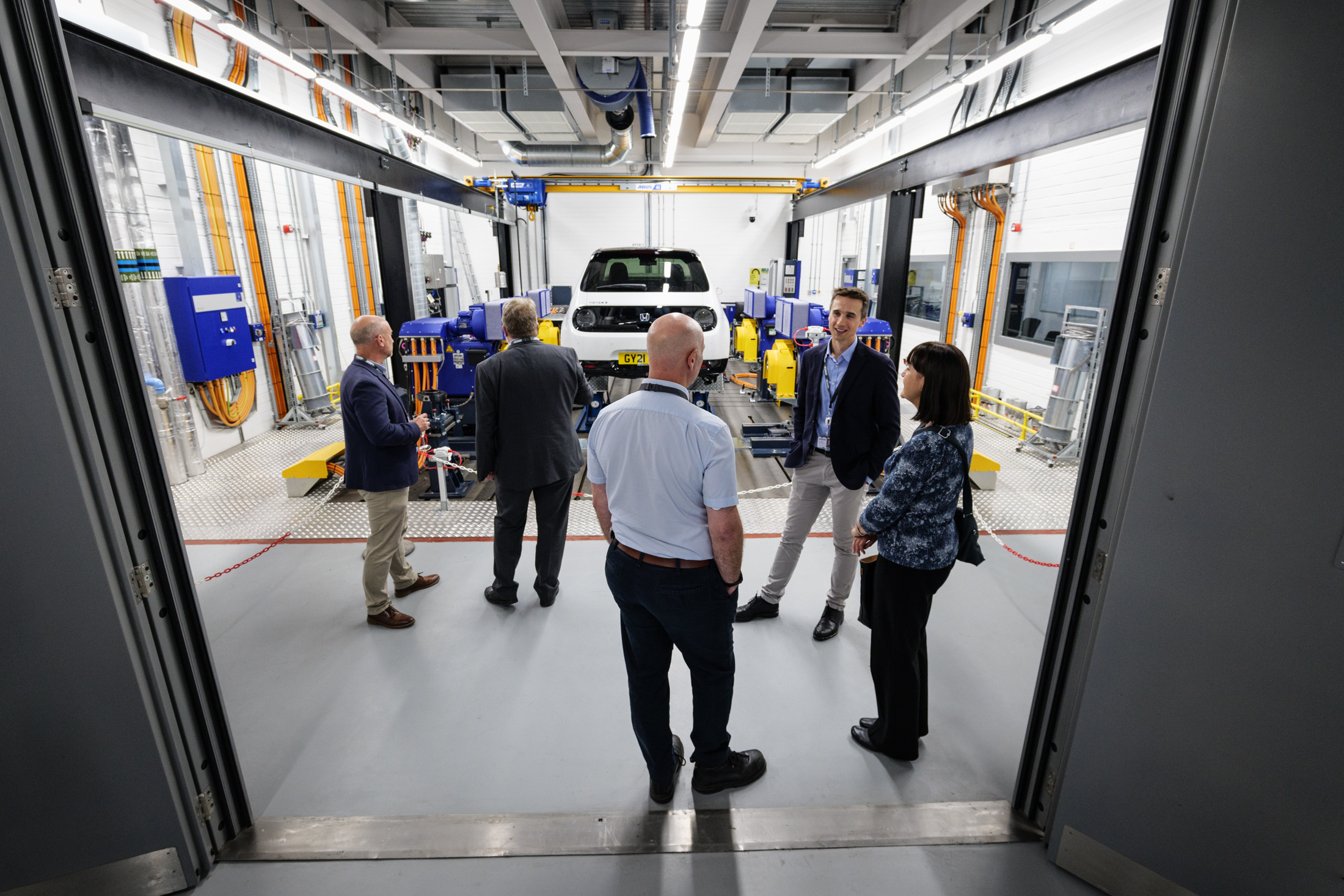
This particular event was a busy one. After the ribbon cutting came tours of the facility for stakeholders and members of the press, so I was back in fly-on-the-wall mode, looking for interactions between visitors and the cells and capturing more images for potential press and industry journal use.

With an event like this, it’s important to pace the coverage. It’s too easy to get into a spin or to phase out and lose concentration. To most people, it might look like ‘just taking pictures of something happening’, but without a considered and measured approach, things can run away from the photographer very quickly. It’s important to take a moment every so often to pause and re-check the brief, the progress and the next stage, all while looking for ways to ensure the resulting pictures have as much impact as possible.

While there were no surprises at the end of this event, I always check in with my lead contact before pulling away. It’s also a good chance to double-check any urgent image requirements as sometimes the client will want a selection for immediate social media use or a press release.

Of course, the end of a job isn’t the end of the job; there’s captioning, editing, filing, supply and a whole load of other tasks around fully completing a job. Perhaps that’s a blog post for another time though. After 951 words, it’s time to take a break.

Future Power

Happy New Year! Let me kick off by wishing all my clients, past, present, and future a wonderful 2024 full of pleasant surprises.

Now we’ve had our fun and a bit too much chocolate, I’m kicking off the first blog post of 2024 by looking at some specific work I carried out between 2022 and 2023. Not for nostalgic reasons, but because it illustrates several aspects of my approach to various photographic tasks and challenges.

There’s a fair bit of ground to cover, so I’m dividing this into two posts. Make sure you’ve signed up to my blog if you don’t want to miss the second instalment!

This particular work was undertaken for the advanced propulsion R&I centre IAAPS (IAAPS for short) at Bristol and Bath Science Park near Bristol. I came to working with IAAPS through another client, University of Bath, which owns and part-funded the £70 million research facility.

Chances are you won’t have heard of IAAPS but in essence, it’s where vehicle propulsion research meets real-world implementation. Advances made here will find their way into internal combustion, hybrid, electric and hydrogen engines of the future. This could include propulsion fuels and methods not yet discovered!

What makes this a great case study for me is that my work for IAAPS has covered portraits, industrial, and event photography. The images have been used on the website, in press releases, and in printed promotional literature, because while IAAPS’ main function is automotive propulsion research, like any business it has to attract clients and investors to maintain its status in the top three research facilities of its kind in the world.

This requires marketing, which requires marketing materials. That’s where the photography comes in.

Let’s get into the photography then.

Portraits.

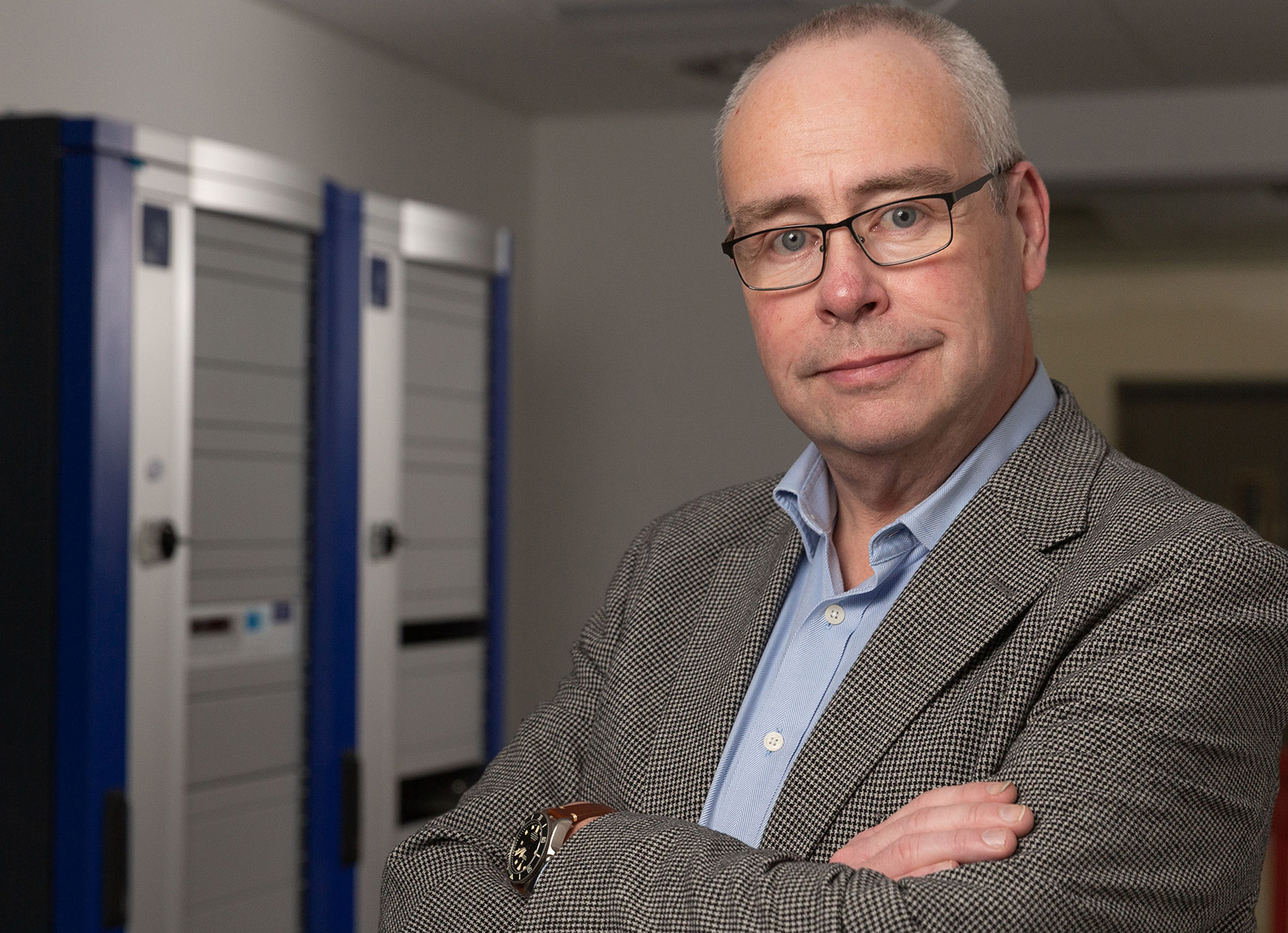
I won’t dwell on this aspect too much as I only had to do a handful of images of the Engineering Director and the Principal Engineer at a time when some creative editorial images were required for trade press and the website.

This was in 2022 when the facility, though substantially built, was still a building site. We were also still under COVID rules, so in I went, fully compliant with Health and Safety and COVID regulations.

Operating a camera while wearing a hard hat, goggles, gloves and a mask had its own challenges. The peak of the hard hat interfered with the flash trigger on top of my camera, while the mask caused my goggles to constantly steam up. Gloves don’t make operating the controls of a camera easy, but being fog-blind while trying to look through a viewfinder that isn’t up to your eye is “a bit awkward”.

Still, the session was short and these were hardly the biggest problems faced by humankind, so I was happy to fulfil the brief.

There was enough infrastructure already in place for me to use a backdrop which added some context, I just had to avoid including any dangling wires or ducts which hadn’t been finished and tidied away. In the event, a single softened flash on the subject and a second flash to clean up the backdrop gave me the results I needed.

Industrial.

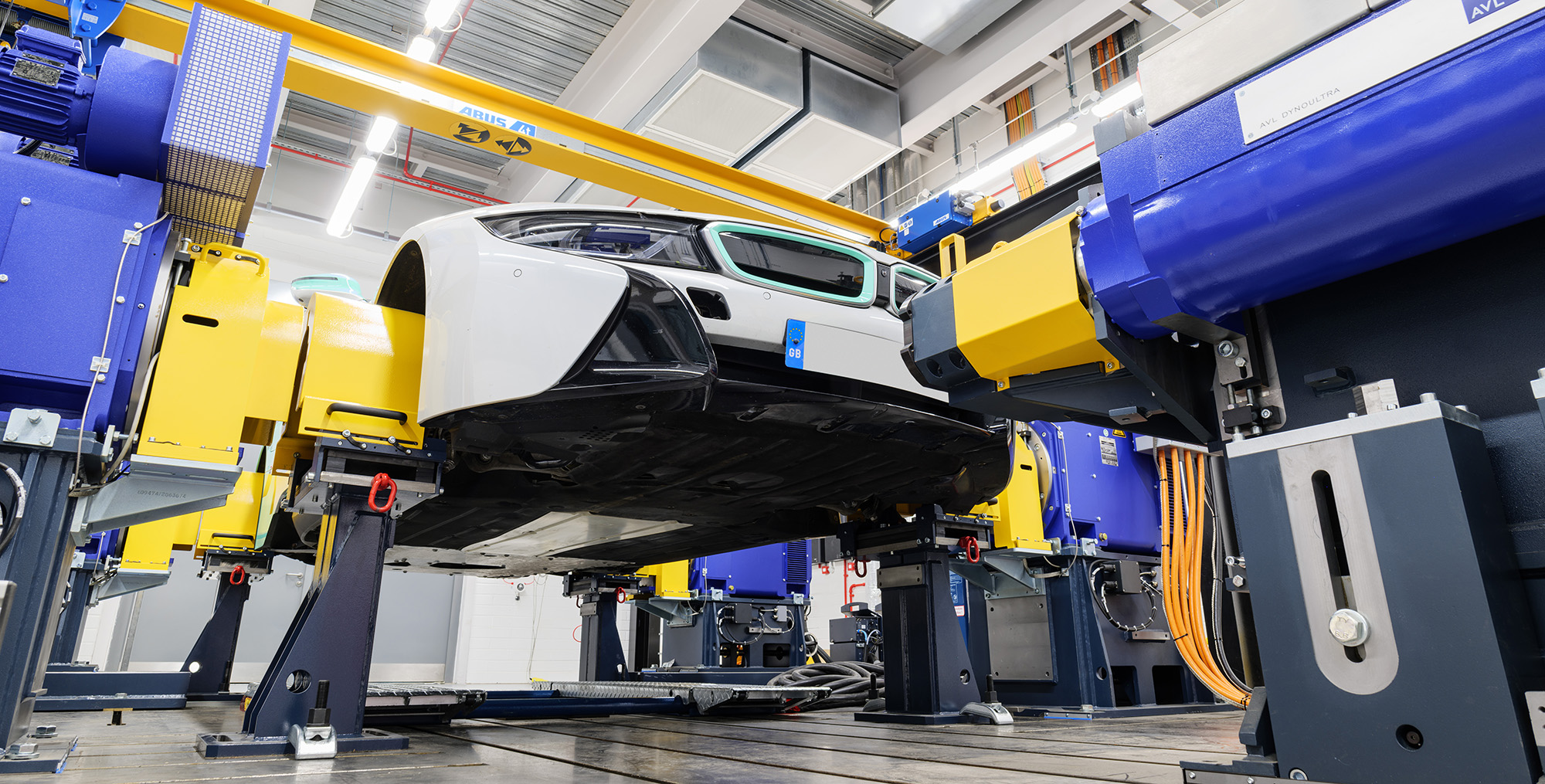
More interesting in photographic technical terms was the industrial photography. In 2023, I was booked in to take pictures of completed test cells where the research and testing take place.

For much of this work, I was able to use a tripod which opened up new photographic possibilities.

With the camera “locked off” I could use the High Resolution (HR) mode of my cameras. While the pictures would be used mainly on the website, where super-high resolution is less important, I was thinking ahead to when the client might want to use the images on large printed displays such as pop-up banners.

In this mode, the camera takes 8 pictures of the same scene, shifting the image sensor in each of eight directions as it goes. This captures details which would otherwise fall between pixel sites on the sensor. The camera combines the eight images into a single high-resolution RAW file which is four times larger than the native image resolution of the camera. In short, I’m capturing a 96MB file instead of the standard 24MB one.

So if my client ever needs to blow the image up to fill an exhibition display, the resolution will hold up far better than if they’re trying to print from a regular file. To my knowledge, HR mode outstrips the resolution of any comparable camera on the market. It could be bettered by a medium-format camera, but then the cost of the shoot becomes somewhat prohibitive, and almost certainly overkill for the needs of my client.

This technique works best where both the camera and the scene are completely still. Since the camera is on a tripod, and nothing is moving in the test cells, it’s the perfect scenario for using HR.

Alongside the general views of the cells, I was also tasked with capturing details of the rigs, vehicles, sensors and other equipment. Often this involved hand-holding the camera, so HR mode wasn’t going to work because of the risk of movement between each of the eight frames being captured. Also, you can’t use flash in HR mode, and some of the equipment required additional illumination using my portable studio flashes to lift shadows or to add a touch of additional colour using gels.

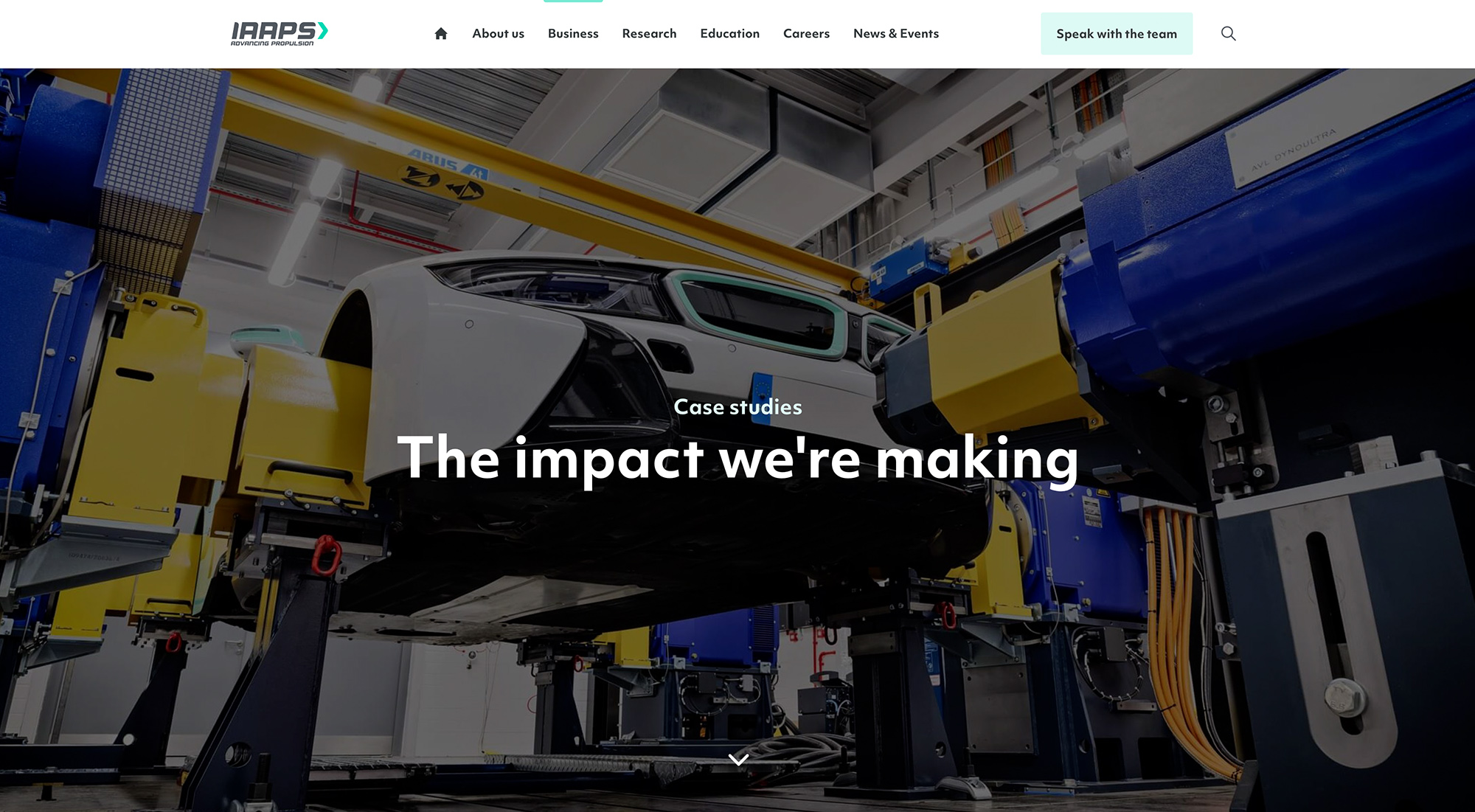
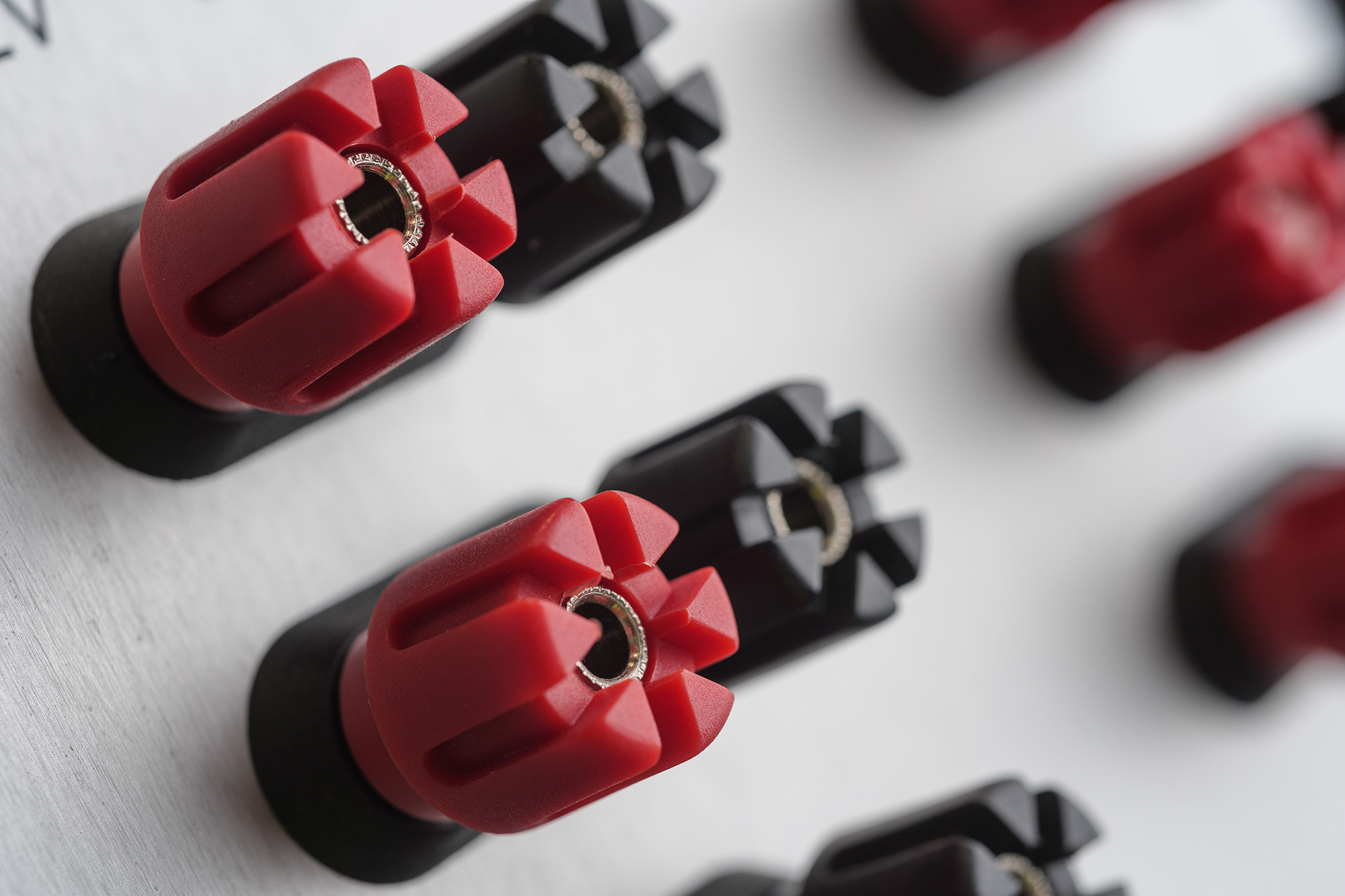
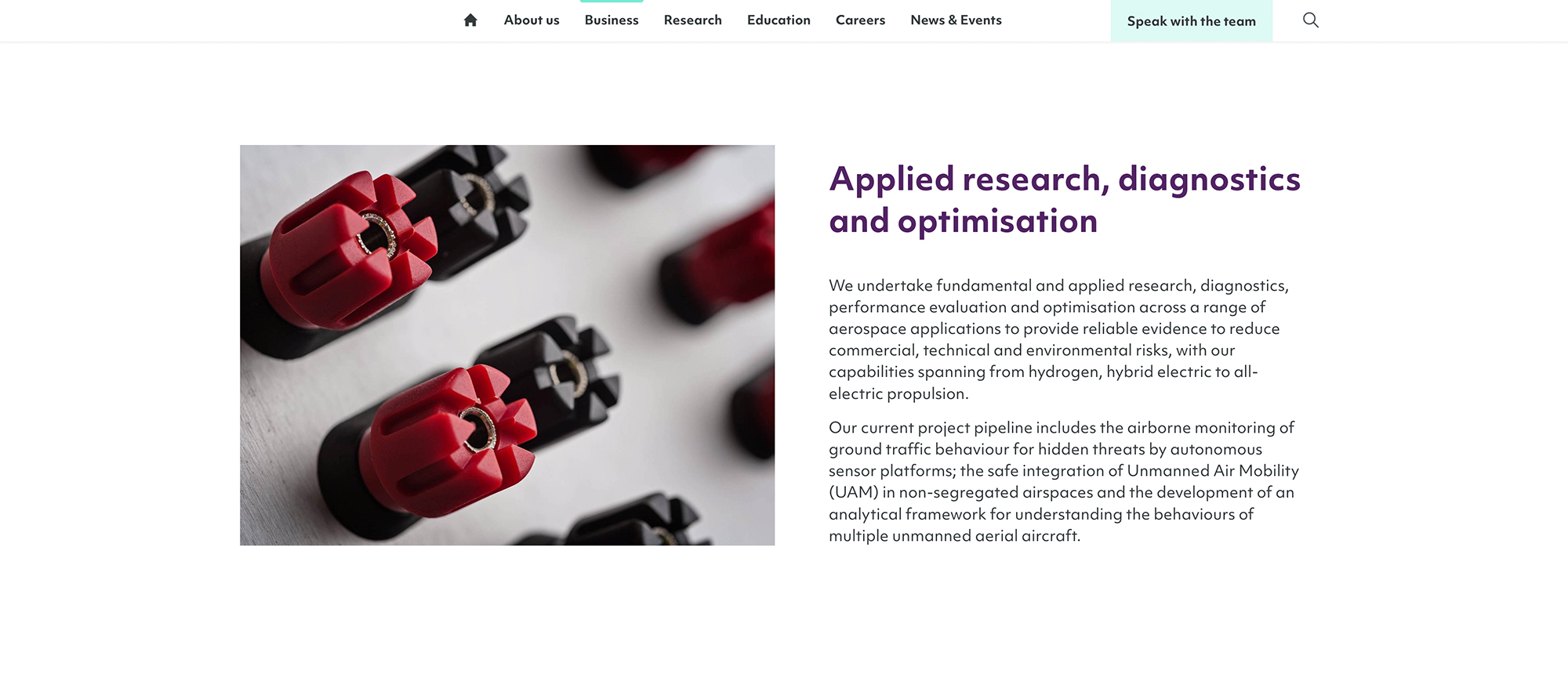
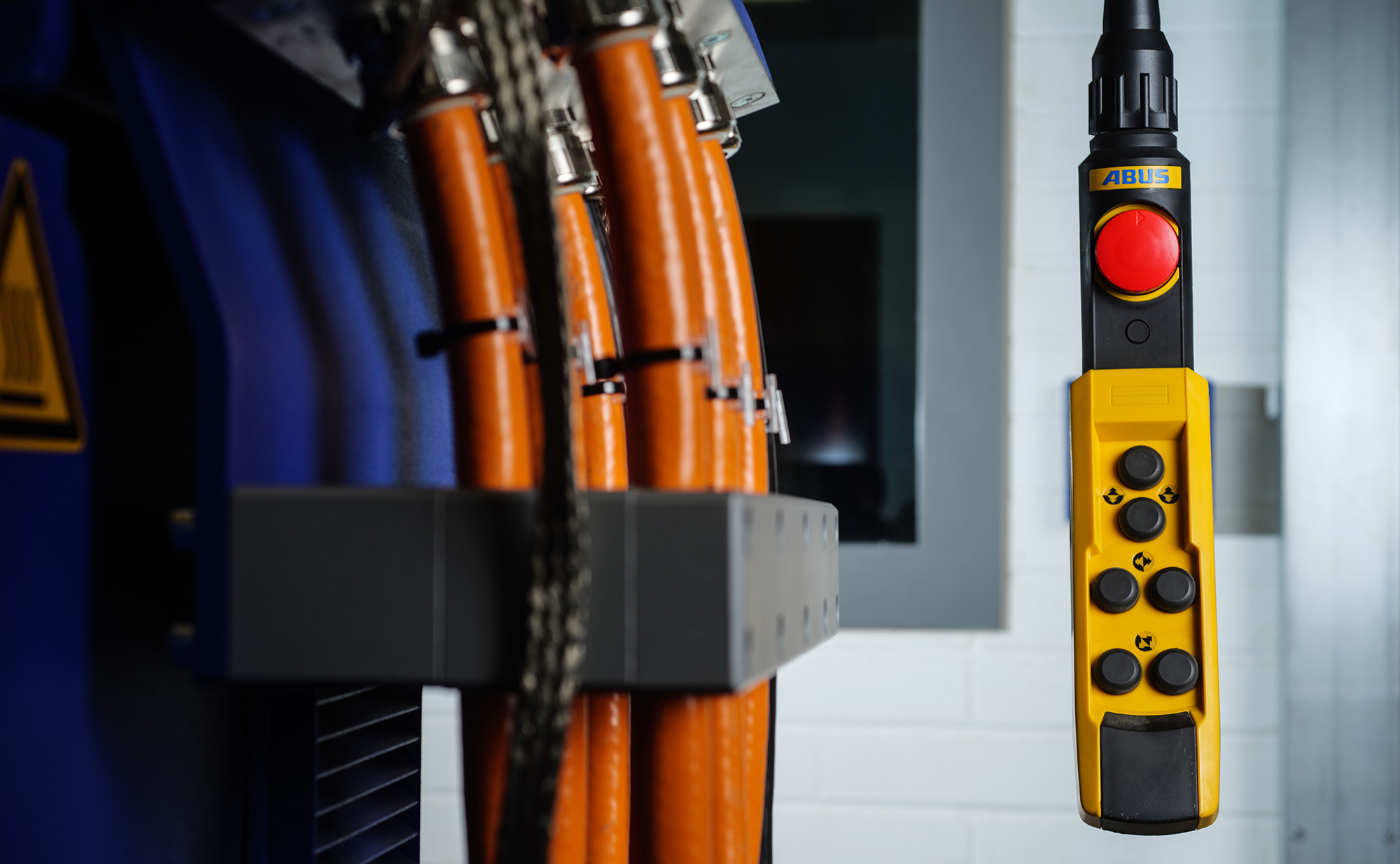
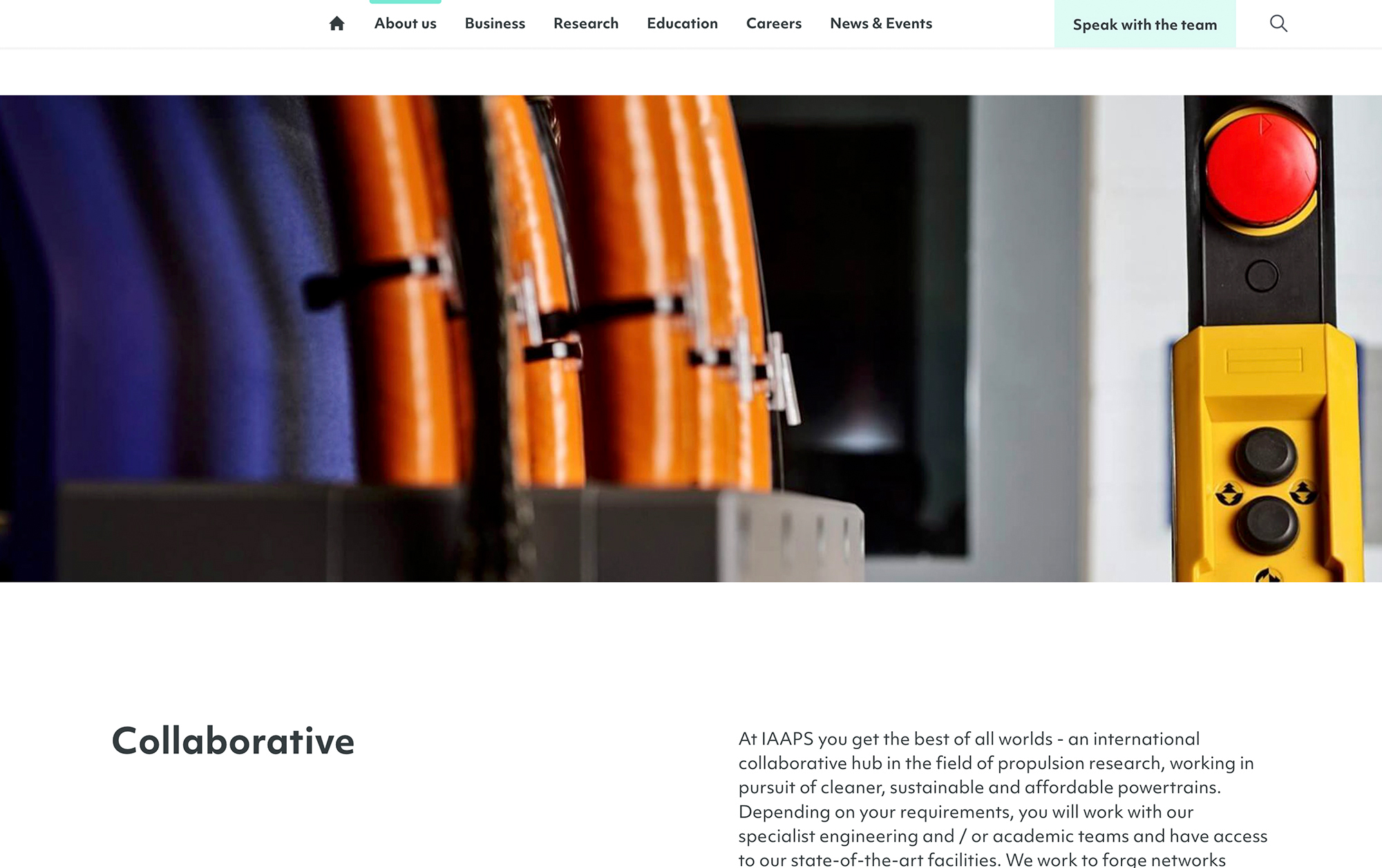
The gallery above shows a selection of the original images alongside screengrabs from the IAAPS site to show them in context.

These images are less likely to be blown up to create a full-bleed banner display, but high quality was still an obvious consideration when I took them, so of course I made sure I had one of my favourite lenses in my bag for this purpose.

One of the joys of the latest cameras (you may have heard the term “mirrorless”, which I won’t explain here) is that you can adapt older lenses to fit them. The Nikkor 55mm f/2.8 macro lens, launched in 1979, is designed for close-up photography. Indeed it’s considered by many as the benchmark by which all other close-up lenses are measured. I have no idea when mine was made, but they were in production for decades.

It’s also an excellent all-round lens for non-close-up work, being sharp and with no discernible distortion. It was perfect for the detail shots in the test cells where I was working at standard distances one minute, and extreme close-ups the next.

I decided to use this lens because I knew it covered everything I needed. I have more modern lenses with close-focusing abilities, but the Nikkor has the edge on overall quality. While it’s possible my client might not have detected the difference between images taken on one lens or another, I do believe in capturing the best-quality images I can.

What the old lens lacks is autofocus (or auto anything!) but manual focus just requires a little more care and concentration. It can slow you down, but that’s no bad thing as it also encourages more thought about composition.

Industrial photography can feel slow. You have to be hyper-aware of the details such as finger marks or dust on equipment as well as the usual considerations of lighting, composition and exposure, but I also enjoy the discipline this imposes.

There is no point rushing industrial pictures. It can take a considerable amount of preparation before even thinking about taking a picture, but my IAAPS client is happy to trust me to do what’s needed to get the best possible results. They’re dealing with high-end clients in an industry which is all about precision; being sloppy in the photography isn’t worth the risk.

While I know there will be additional trips to IAAPS for me in the coming year, I’ll welcome enquiries from anyone considering commissioning industrial photography for their promotional needs. Hopefully, this article gives a useful insight to my process.

My portfolio is always evolving, so check it out here if you’d like to see more of my work.

Who’s Afraid of False Reports?

What will you be doing this weekend? Don’t tell me, I don’t care because I’m going to be buried in Stephen Leslie’s book, just released, called Mostly False Reports.

If you don’t know Leslie’s work, I’m not talking about Virginia Woolf’s father (also a Stephen Leslie) who died, oh I dunno, quite a long time ago. No, this is London-based film director, screenwriter, and street photographer Stephen Leslie. He’s still very much alive.

I’m not a huge fan of street photography, so I’m very picky about who within that genre I follow or take note of. Leslie is one of them. Dougie Wallace and Matt Stuart also spring to mind (I realise there are no female photographers in there so if someone can point me their way I’d love to see that perspective too).

For the life of me, I can’t remember exactly how Leslie’s work showed up on my radar, probably through Instagram, but however it was, my interest in his work was cemented through his YouTube channel where he posts excellent if occasional videos focusing on photographic themes or specific photographers. His knowledge of photography, its practitioners, and history is impressive, but he rarely speaks of his own work.

What Leslie does with his images, exemplified in his latest book, is to compose made-up narratives around the photos he’s taken. The images already benefit from Leslie’s often witty, observational style, but the additional twist of his text, usually in the style of a very short story, delivers yet another layer. Not all the narratives are entirely false, so the reader is left to consider what is true and what is false.

Others will be better equipped to critique this book with more skill than I possess, but without wishing to appear arse-licky I think it’s brilliant. The photography is quirky and entertaining, even thought-provoking (as only the best street photography is). It has a high-quality feel, the design is simple and elegant and the effort and attention to detail are clear.

So you do your thing this weekend, I’m going to be curled up with this book until I’ve been through it cover-to-cover (and possibly back again).

If you’d like your own copy, you’ll have to hope it goes on general sale at some point because so far it’s only been available through the Kickstarter campaign which brought it to fruition. There’s no point asking to buy my copy, it’s not for sale! EDIT: Contact Stephen directly to order your copy. Scroll to the bottom of the page on this link for his contact form.

Have a great weekend