See The Portfolio, Understand The Process

With the exception of David Bailey, every photographer has to keep their portfolio fresh and updated regularly. While for some that still means a printed volume, for most photographers it’s their website, which is what I’ve been working on lately.

The question photographers have to ask themselves as they work through this process is, “What makes a picture worth adding to my portfolio?” The question you might ask yourself is, “Why should I care?”

Well if a client understands the thinking behind what makes a good portfolio, they can also understand what a portfolio says about the photographer behind it.

There’s plenty to think about, but it’ll start with context (ie. what kind of photographer they are and what kind of work they want to attract), but setting that aside for now, the best way for me to illustrate the subject is by setting down my thoughts. Through this process, I hope you’ll gain some useful insights too.

1. Why Update My Portfolio?

This one’s simple – a regularly updated online portfolio keeps Google (and other search engines) happy. Each time a search engine indexes a website it’s looking for fresh content. Fresh content boosts the value of the site and elevates it in search rankings. I get a fair bit of work this way, so I need to keep my portfolio updated.

2. What to update it with?

Every few months I go through my Portfolio pages to see what’s especially old, or what might no longer be relevant to the types of work I’m doing or want to do.

Showing certain kinds of work will attract enquiries from certain kinds of clients, which is why my site is fairly heavily skewed towards showing corporate portraits – that’s both the work I do and the work I want.

Age isn’t everything – I’ll keep older pictures in if they’re strong and still serve a purpose, but on the whole, I’m looking at recent jobs to see what might be suitable to add to or replace existing work.

When I’m trawling through my recent archive I’ll be searching for images that fall into one of the three portfolio categories: Business Portraits, Corporate Communications, Editorial & PR.

3. What Makes A Portfolio Picture?

That’s where it gets trickier, and while I don’t think I nail this one every time, I see photographers who haven’t mastered the challenge at all. They include their favourite pictures, but this is the wrong place to start.

The challenge is to disassociate yourself from the making of the picture. A portfolio picture isn’t good just because you like it. It isn’t good because it was hard to make, or because you made a silk purse from a sow’s ear.

A portfolio picture has to be good in its own right. While Google won’t even care if a picture is interesting, in focus or correctly exposed, a potential client has to be convinced by the quality of what they see. What they won’t see is the effort or the circumstances surrounding the making of that image, so its entire strength will come from its quality and content.

4. What Is The Context?

I mentioned the context in my introduction, and there I was referring to the type or field of photography being promoted. A wedding photographer will have different considerations than an industrial, architectural or food photographer.

Similarly, I need to apply different considerations when choosing images for any of my three categories. Let’s briefly go through those:

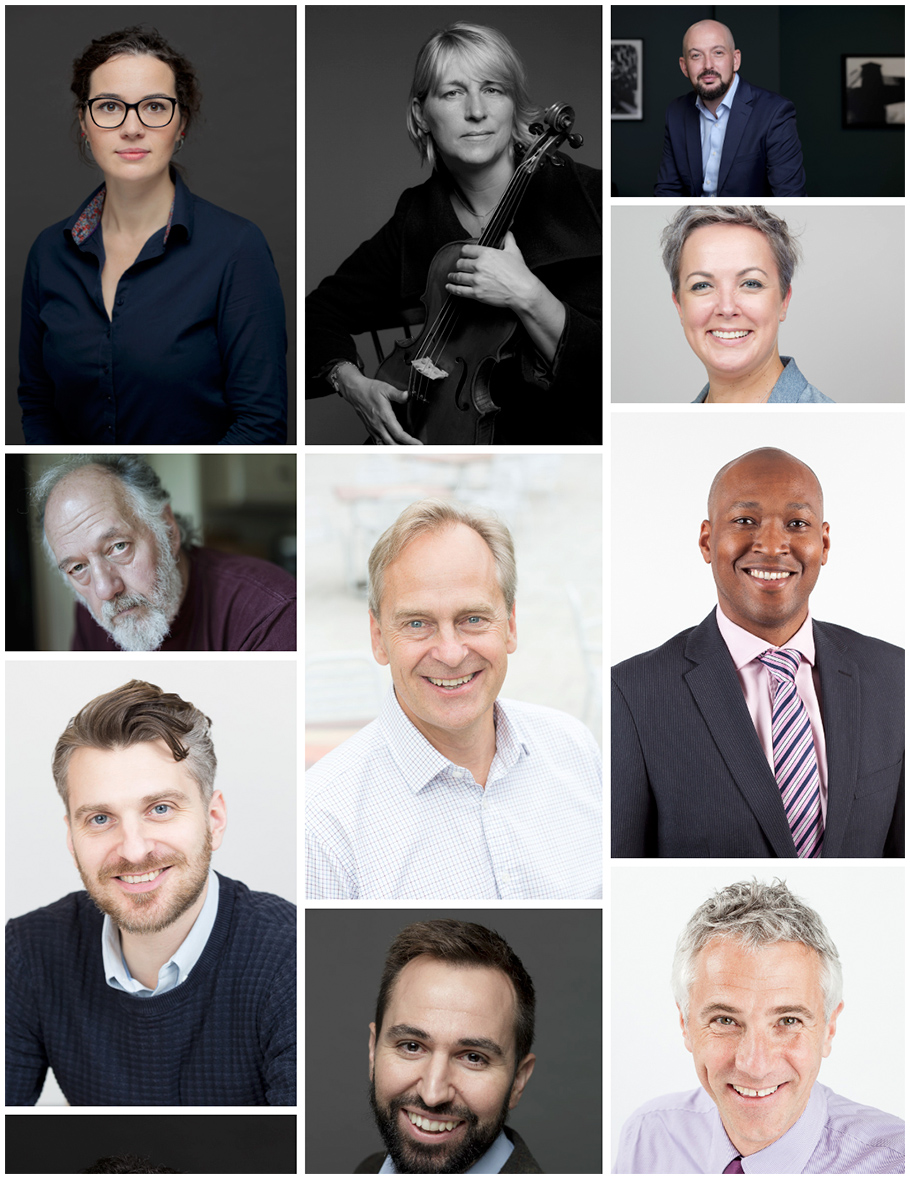
Business Portraits

Here I want to show the quality and style of my portraiture, but I’m also looking for some variety. Beyond the basic headshot against white, I also want to show I can create different styles, moods and even orientations (upright or landscape). I also include a few images to suggest that a portrait can mean more than a simple headshot and can include some context, which stylistically starts to overlap with Corporate Communications.

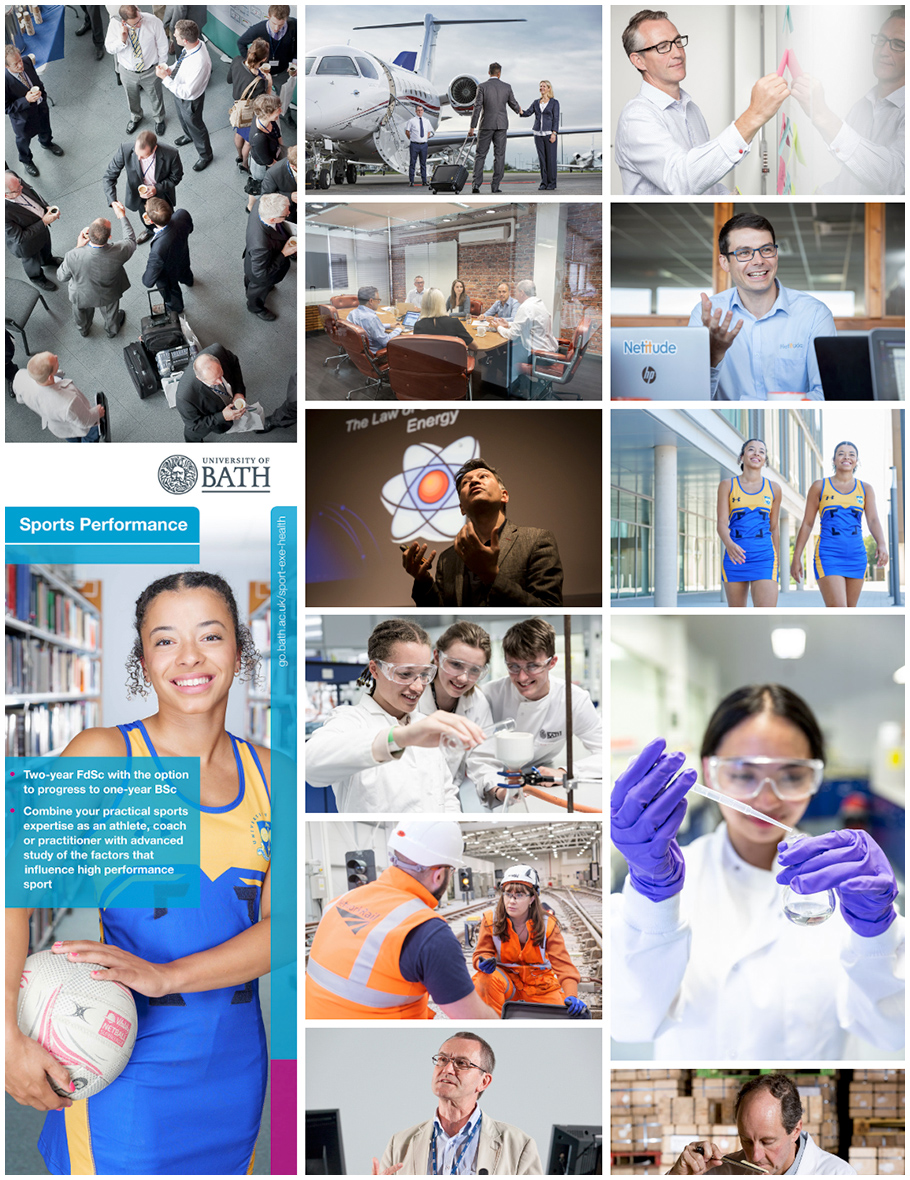
Corporate Communications

This is broader than just headshots, so it’s an opportunity to show greater creativity. These images might include props or location elements; they might be staged or fly-on-the-wall action images. People presenting, interacting with others or with their environment are fairly typical examples of the Corporate Communications image.

I should add that the term Corporate Communications refers to everything I do for my clients, but I sub-categorise these images to differentiate them from pure Business Portraits or Editorial & PR images.

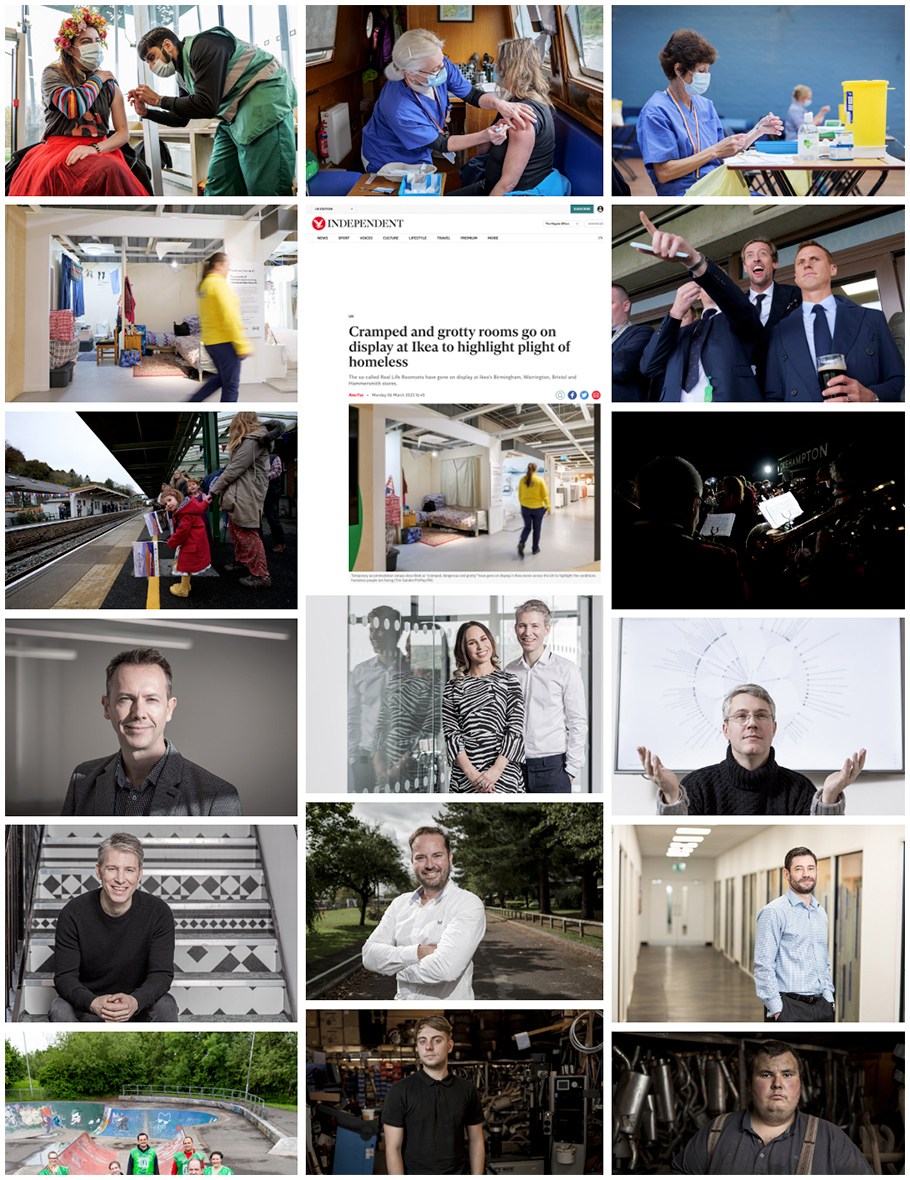
Editorial & PR

This gallery is unusual in that I’ll often include screen grabs of the images ‘out in the wild’ in news media sites, allowing clients to make the connection between my work and the possible exposure it will bring them.

The nature of the category means I might be showing work which has more of a story to tell, but the image should still be as self-explanatory as possible (though my captions will also help explain the context and reason for the image).

For this category, I’m looking for images of a news or feature style. They were shot for a newspaper, press release or corporate news web page and therefore have a different look to those shot for general Corporate Communications.

Site-Wide Refresh

While the focus of this article has been on the portfolios, I also regularly update my homepage image as this is the first impression potential clients get. It also makes the site more attractive to search engines as they favour new content over old.

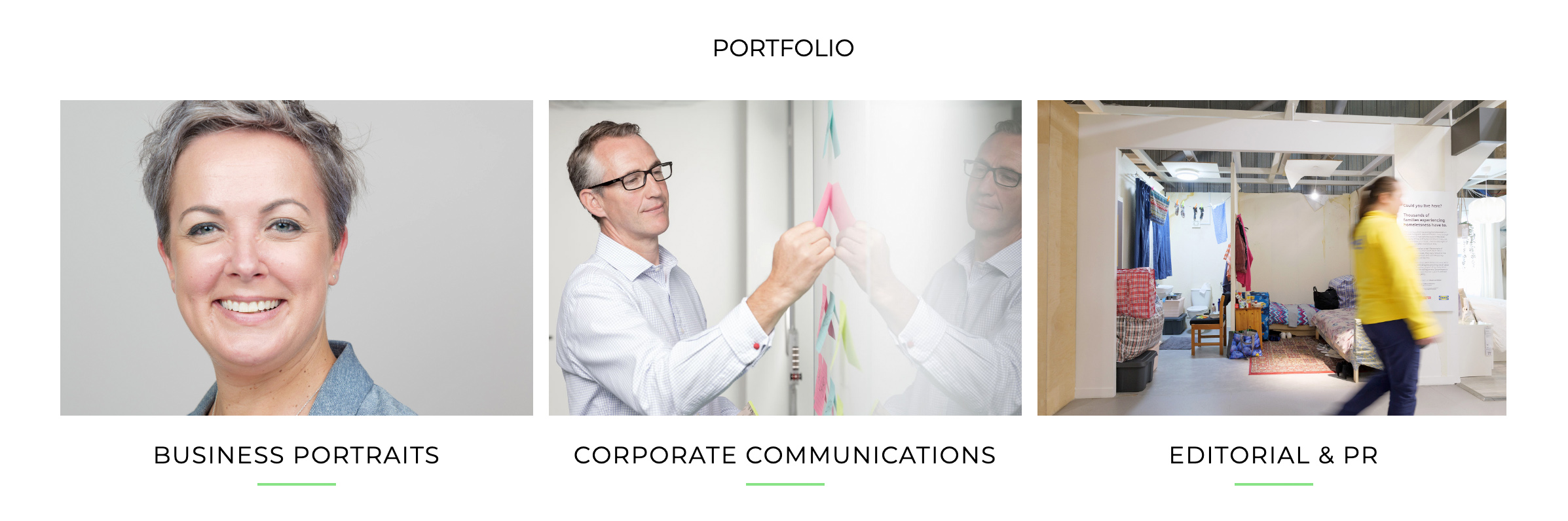
As if all that wasn’t enough, this time around I’ve also updated some of the featured pictures for the top-level Portfolio menu, again keeping the site a bit fresh for returning visitors and search engines alike.

Summing Up

In essence, if you’re a client casting around for a photographer for your next project, it’s worth having a bit of insight into what you’re being presented and why.

If a portfolio doesn’t even present examples of the genre you need, move on to the next site. For example, photographers who showcase family portraits are probably not going to grasp the particular challenges and requirements of corporate or business portraiture.

It’s important to match genre as well as style and quality to your requirements to avoid costly mistakes, and I hope this article goes some way towards avoiding that scenario.

Now you’ve read this, why not take a look back at my website? I’d love to hear if it’s changed your perception of what you see.
Carry On Lurking

Social media is a funny old place. I can post images to my Instagram account, Facebook, Threads, X… (to be honest, the list is starting to become overwhelming) and see very little activity. Likes elude me.

For the most part I ascribe this tumbleweed reaction to a couple of issues. Firstly, many people are a bit tired and bored of social media. It’s been around a while and the novelty has long worn off.

The next aspect I would describe as Like Fatigue. I’ve experienced Like Fatigue myself, and it’s when you scroll through a feed, see something you like, but don’t feel compelled to ‘Like’ it with a press of the thumbs-up, heart or whatever. It just seems like too much effort!

People are busier than ever. We all have lives to live, jobs to hold down and commitments beyond the digital sphere. Even if we have time for social media, it’s more limited than ever before. This not only follows on to my next point, but also circles back to what I alluded to in my opening line – there’s just too much choice!

Due to lack of time, not only can I not always hit every channel with every picture I take, but audiences drift between SM platforms and might not see what I’ve posted (boohoo me, I know).

Then there’s the dead hand of the algorithm. I’ve lost count of the people I’ve lost track of because the algorithm no longer serves up their posts in my feed. Sometimes I’ll suddenly remember someone whose work I used to like and I have to go and search them out to see if they’ve posted anything I’ve missed. I’m sure I have followers who’ve had a similar experience of losing track of me due to algorithm constipation.

But there is one group who have always existed; the Lurkers. Right from the very start of my Social Media dealings I’ve known there were people who saw my posts, enjoyed them, but never Liked or commented on them. I would be oblivious that they’d seen them at all. Then one day I’ll be on a corporate job, or shooting some PR event, and someone will come to me to tell me in person how much they enjoy my personal project work. Indeed I’ve even had bookings as a result of what someone has seen!

I also suspect some clients book me because my Social Media postings of my personal work have helped to keep me in their minds when it came to booking a photographer.

Bear in mind, the work I post on social media has little in common with my client work, but it clearly has the effect of engaging clients and reminding them that I exist. I’m also convinced it shows people a different side to my work, and they enjoy that.

This last point is a small, subtle, but significant one to me. Shooting personal work can often feel isolating and even pointless. It can also feel self-indulgent to go off and spend time on what might be called non-business work, but because it acts as a soft marketing tool, it’s a mistake to assume it has little value.

While it’s lovely to see a post get Likes and attention from followers, it’s too easy to dismiss my lurkers. So I want to thank them and let them know I appreciate them. I understand there may be many reasons they don’t tap the heart icon, or give my work the thumbs-up, but that’s ok.

My lurkers probably outnumber my active followers, but in my (non-scientific) reckoning they’re also more likely to be clients, or they’re more likely to recommend me to new clients. So I’m absolutely not going to complain about their apparent passivity.

Lurkers, I thank you and you are welcome to lurk all you like. I know you’re there and that’s all that really matters. So as Kenneth Williams never said, “Carry On Lurking!”

Can Freelancers Strike?

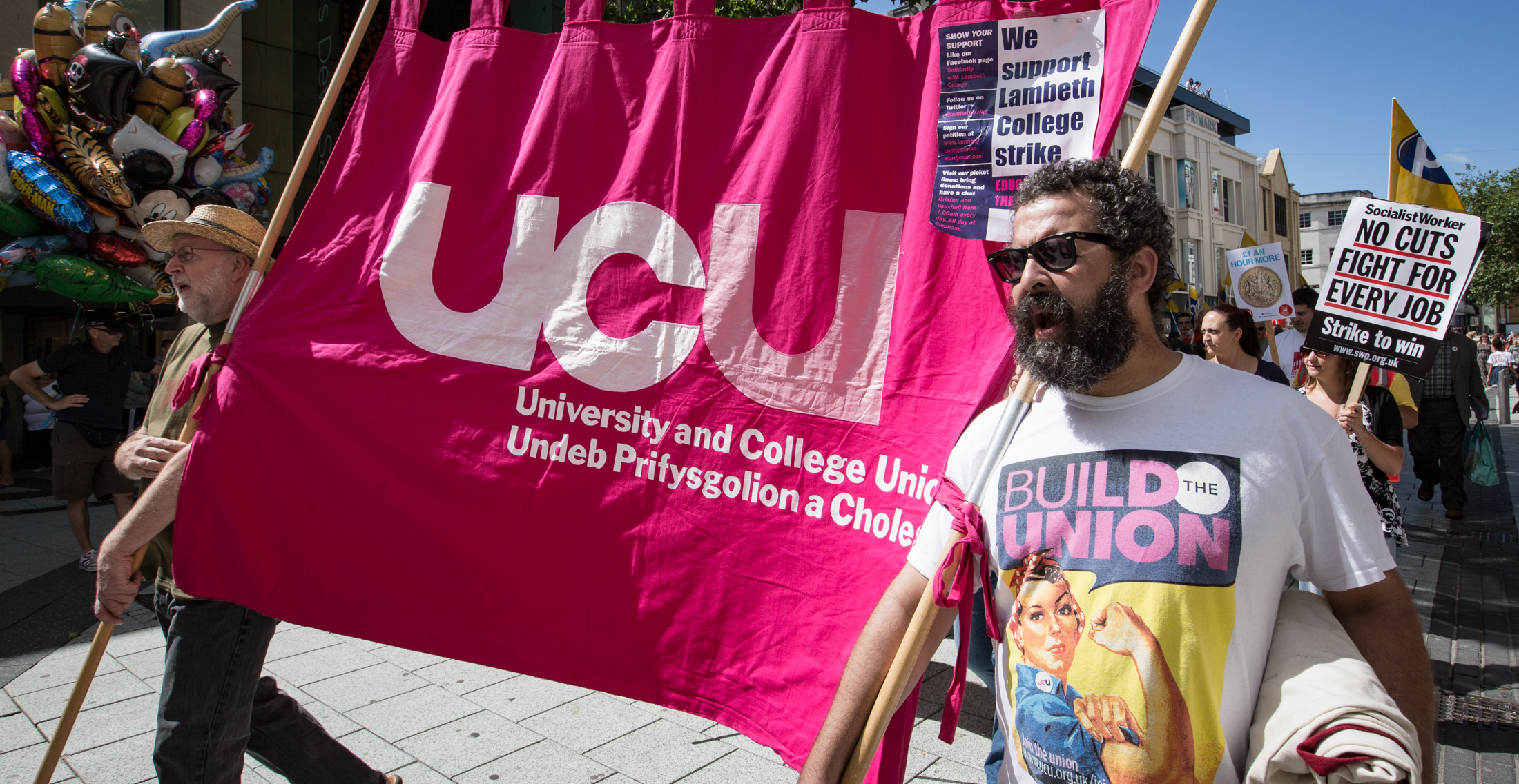
With all the strikes we’ve experienced lately (and on-going), have you ever considered whether freelancers can go on strike?

Well, as a freelance photographer I can tell you I have. I don’t mean I’m on strike right now; I mean I have withdrawn my labour on occasions.

How does that work?

Obviously freelancers are less unionised than those in the public or essential sectors, so we don’t down tools (cameras) en masse, or march down Whitehall waving placards made of cardboard. That said, there are ways a freelancer can withdraw their labour if they’re not being treated or paid fairly.

The most obvious is to simply not take on badly-paid work. Any fool can fill their diary three times over with that. Making a profit is the tricky part, and working below cost never equates to making a living. Particularly true in photography and videography where the tools we use are so eye-wateringly expensive. This means making a living also has to balance with keeping kit up-to-date, in shape and insured.

If I’m approached with an assignment for which the client hasn’t properly budgeted, I’ll try to work with them to either improve the budget, or trim the brief to fit. If neither is possible, I let them know I can’t help further.

Occasionally clients will impose fees they’ve set, but that doesn’t always make them unreasonable. It depends on the work, the level of use the images will get (the licence) and the logistics of the kind of work they’re proposing. If a fee is low, but everything else fits, I’ll often take on the work. There are many factors besides the fee which can make or break a job. However if there are too many warning signs, I’ll gently let the client know I’m not the photographer for them.

Is that striking?

Perhaps not in the strict legal sense of a strike, but many professional photographers liaise through online forums of various kinds and these offer some of the same support and solidarity you can get through a union. These forums also support photographers in decisions not to take on a particular kind of work, or to reject low fees.

That last point has been particularly important in an industry where isolation is the norm. It can be very disheartening to have to reject potential work, especially if jobs have been scarce, but knowing that the client will struggle to book someone cheaper can help the individual to realise their decision was the right one.

Do clients notice?

Sometimes, but not always. Clients will experience similar inconveniences to ‘victims’ of strike action. Whether they notice is another matter.

I know national newspaper picture desks are finding it harder to commission freelancers. The problem is, the fees have been so low for the past two decades that fewer photographers can afford to work for them. The result for the desks is they’re spending more time phoning round trying to find photographers. When they do find one, they might not be getting the quality they need. You have to ask how much money they save by having a highly-paid picture editor tied up with making endless phone calls.

Newspapers are different, right?

Nope. The same goes for corporates too. If a business needs photography for a website, brochure, PR, social media and so on, they need a decent budget to get decent results. But if budget expectations are mis-aligned with reality, they’ll waste time and end up with poor results. The real skill is in spending good money wisely and getting results which punch above their cost.

I’ve already touched on the inefficiency of trying to book someone on an unrealistic budget. Can corporates afford to waste that time? Why strive for brilliance and efficiency within a business, then waste time trying to save money on mediocre results?

Photographers and other creatives (the good ones at least) quickly detect when a client isn’t serious about the work they’re commissioning and will find ways to avoid un-profitable projects.

Again, is it really striking?

Perhaps it’s more accurate to say that freelancers worth their salt will boycott clients who aren’t worth the effort. Freelancers are running businesses just like, well, businesses and they need to see profit from their time and skills. It’s the clients who respect freelancers as fellow businesses who get the best out of the partnership.

What can businesses do?

So if you’re finding it increasingly difficult to engage photographers (or any creative) to undertake the work you need to commission, maybe take a step back and ask if you’re being boycotted.

Consider engaging with a freelance photographer, writer, graphic designer (whoever you use) and see if there are points of friction you can ease. Maybe improving payment times, or simplifying the briefing process will be enough and cost you nothing. Both these actions will also save you time!

Also, if you know the work you’re commissioning is helping to drive up enquiries, sales and profits, consider rewarding that! More than once I’ve had clients ask me to increase my fees because the work I was doing was helping them to succeed.

I know, crazy talk! But consider this; if you offer your regular freelancer a rise on their rates without them having to impose it, they’ll feel exponentially valued and will reflect this in the service they deliver.

So be pro-active, don’t wait until your freelancer goes strangely quiet.


Documenting Challenging Times

On The Vaccination Trail

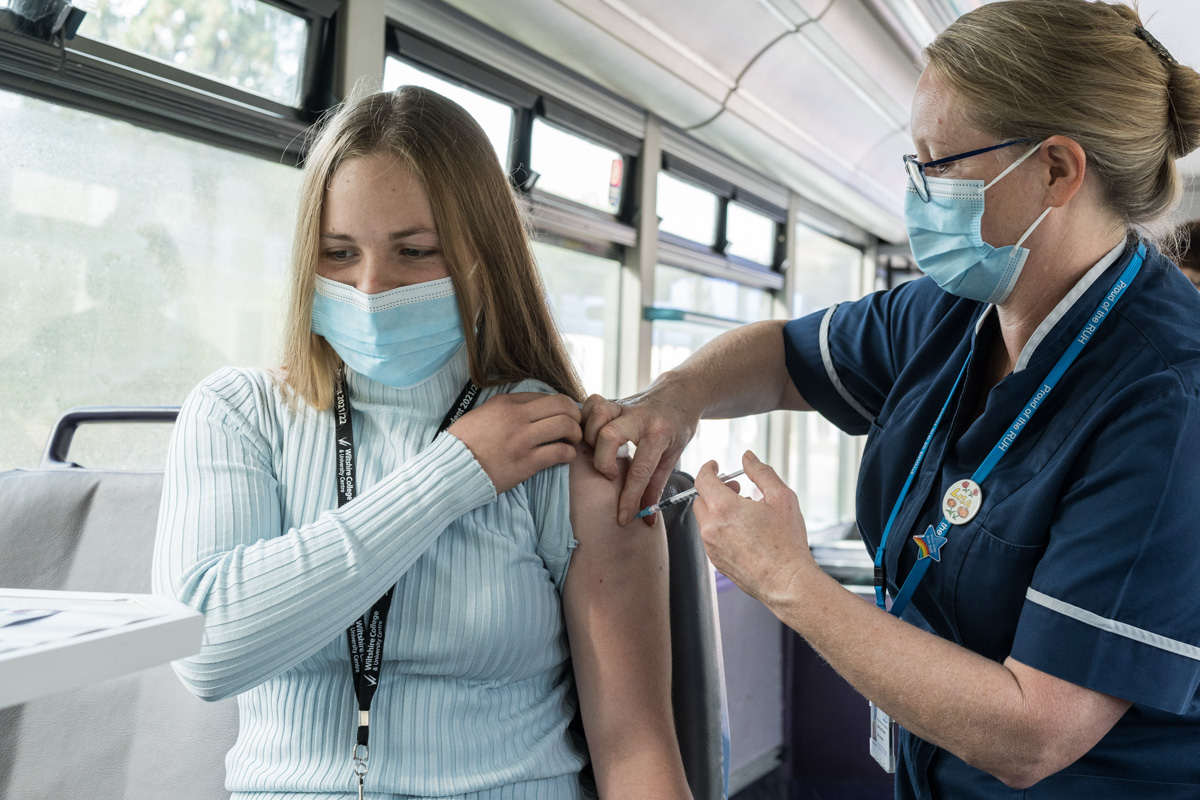
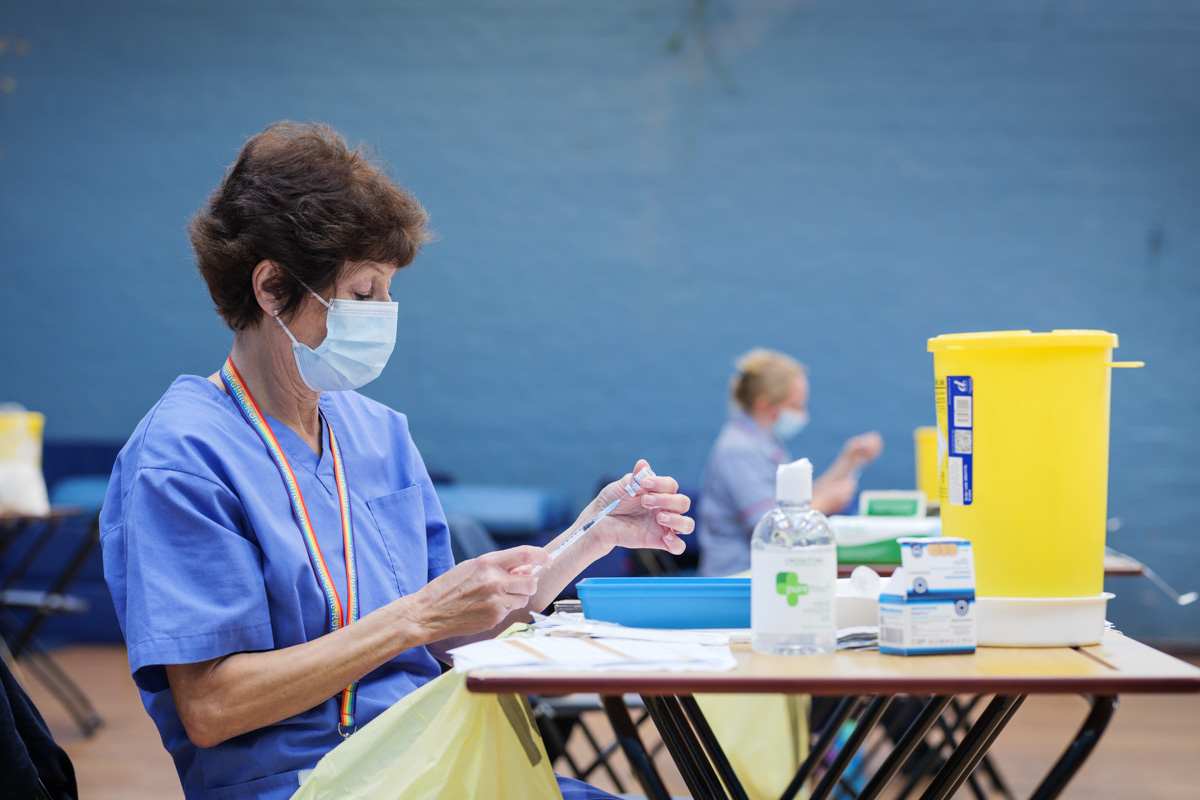
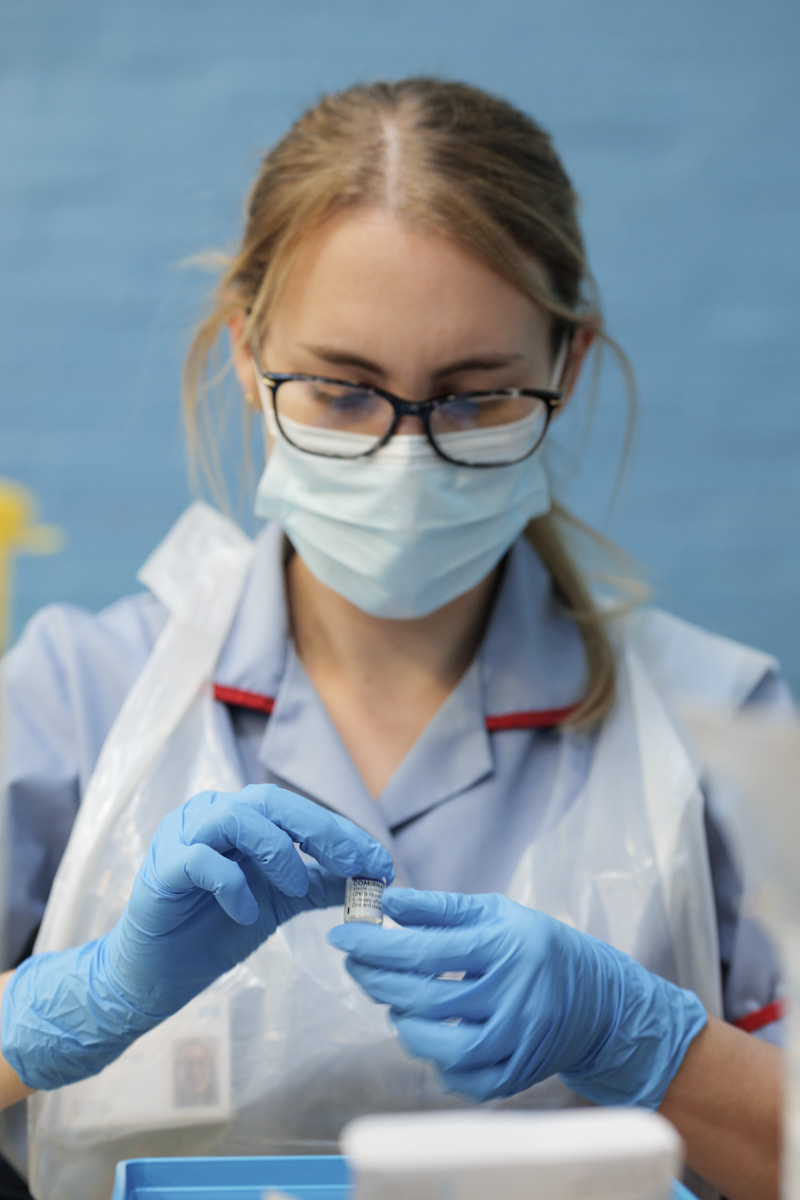
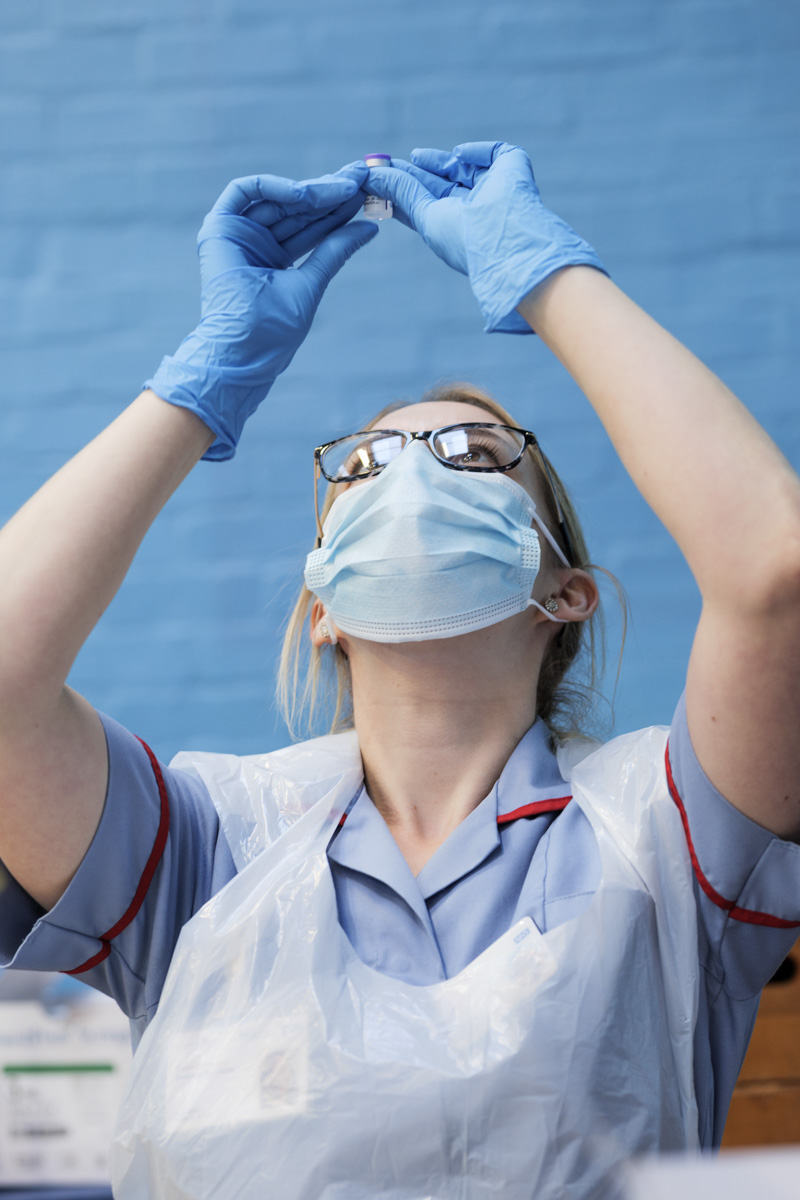
Regular readers will be aware of my recent work covering the vaccination programme in Wiltshire. I’d like to dedicate this post to all the hard-working front line staff who are the reason the vaccination rollout has been such a huge success.

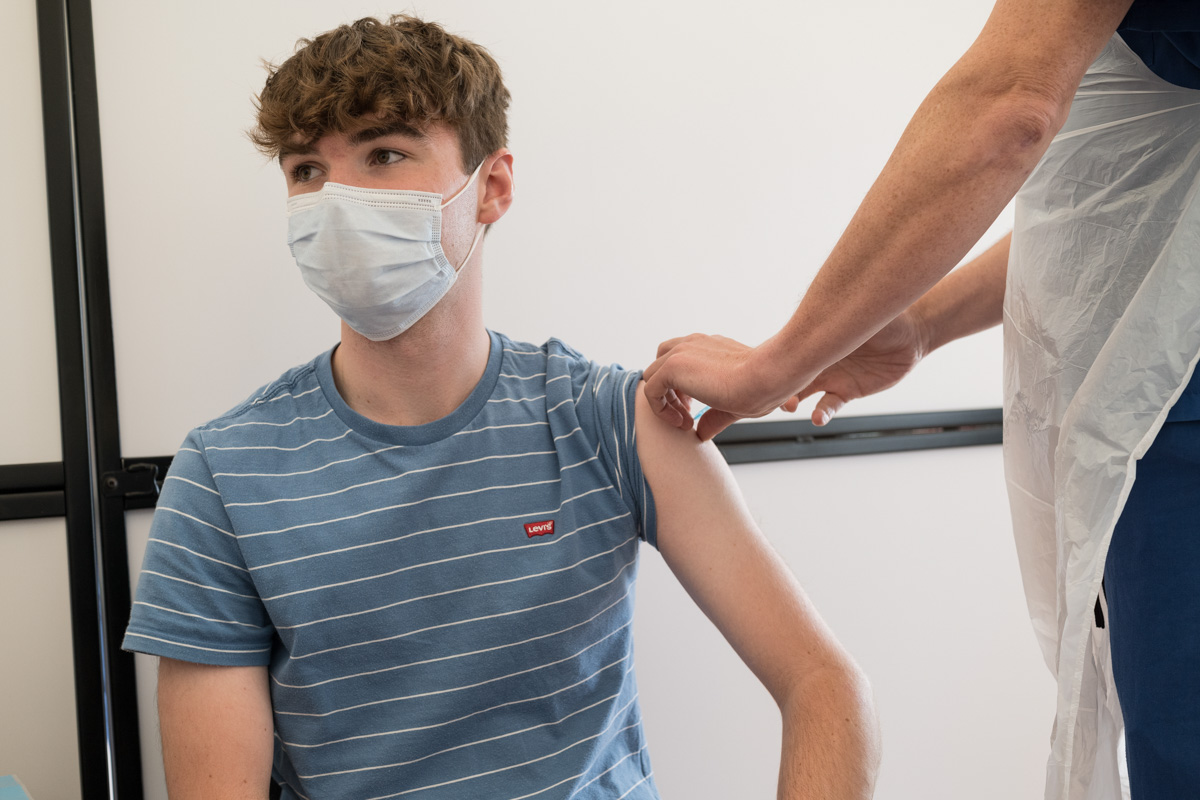
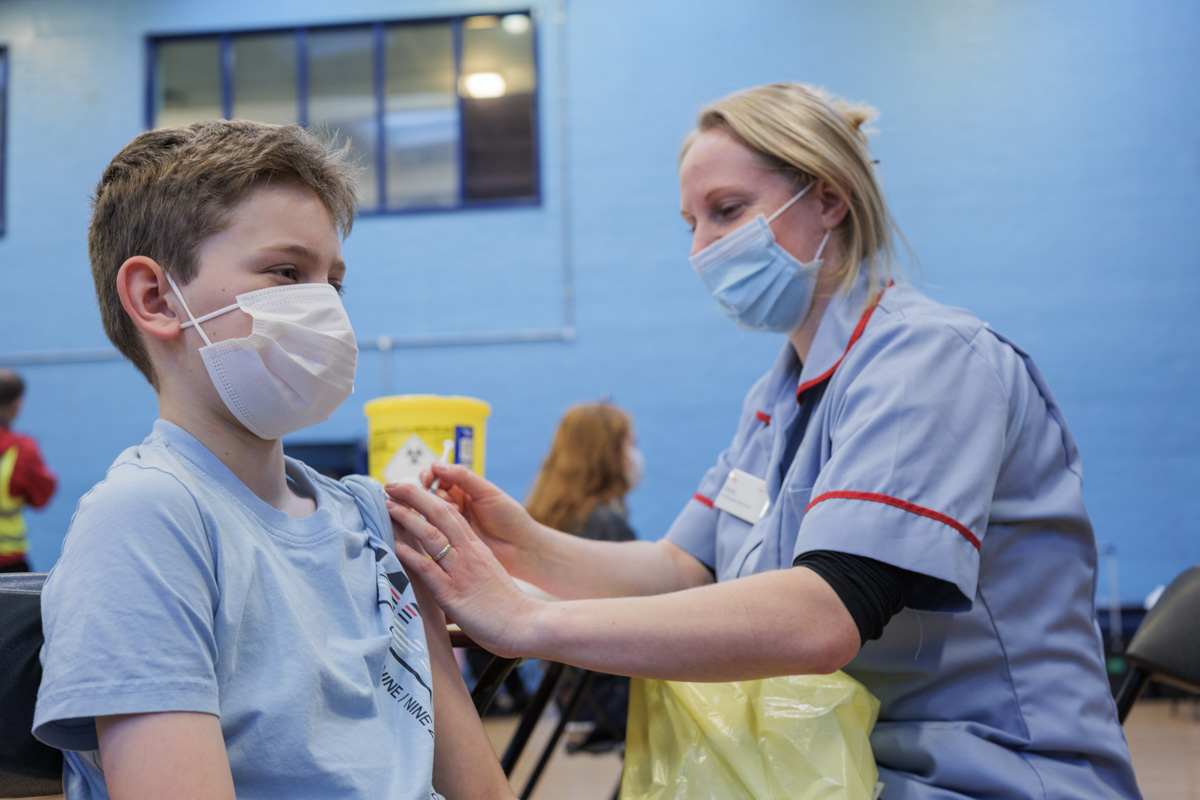
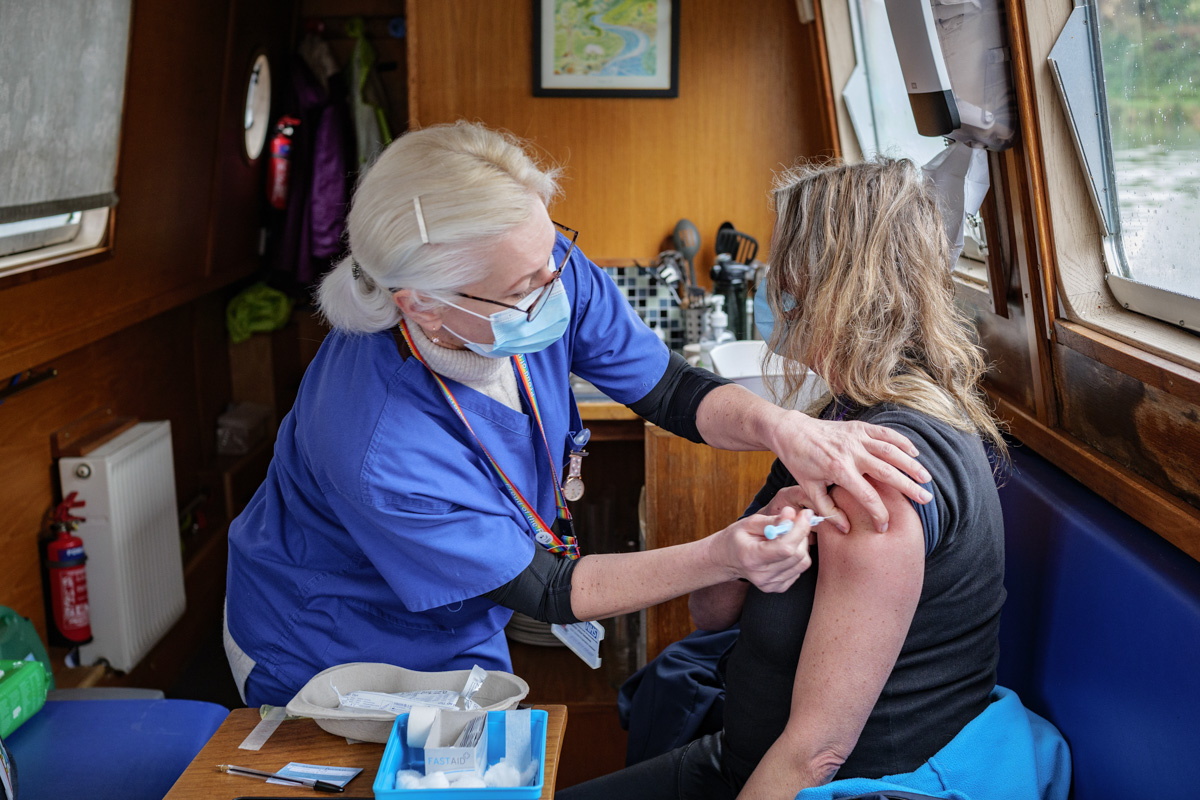
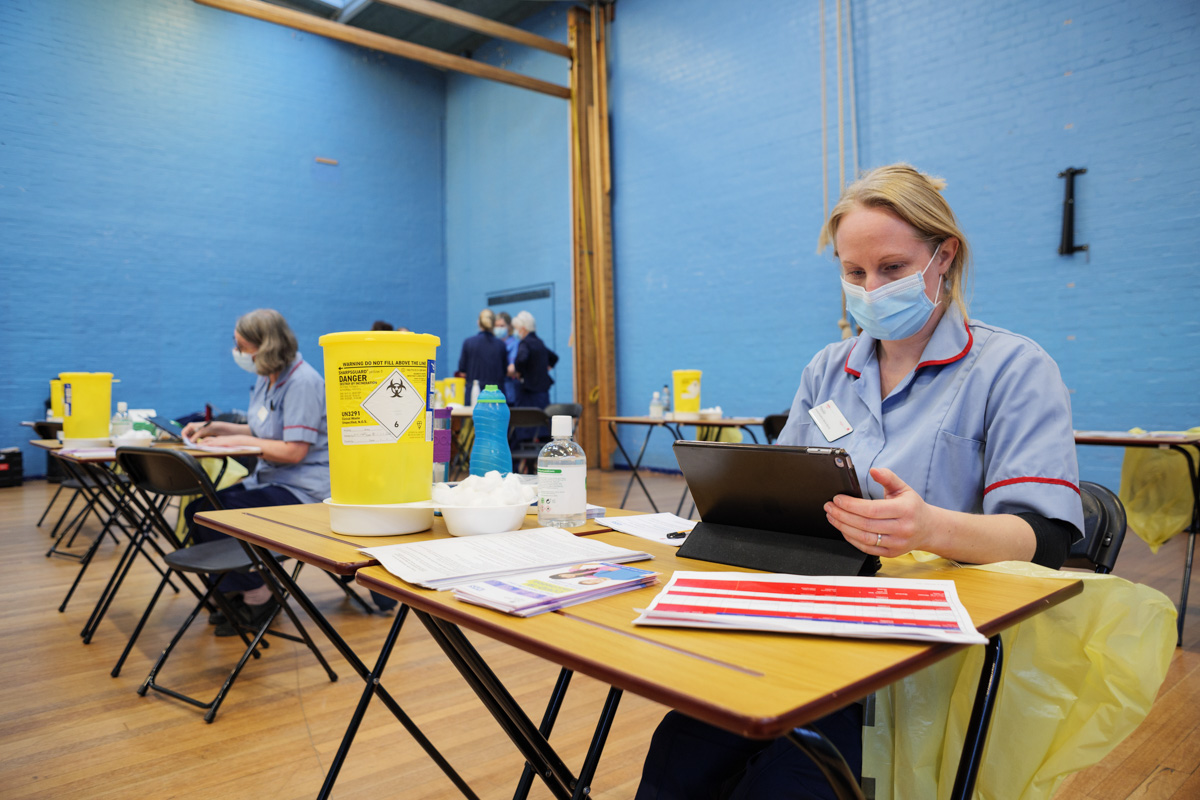
I blogged previously about the initial coverage of the walk-in vaccination service at Bath Racecourse, but since then I’ve visited a mobile service on a bus, a school vaccination day and most recently, a session on a narrow boat.

The client, NHS BANES, Swindon & Wiltshire CCG (BSWCCG), use the images for social media promotion of the vaccination programme as well as for external stakeholder communications and reports. However, the images are more than just PR. They’re an historical record of the regional effort to control Covid-19 and its effects.

A Client With Vision

Perhaps 20 years ago such a huge national effort would have been covered more widely and in greater depth by the regional and local press, but they are largely absent from from the scene. With few (I suspect now the number is 0) industry-trained photographers covering local news events anymore, there’s a vacuum of photographic coverage of important regional stories.

This is a shame, but I’m thrilled to be able to help document what is undoubtedly a critical moment.

While BSWCCG is not a media company, their communications team have recognised the need for photography not only as a promotional tool, but also as a means to document the clinical effort within the pandemic. And though I’m no Dorothea Lange, this exercise echos that need to record a critical issue to raise awareness.

My Approach

Not all of my images are strictly fly-on-the-wall photo-documentary, though I do strive to capture what I witness with as much honesty and integrity as if I was still a staff news photographer.

For example, at Clarendon Academy, the two pupils I had permission to photograph had recently come out of self-isolation after contracting Covid-19. This meant they were unable to have their boosters on the day, so I posed those shots with empty syringes (and they were captioned as posed). However the images of the nurse at the dilution station were all taken as she did her work. Nothing staged, pure documentary.

Meanwhile for the narrow boat visit, as for the Bath Racecourse and Lackham College sessions, the vaccinations were real and I had to get my shots live. I couldn’t ask a nurse to hold a position or pose while I got set up – I couldn’t interrupt the process of administering an injection.

This makes for some challenging moments. In particular, in the cramped confines of a narrow boat I had to be very aware of my surroundings. Hats off to the staff who had to work in there all day; I kept my time on board to a minimum.

Regardless of any challenges, I have to go in with a calm, professional attitude. Being jittery about camera settings, working in the rain, with difficult light, or stressing about working in a mask will transmit to those I need to work with, and they’ll react negatively and rightly so. They have a job to do and protocols to follow, they don’t need a clown in the room.

Thank You

So I want to say a big thank you to NHS BANES, Swindon & Wiltshire CCG for commissioning me. I value my involvement in this effort and if there is more to come, I’ll relish the opportunity to play my small part. Also to the administrative staff who’ve been so helpful and in particular to all the registered nurses who, while being utterly professional in their work, have accommodated me in mine.

Thank you.

And Finally

This is probably my final post for the year. I’ll be back in January, kicking off with a look back at 2021 and a look forward at 2022. So have a great and safe Christmas and New Year and I’ll see you again soon. Thanks for staying loyal through 2021.

Tim

Lens Love

It may surprise you to know this, but I have little time to get sentimental about camera equipment. I do enjoy working with my old film cameras, but my digital gear is just tools for the job.

The exception to this is one lens which I’ve been using a lot lately. It’s one of those little gems that just seems to quietly help you get the job done.

The Joy of 40mm

I’ve long favoured fixed 40mm lenses. I discovered the joys of a 40mm lens when I bought Canon’s dinky 40mm f/2.8 STM lens, which I use on my Canon film bodies. This prompted me to buy a Voigtländer 40mm f/2 lens for my 1973 Nikon F2. However for my new digital gear I only had zooms.

That is until I picked up the Sigma 45mm f/2.8 Contemporary lens. Yes, 45mm is close enough to 40mm for me.

Reading forums, this lens divides opinions. Some write it off for being too “slow” (as in, the maximum aperture isn’t nearer f/1.4). It’s claimed not to be sharp, but my God is this lens ever sharp! It is light, quick to use, engaging and I just love the results it can deliver.

I’ve used it on quite a few jobs recently, and almost exclusively on the recent Covid vaccination jobs I’ve shot for NHS BANES, Swindon and Wiltshire CCG. Its unobtrusive size, speed of use and quality were perfect for the fly-on-the-wall images I needed.

Practice Practice Practice

Between commissions I’ve been trying this lens out extensively. As I’m sure I’ve said many times before, using a commission to get familiar with kit is not a great idea. It’s best done in down time, not at a client’s expense.

So this morning I spent more time with the Sigma lens working on some tests shots with a new flash unit, another piece of kit recently acquired as I transform my equipment line-up to better serve my clients’ needs.

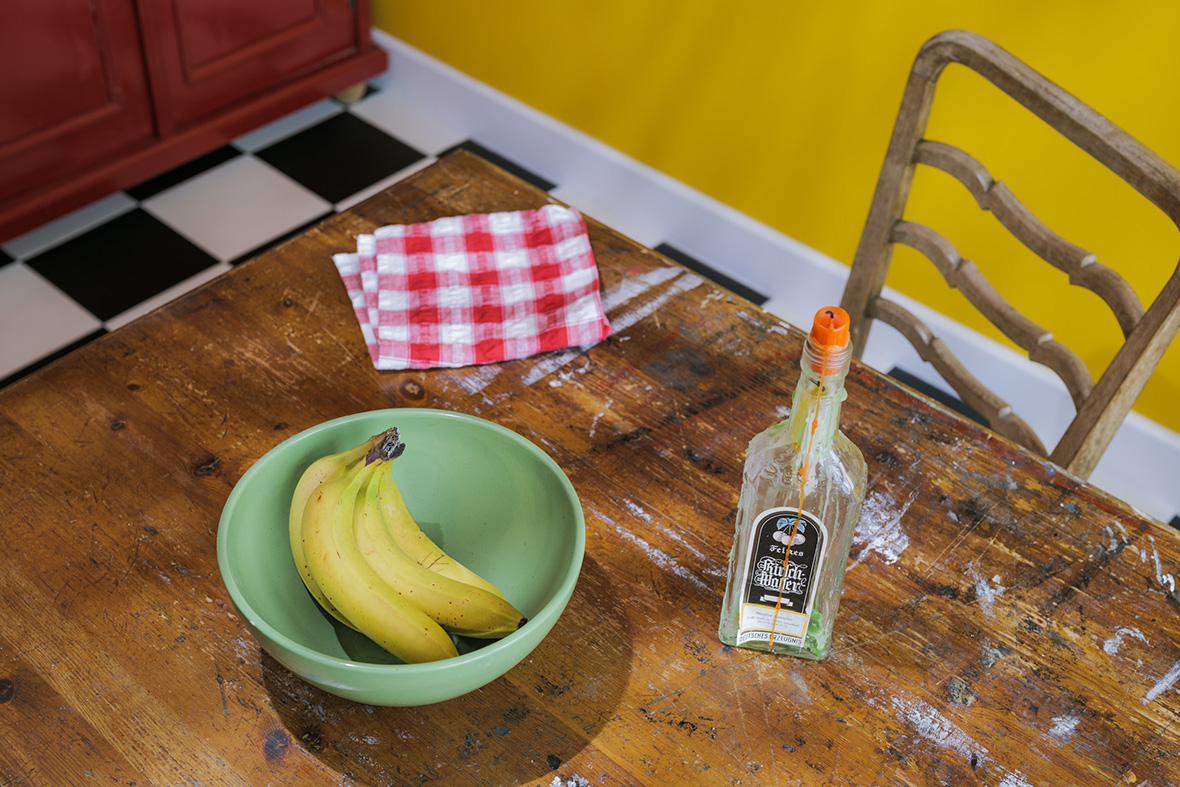
One of my favourite test subjects at home is our dining table, which we bought via Facebook from an artist. We were going to strip and re-varnish it, but decided we love the paint splashes and gouges so much we’ve left it as-is. It makes a great backdrop to still life images, which are perfect for controlled equipment tests.

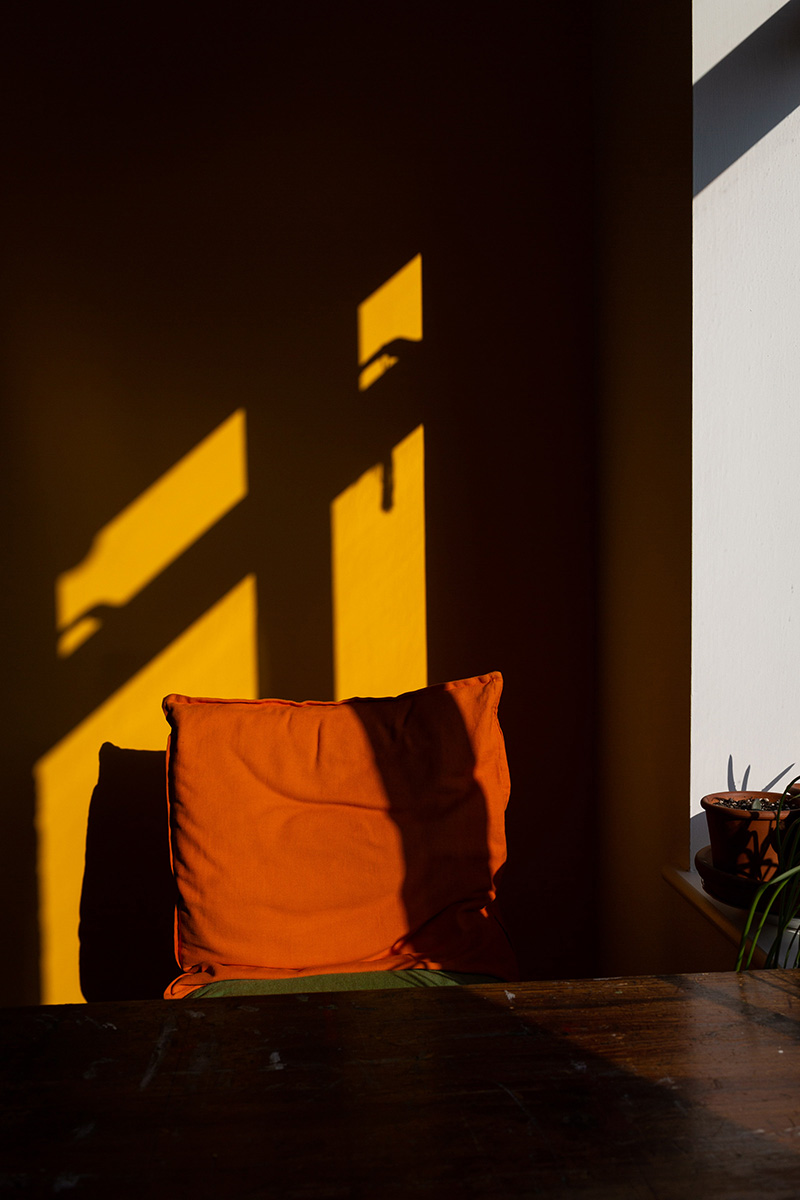
This image might become part of my Home Front series, which I started during the first lockdown of 2020. At the very least it was a good exercise in testing this new lens/flash combination, but the more I worked on the picture, the more I liked what it said as a photo, above and beyond mere test subject.

Take a Butchers At This

After all these years, I still get a buzz from sniffing out a good little story.

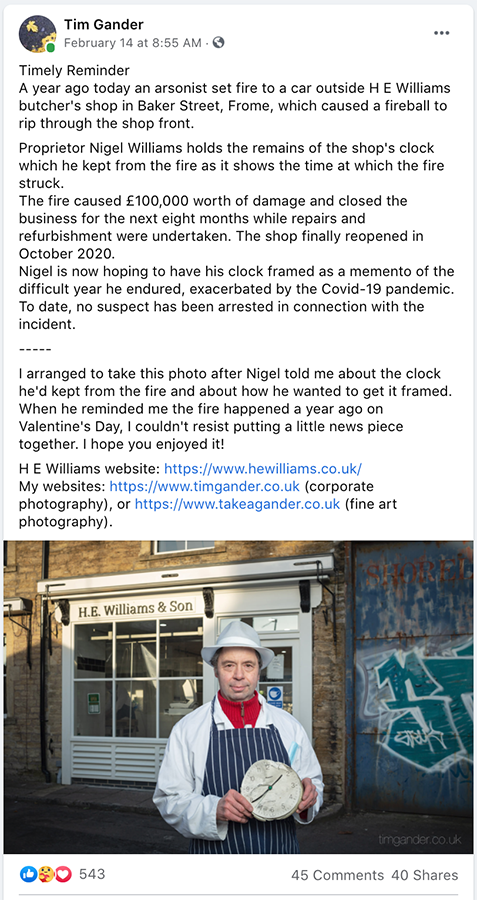
This one came out of a chance conversation with my local butcher, Nigel.

A few days before Valentine’s Day I’d popped along to pick up some eggs, ham… the usual, when Nigel asked if I’d be willing and able to help with something. Being the top bloke Nigel is, of course I said yes.

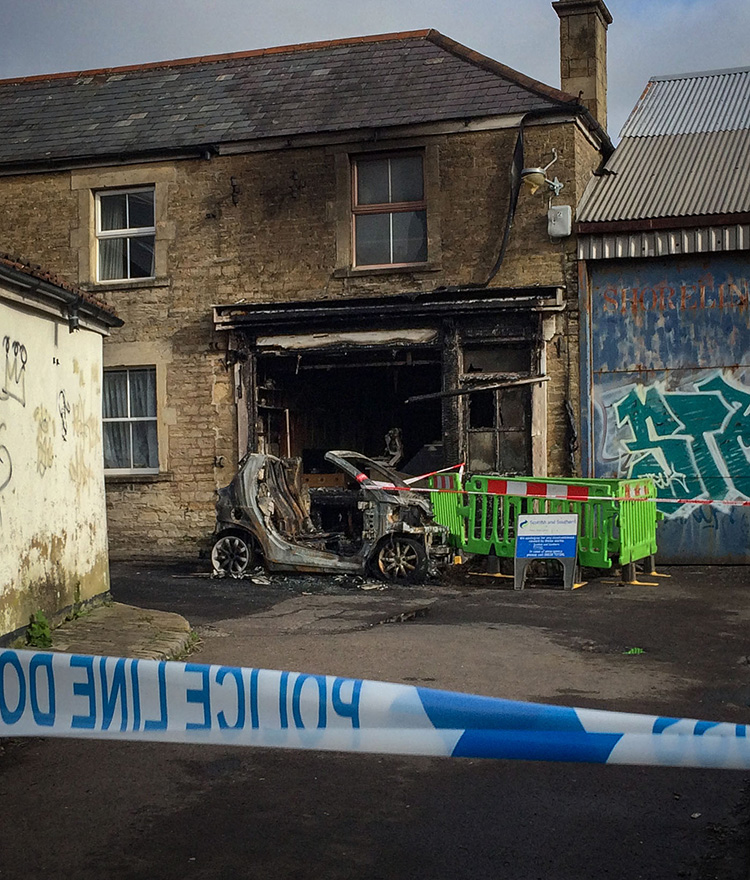
A year previously, Nigel’s premises had been destroyed by fire when an arsonist set light to a car parked outside the shop front. He wanted to know if there was some way of getting the remains of the shop clock framed for posterity.


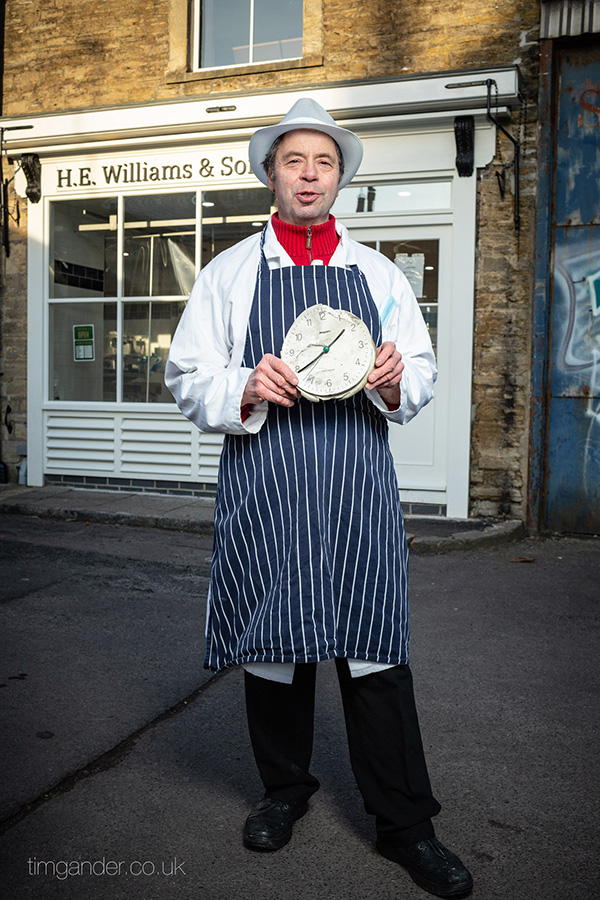
The Dalí-esque clock.

He showed me the half-melted clock (which had stopped when the fireball ripped through the shop) and said although he felt it was a silly thing to keep, it was a reminder of the tough year he’d had – this of course in addition to the pandemic.

The best I could do was to recommend contacting local framers to see if someone could make a box frame for it. But before I left, I had an idea.

I asked if I could pop back later and take a photo of him with the clock to mark the anniversary of the fire. And though I could sense his surprise at the idea, he agreed.

And so on the Friday before Valentine’s Day I returned when the shop was quieter and Nigel posed outside for me.

Happy Valentine’s!

That Sunday, which was Valentines Day and the actual anniversary of the fire, I posted the photo with some copy to the Frome Facebook page.

I know there’s a lot of affection in the town for Nigel and his business, but I didn’t expect the reaction my post got. Hundreds of Likes and not a single negative comment.

As a result, Nigel was contacted by customers who hadn’t realised he’d re-opened and someone got in touch to ask if he could make a box frame for the clock, so there were some real-world results to this exercise.

The PR takeaway.

What this also demonstrates is that there are very accessible PR opportunities out there, and with an intelligently crafted photo and copy, the reach can be surprising, the results heartwarming.

It’s well known that well-taken photos and well-written words will reach far more people than an advert (or badly executed photo and copy), and will be far cheaper than equivalent advertising to reach the same audience.

The trick is, knowing when you have a good little story.

I make PR pictures for clients who want to get their message noticed. Drop me a line to discuss your next PR or branding project.

My Personal Plain

Casual visitors to my website might be a bit confused if they read my blog. I’m supposed to be all Mr Corporate Headshot, Mr Corporate Comms and so on, yet my blog is often about my personal work.

Certainly SEO “experts” would have a thing or two to say about the fact that I’m not plugging the corporate work week-in, week-out, but I’m not sure they understand photography (or people), which in my view is a bit of a shortcoming.

Those experts will presumably have some understanding of search engine algorithms, but I’m more interested in posting material which allows potential clients a more three-dimensional view of my practice.

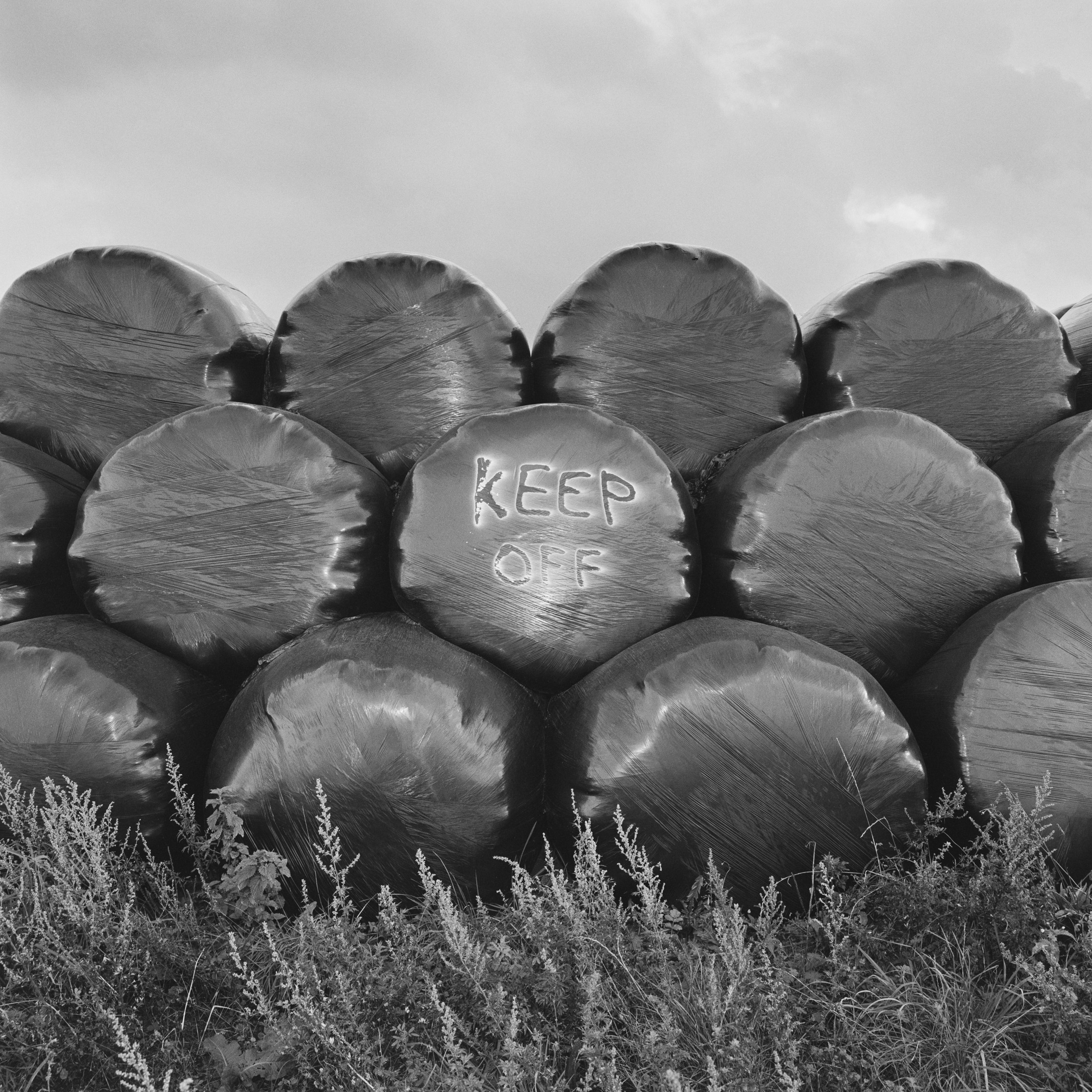
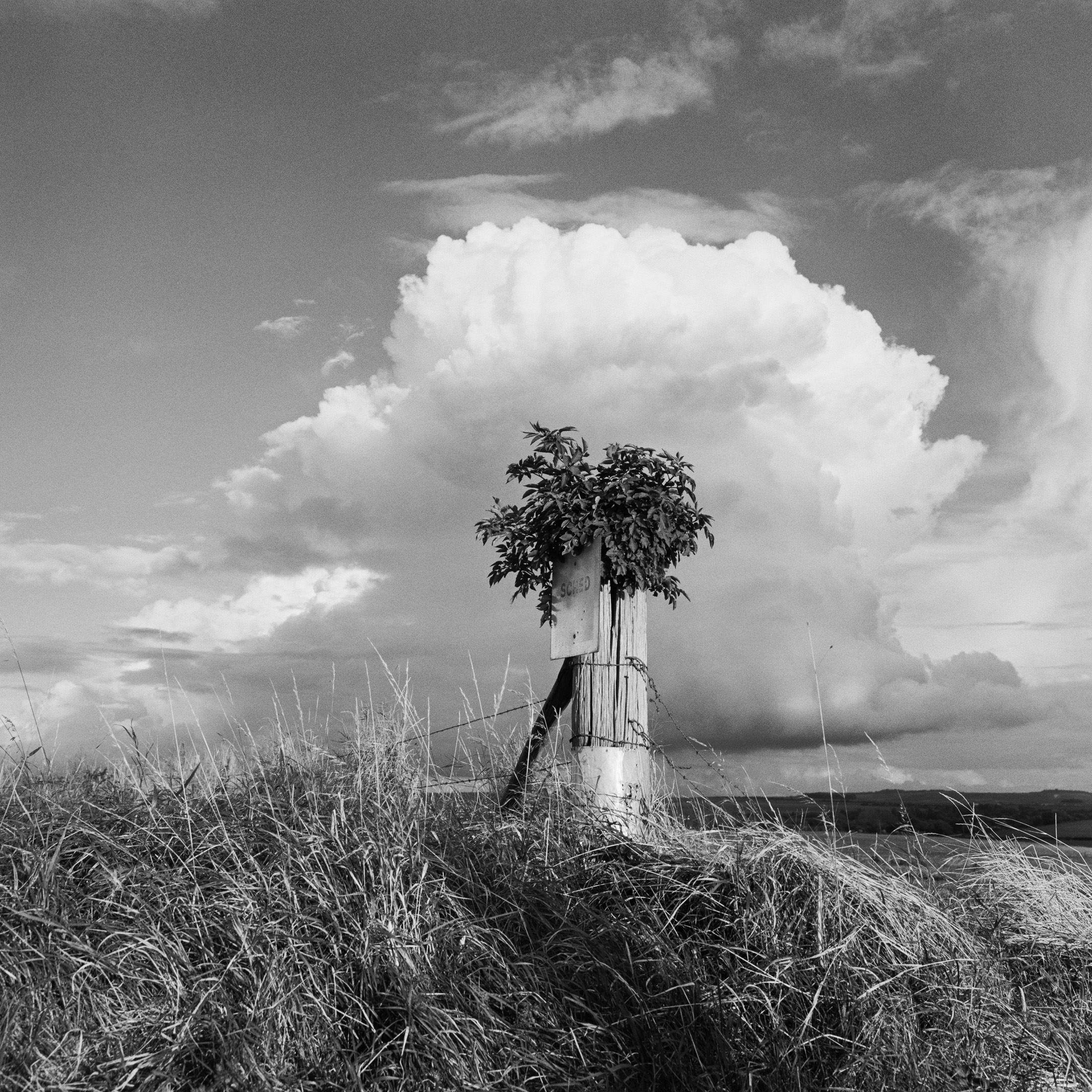
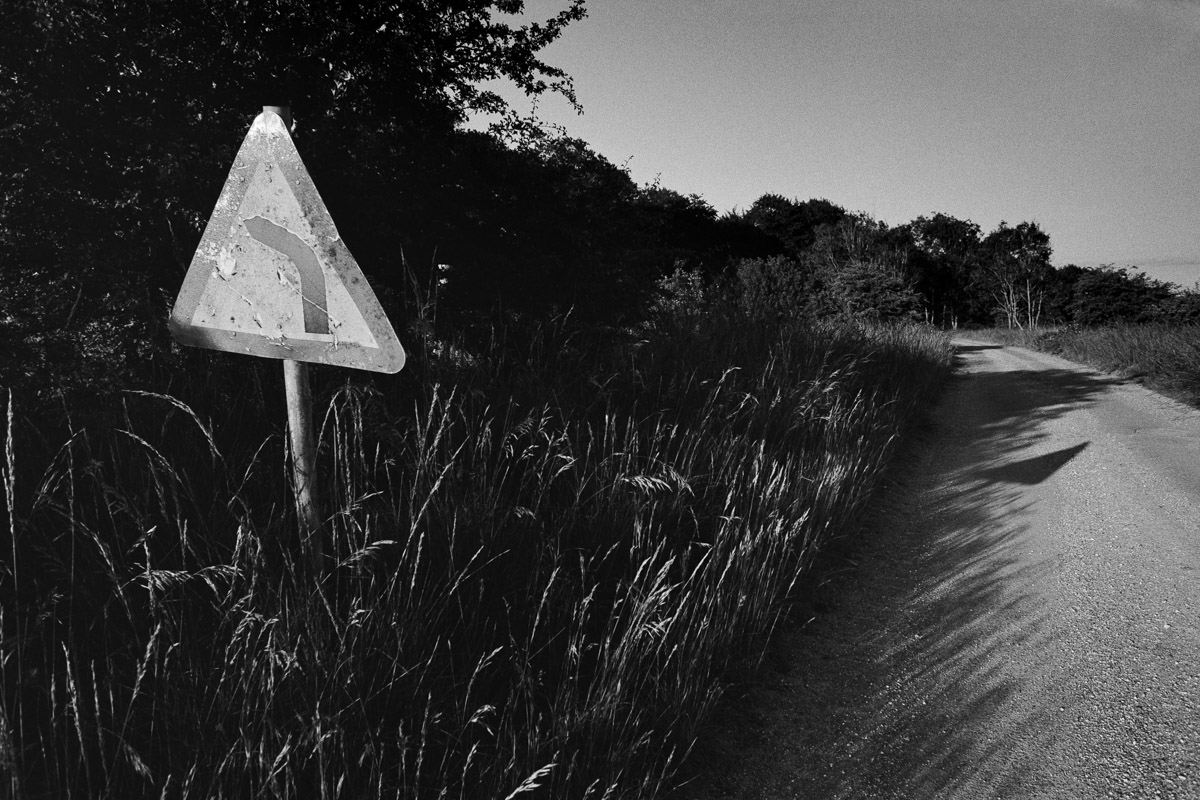
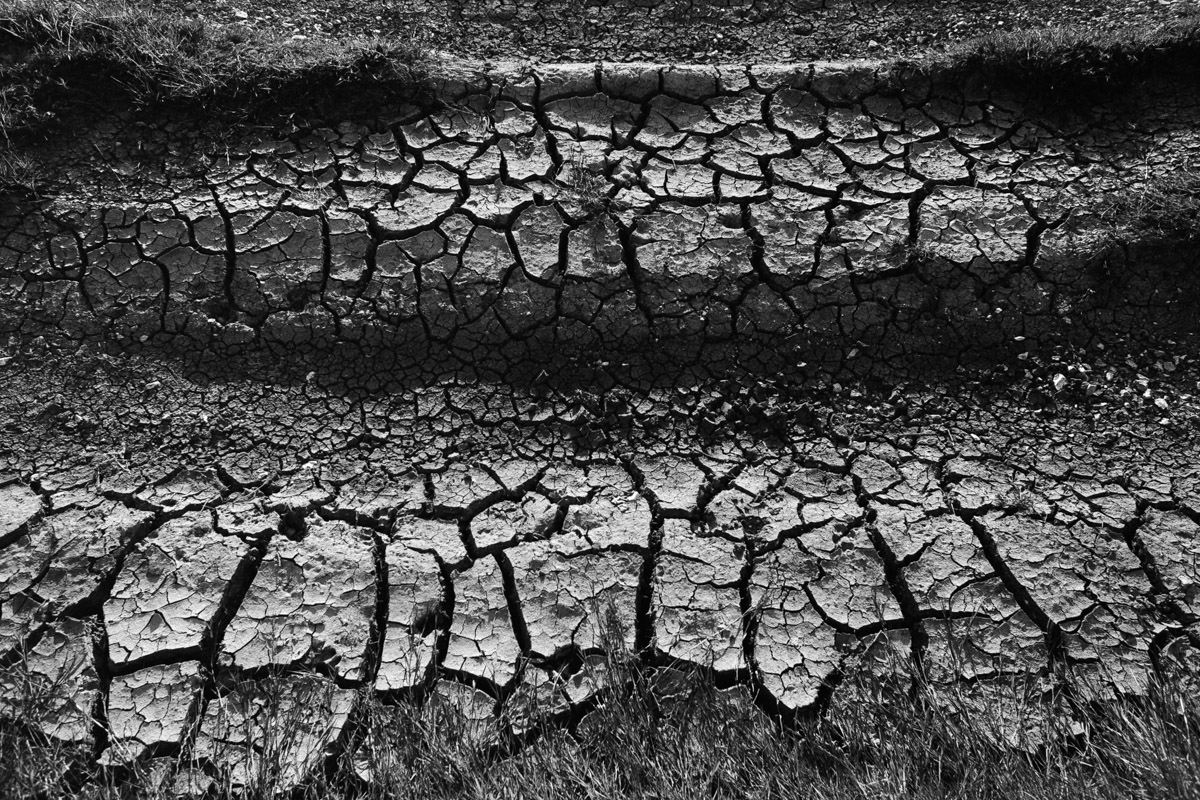
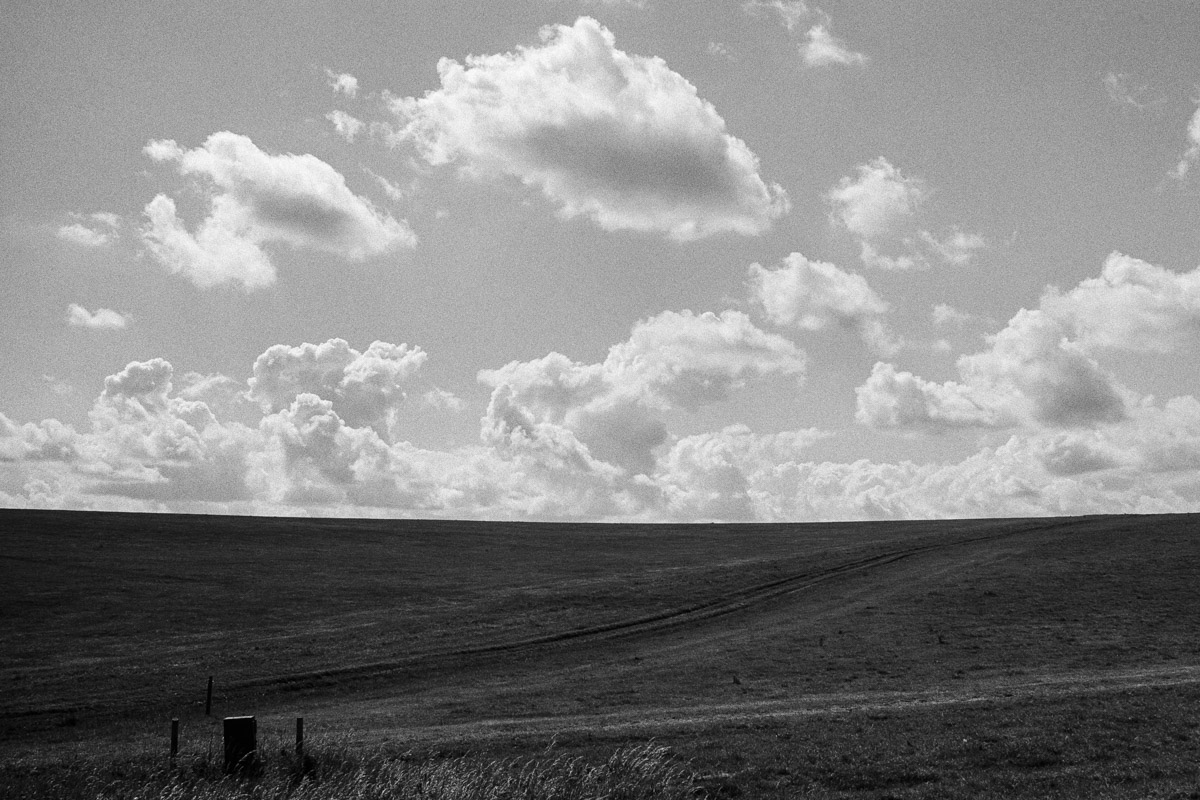
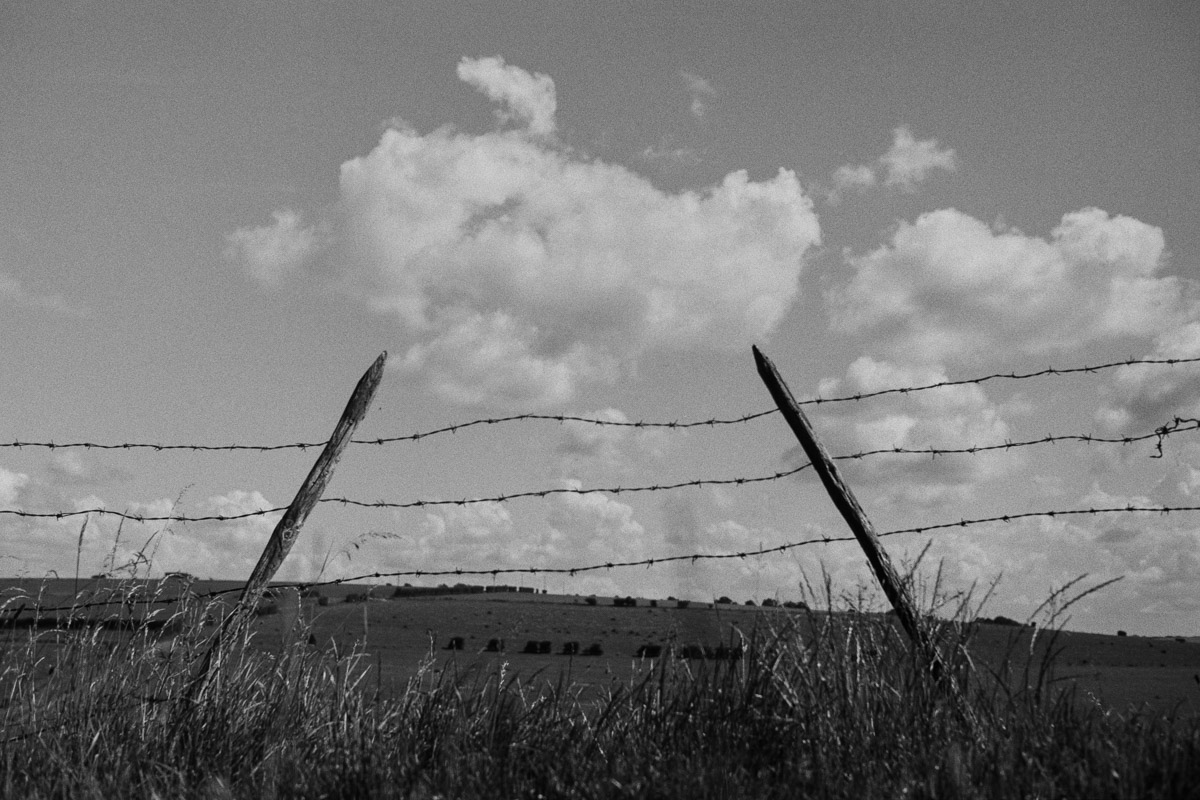
Which is why this week I am posting pictures from Salisbury Plain*, my current personal project.

After months of barely leaving the house, I was so pleased to be able to get back on the project and I’m happy to share a few of the latest results with you. Some, if not all of these, will be made available as fine art prints via my takeagander website where you can see more images from this project which I made before lockdown.

But given that this blog often veers away from the pure business of corporate communications work, how does a project like this help potential clients choose me over the next photographer? Why do I post personal work here? Let’s turn that around and ask, “What kind of photographer would I be if I didn’t do personal projects?”

Go to a dozen photographer websites and the majority will tell you at some point just how passionate they are about photography. All too often this doesn’t show through their work. I believe they are passionate about being a photographer, but mostly because they like having, or being seen with, cameras. There’s a chasm of distinction between being genuinely passionate about photography, and liking taking pictures (or liking owning nice camera gear).

My personal work is mostly shot on film using a variety of relatively low-tech, often un-glamorous cameras, because photography is the important part to me, not owning the gear or being seen to have the latest equipment. Working this way is also part of my “keep fit” regime in that it keeps my photographic eye honed even during quieter periods (lockdown being an extreme example).

In a world where “everyone’s a photographer” my passion isn’t just about being a photographer, it extends to the purpose of photography, its purpose and value to society. Getting heavy now, huh? Sorry, that’s really a whole other blog post there.

Perhaps next time you’re looking to book a photographer other than myself for a job (yes, I do know this happens!), take a look to see what personal projects they’re working on. If there are none, ask yourself if they’re genuinely as passionate as they say they are.

*I haven’t yet settled on a permanent title. I’m passionate about finding a good one.

The Most Personal Yet

My regular readers will already be aware of the importance I place on personal photographic projects, without which I don’t think I’d be the photographer I am.

For the most part I tend to use film for this work because I prefer the change in workflow. However lockdown has presented its own challenges. With limited funds, do I keep shooting film, or save it for when I can next visit Salisbury Plain?

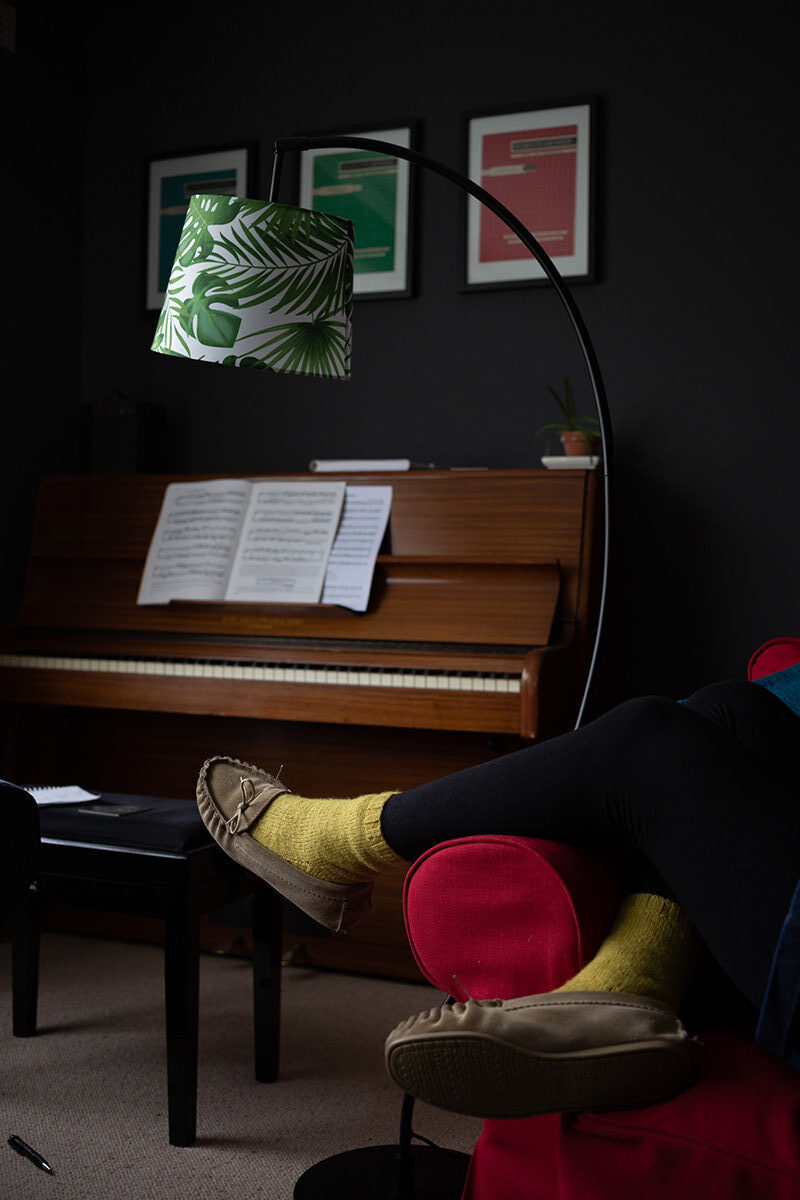
And without the ability to roam about taking the pictures I would normally look for in a personal project, I’ve retreated to the most personal subject of all, my own home life.

Yes I have shot some film, but found myself reaching for the digital camera and developing a new theme: The Home Front.

The Home Front is my deeply personal reaction against the war rhetoric which has been liberally applied to the Covid-19 crisis, in particular by our politicians. I’m a firm believer in the importance of language and how it is used, and since we are not at war, I find it inappropriate to use conflict terminology now.

Apart from anything else I believe it sets a combative tone in the national psyche, and this can have unintended consequences in society. Too much of the “don’t you know there’s a war on” attitude can lead to unnecessary conflict between individuals, or groups.

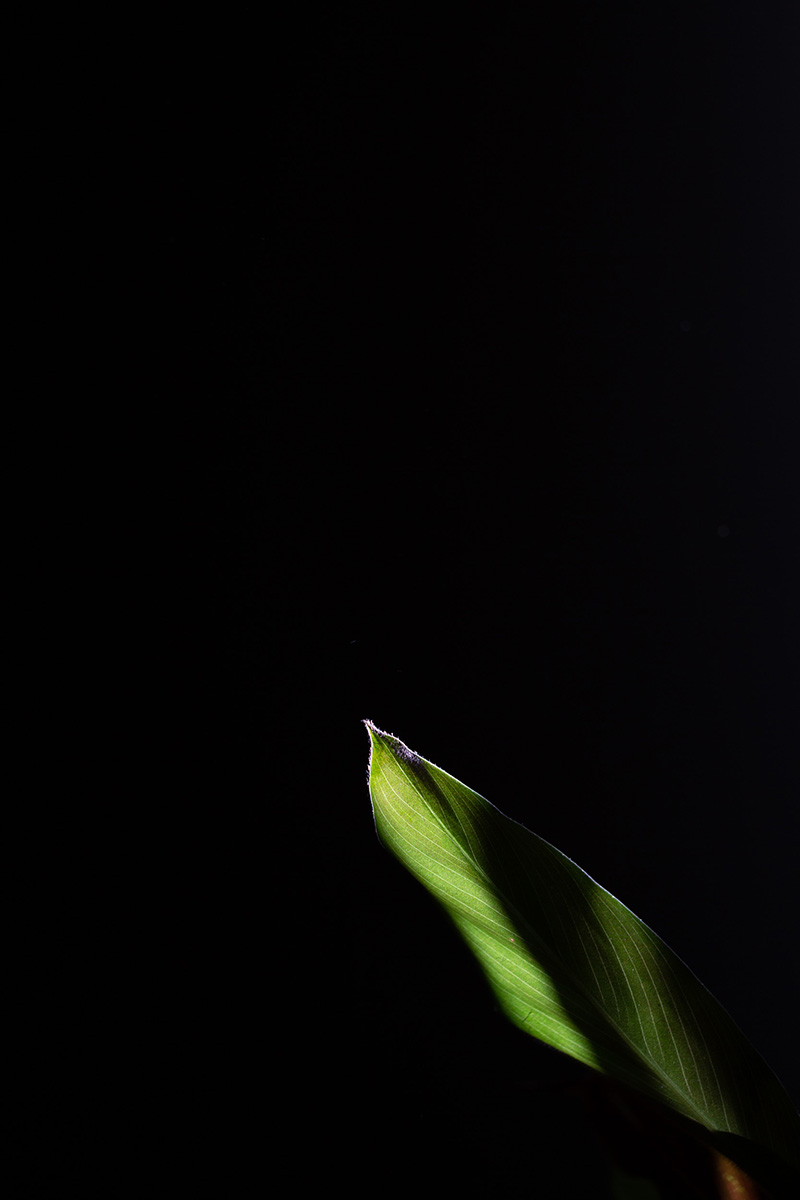
What The Home Front sets out to illustrate is that while we are facing undeniably difficult times, there is also a great deal to be thankful for. There is also beauty in the small, normally un-observed corners of domestic life.

I know I’m particularly lucky to have a home with a garden, and to be living with someone who is may absolute first choice of lockdown partner. Not everyone enjoys these simple luxuries, but I wanted to illustrate that whatever one’s situation, we are not being shot at or bombed.

The Home Front has been featuring on my Instagram feed this week, and if you’d like to see the set to the end you’ll either have to follow me there, or keep an eye on my Facebook page. In the meantime, here are a couple of the images posted so far.

Measured Success

A PR job this week proved that in spite of everything, photography is being commissioned and it can be done safely.

What is different in this lockdown world is the logistics. I had to think more carefully about how I could execute the photos safely (thinking of my subjects as much as of myself).

So I took some simple precautions. No, I didn’t have a mask or gloves. I didn’t wear a hazmat suit. Neither did I take the pictures from the safety of my car.

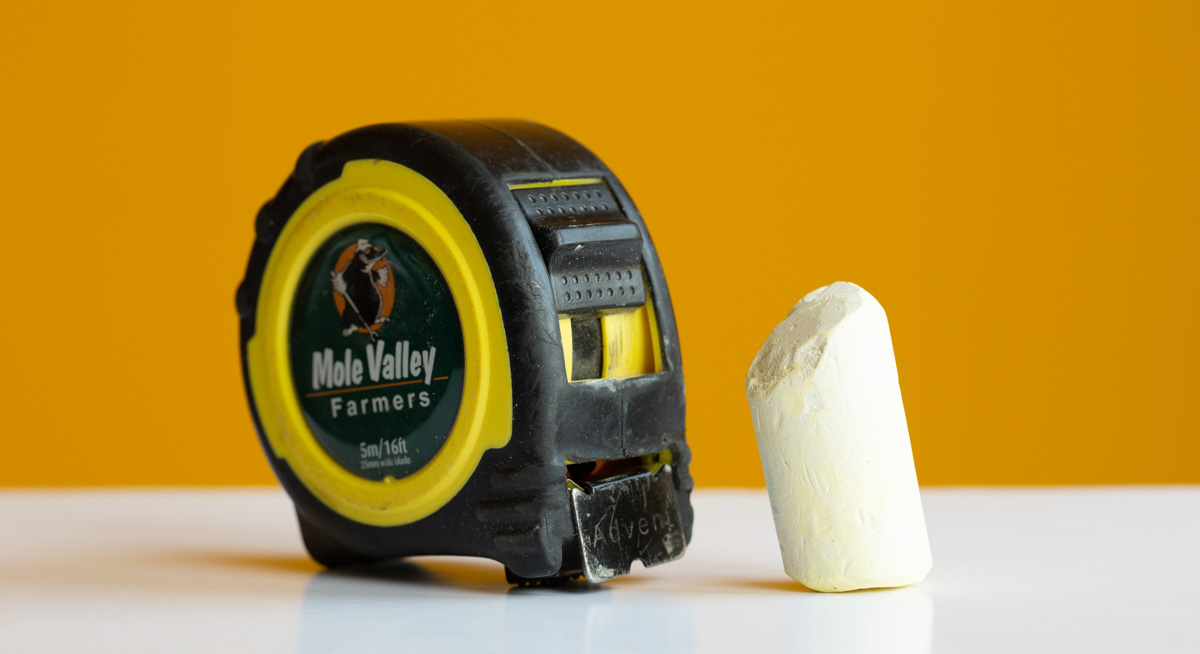
I simply took a tape measure and some playground chalk. This meant I could mark out positions two metres apart for people to stand on before bringing them into the scene.

Everyone was at least two metres from anyone else (including myself) at all times. The simplest of tools kept everyone safe.

Of course some types of corporate photography cannot happen right now. For example, office headshots aren’t feasible when businesses have furloughed their staff. Cancelled events and business meetings mean none of that work is available to me right now.

However, it’s probably not a bad time for businesses to consider some positive PR. There are good news stories out there, and we could all do with some of that right now! And using a professional photographer to create the images you need will mean you get high quality photos safely.

If you have a good news story – perhaps it’s related to the crisis, perhaps it isn’t, drop me a line and we can look at options.

Maybe I can “chalk up” a success for you too.

Coping with Corona

My previous post was becoming a bit long-winded as it grew from being a central point of information for clients into more of a diary of my daily doings during lockdown.

So to keep that post a little tidier, this one will brings you more up-to-date with what’s been happening. I suspect subsequent posts will be of a similar vein until paid commissions pick up gain.

The problem with lockdown is I’ve slightly lost track of time. Is it Christmas yet? I’ve sort of forgotten what I’ve done since my last diary update in the earlier post, but I’ll recap briefly here.

On a personal level, I’ve completed a fruit cage in the rear garden, created new planting beds in the front garden, stripped, cleaned and re-installed the rubber door seal on the washing machine. During that episode I discovered a pinhole leak in a copper pipe behind the sink unit, which I was lucky enough to be able to repair (Easter Bank Holiday Monday during lockdown is not a good time to be booking a plumber).

I also accidentally punched a bumble bee in the face, but made up for it by releasing a honey bee from our dining room. Karma restored.

After a friend very kindly posted me some sourdough starter, I’ve returned to making sourdough bread after a two-year hiatus. I’ve baked my first loaf and looking forward to making sourdough pizza this Friday.

“going with the flow”

Work-wise, jobs continue to keel over, but that’s to be expected. I’m keeping my hand in by shooting a mix of digital and film photos because I have to keep practising, my mental health demands it as much as my client work does.

With a view to the future, I’ve started looking at new ways of expanding the fine art print sales side of the business, but that is still a long, slow process rather than a quick fix solution.

I will just add, if you do appreciate my work and you’re interested in having a genuinely beautiful print for your home or office wall, please check out takeagander.co.uk. Pre-orders are being taken and prints will be made once the printer can return to work. It would help me a ton to sell a few prints at this time.

Even though the pictures I’m making now aren’t necessarily going to be offered as prints, making them allows me to explore my own experience of lockdown. Documenting my relatively privileged existence isn’t what really turns me on, but it’s vital I keep making images; not just for my own business, but for my sanity too.