Sound Advice

Another from my occasional series offering hints, tips and advice on video.

Sound vs Vision

Do you have any idea how important sound is to a successful video?

It’s one thing to have great visuals and a compelling storyline, but the one thing that will push your audience away is poor sound.

Ask any decent videographer and they’ll tell you this. More important than picture quality, is the quality of sound.

Now I’m no sound engineer, but I have built up enough basic understanding to know how to organise a video shoot to get the sound quality my clients need. That’s even when they don’t know what they need. Mainly that involves not allowing interviews to happen right next to a road drill. It means knowing when to use a boom mic, when to use a lav mic etc.

One of the first things I learned was to get the mic as close as possible to the sound source. That means those little shotgun mics you see mounted on cameras, well they’ll do an ok job. But if you really want to hold audience attention, nothing beats a close mic on the speaker.

Sound Analogy

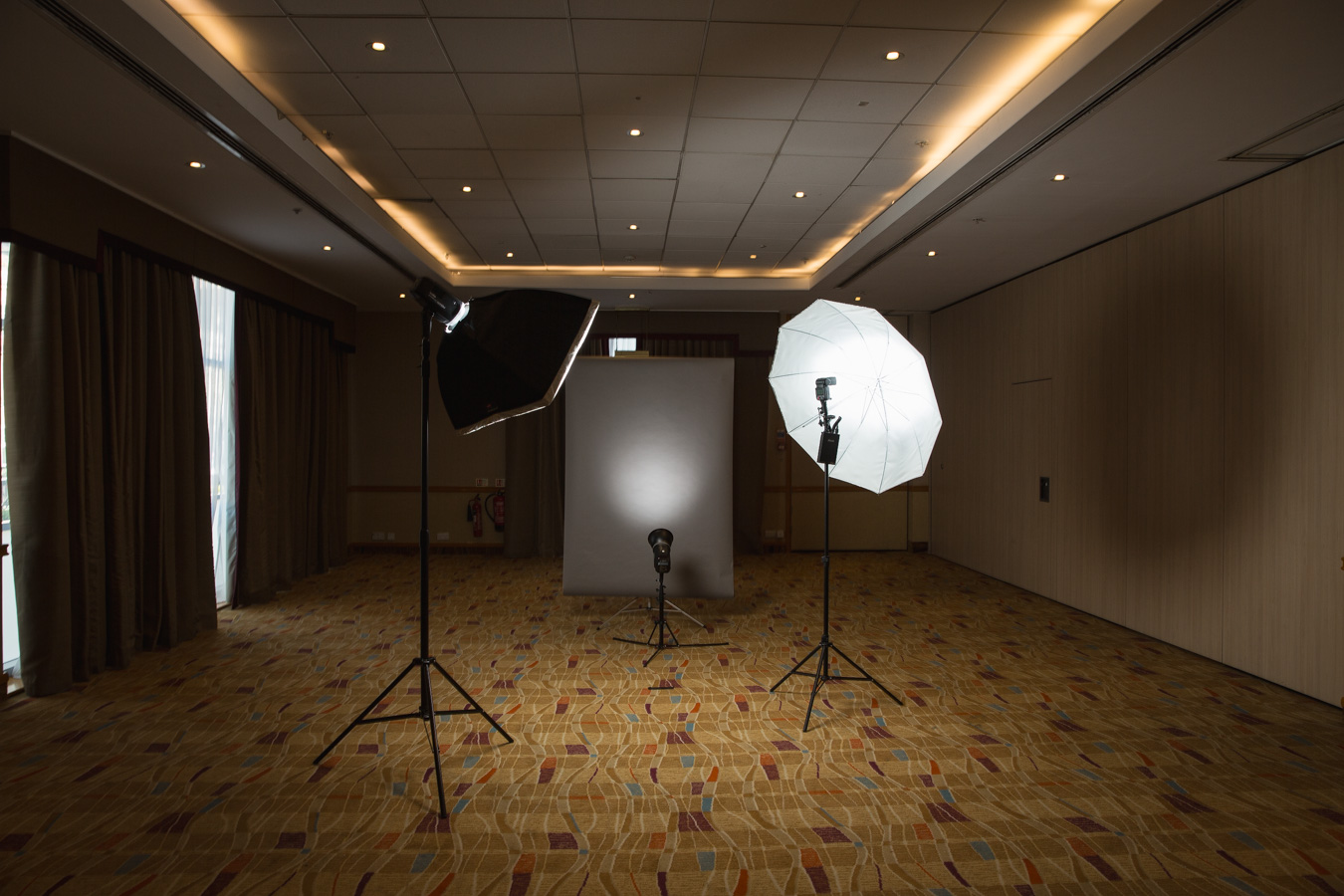
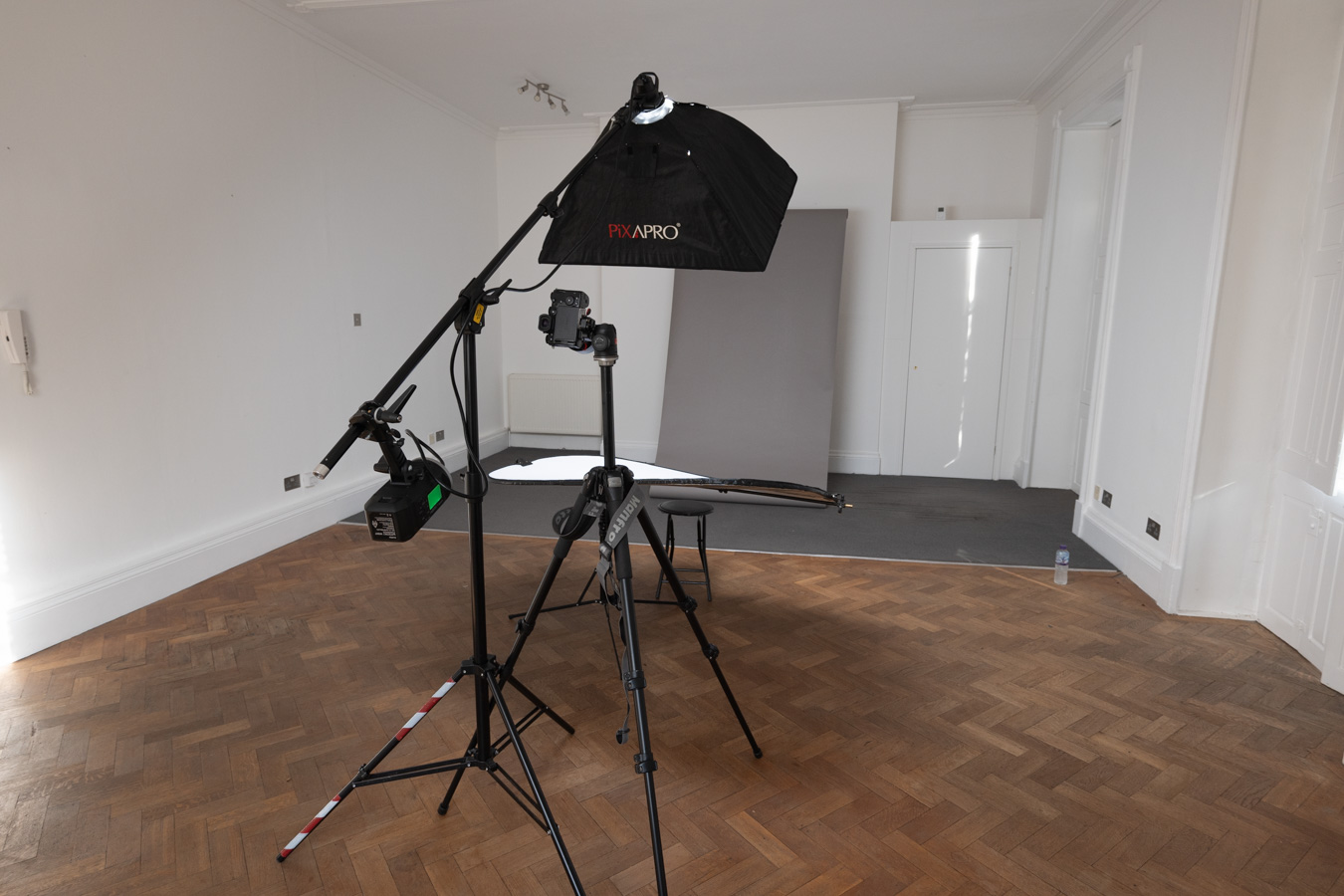
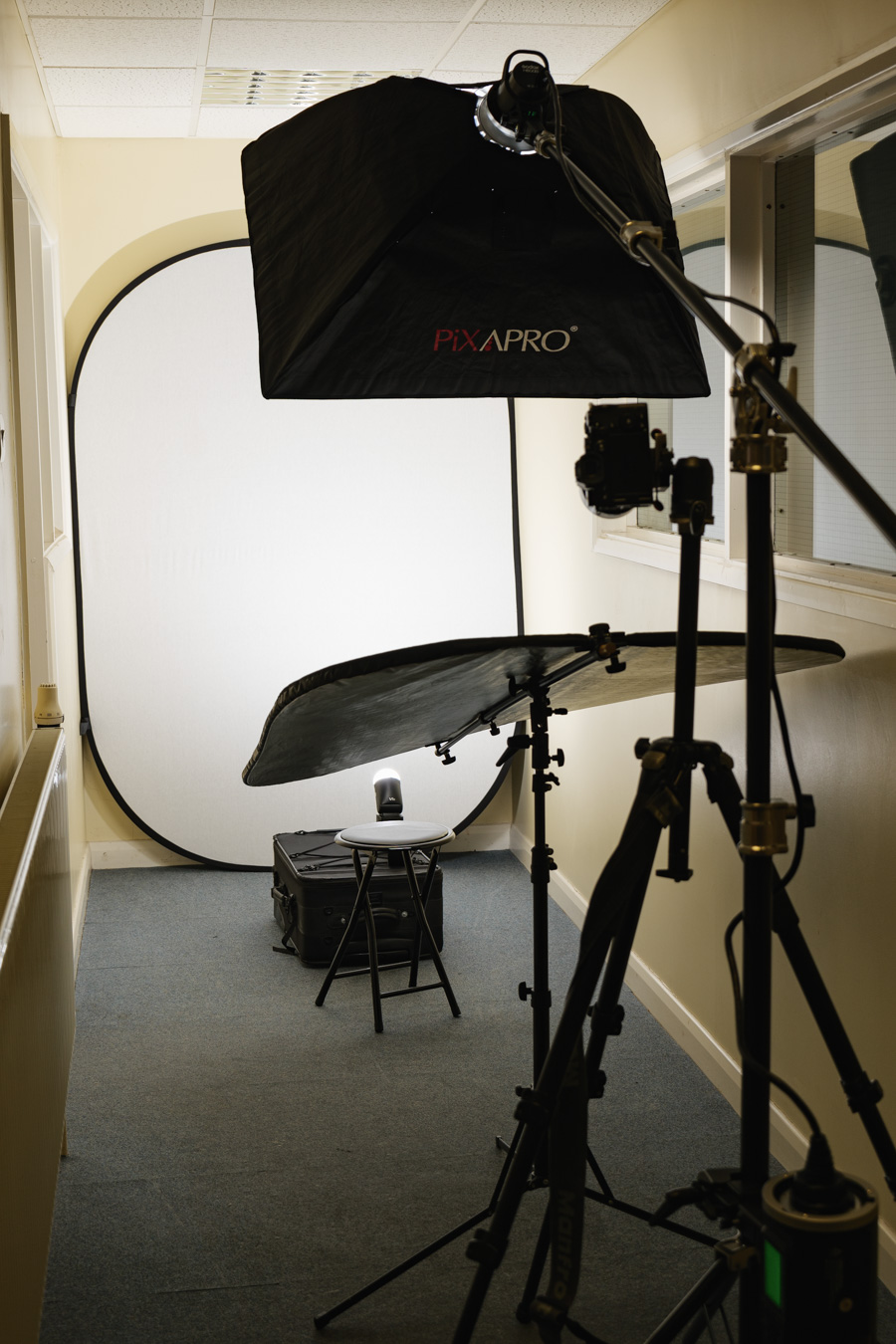
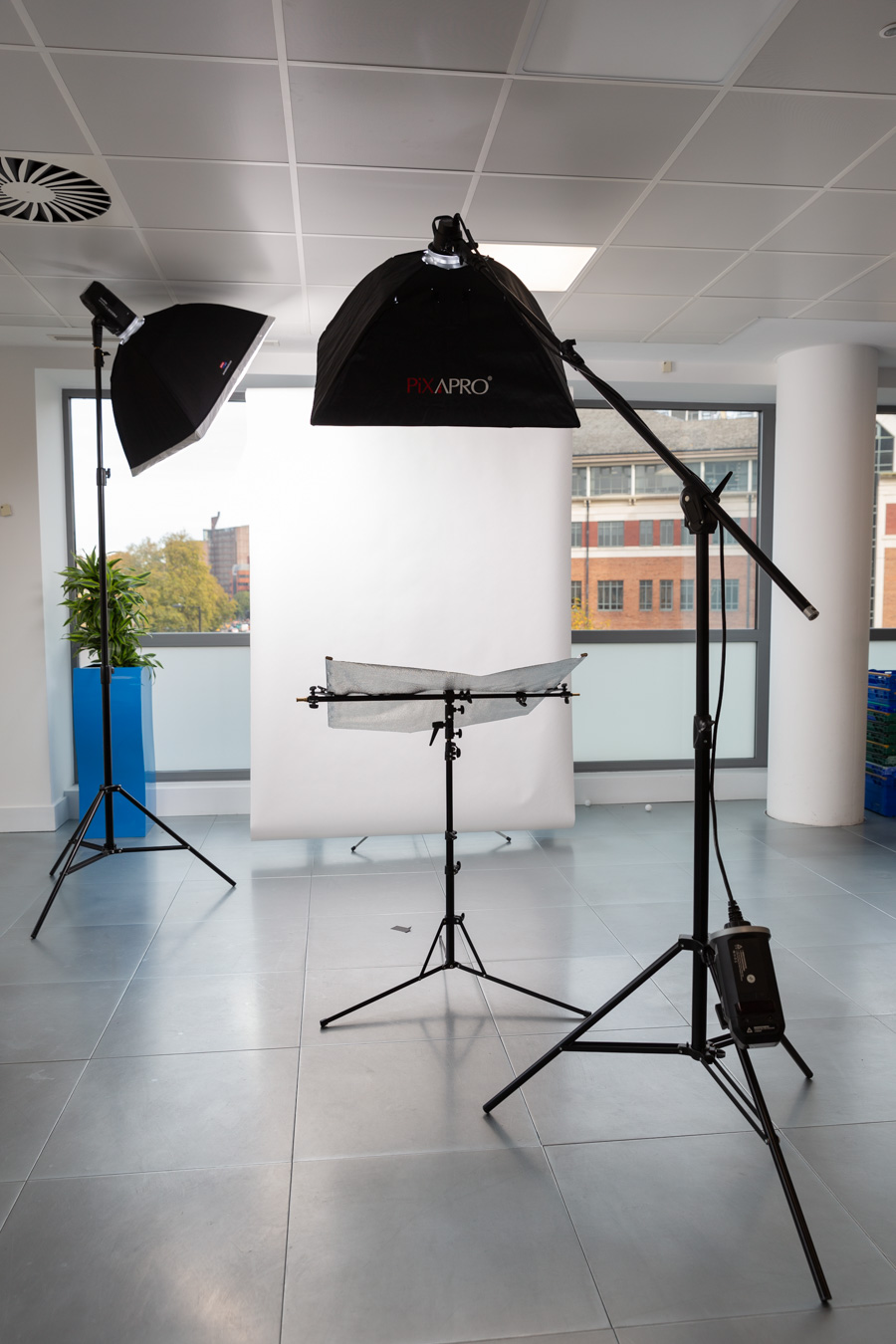
In this way, I find it easier to think of sound and microphones in the same way I think about light and studio flash. By placing a flash close to the subject I can more easily control the balance between flash and ambient light (that is, daylight or room light).

Similarly, bringing the mic closer to the subject captures more of the speaker’s voice, less of the background noise. With sound it’s then easier to mix in ambient sound from a separate recording of the space if needed. It’s not a perfect analogy, but it helps.

Terminology

I don’t wish to bog you down in the complexities of sound capture, but it’s worth understanding a couple of basics. Why, as a client, would you need to know this stuff? Well it’s so when I talk to you about where best to shoot an interview, you have an understanding of what I’m thinking about and why certain options might be ruled in or out.

Depending on the space and its ambient noise, there are some basic choices to start with. First will be location. Of course this might be dictated by what the visuals demand, but wise choice of microphone will help eliminate the issues a particular location might have.

There are a few different types of mic, and the below are the ones I use:

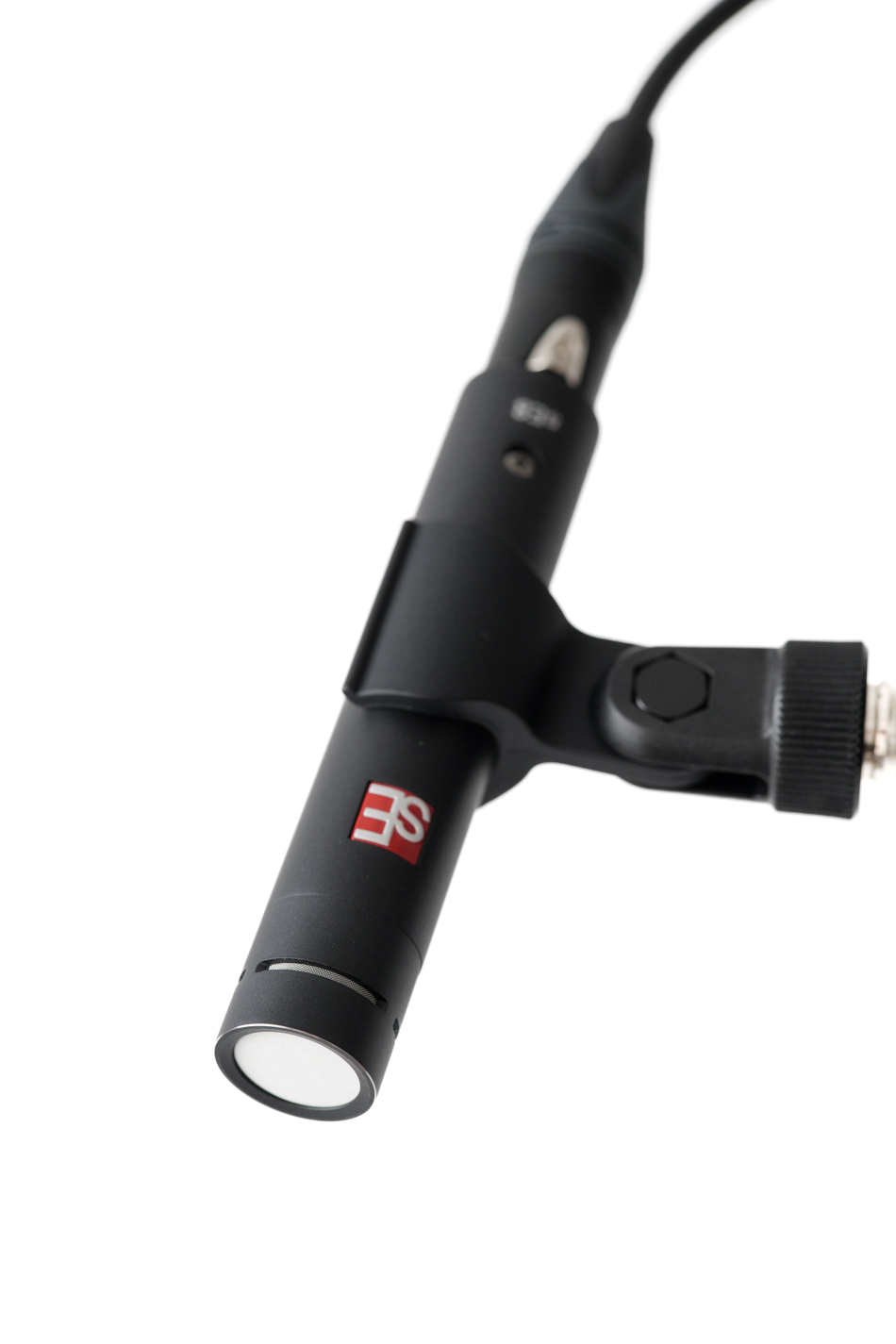
Close-up photo of a SE Electronics pencil condenser mic clipped to the end of a stand against a white background.

A pencil condenser mic will give the best result for indoor interviews

Lav mic. For outdoors, lav mics work pretty well. A lav (aka lavalier, or lapel microphone) clips to the lapel. They’re designed to pick up as much voice as possible, ignoring background noise, but they’re not perfect. I have a couple of lav mics for when I need two people on sound.

Boom mic. A boom mic is a long, slim microphone that sits on the end of a boom arm. Sometimes shielded in a blimp (one of those Zeppelin-looking things, sometimes covered in fur), a boom mic is designed to pick up sound from a very specific angle and is best for outdoors use when conditions permit. It’s a bit like how a telephoto lens is designed to narrow-in on a scene. I have one for when the need arises. In fact it was the first mic I used regularly because they can be picked up quite cheap.

Pencil Condenser mic. My personal favourites. These look like stubby boom mics (see photo). They can have a variety of ‘fields of view’ depending on their internal design. For reasons of sound physics (ie something I don’t understand well enough to explain), they work better indoors than boom mics. I have two of these as I prefer them to lav mics and they’re great for two-person interviews.

A Trunk Full of Sound

Now a proper sound engineer will have a suitcase full of microphones. Many of each variety, more than I’ve mentioned above, and duplicates of each in case of technical failure. They’ll have mics which will have cost £thousands because they need the best quality and longevity. Consequently, for the services of a sound engineer, expect to pay a hefty price. It’s not unjustified, but it’s more like Hollywood budget than SME marketing funds. By contrast, I have more than my average client needs, but nothing like the quantity or quality of a full-on sound engineer.

My aim with sound is to make sure my clients get better than they thought they needed because THAT is what will hold audience through their video. And if getting people to watch your video to the end isn’t your goal, what is?

Real World Example

As a real example of the challenges faced by the videographer tackling sound, the video below was recorded in a very echoey space with noisy engineering works going on next door. Setting the mic as close as possible to the sitter helped with the worst of it, but now I have better mics and more experience, I’d do an even better job today!

For more examples, see my Video page. Or just to have a chat about whether I can help with your next video project, drop me a line.


Has Video Grown Up?

This is the first in a short series of articles discussing the various pros, cons and considerations for businesses and organisations to get the most out of video. I’m going to start with a bit of background.

In the Beginning

In the beginning there were words, and words were good. Actually, images pre-date words by some considerable margin, but since Egyptian hieroglyphs are pictures which represent language, maybe it’s a moot point. I digress.

The point is, still images remain the most portable and often most potent and powerful method of disseminating information. There’s no denying though that video has exploded in popularity over the past decade.

Where Are We Now?

I don’t want to state the obvious, but let’s just recap that the power and popularity of video has its foundations in the convergence of Web 2.0 with digital cameras, followed by the rise of social media and easier access to the creative tools to bring us to where we are.

What has changed in more recent years is the refining of of the equipment and the editing software, bringing the craft within reach of anyone who understands images (namely photographers).

How Did We Get Here?

In 2008 the first full-frame digital SLR capable of video capture launched. It was “a game changer” but only in the right (experienced) hands. I wasn’t ready to offer video at that stage.

The tipping point has come with the emergence of mirrorless cameras, where the combination of stills and video capability in a single camera might be said to have come of age. It still requires more than just flipping a switch from Stills to Video, but that’s the nature of the medium, not the technology.

Where Do We Go Now?

All of the above leads to a situation where high quality video is now more accessible to a wider range of businesses than ever before. That isn’t to pretend it’s cheap or easy, but where it would previously have been impractical and excessively expensive to commission video for an SME’s communications, it can now be achieved with a far more attainable investment.

I mention it’s not cheap, but if you consider I can deliver a sequence up to 60 seconds long for a little over £1,000.00, that’s pretty astonishing. Of course overall cost depends on various factors which I’ll cover in a future article, but a few years ago that kind of budget would have left you with something you wouldn’t want associated with your brand. To have a video shot professionally and with any level of polish would have set you back £10,000.00 + and then you’d have the expense of getting it out there, most likely through paid-for advertising channels (more £££££££!).

Where Do Photographers Fit In This New Paradigm?

There are still differences between the service someone like me offers, and that of a full production company. However, like many photographers, my service is in addition to, not instead of, the Hollywood treatment. It’s a service which is positioned to give SME’s a step up into the world of video. The finer differences between this and the full production house service are an aspect I’ll discuss in another article later in this series.

I’m concentrating on in-house interviews, client testimonials and B roll (think flavour-of-the-event, office/business overview and retail events). Clips for YouTube, Vimeo, Instagram reels etc are an increasingly large part of my practice, often alongside stills work (not always practical or possible, but always worth asking about).

You can see some of my video work here.

That’s A Wrap!

If you’re not sure whether video has matured enough for your needs, I hope this article puts things in context. In simple terms, video is here, it’s more available than ever and it can be incredibly powerful.

Whether it’s right for your business is a question I tackle next time. Make sure you’re subscribed so you don’t miss it!

We’re Not “Post-Covid” yet

Looking at when I last posted here, it seems I’ve let things slip a bit. I hope you’ve missed me.

My excuse is I’ve been busy with work, a book, a photo festival and covid finally got me. Then I got over covid, and work came back with a vengeance.

Ok, a bit more detail to explain all this.

Since December 2021 I’ve been working on my first photo book, What Happened Here (the book of the Saxonvale project I shot between 2017 and 2019). I started work on the book when I agreed to be part of Photo|Frome. I was invited to be part of an exhibition and to present a talk on What Happened Here, which meant I really needed to have the book in place for the festival.

Putting a book together isn’t easy if you want it to be the best it can be, and never having done a book before made this an even more challenging kind of challenge. However, I worked with designer Victoria Yates for the book layout and colours, and graphic designer Nik Jones who produced a map to help tell the story.

Then as Photo|Frome approached I got involved with planning my talk as well as another event I was to be involved with, a conversation with documentary and portrait photographer John Angerson. All this while work continued to roll in.

But just as the festival got underway, John caught covid and had to pull out of his talk. Then I got covid and had to cancel mine. It was all a bit of a mess really, and deeply disappointing.


What I haven’t been disappointed by is the success of photo|frome. Although I wasn’t one of the main organisers, I did jump in to help and support as much as I could (cut short only by my testing positive for Covid for 10 days). The festival was testament to the need for high-quality talks and exhibitions around photography, and there’s little outside London that caters to such a broad range of people as Frome’s festival did. The plan is to make it even bigger next year and they’ve already got national and international photographers lined up.

Equally encouraging has been the reception my book has received. I had people reserving copies before it was even printed. I expected to sell the majority of the books at my talk, but sales have been steady even without that. And because the book is very limited edition (just 50 hardback copies and 100 softcover versions), there’s a risk that by the time I come to reschedule the talk, the books might already be sold out.

So there you have it. I think it’s fair to say I’ve been a bit preoccupied lately and that’s not going to change drastically in the next few weeks at least.

I have my talk to reschedule, client work to handle and I’m also painfully aware just how neglected my current personal project on Salisbury Plain has been. I need to get back to that before it keels over completely.

In the meantime, if you’d like to support my personal work, and be the proud owner of a very limited edition photo book, head over here to purchase your copy of What Happened Here. Every copy I sell justifies all the stress and hard work just that little bit more.

Thank you,

Tim

Portrait of an Artist

Any serious photographer will relish photographing a great artist, so I certainly enjoyed this photoshoot.

At just 26 years old, Eli Gander has rapidly built a reputation as one of the finest tattoo artists around. Now if the name sounds familiar, I’m Eli’s dad so you might think I’m biased.

But bear in mind that Eli has a permanent waiting list. She has over 15,500 Instagram followers and she’s just opened her own tattoo studio. She has invitations to work as a guest artist at other studios, which shows how much respect she’s already gained. Did I mention she’s just 26 years old? Think about that for a moment. So yes I’m biased, but her progress has been astonishing.

Eli’s Story

Eli decided she wanted to be a tattoo artist when she was a teenager. She started her training when she was too young to have a tattoo herself, and she pretty much put herself through hell to get there, often holding down waitressing jobs to pay her way.

Now all that grit and determination is paying off, and I can’t tell you how excited I was to visit her newly-opened studio in the heart of Trowbridge to shoot a few portraits for her website and social media channels.

The pictures

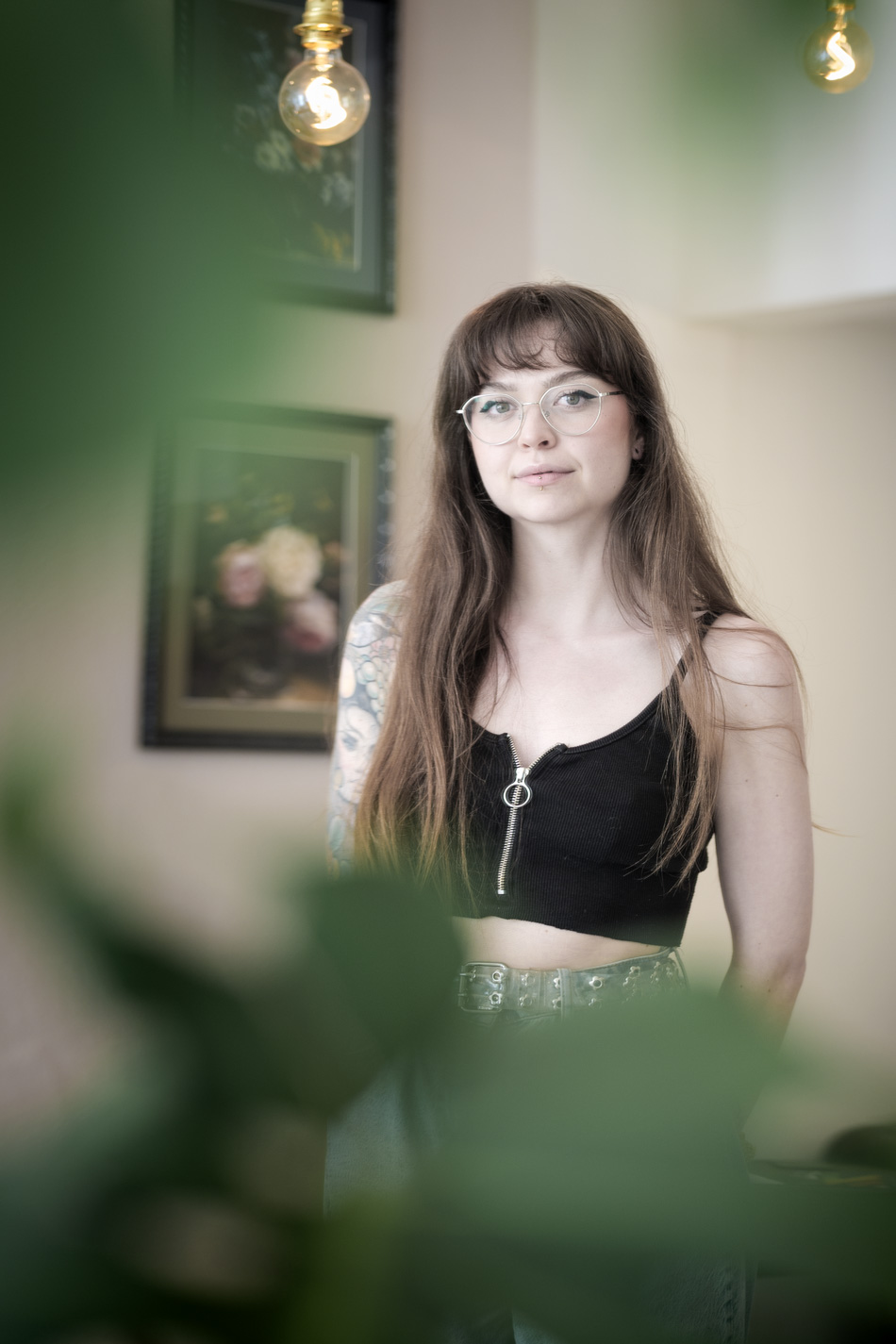
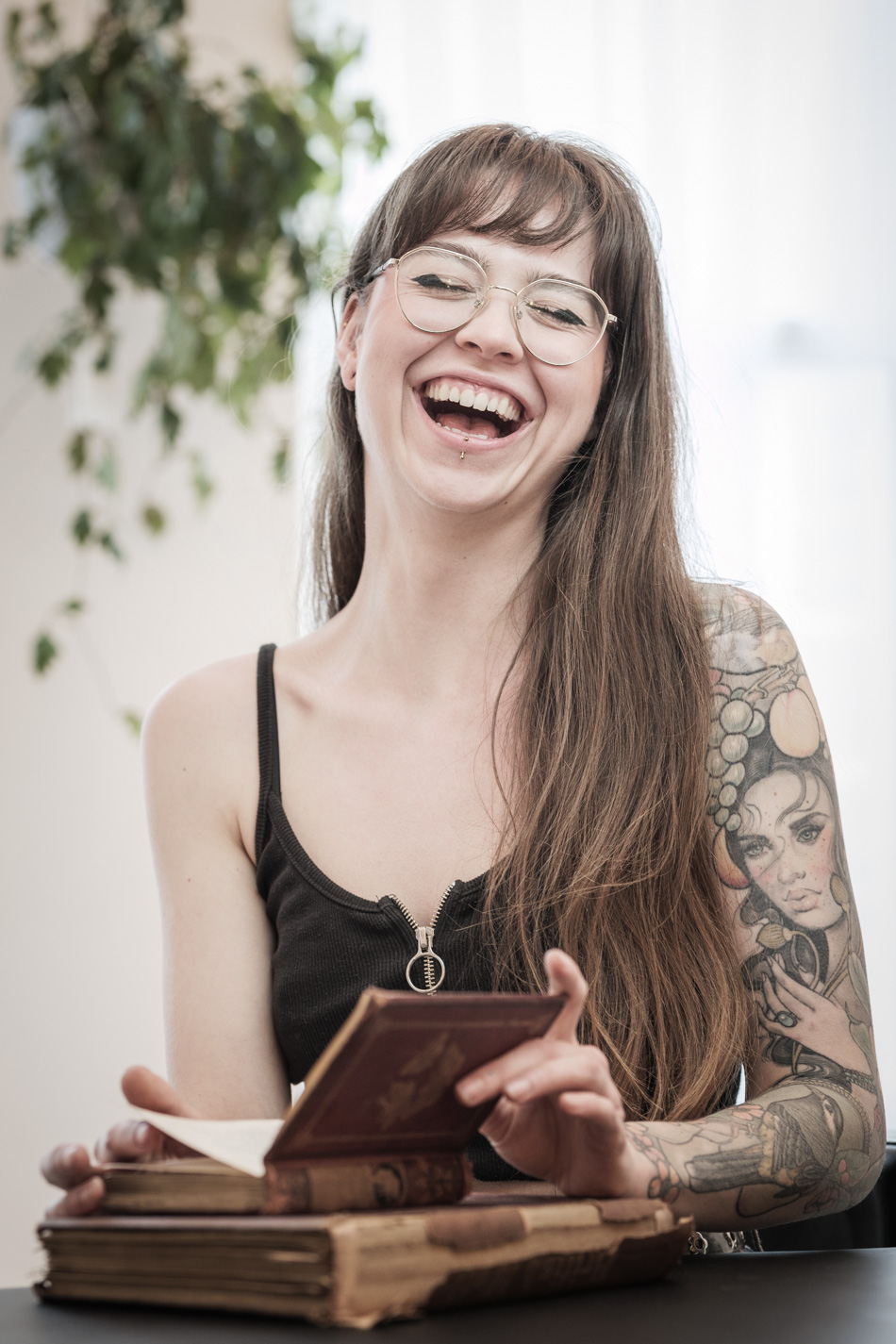
These are just couple of the images I took. On the left is one shot into a mirror to condense as much of the mood of the studio into a single image as I could. And on the right is one she hasn’t used, but is a wonderful, un-guarded moment.

Eli’s style is intricate botanical designs and since her studio is festooned with plants, it was inevitable I would bring these elements into the images.

To see more of Eli’s work, visit her Instagram account or the Alchemilla website https://alchemillatattoo.com/

I’m looking forward to seeing Eli’s practice grow. At this rate she’ll be taking the world by storm pretty soon.

Documenting Challenging Times

On The Vaccination Trail

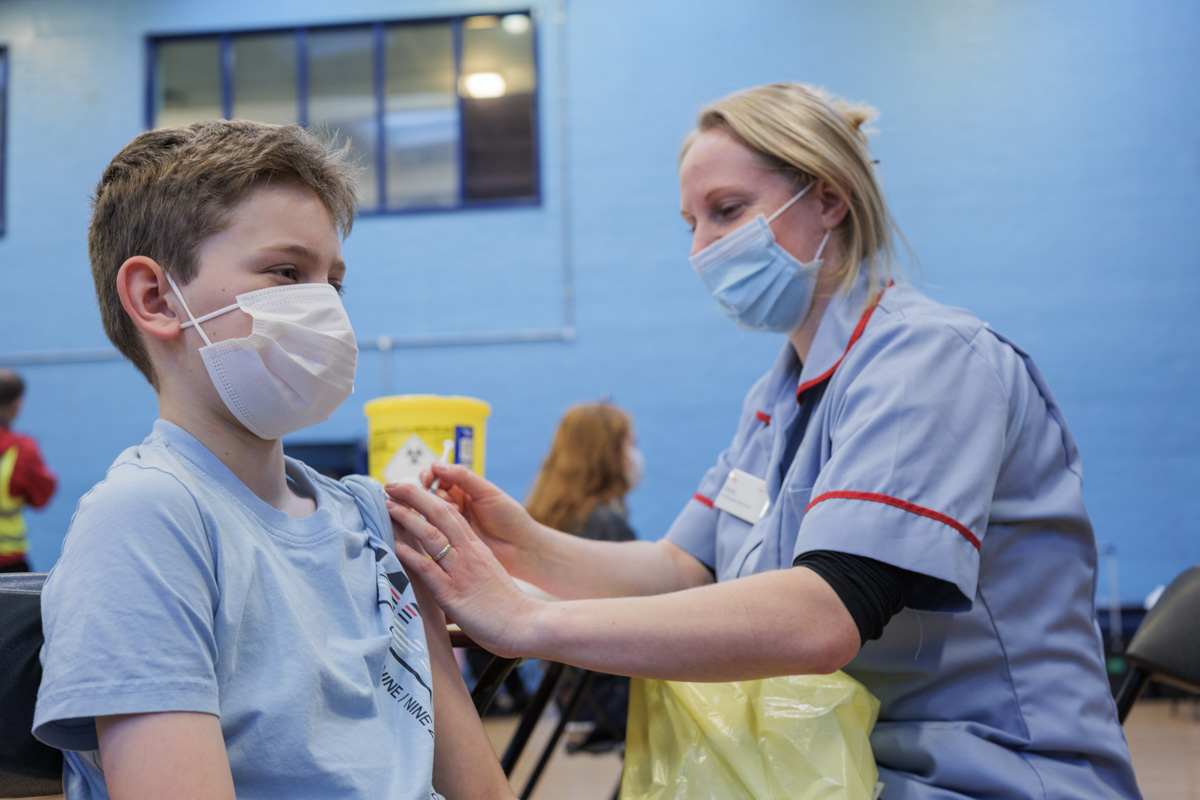
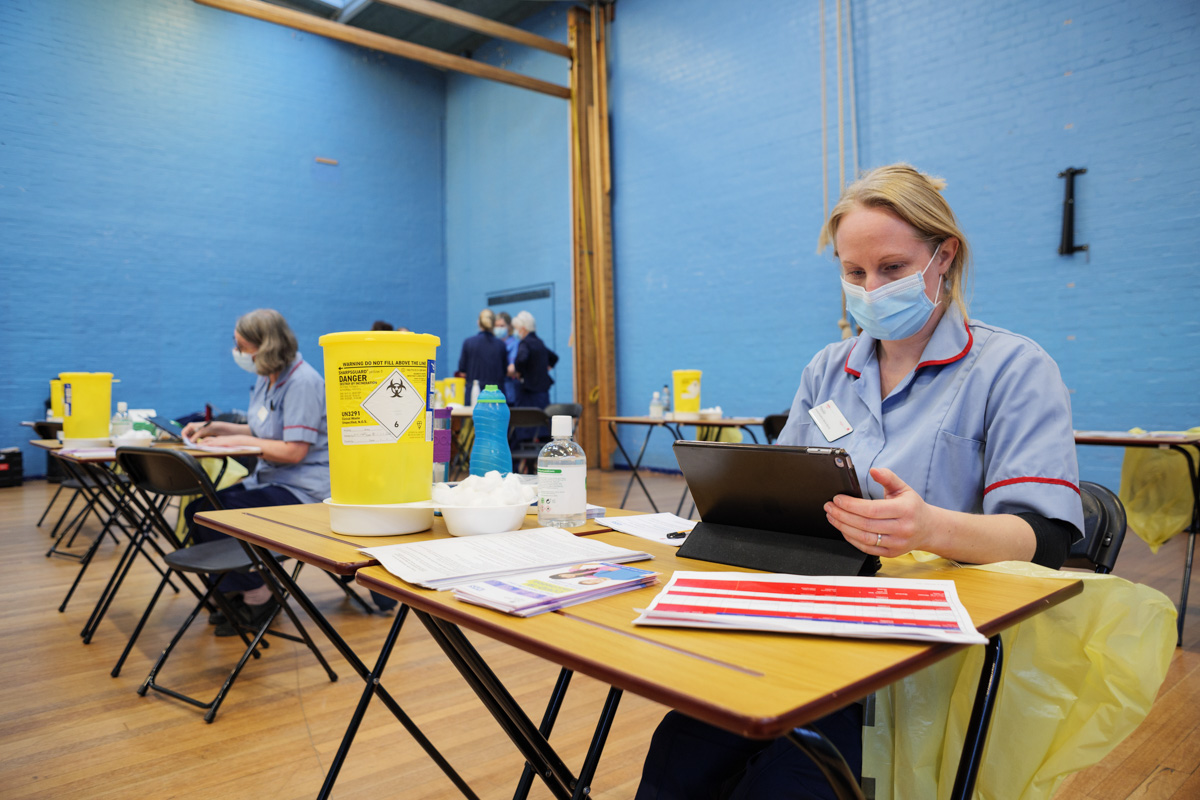
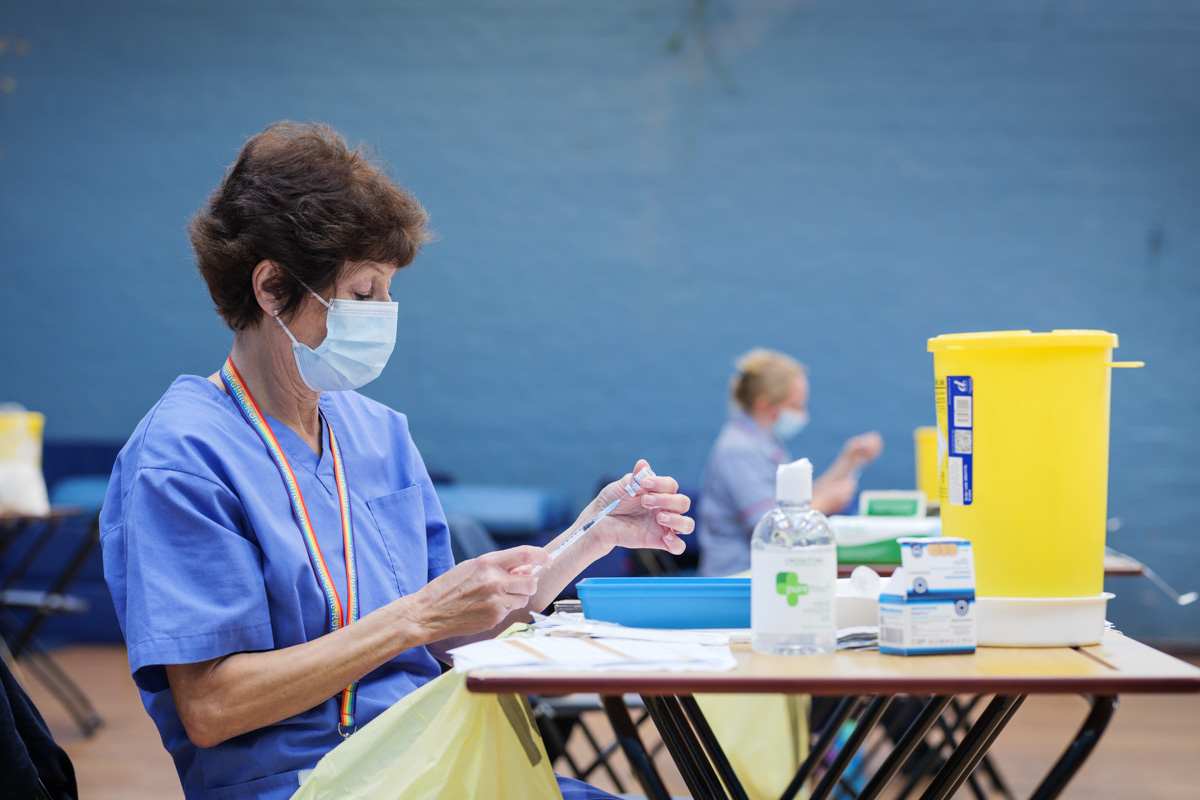
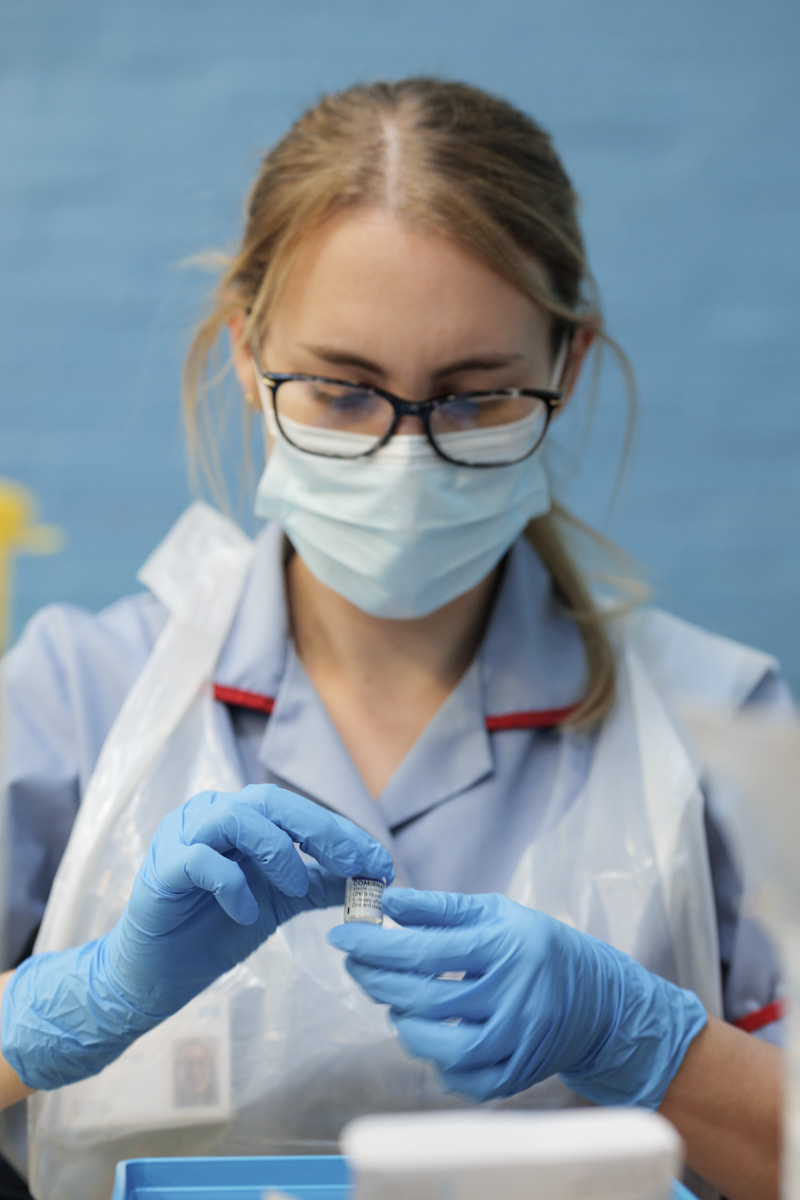
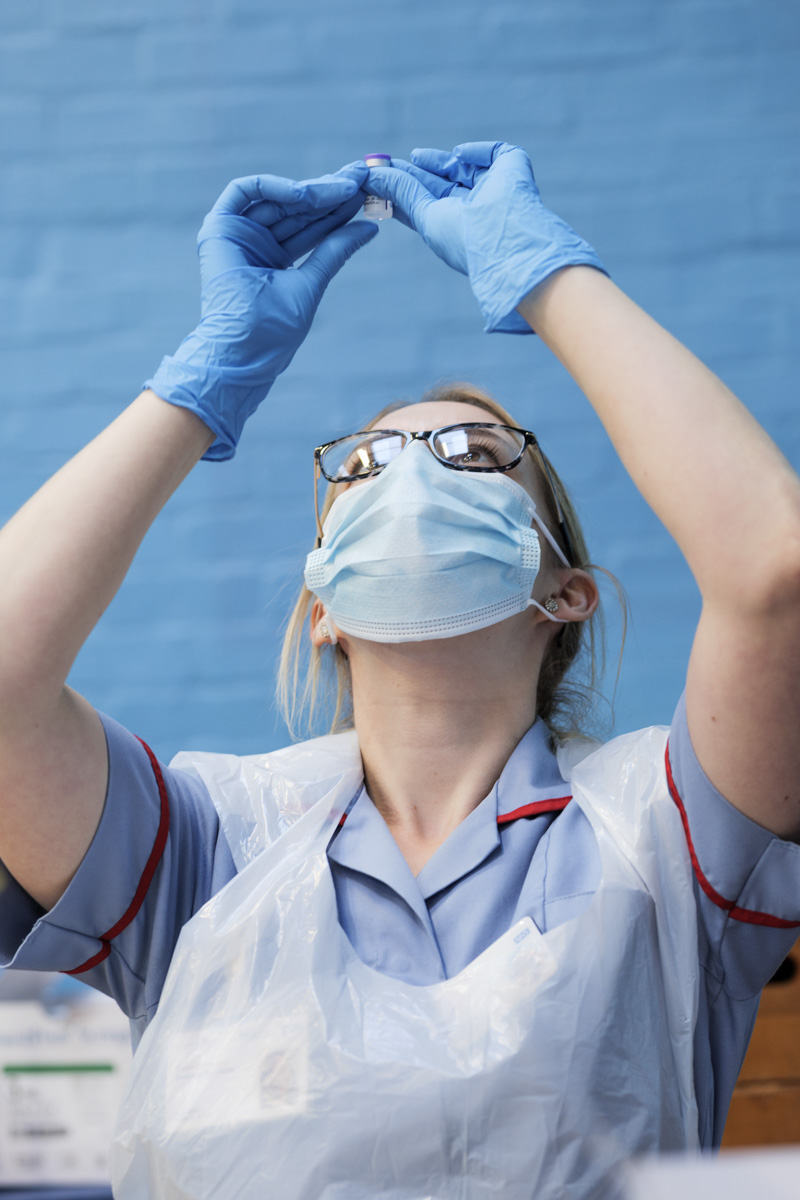
Regular readers will be aware of my recent work covering the vaccination programme in Wiltshire. I’d like to dedicate this post to all the hard-working front line staff who are the reason the vaccination rollout has been such a huge success.

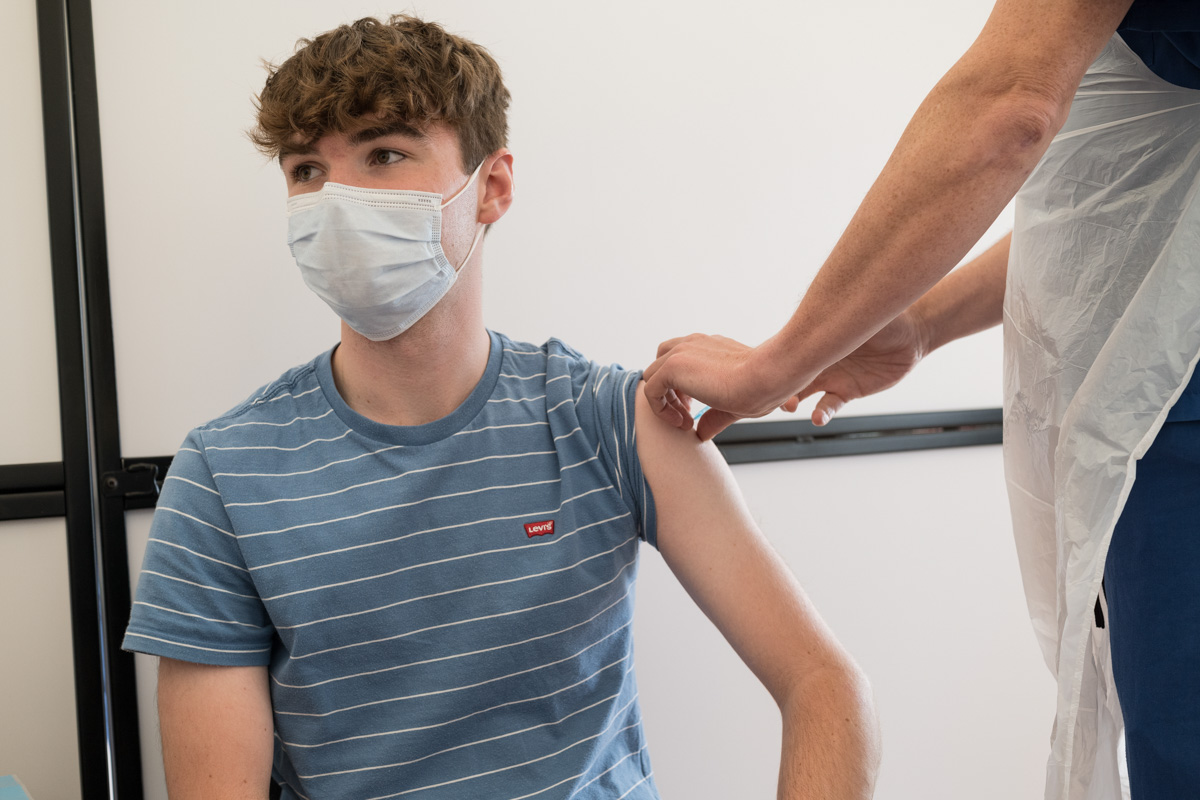
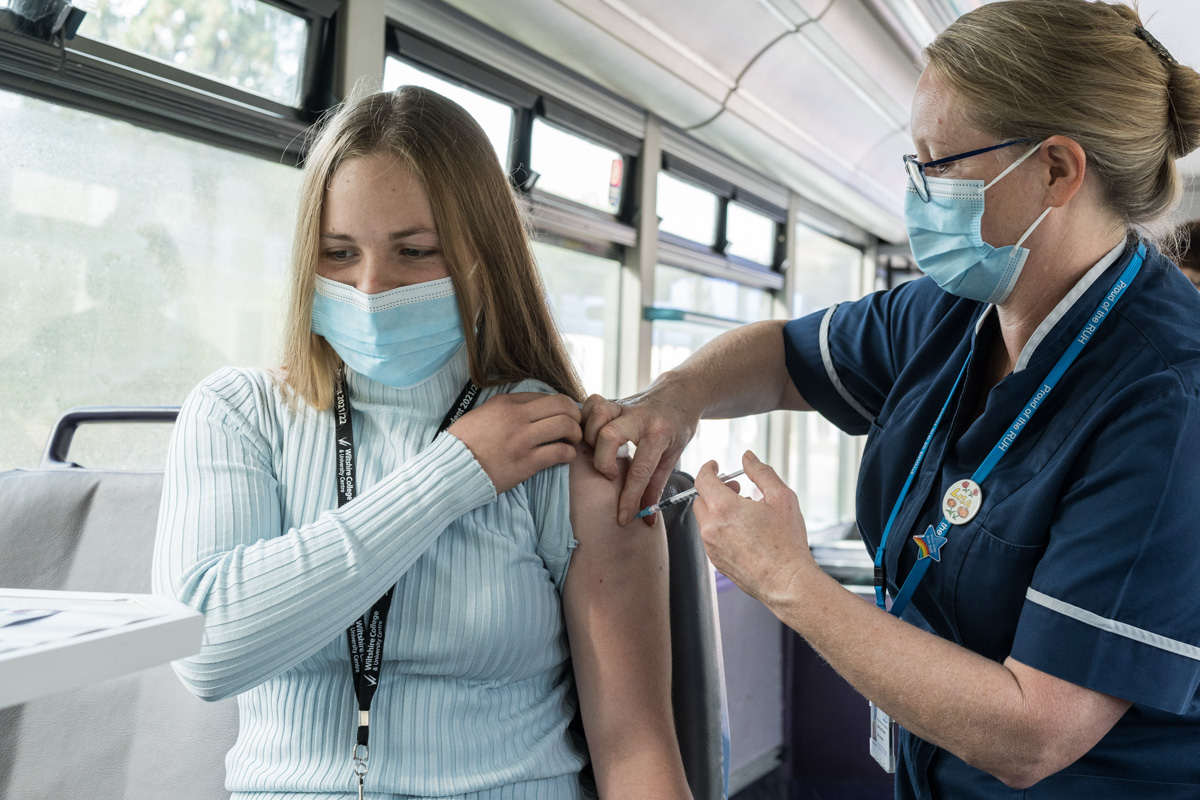
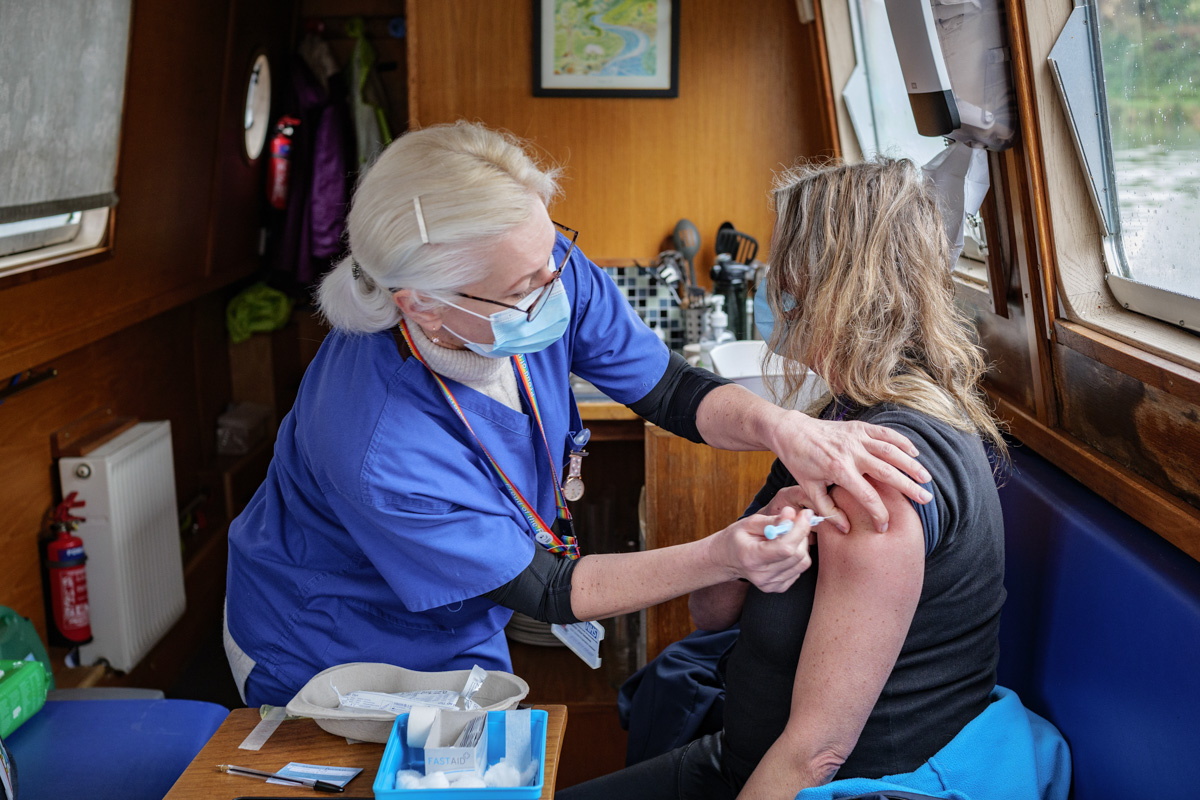
I blogged previously about the initial coverage of the walk-in vaccination service at Bath Racecourse, but since then I’ve visited a mobile service on a bus, a school vaccination day and most recently, a session on a narrow boat.

The client, NHS BANES, Swindon & Wiltshire CCG (BSWCCG), use the images for social media promotion of the vaccination programme as well as for external stakeholder communications and reports. However, the images are more than just PR. They’re an historical record of the regional effort to control Covid-19 and its effects.

A Client With Vision

Perhaps 20 years ago such a huge national effort would have been covered more widely and in greater depth by the regional and local press, but they are largely absent from from the scene. With few (I suspect now the number is 0) industry-trained photographers covering local news events anymore, there’s a vacuum of photographic coverage of important regional stories.

This is a shame, but I’m thrilled to be able to help document what is undoubtedly a critical moment.

While BSWCCG is not a media company, their communications team have recognised the need for photography not only as a promotional tool, but also as a means to document the clinical effort within the pandemic. And though I’m no Dorothea Lange, this exercise echos that need to record a critical issue to raise awareness.

My Approach

Not all of my images are strictly fly-on-the-wall photo-documentary, though I do strive to capture what I witness with as much honesty and integrity as if I was still a staff news photographer.

For example, at Clarendon Academy, the two pupils I had permission to photograph had recently come out of self-isolation after contracting Covid-19. This meant they were unable to have their boosters on the day, so I posed those shots with empty syringes (and they were captioned as posed). However the images of the nurse at the dilution station were all taken as she did her work. Nothing staged, pure documentary.

Meanwhile for the narrow boat visit, as for the Bath Racecourse and Lackham College sessions, the vaccinations were real and I had to get my shots live. I couldn’t ask a nurse to hold a position or pose while I got set up – I couldn’t interrupt the process of administering an injection.

This makes for some challenging moments. In particular, in the cramped confines of a narrow boat I had to be very aware of my surroundings. Hats off to the staff who had to work in there all day; I kept my time on board to a minimum.

Regardless of any challenges, I have to go in with a calm, professional attitude. Being jittery about camera settings, working in the rain, with difficult light, or stressing about working in a mask will transmit to those I need to work with, and they’ll react negatively and rightly so. They have a job to do and protocols to follow, they don’t need a clown in the room.

Thank You

So I want to say a big thank you to NHS BANES, Swindon & Wiltshire CCG for commissioning me. I value my involvement in this effort and if there is more to come, I’ll relish the opportunity to play my small part. Also to the administrative staff who’ve been so helpful and in particular to all the registered nurses who, while being utterly professional in their work, have accommodated me in mine.

Thank you.

And Finally

This is probably my final post for the year. I’ll be back in January, kicking off with a look back at 2021 and a look forward at 2022. So have a great and safe Christmas and New Year and I’ll see you again soon. Thanks for staying loyal through 2021.

Tim

From the Archive: The Musicians

This week I’m going to talk about a collection of pictures which are relatively recent, but which seem much older. To be honest, anything from 2020 now feels like a different era.

Rachel and Silas

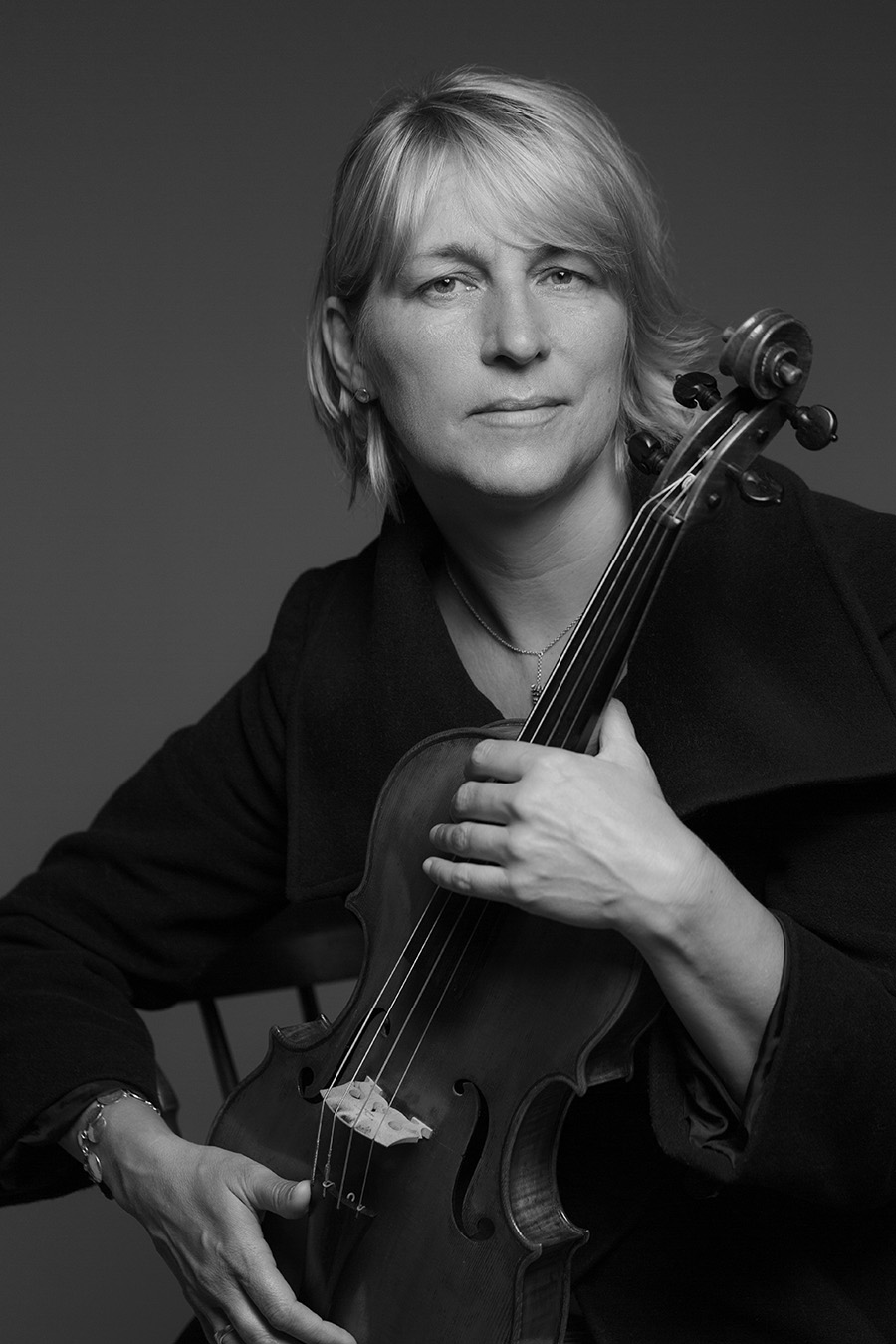
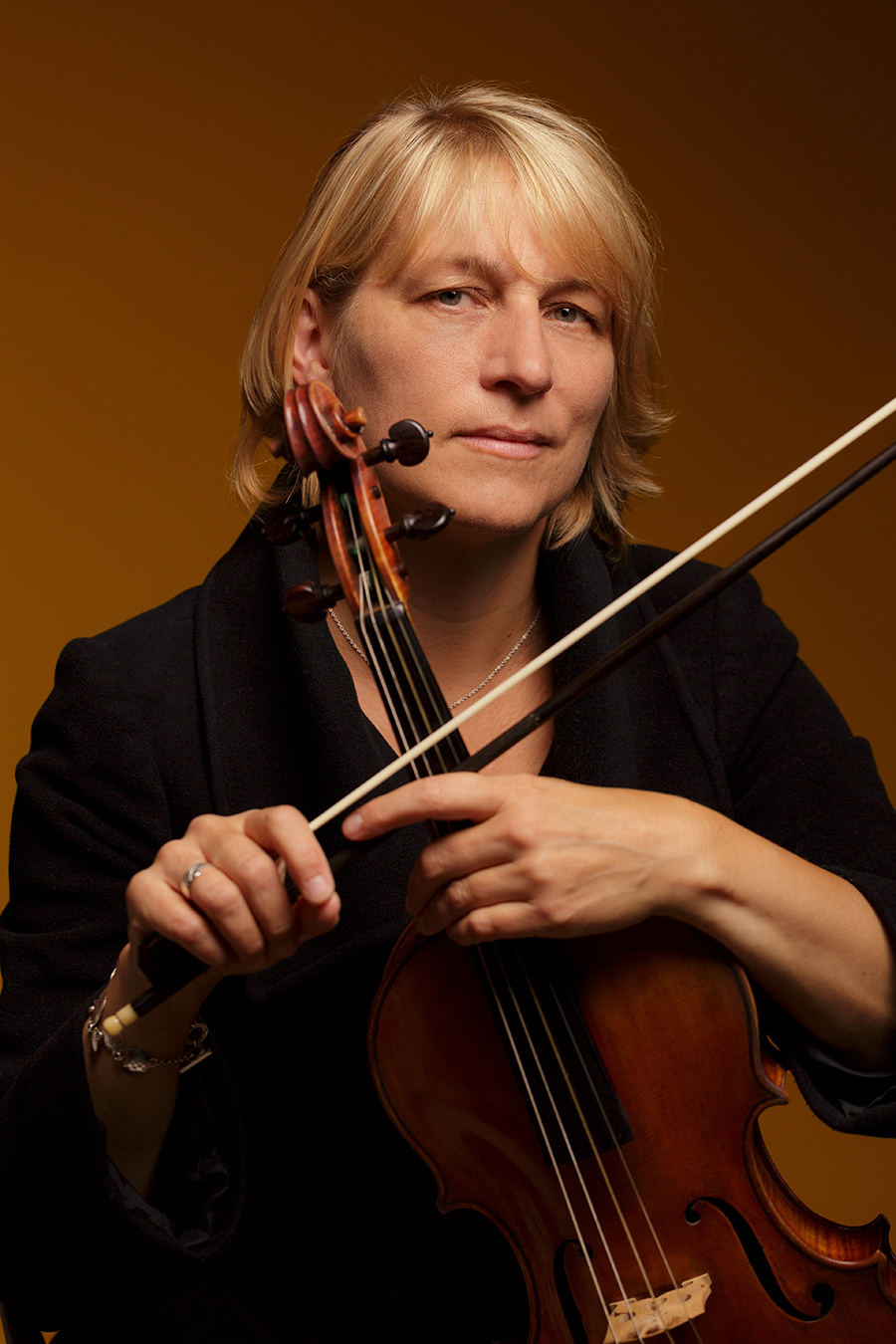
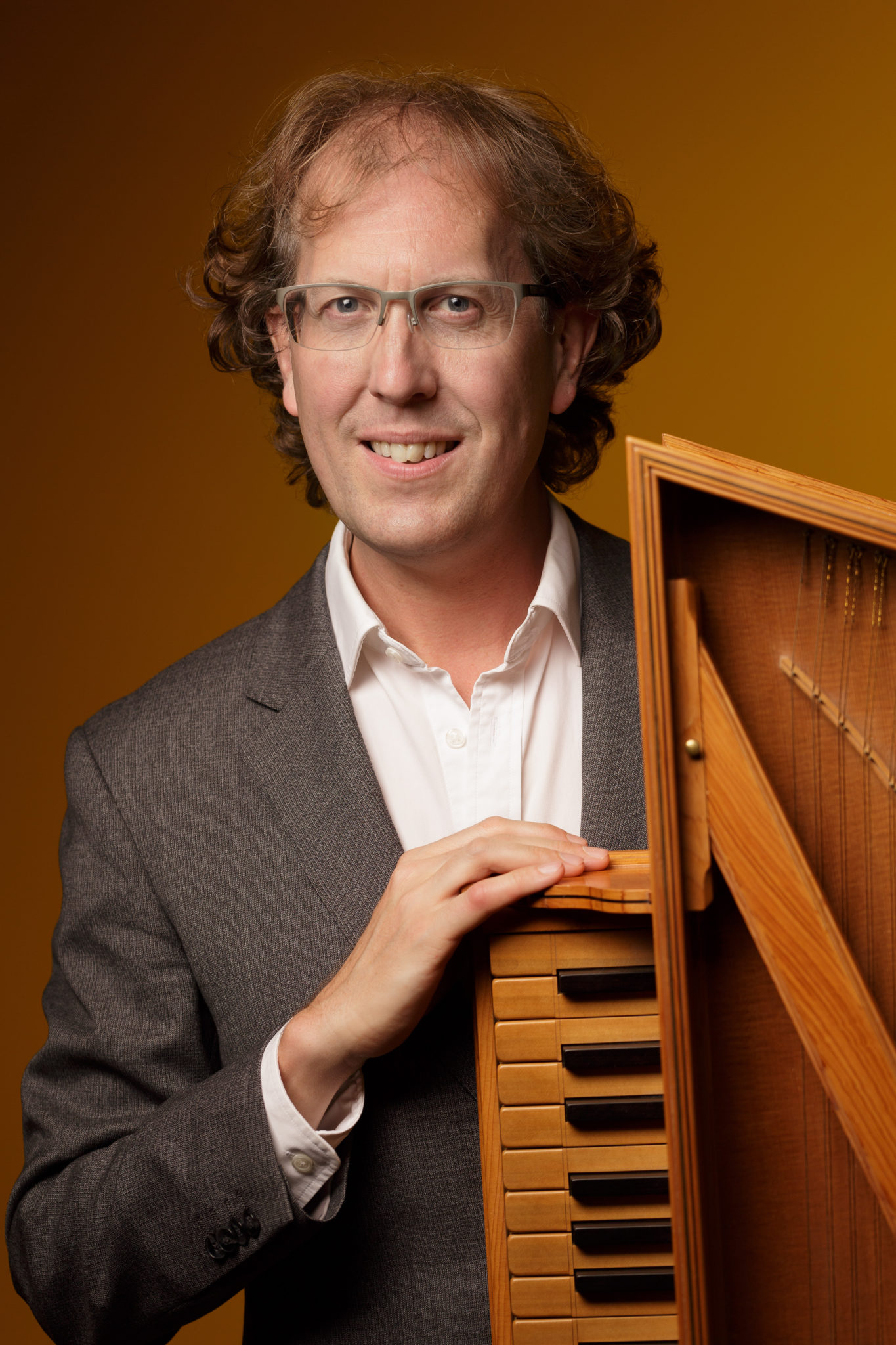
One, a portrait of Rachel Byrt, is already in my Business Portraits portfolio. While the other, featuring Silas Wollston, hasn’t made it in yet, but I think it needs to because it’s a strong image. There are in fact a few potential candidates in the set.

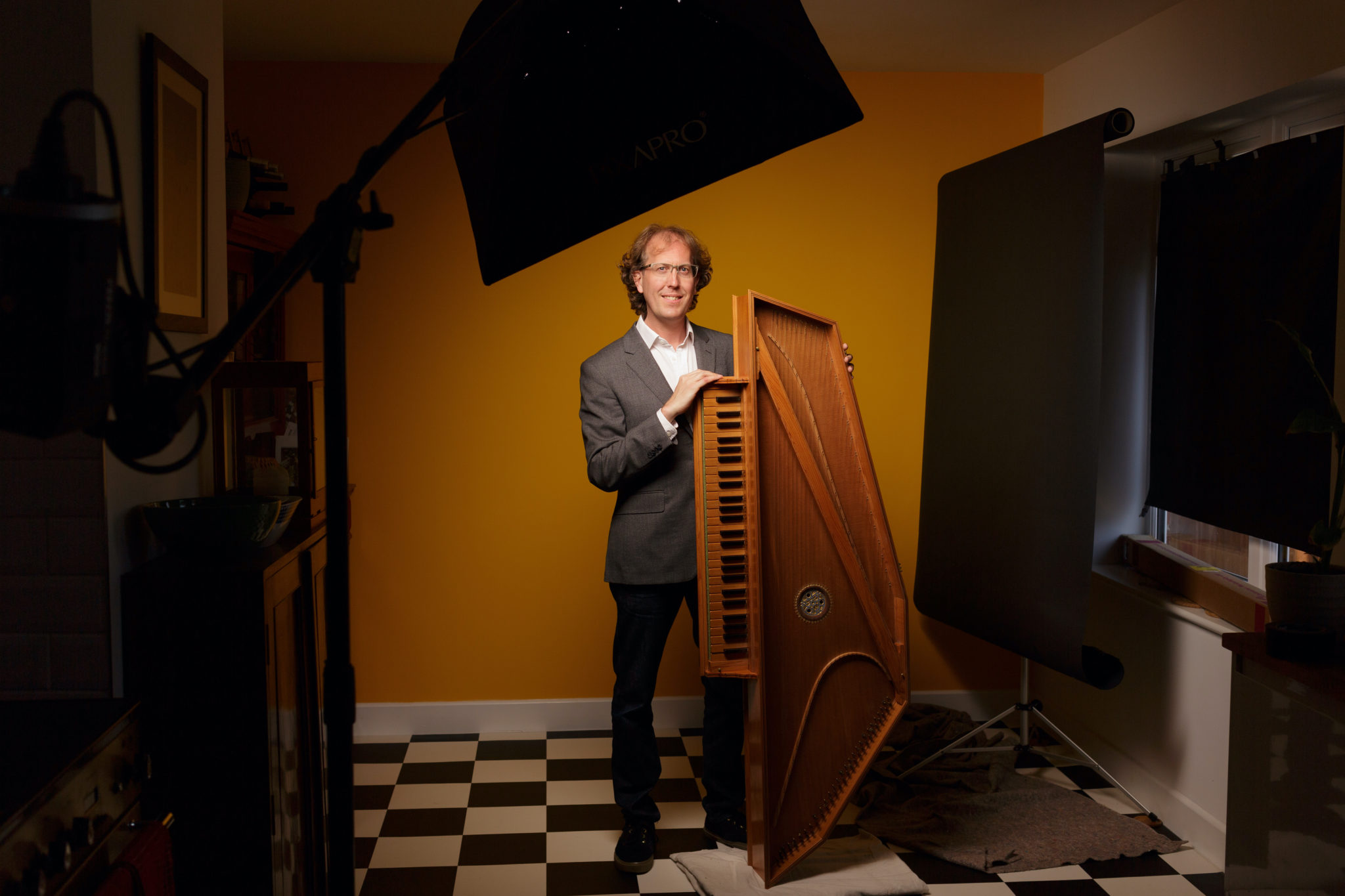
Viola player Rachel and harpsichordist and organist Silas visited my home back in August 2020. It was part social/part portrait session, so for the portraits we made space in our kitchen/dining room for a mini studio. As ever through 2020, the prevailing Covid restrictions were observed.

Working Smart

Being such a tight space, I had to be creative with just a single studio light and a black backdrop which I used as a flag to control the lighting. Our bright yellow feature wall took up backdrop duty. This worked very well for both the colour and black and white photos.

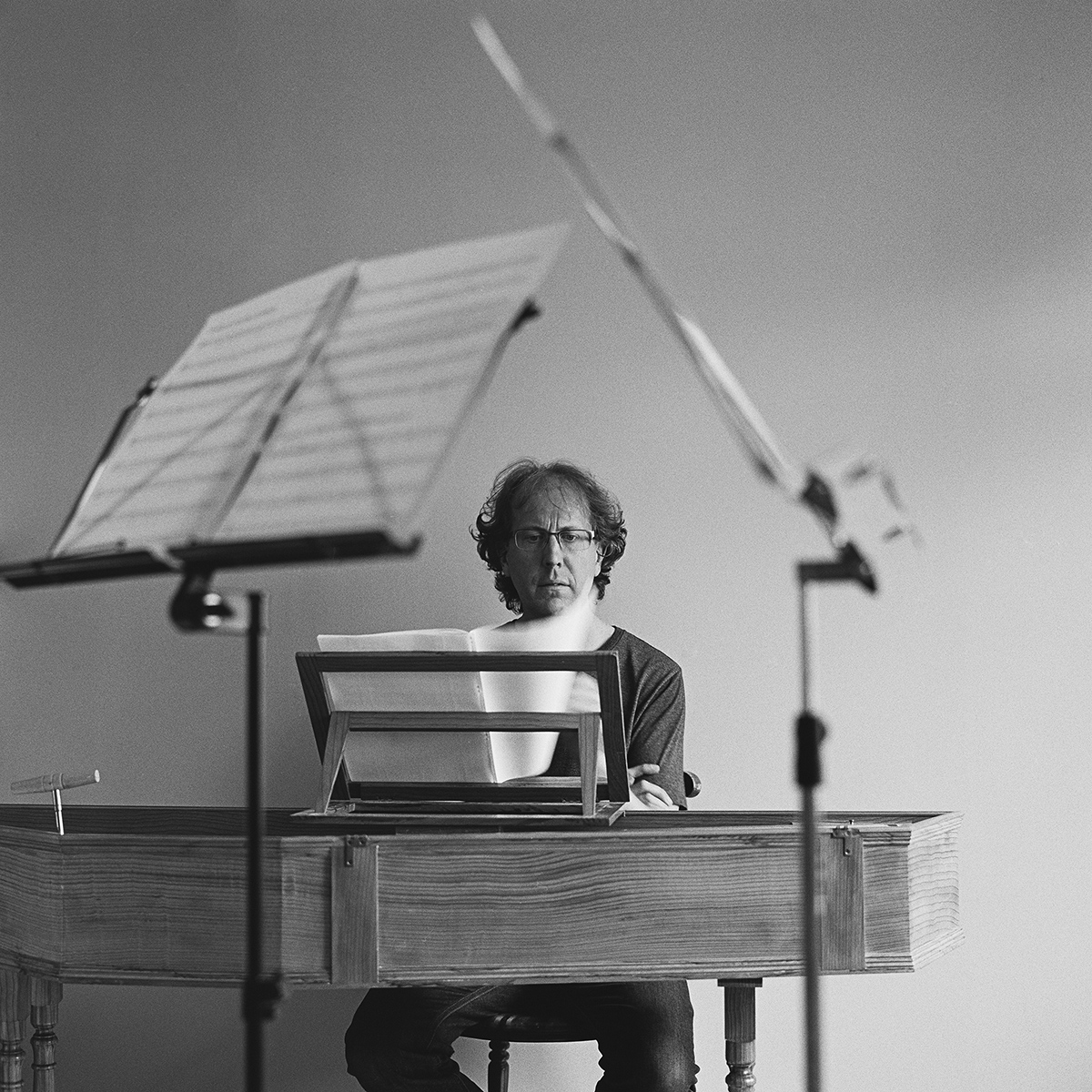
Each portrait required a slightly different setup, but for an impromptu music session I took the studio gear away and captured some action using my medium format film camera.

Because Rachel and Silas are busy professionals, it was important to ensure they had a decent choice of pictures for different areas of their work. Also, without knowing where pictures will be used it was important to have a variety of upright and landscape oriented images. Both Rachel and Silas have their own picture galleries from which they can download what they need, when they need it.

Ready for the Comeback

I would love to do more musician profile work, but of course it’s been a tough time in the creative arts. Fingers crossed 2022 will be the year when live music really gets going again. When it does, I’ll certainly be happy to do my bit whenever it happens.

A Busy Quiet Day

Some days look quiet on the diary, but in practice are anything but restful.

Take yesterday as an example; I had no commissioned work on, so I decided to make a trip to Salisbury Plain to work on my much-postponed project.

That required a 5am alarm call (I had forgotten what a punch in the face that feels like!) This was my first trip to the Plain in many weeks, and the plan was to retry a shot I’d done before, but wasn’t entirely satisfied with.

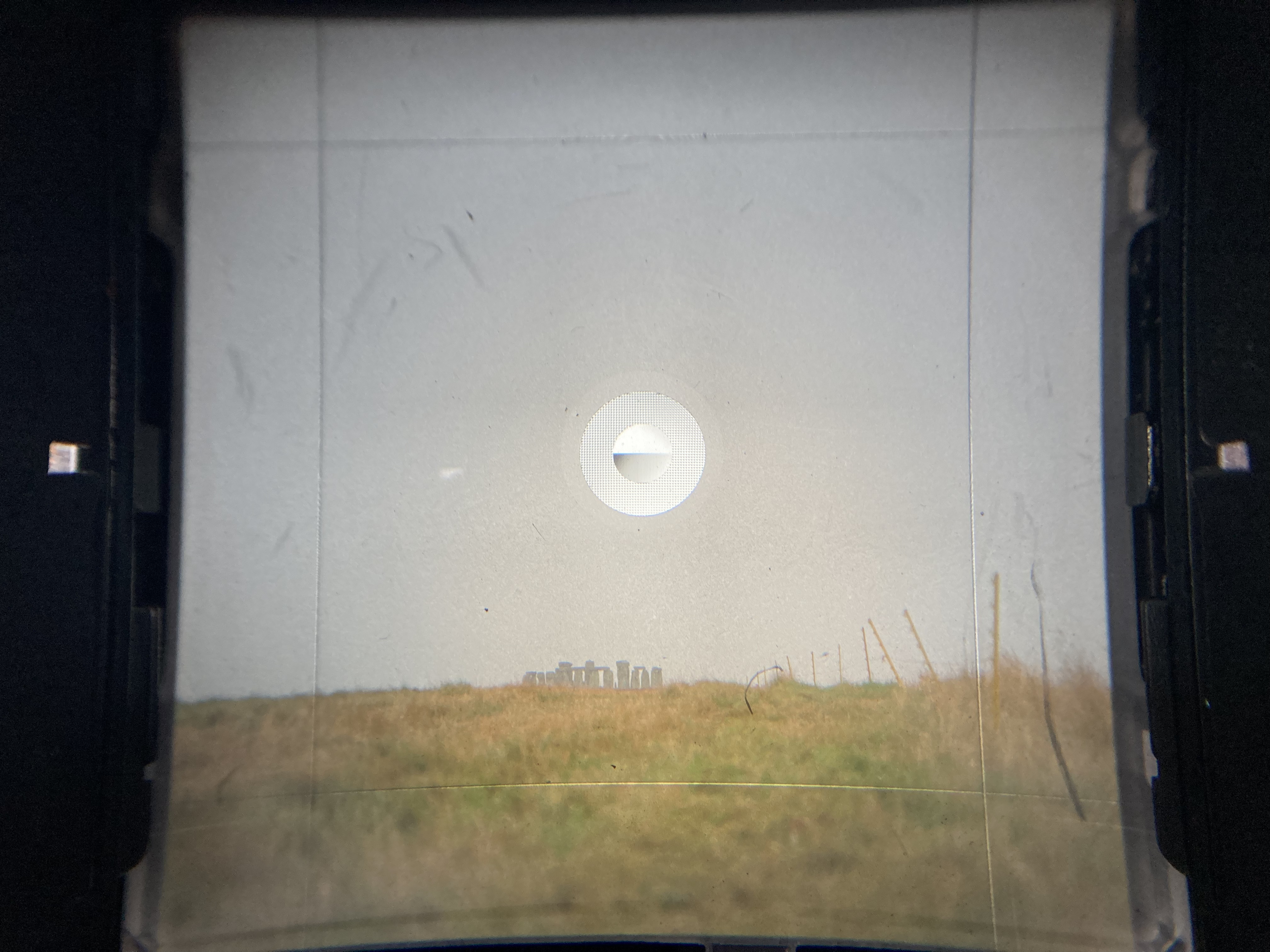
Unfortunately, after such an early start and a three-mile walk (no, it’s not a great hike, but with medium format camera, lenses and tripod it feels a bit longer), the weather decided to be too dull to make the picture I was after.

Ok, so the six-mile round walk wasn’t a killer, but the early start was giving me a bit of a kicking. Time to head home.

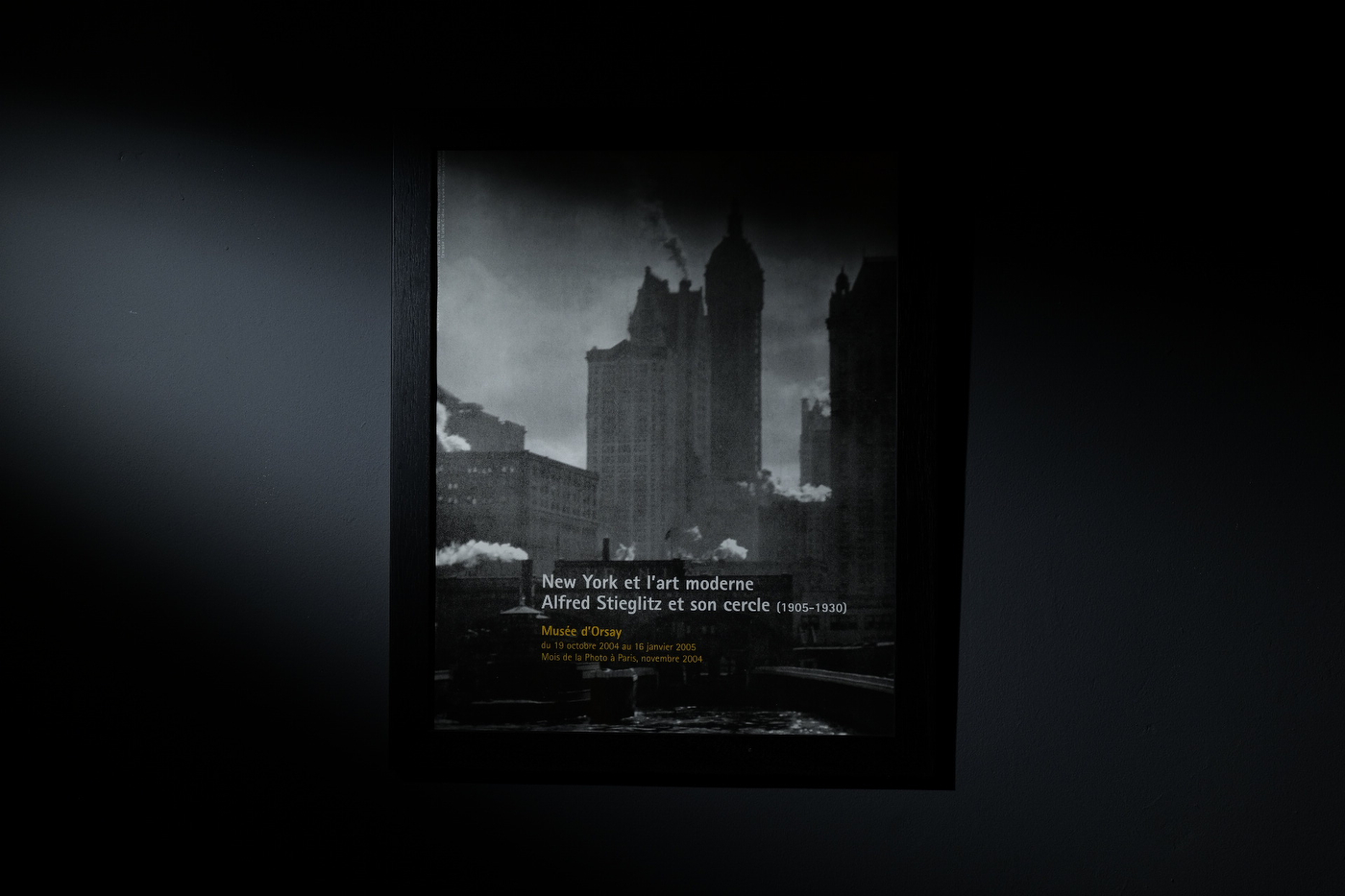
On the way back I swung by my local picture framer to pick up a couple of pieces of non-reflecting glass. This is part of my master plan to keep improving how I digitise my negatives, squeezing every last drop of quality I can from the process. I didn’t stay long, he was busy with framing work for London galleries.

Back home, I tried a bit of admin, but by now my brain was aching for a little sleep, so I took a power nap (ok, 90 mins) to recover before lunch.

Then it was back on the admin, handling client enquiries, a bit of social media work and planning next week.

I did manage a bit of R&R in the evening, but then the lure of photography drew me back again. I’d recently updated some flash equipment, so had a bit of an experimental session with that. Focusing on areas around the home, I looked at how I could use the new gear to create different effects. Call it play, call it fooling around if you will, but a photographer who only works with their new gear once they’re commissioned to use it is a fool.

By the time I’d quit trying things out, it was 10:30pm and I was finally ready to stop, but not until I’d transferred my test flash images to my computer and had a look through the results. So ok, it was nearer 11pm when I finally shut the laptop.

I sometimes beat myself up that I’m not dedicated enough to what I do, but then when I sit back and look at it properly, I don’t think I’m any kind of slouch; I just need to remind myself that even a day which doesn’t produce solid results isn’t a day wasted, it’s a day invested in something yet to happen.

No One’s Bursting My Bubble

I’m not sure “busy” quite describes the intensity of my work recently. The fact is, since April I’ve been busier than at any other time in my 23-year freelance career.

This is a post-covid bubble for sure. Pent-up plans, postponed events and long-neglected websites have suddenly become the focus of many corporate marketing teams, and I’ve had the pleasure of working with many to shoot the stills, and now video, they need to bring those plans to fruition.

Biggest Project to Date

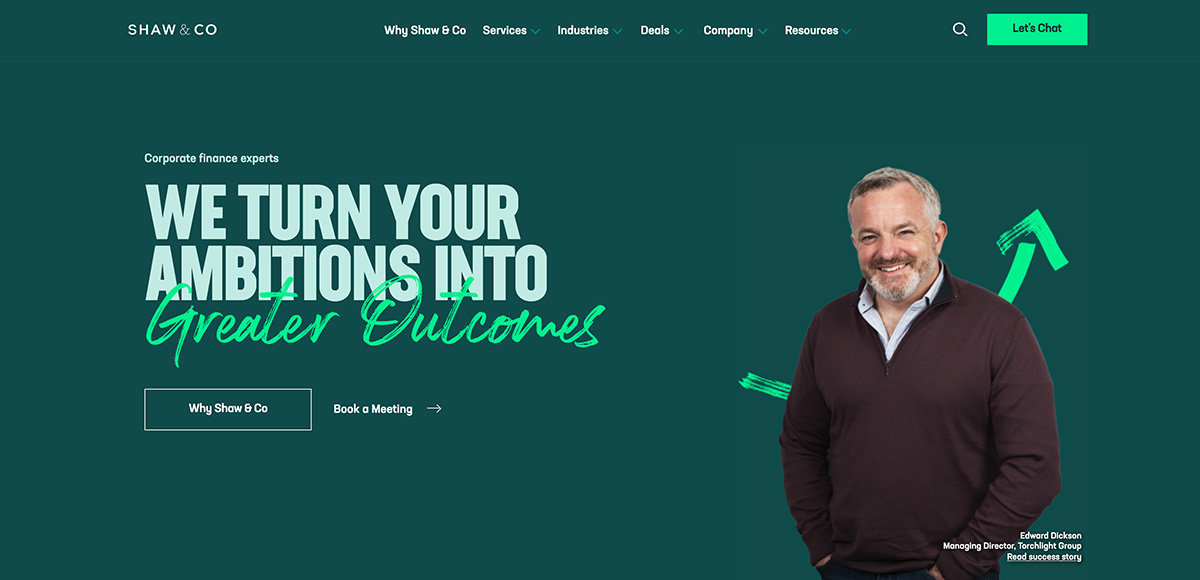
One project in particular has dominated my diary. I suspect this won’t be the only blog post I reference to it either, and that has been the stills and video content for Shaw & Co’s new website.

Shaw & Co has been a long-standing client of mine. In fact I first photographed company founder Jim Shaw way back in 2010 when he was at a different, now defunct firm in Bath. But my work with the Bristol-based corporate finance firm came about by a chance google search for a photographer which has kept me going back ever since 2017.

And so for the past 5 years I’ve been taking Shaw & Co’s team shots, head shots and office stock images. But then during 2020 their Chief Marketing Officer Paul Mills brought me into the picture about their plans for a re-brand. This was going to be a bit more than the usual photo session.

This time there would be video alongside stills on the website, so I started to look into whether I could deliver that for them. My cameras were video-enabled, but I knew enough about video to understand you don’t simply switch from stills to video mode and wave the camera about a bit. At least not if you want anything vaguely usable.

Lockdown Learning

Lockdown proved a useful breathing space for me to research and learn the very basics, but there’s nothing quite like having an actual commission on the books to focus the mind. In fact it was essential for me to have a goal to work towards. Video is a huge discipline and you can stray off in all directions if there’s no end-goal. You can also spend your way to bankruptcy if you’re not careful. Knowing what the requirements were for what I needed to deliver allowed me to focus on the kit and the skills I needed to develop as priority.

Being Part of the Process

Perhaps what has been most unusual about this project is just how deeply embedded I’ve been with its development – seeing the brand graphics as they evolved, liaising with the design agency Design By Structure at various stages and even finding my own suggestions being incorporated where appropriate. With some projects I feel I could be a robot with a camera, told to “stand there, shoot that,” but not on this occasion; I was definitely part of the team here.

The website launched this week and given the time period over which it has been developed and implemented, it really is an astonishing achievement. I’ve known much smaller projects to take far longer, which is testament to Paul’s enthusiasm and drive and his ability to enthuse all those around him.

Having Faith Helps

It’s also fair to say that the confidence Paul (and Jim) placed in me has sometimes outstripped my own self-belief, but I’m incredibly proud of the speed of my development and more importantly of the work I’ve turned in.

You can now see the stills and video clips over at Shaw & Co’s new website and even if their work isn’t an area you’re familiar with, I’d love to know your thoughts here.

Is That It Then?

Now I know I said this was a post-lockdown bubble, and things have quietened off a little as we get into August, but I’m still busy with new work and projects which were delayed by covid.

I also know that whatever happens next, I’ve gained valuable skills I can offer new and existing clients. I also know Shaw & Co are keen to build upon what we’ve started, so bubble or not, I’m confident there’s more to come.

Film to Film

One week I’m banging on about the joys of shooting old-school (skool) film, this week I’m talking about this frightfully modern video fandango.

In November 2020 I blogged about my video progress and things have, well, progressed! I now have a couple of small projects under my belt, one delivered and one still ongoing, and more in the pipeline. It’s been a massive learning curve, but I’m enjoying the challenge and the new creative direction.

The Backstory

For many years I held off getting into video because I had no personal need for it and enquiries from clients asking if I did it numbered single digits per year.

Then towards the end of 2019 enquiries seemed to grow. Mostly from clients who were already working with me for their stills as they wanted to add video to their marketing toolkit.

Lockdown

And then 2020 happened, and we all know what that meant. So during the first lockdown I investigated, cogitated and decided to learn the basics and see where it took me.

Of course as a stills photographer I already had many of the basics, but video is obviously a lot more than just pictures which move, and I’m not just talking about the addition of sound here either.

A New Energy

I’m glad I got the ball rolling because as we’ve emerged from the latest lockdown, client work has really sprung back to life and it’s including a lot of video.

While I’m keeping it fairly simple at this stage (sit-down interviews, testimonials and informational clips), as my abilities and capabilities grow I’ll be able to cover a wider variety of briefs.

In the meantime I’m cramming to learn editing as I know that will make me a better camera operator, just as learning to picture edit made me a better photographer when I was starting out in stills.

As ever, keep watching this space for further updates on this new direction and if you’re a business looking to step up from iPad videos to something more polished, drop me a line and let’s talk.