When Not To Use AI

The other day LinkedIn served me up a post from a photo retoucher who made the perfectly valid point that while AI can’t fix an inherently bad photo, it can be used to rescue one from disaster. I’m kicking myself for not saving the post, because while it made some interesting points, it also reminded me that context and purpose matter as much as the content of the image.

Let me explain that a bit (ok, a lot) more.

Macaroongate

Their example was a photo sent to them by a client. It was a food photo of a macaroon on a bright pink background. There was a spatula sticking out from under the macaroon which needed to be removed, the depth of field was wrong (more of the product needed to be in focus) and the background needed to be plain white.

The retoucher said they’d used AI extensively to correct the flaws and created a commercially usable image. All good then, except the casual reader might have been left with the impression that it’s ok to do this kind of twiddling on any photo, regardless of the content or the purpose of the mage. However, here is where I would advise caution.

Content and Context

When considering where, how and why a photo is to be published, context becomes a critical consideration.

Photos which are intended to represent reality mustn’t be altered. It doesn’t matter if it’s for a newspaper or just a tweet, if the context is to illustrate a PR event or news story, alteration of the image beyond what the camera saw at the moment of capture is wrong. In the case of newspapers (and their associated websites and social media channels), image manipulation beyond certain specified basics are considered a breach of the Editors’ Code of Practice.

Even in the Wild West Frontier of social media, brand credibility can be trashed if images are manipulated. Adding logos to clothing or signage, moving or removing irritating background items or changing colours (amongst many other dodgy options) should all be considered no-nos when the purpose of the photography is to illustrate an event.

All of which brings me to a recent failing of my own.

Kicking Myself (for the second time in this article)

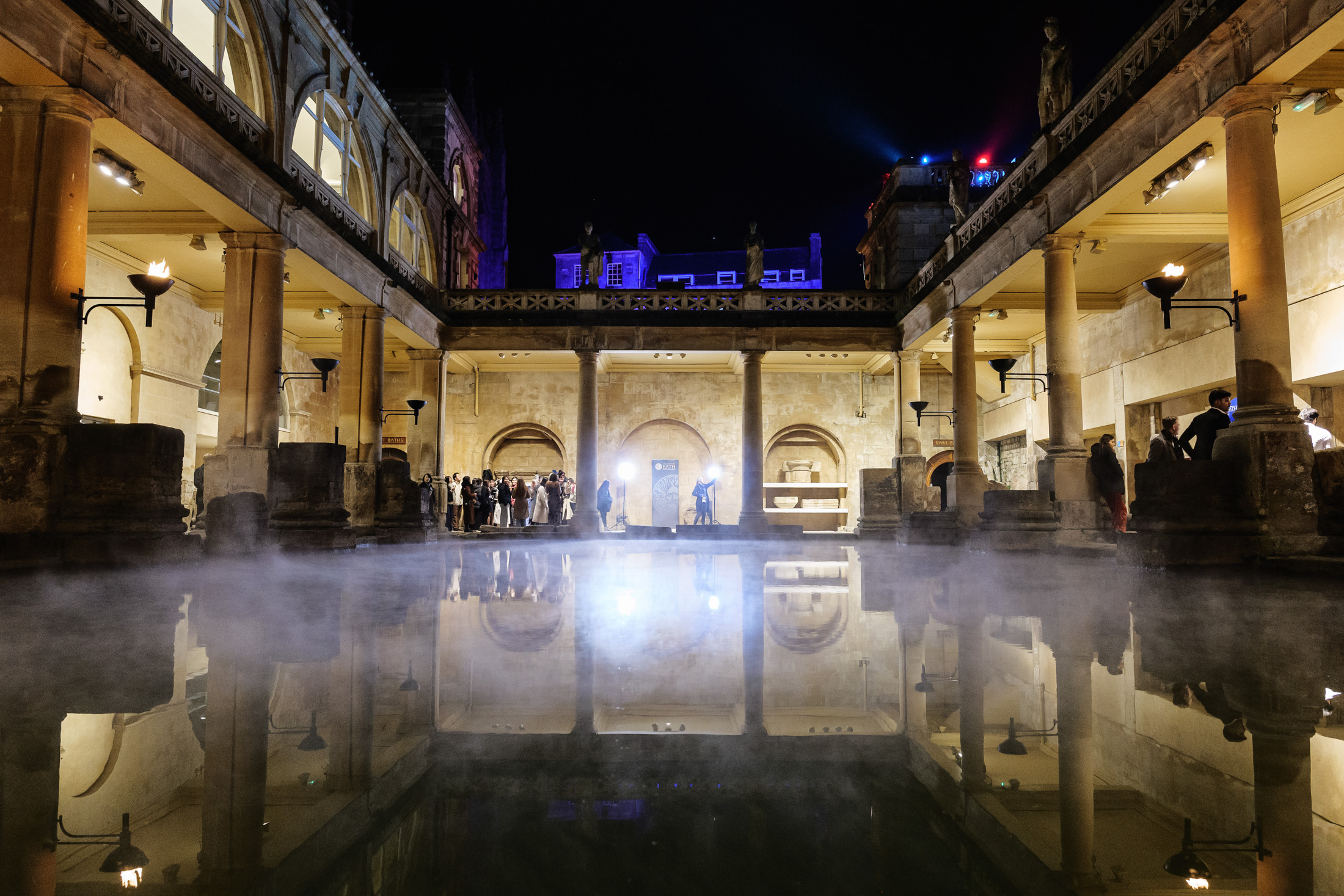
In the group photo below taken for University of Bath, what irritates me the most is the fan lurking at the back of the stage. I’d already shifted it as much as I could before the event kicked off so it didn’t show up behind speakers at the lectern. However when I had only a few seconds to get the group shot at the end (I needed to be quick, or risk making Sir Christ Whitty miss his train), I failed to notice it was now visible again.
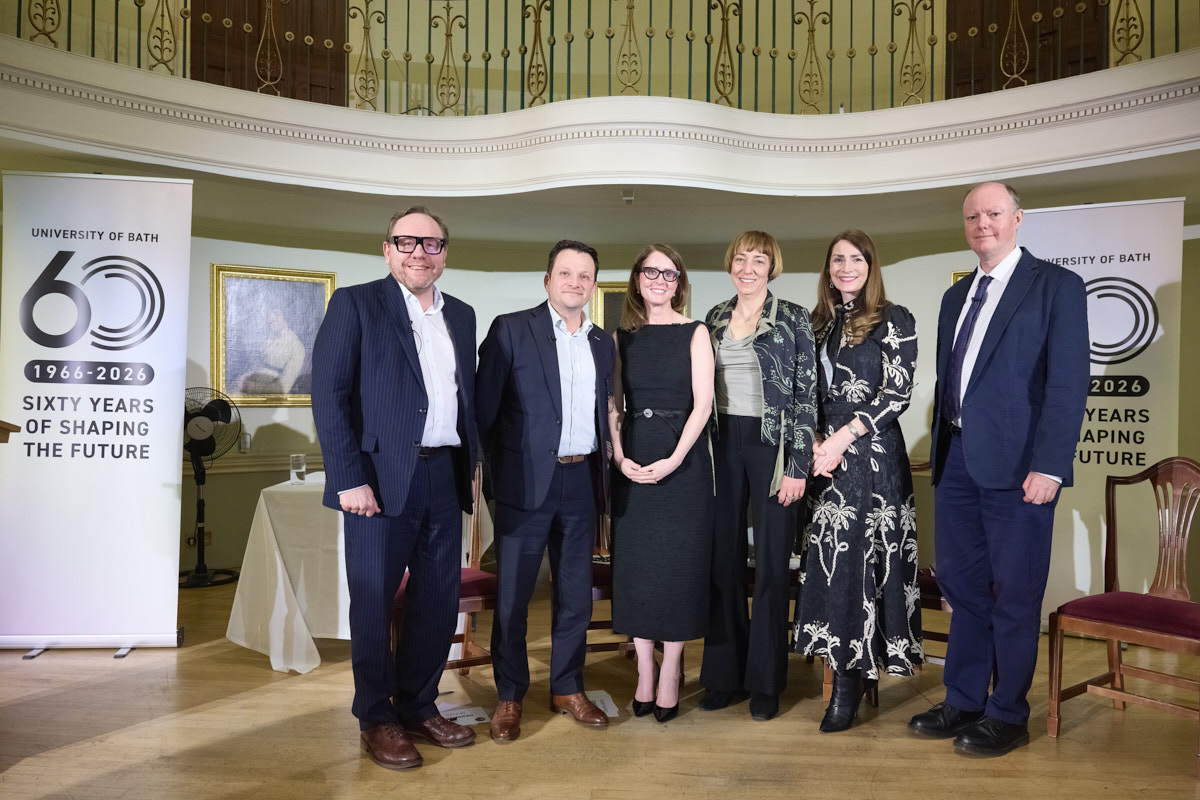
The simplest fix would have been to bring the pop-up banner (at left) forward. This would have hidden the fan and the table with the water glass, balanced the group and made the branding more prominent. One small action would have tidied the entire picture!

Thinking back I was rather preoccupied with organising six people into a tidy group under time pressure, simultaneously fretting about whether the poor stage lighting was going to give me a clean image, but it’s easy to make excuses after the event.

You might argue that since the photo was staged and therefore not ‘reality’, I could have used an AI service to move the banner and fix all the problems I’ve listed, but the thing is even a staged photo at a real event contains its own kind of reality.

What Is Reality Anyway?!

We could argue about the truth of any photograph, but while the viewer here would understand, without needing to be told, that this is a staged group photo, using software to tidy the scene after the fact would be deceptive.

Of course this isn’t a hard news photo, but it is a record of an event which took place and destined to be used to ‘report’ on that event. Therefore, manipulation would not have been a good idea.

Maybe I should start using sloppy background errors as a way of ensuring nobody thinks my work is manipulated, a sort of signature of authenticity if you like. No, I think I’ll just remind myself to always check the background first (one of my earliest lessons as a local news photographer).

When setting up a picture like this group, it would be acceptable to move elements and arrange people for the optimum photo before it’s taken; doing so in post-production harms our trust in what we see in media announcements.

What About Headshots?

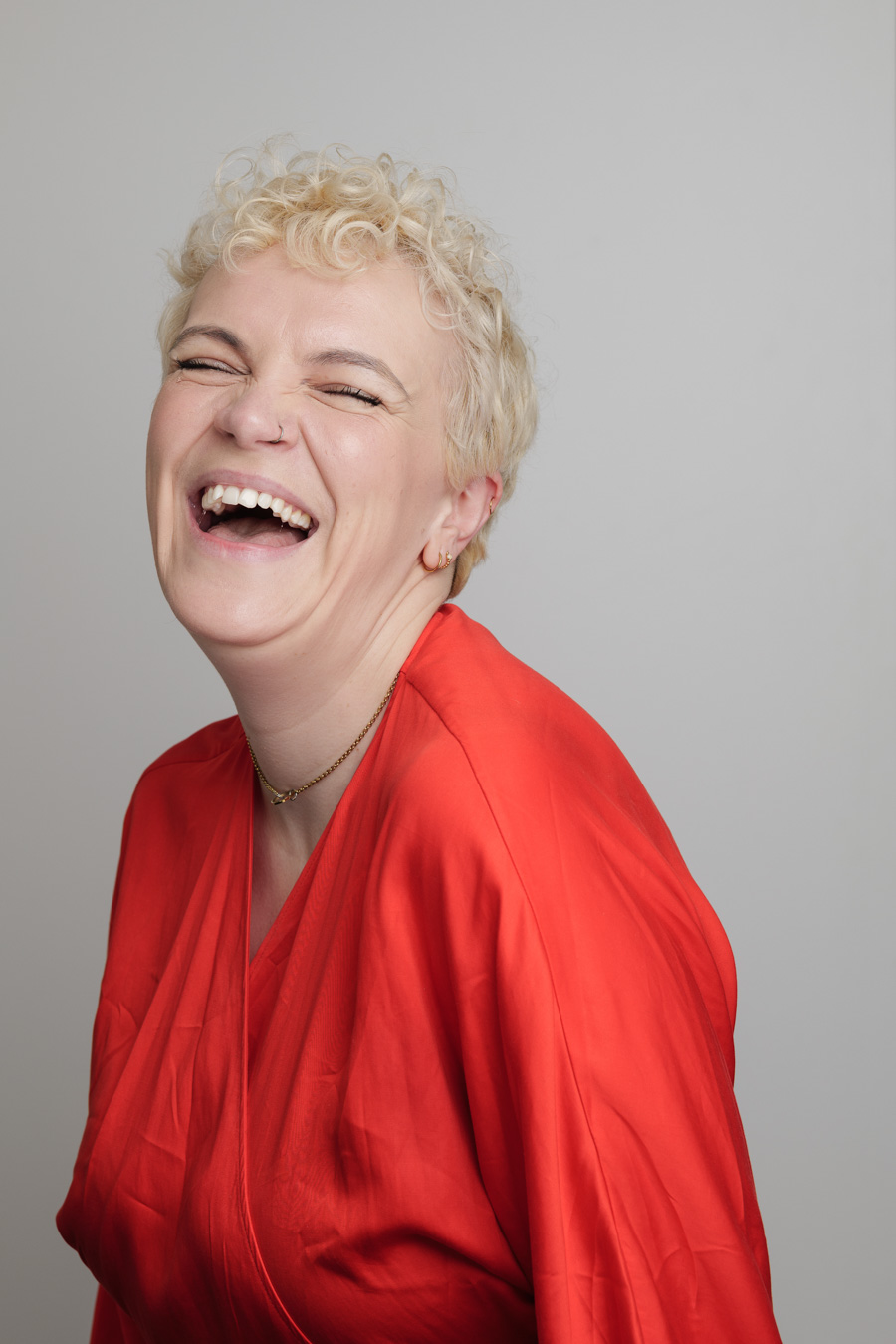
It’s a little different when I’m doing corporate headshots or images for corporate websites and brochures where there is no pretence at representing a news story or event. The images on a business website are generally there to promote or sell a service. They effectively become advertising, where manipulation is fair(er) game.

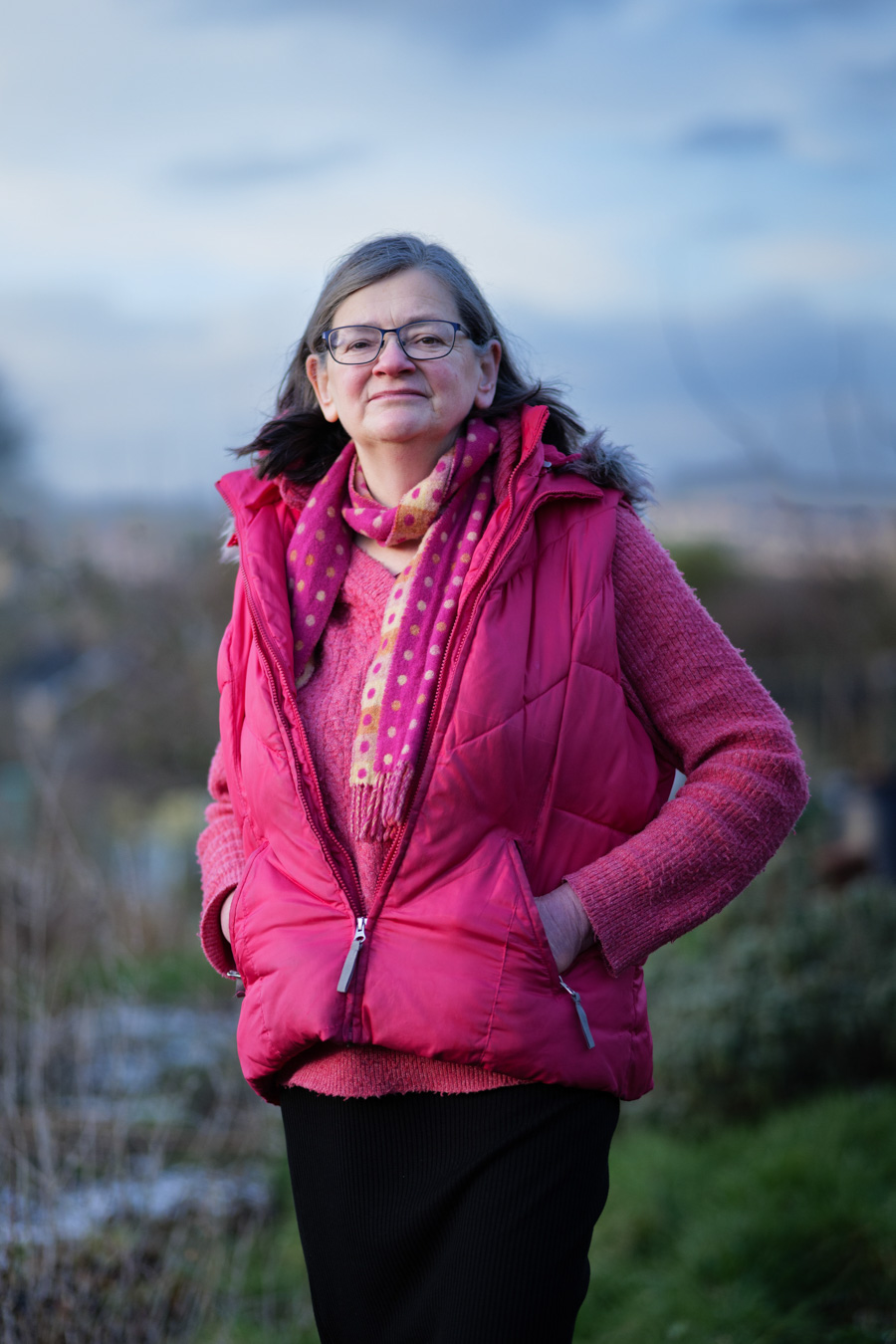
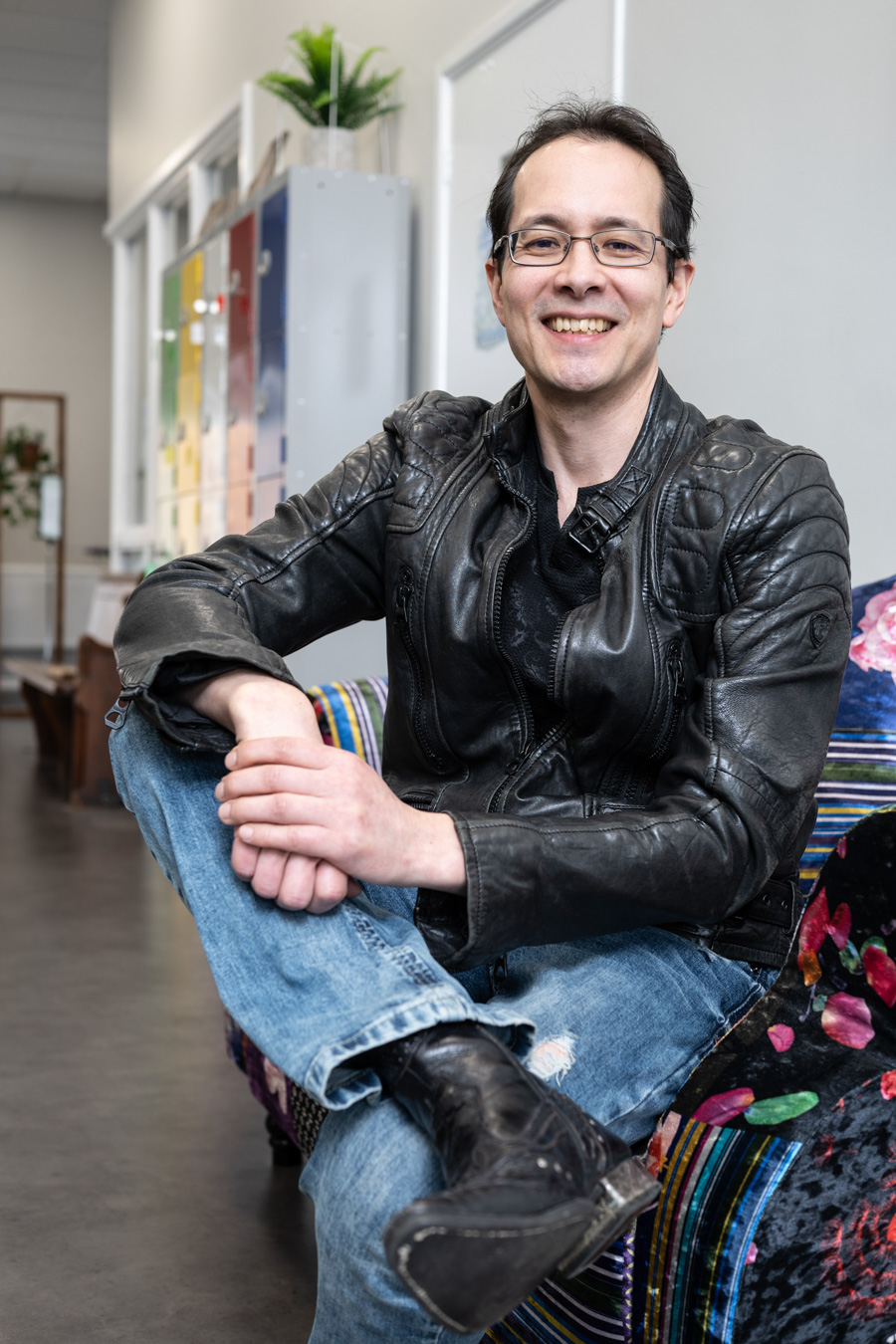
For corporate portraits I have a policy of cleaning up temporary blemishes and removing stray hairs, but the circumstances, context and purpose of such photos is very different. I’m not trying to say, “This is exactly what Sheila Jones looked like on this particular day.” The client (or Sheila) wants to give a representation of themselves as a real person who’s friendly, professional and approachable. As long as the image isn’t altered beyond recognition, some retouching is perfectly acceptable.

On occasions where an image isn’t destined for publication (perhaps it’s just a keepsake for the participants) it’s also acceptable to apply heavier editing. The problem here can be that once an image is “out in the wild,” it’s also harder to control where it might end up.

Which Leaves Me Where?

Back to my own example, of course there are things I could have tidied up, but having made the picture I made, I accept it for what it is; a quick group photo, a record of a moment, where no one but me (and now anyone reading this article) will even notice the shortcomings of the result.

I don’t have to be fine with that, but neither will I beat myself up over it. I can be comfortable with the knowledge that I haven’t used AI to hide my mistake.

Just to say, the evening itself was fascinating and I highly recommend watching Sir Chris Whitty’s lecture via this link.

A Couple of Pointers

Many of my photographic jobs involve covering conferences, seminars and general get-togethers of science and industry leaders. The brief will usually involve fly-on-the-wall photography of delegates networking and exchanging ideas during the registration and coffee reception, followed by shots of the key speakers presenting their thoughts.

The spaces I’m working in can range from big lecture theatres with a capacity of 300+ to rooms barely large enough to hold 20 people, which can be a challenge when I’m trying to be discrete.

Lighting will also be mixed – it’s almost always terrible! I rarely get sufficient soft daylight to make the shots easy to edit, so I work with whatever is there. Then I go into battle at the edit stage to ensure skin tones don’t, at the very least, leave people looking ill. Sometimes I’ll use flash, but this can open a whole new can of worms and is often best avoided.

Regardless of the nature of the event, the size of the room or the lighting I’m working with, this work always boils down to ensuring I capture the speakers in a flattering and/or engaging way. One of the keys to this is the gestures people use as they speak.
My preference is to spend a minute observing the speaker to work out which area of the room they tend to address (there’s no point me taking a position to the speaker’s right when they only ever look left). I’ll try to work out if there is a pattern to when they look up and with their eyes open. And I’ll be watching to see if they make interesting hand gestures; again, I’ll look to position myself to capture this the best way possible.
Some people aren’t so easy to capture: They might only read from notes with their head down, or they might only look up with their eyes shut. If they move around a lot in a space that is dimly lit, keeping focus on them can be a challenge.

When it all comes together though, the speaker shots can work really well. They might never qualify as art, but since they’ve been taken to support on-going amplification of the event, they really should be as interesting and engaging as possible. Reaching and grabbing audience attention after the event is one of the hardest tasks for the communications manager, but it’s made all the more dispiriting if the photos are poor.

One other thing I try to ensure is that across the set there will be a variety of shots with emphasis to left and right of the frame, as well as some with design space should the client wish to drop text or a graphic into the image. It’s also important to have a mixture of upright and landscape formats for different publications and platforms.

So while this isn’t the most glamorous genre of photography, it’s interesting for me precisely because good results rely on some quick thinking and problem-solving. Sometimes an image will have an additional spark, which is usually down to the speaker’s gesticulation in the split second that I captured the image. That’s when I know all my calculations have paid off.


So long 2024

It’s that time of year again when I kick of a blog post with the line “It’s that time of year again.” Maybe I should find a new intro! Maybe next year…

So here’s a bit of a whistle-stop photographic round-up of my last 12 months. These aren’t all Pulitzer winners, but there’s an image from each month about which I have something I can say. This’ll work best if you expand the first image, then use the ‘Next’ button to navigate through. Enjoy!

And finally of course, just to say a massive thank you to all my clients, collaborators and blog subscribers. I really appreciate your continued custom and support, and I wish you all the very best Christmas and New Year break. See you in 2025!

Tim

Awards, Ceremonies and Celebrations

Under normal circumstances, I wouldn’t leave my blog unattended for almost two months, but things haven’t been quite normal lately.

A busy work schedule and personal circumstances (he said, cryptically) have conspired to keep me from posting, so this is a round-up of recent work.

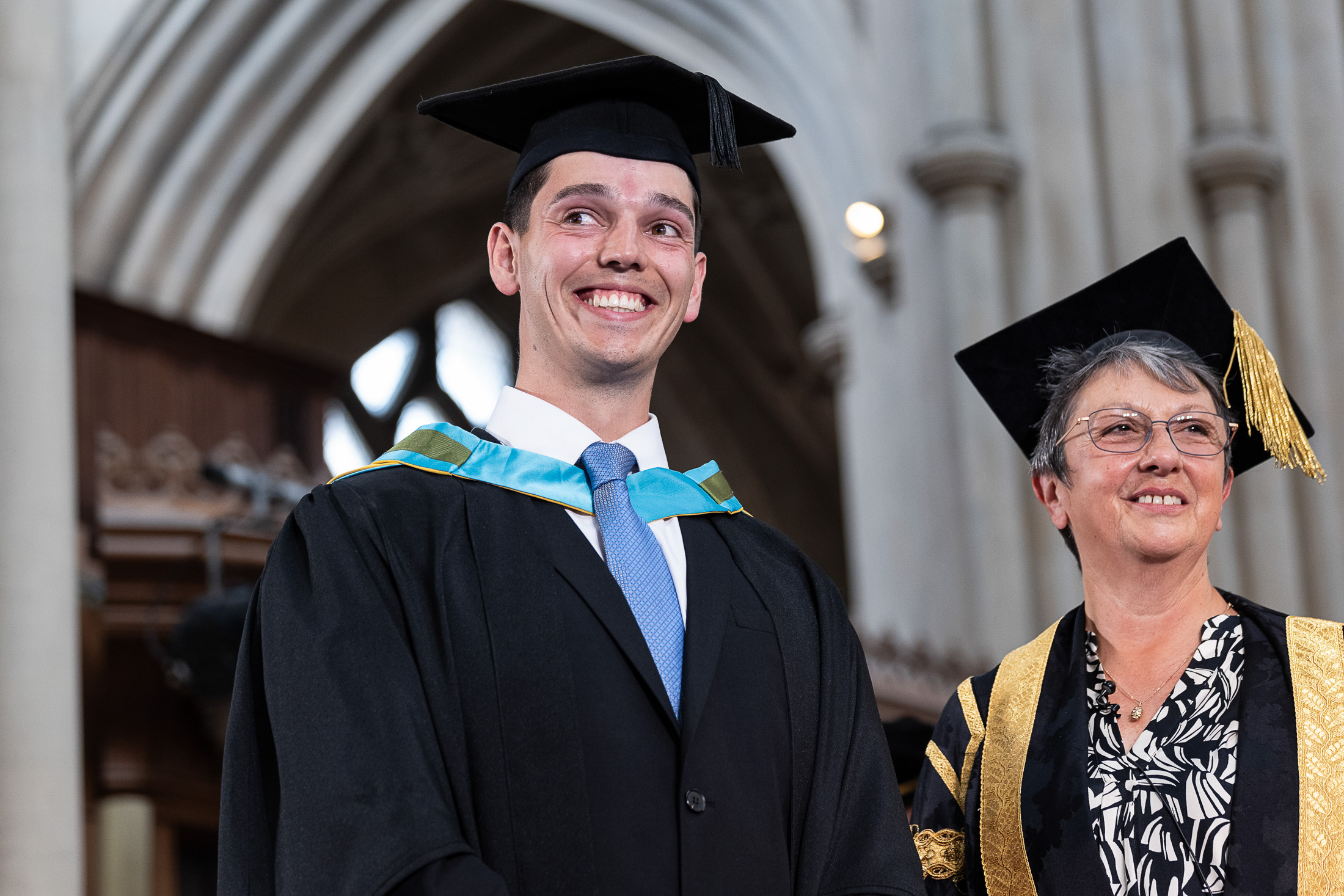
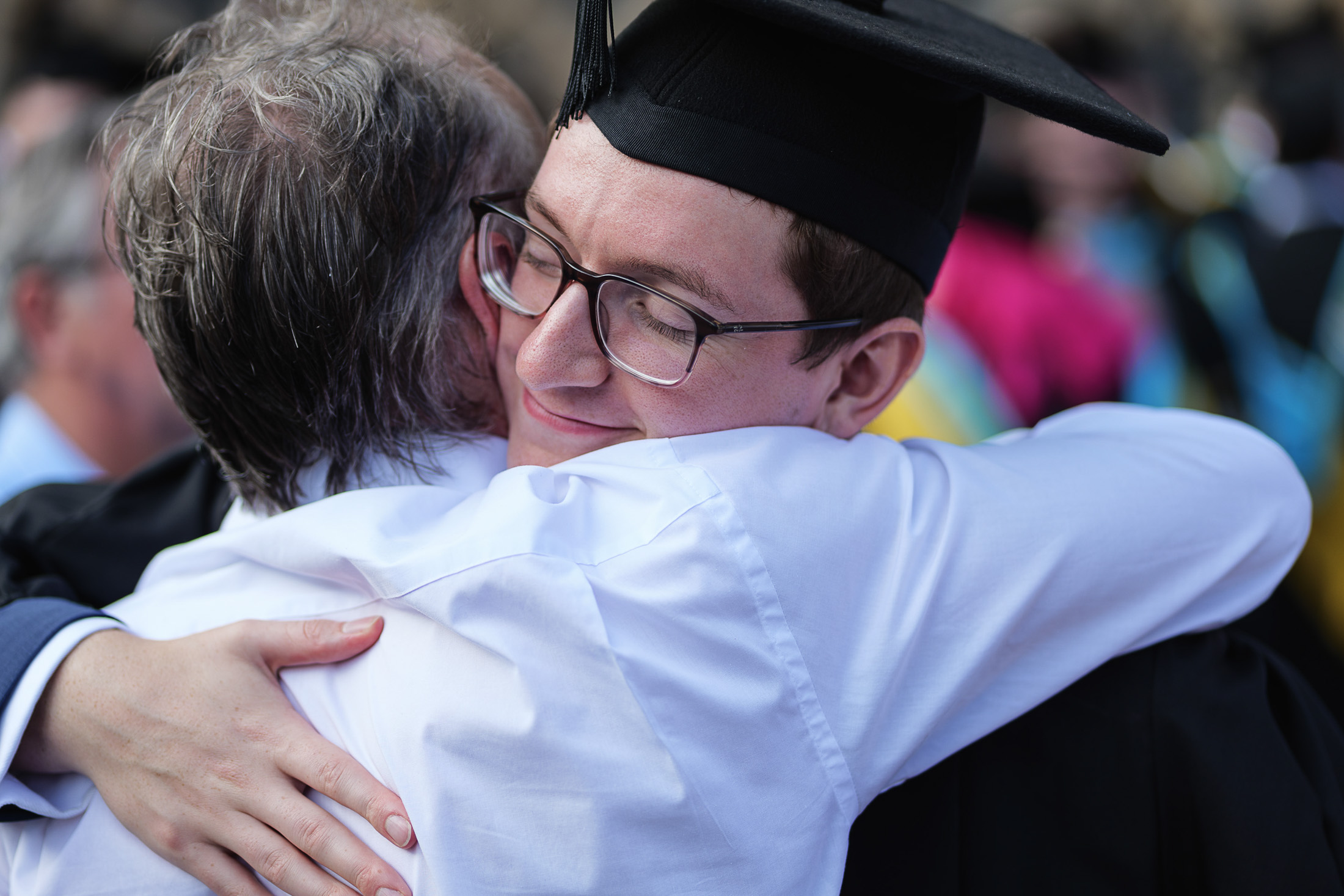
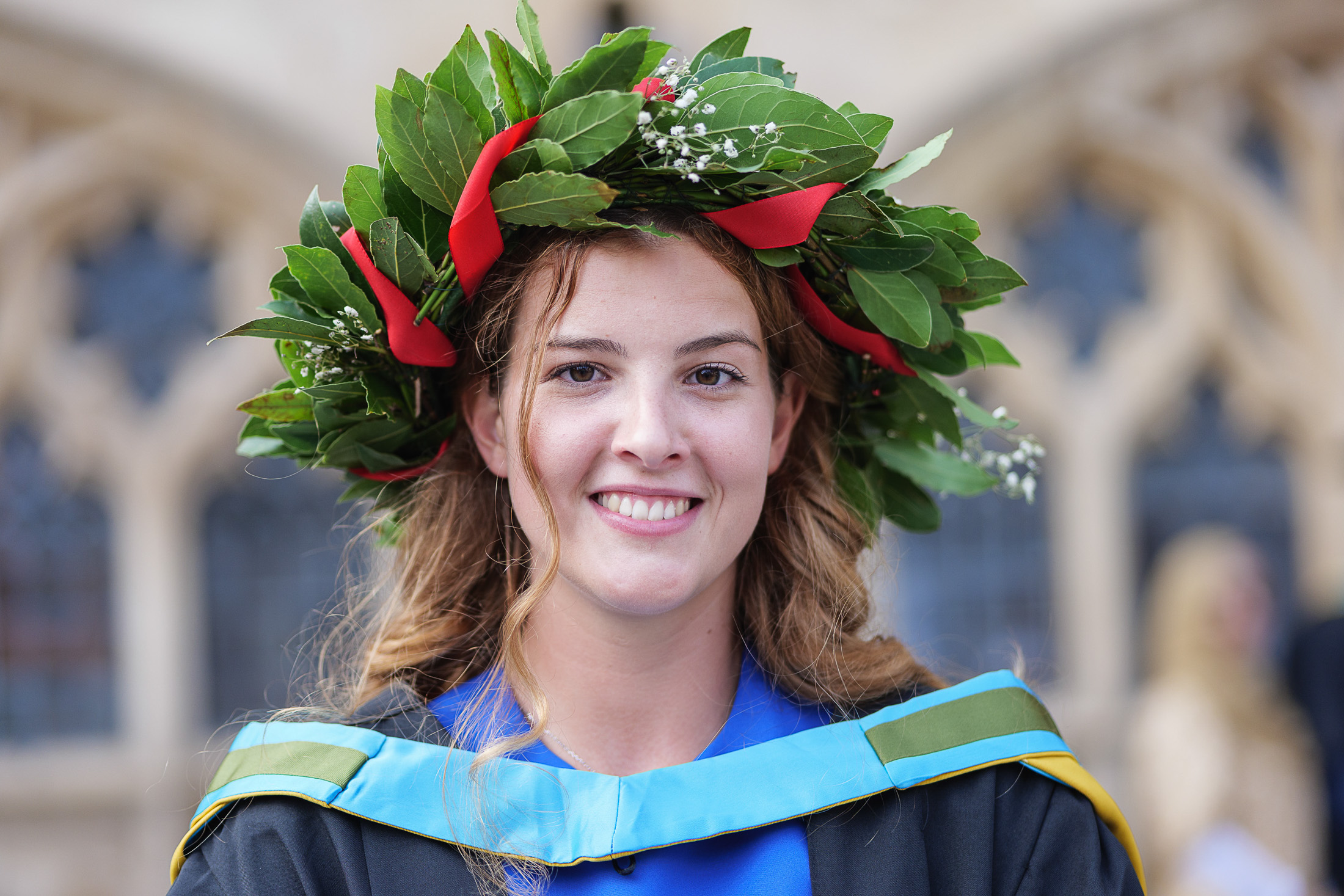
Looking back, that work has involved a fair number of award ceremonies, certificate presentations and celebrations of all sorts. From fairly low-key and intimate events to grand occasions, I’ve applied my photographic approach to them all. That is to say, I work to capture the general tone of an event alongside the smaller moments, as well as the presentations themselves.

Photographing events for my clients is always a huge amount of fun. People tend to be relaxed and generally accepting of a photographer there to capture the occasion. It’s their moment, and they’re happy to have it recorded.

For clients, they need my pictures to tell the story and to give them a range of pictures for use across social media channels, press releases, websites and brochures. So this work engages multiple of areas of the brain; I’m thinking about telling the story of the event, making pictures the attendees will enjoy, ensuring the client has images for immediate PR communication, and for the longer term, images which can stand the test of time. Some of the photos will need to be used to promote a recurring event for years to come, so they need to be of a quality that endures.

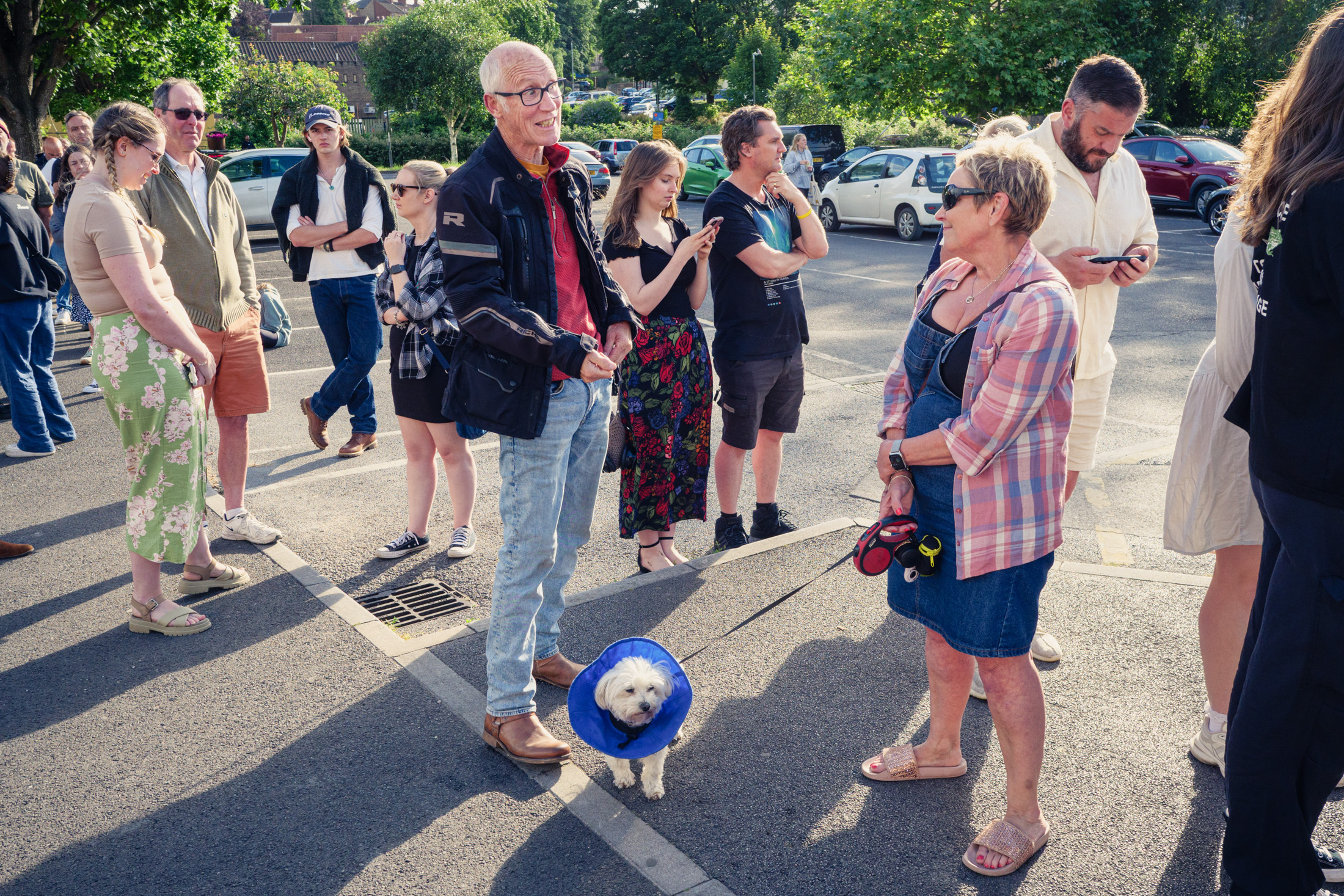
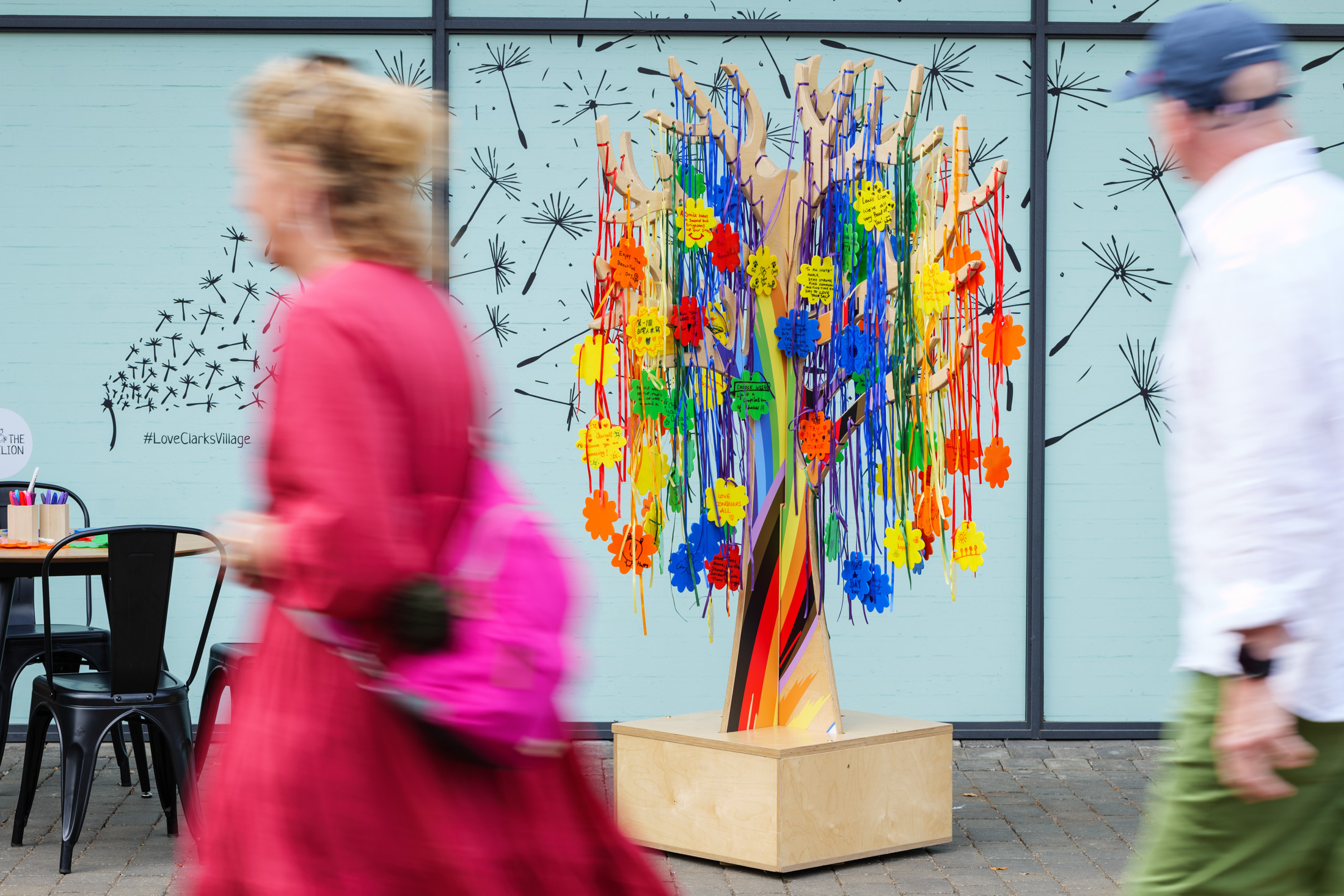
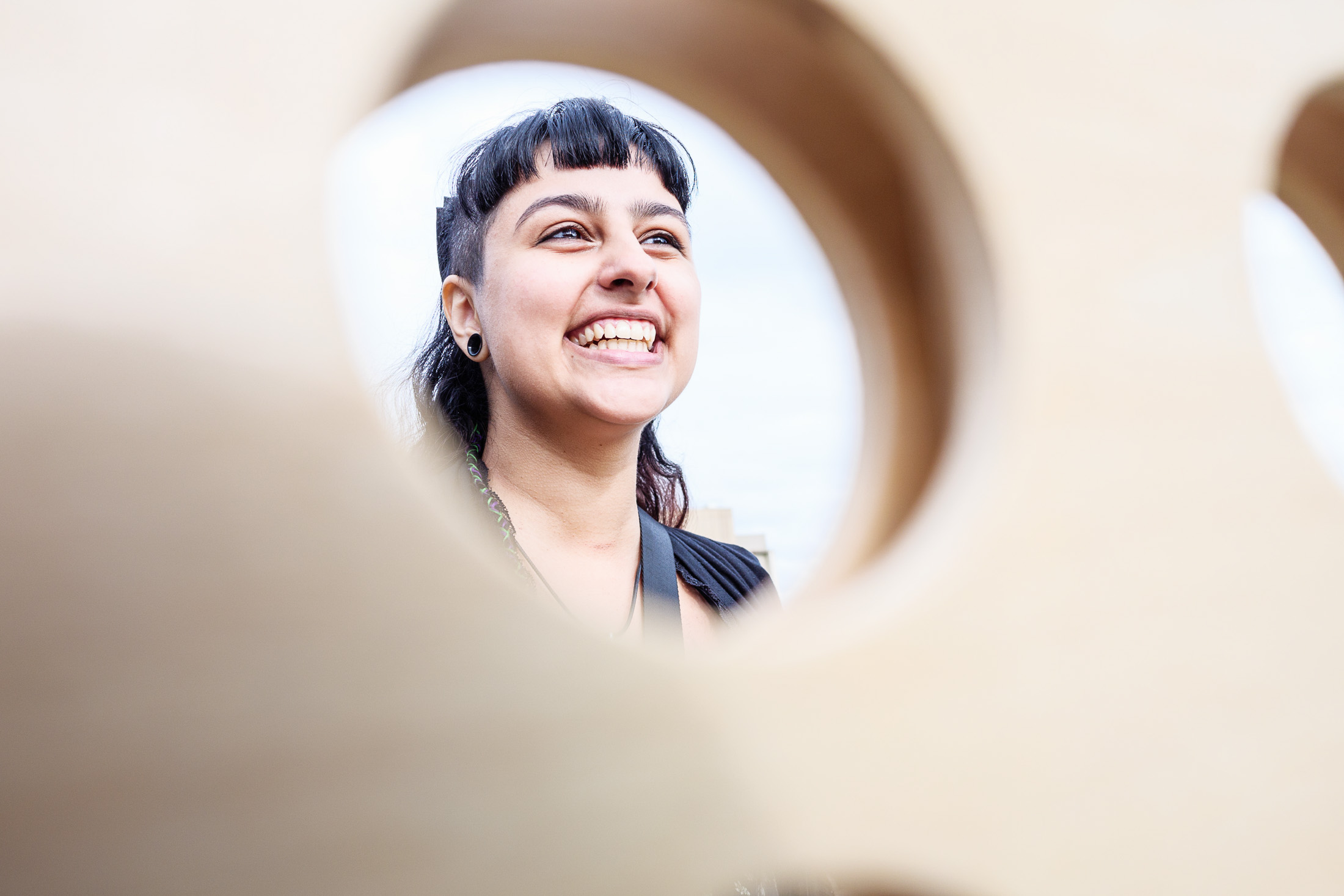
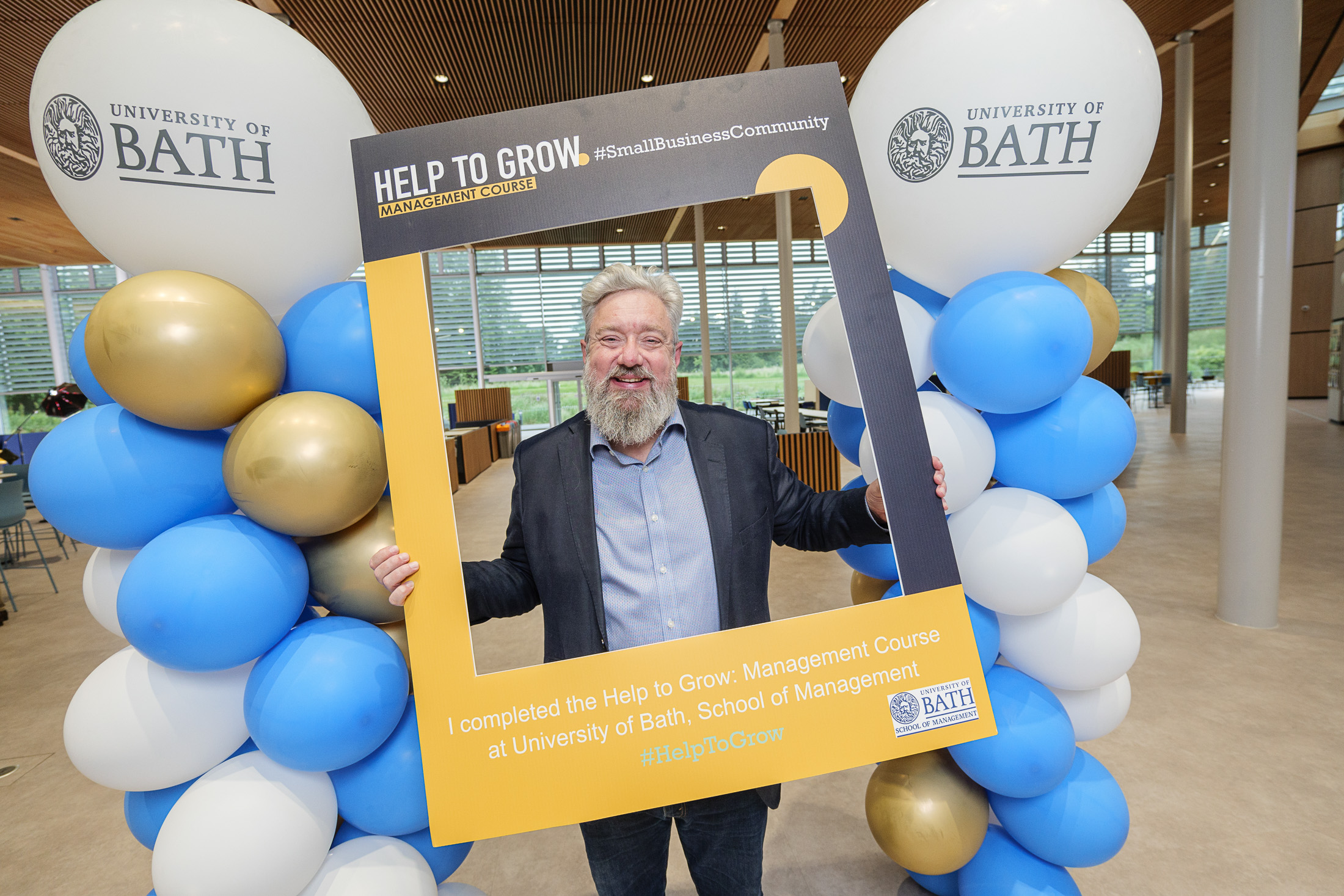
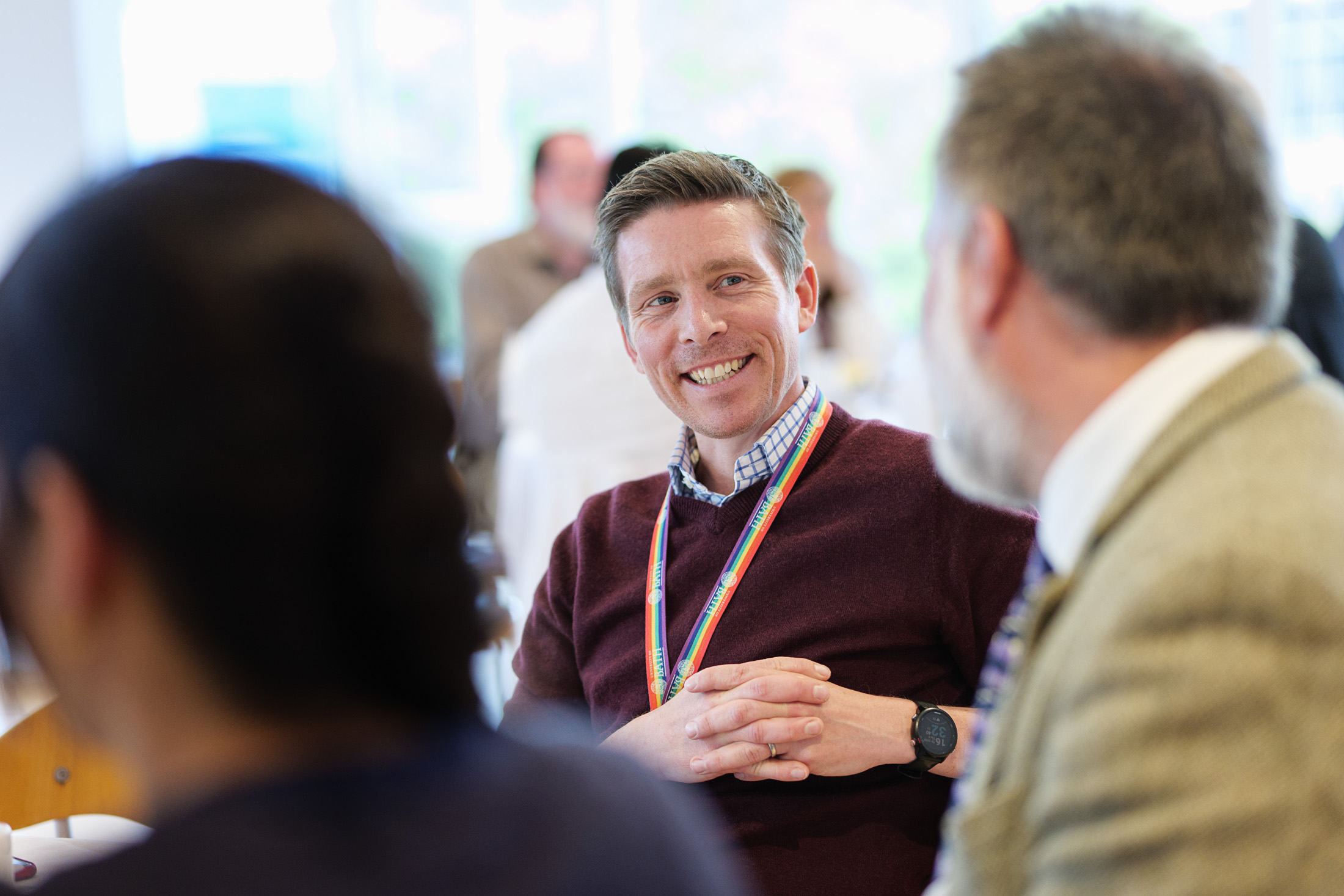
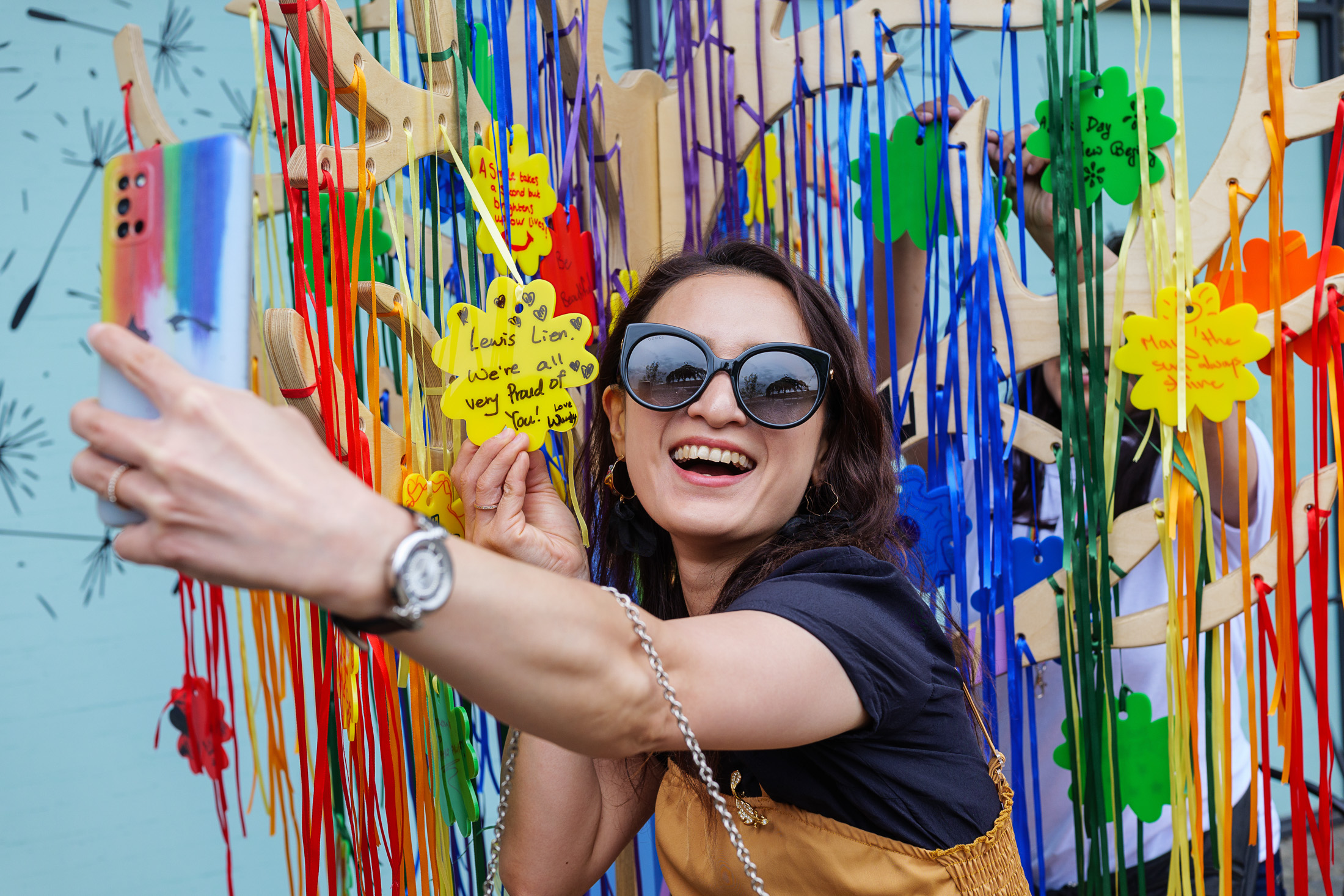
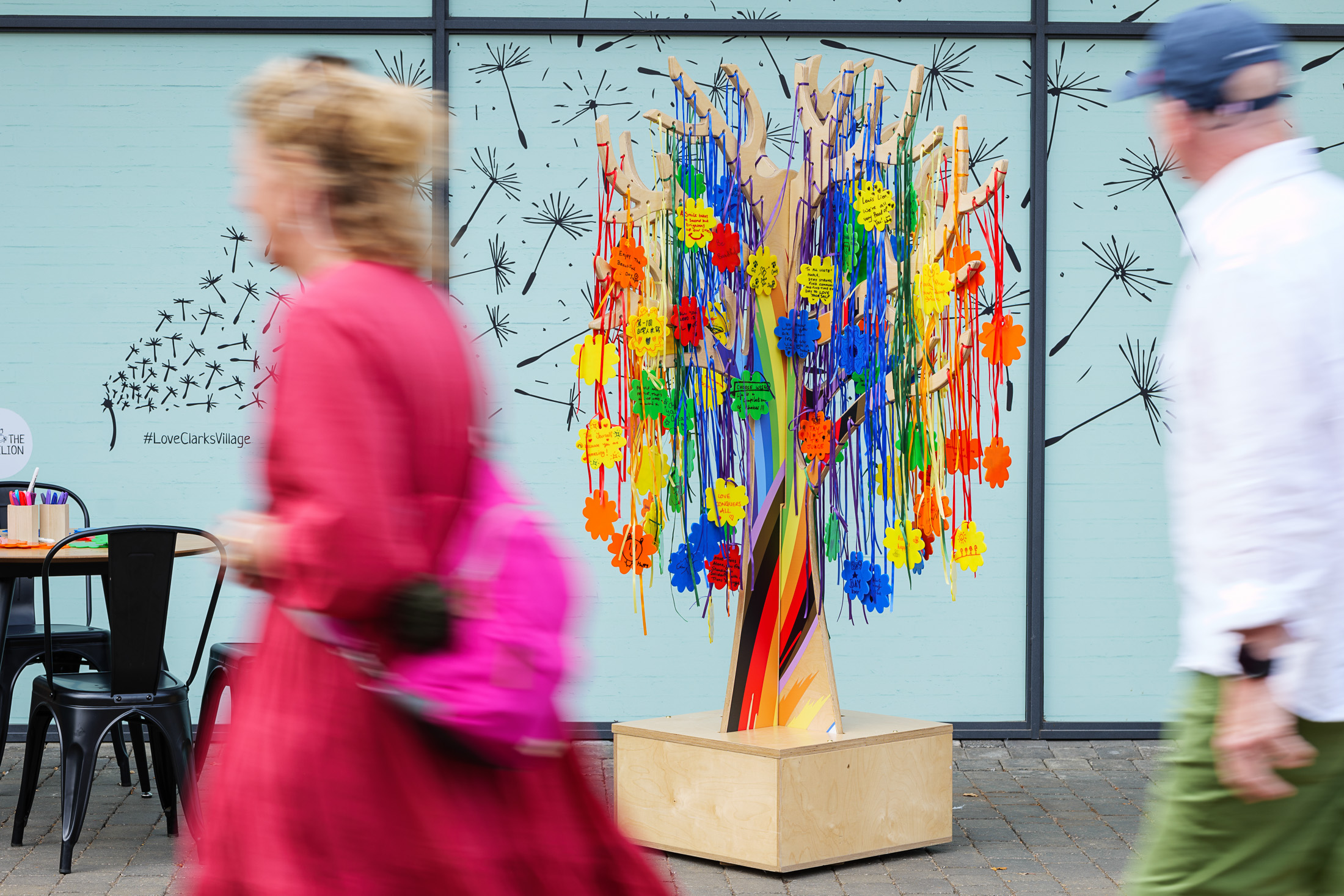
The gallery is just a handful of recent events I’ve covered, mostly for University of Bath (their events just seem to offer the best photographic opportunities!), but also for Clarks Village in Street who hosted a PRIDE tree where people could post positive sentiments on LGBTQIA+ rights, or just say or draw something up-lifting. That was a riot of colour!

I’ve got more events coming up later this year, so if your organisation is planning a celebratory event in the coming months, drop me a line or call 07703 124412 and I’ll be delighted to help.

IT’S BACK!

After all the grief and uncertainty of the past 15 months, it was a genuine pleasure to be back photographing the SOE Skills Challenge at S&B Automotive Academy in Bristol last week.

There were all manner of Covid securities in place, including testing of all participants and support colleagues (myself included), mask-wearing, cleaning and social distancing.

My Role

Regular readers will have seen me write about this before, but of course last year’s event was cancelled. This year was my 6th Skills Challenge and while it’s become familiar photographic territory for me, each year I try to bring something new to the coverage.

One of my tasks during testing week is to supply “rush” images for the PR team to use for social media posts and updates during the event. I’ll usually choose a selection of the morning’s images and supply these ready-formatted for easy upload to Twitter, Facebook and so on.

Bringing Something New

This year, in addition to those rushes, I decided to deploy my 360 camera so people could get a better sense of the environment and context of the event even while it was happening.

As a result of the interactive 360 panoramas, SOE’s Facebook posts achieved far greater engagement than had been seen previously. For Twitter, the regular still images were perfect (Twitter can’t display 360s properly unless there’s something I’ve missed!)

I don’t have access to SOE’s social media statistics, but my contact was astonished to see how much more widely the posts were liked, shared and commented on compared with previous years. Much of this will have been down to the more immersive 360 images like this one:

As I say, I also supplied regular stills to support the social media posts and of course I’ve since edited and supplied the high-resolution files for SOE’s web and print publications. The images will also be used at the awards ceremony in September, which I’m looking forward to covering too.

Shining A Light on Vital Workers

What I love about this event is how it brings a focus to skilled technicians whose work is vital, yet rarely seen or acknowledged. Next time you’re on a bus or coach, or see one going about its duties on Britain’s roads, you know it’s there and working because of the skills and dedication of engineers, many of whom work unsociable hours to keep our public transport running smoothly.

Next Year?

So now I have a little under 12 months to think about what I will bring next year to keep my coverage fresh and evolving. It might be a change of approach or technique, but I already have a couple of ideas. I guess you’ll just have to watch this space to find out!

Could the fair be more fun?

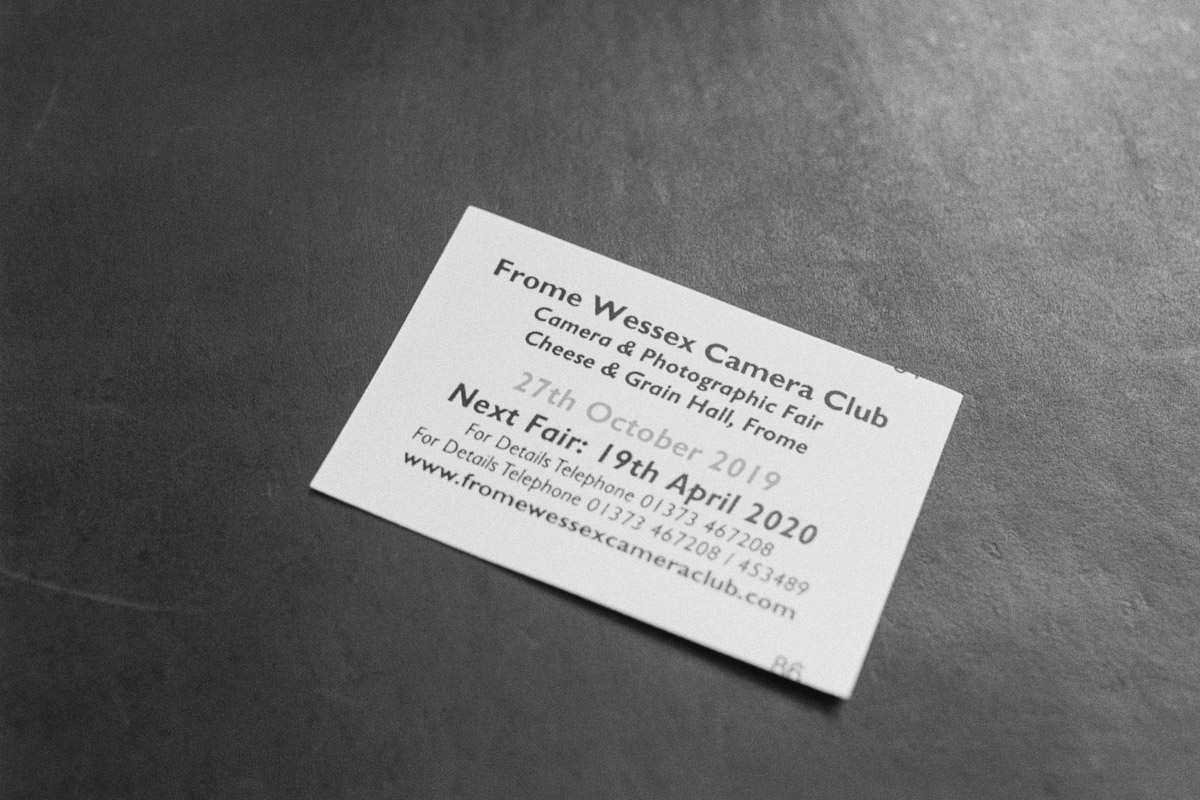
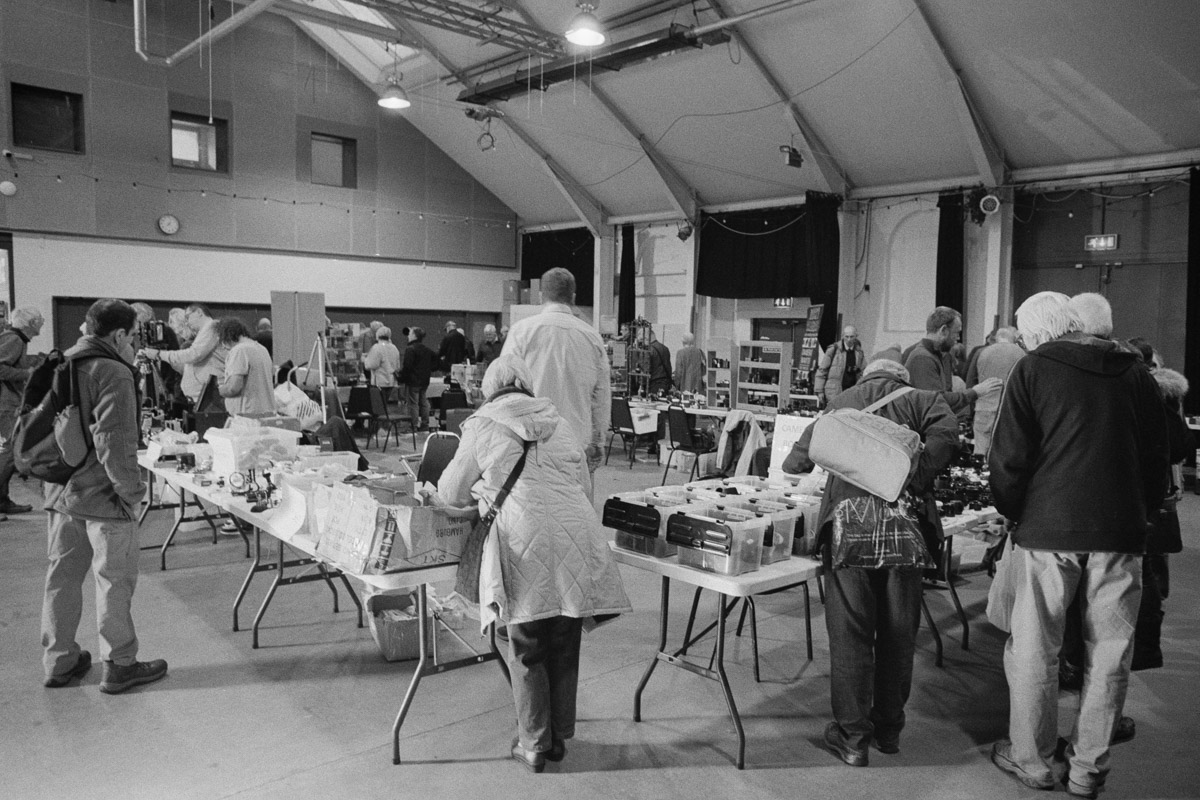
Every few years I’ll give in to temptation and pay a visit to the biannual Frome Wessex Camera Club camera fair held at the Cheese and Grain in Frome (you know, that place the Foo Fighters did a surprise gig in once; you must know where I mean).

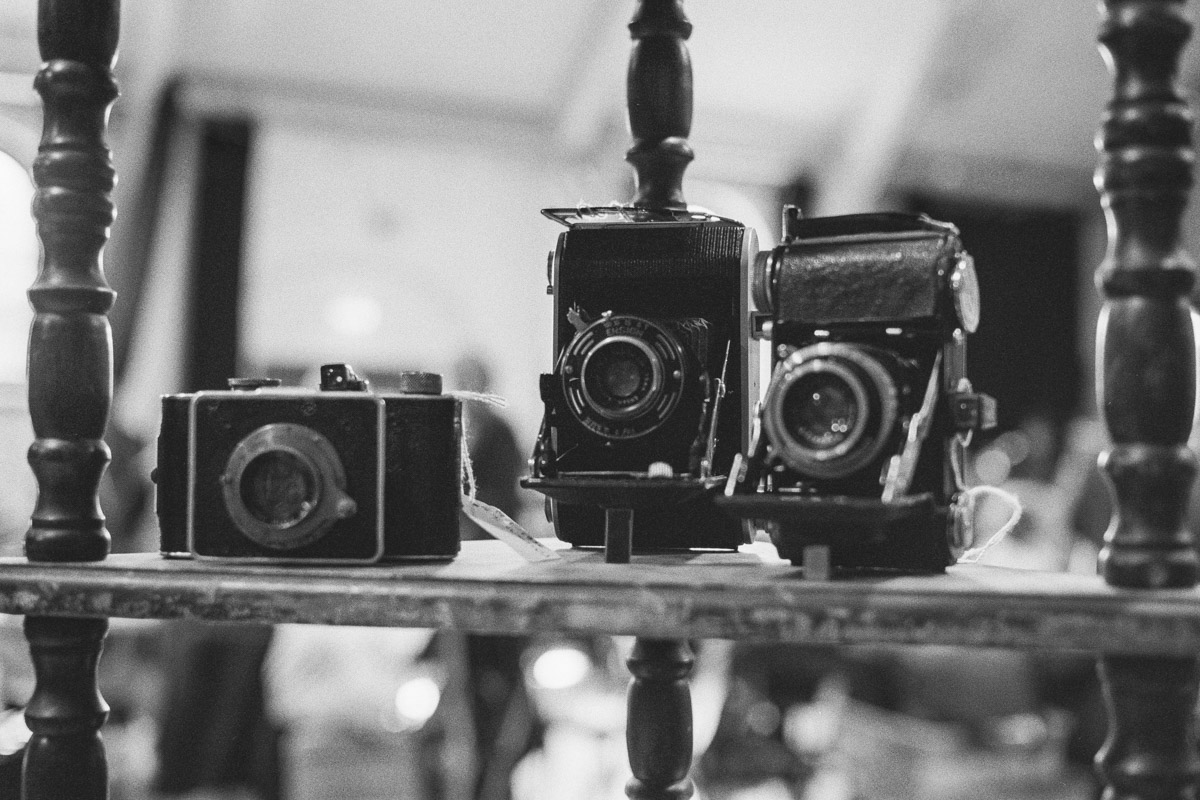
I’m not a natural fan of camera fairs; I think I got over the thrill of standing in a room full of expensive gear I couldn’t afford as a shop assistant some time around 1989.

However the evening before the fair was on, a friend called and asked if I fancied meeting him there. The peculiar thing was, up to the point of that phone call I was oblivious the event was on.

At first I was reticent, but he’d only recently asked if I wanted to meet at another camera fair and I’d turned him down for that one. To avoid looking like a curmudgeonly hermit, I sad yes this time.

I think the last time I’d been to the FWCC fair was 2017, and 2013 before that, so I knew this was a risky place for me and my wallet to be.

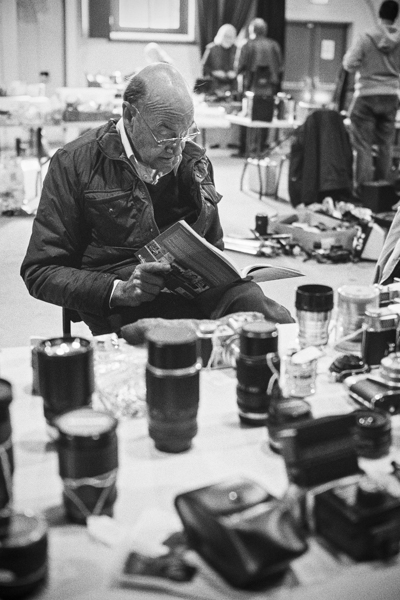
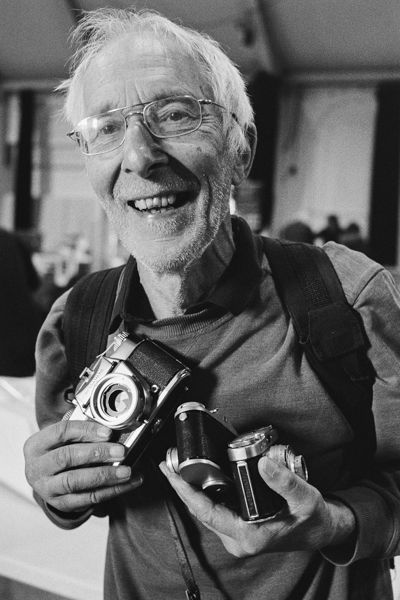
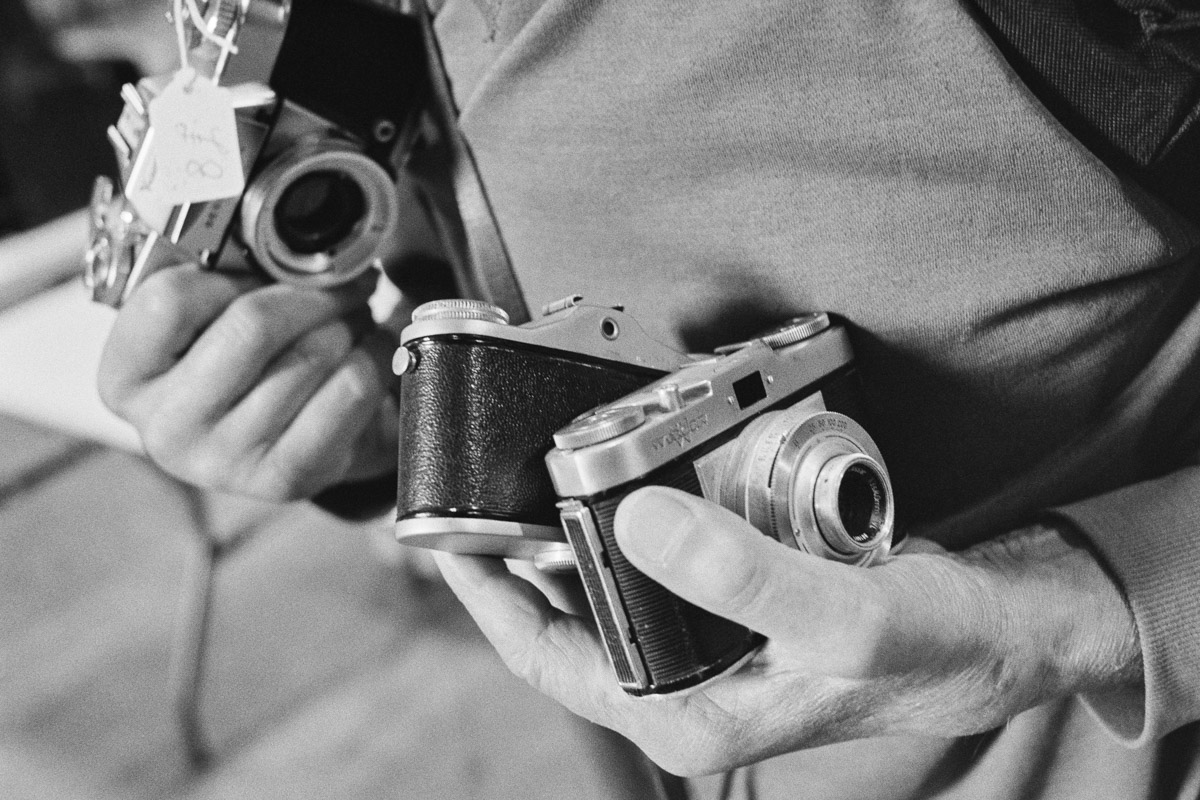
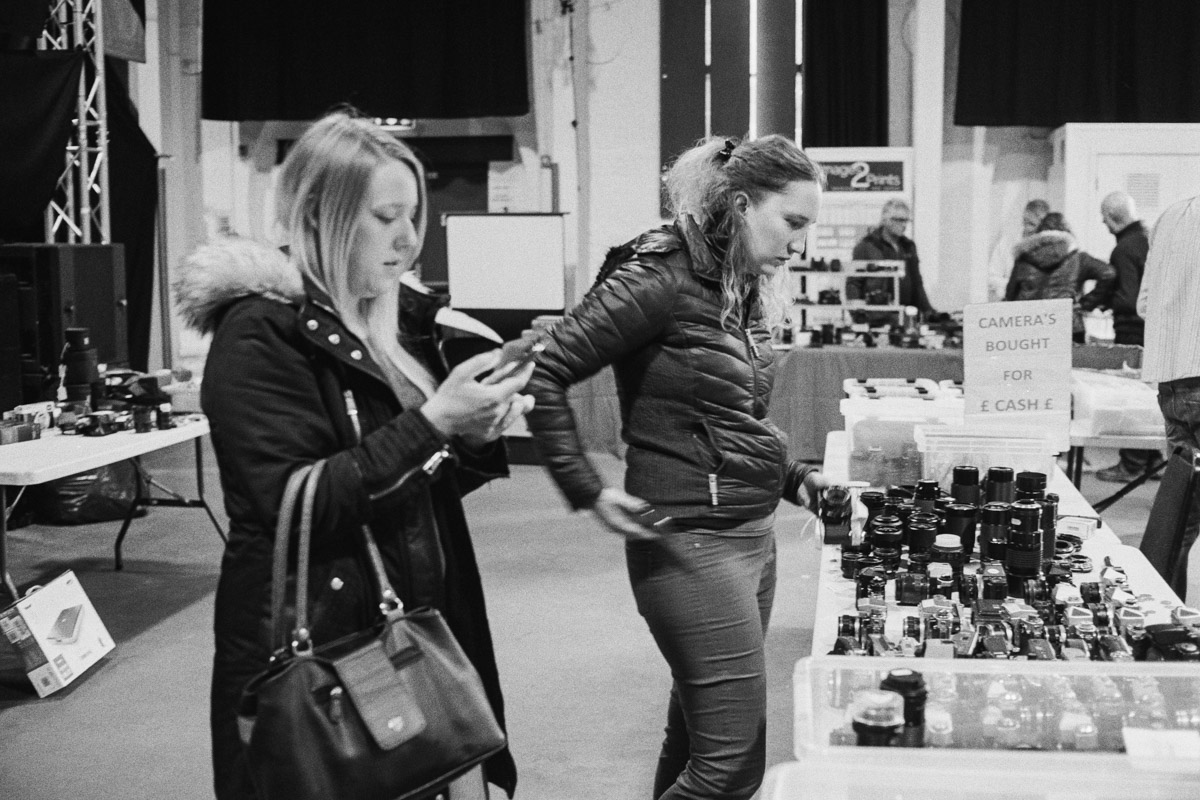
So rather than having gear acquisition as my primary plan, I decided to use it as an excuse not only to see my friend, but also to test out and shoot some Ilford Delta 400 film rated at 1600. I’d shot some during my recent trip to Bologna, rated at 400, but I wanted to find the parameters of what this film can do and the flat, poor lighting in the Cheese and Grain is the perfect scenario for this. I thought I might get some interesting photos too.

Well the exercise was a useful one, even if the resulting images aren’t exactly dynamite. At least I know now this is a brilliantly versatile film, but for some reason I couldn’t ‘get my eye in’ so the photos are what they are. I’m posting them here to shame myself into doing better next time.

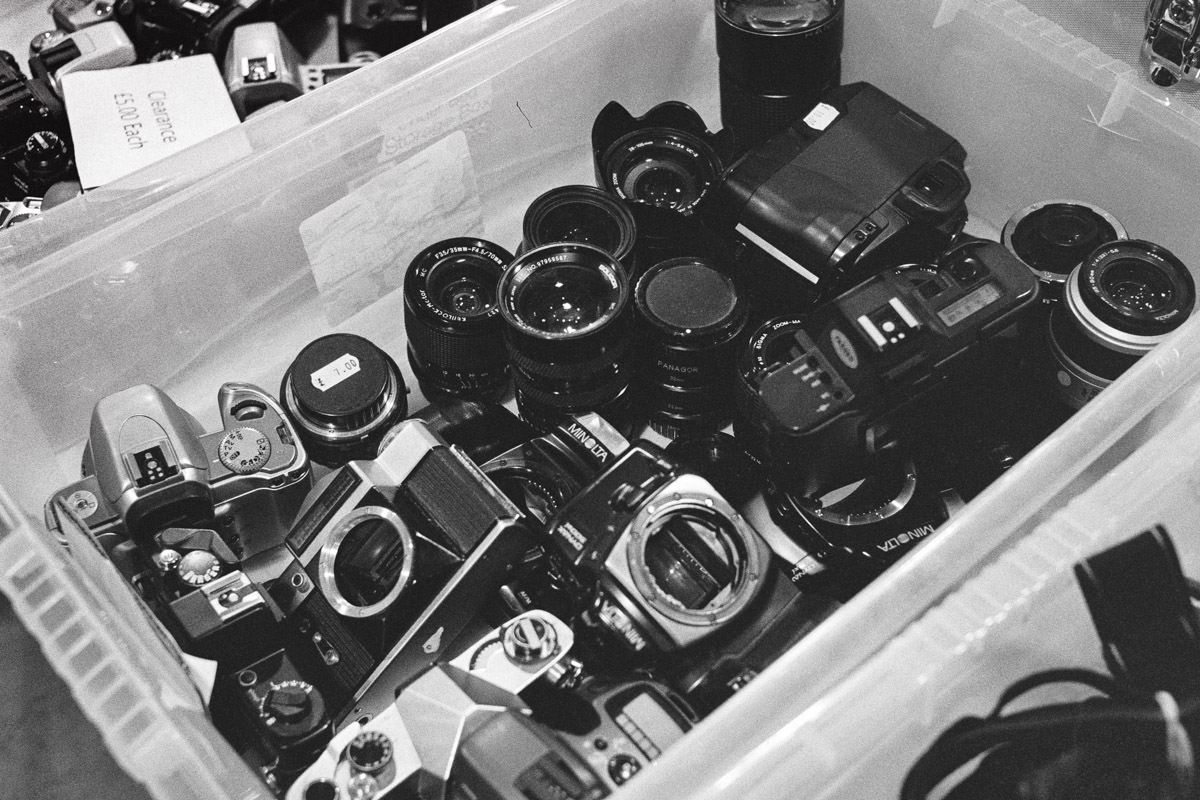
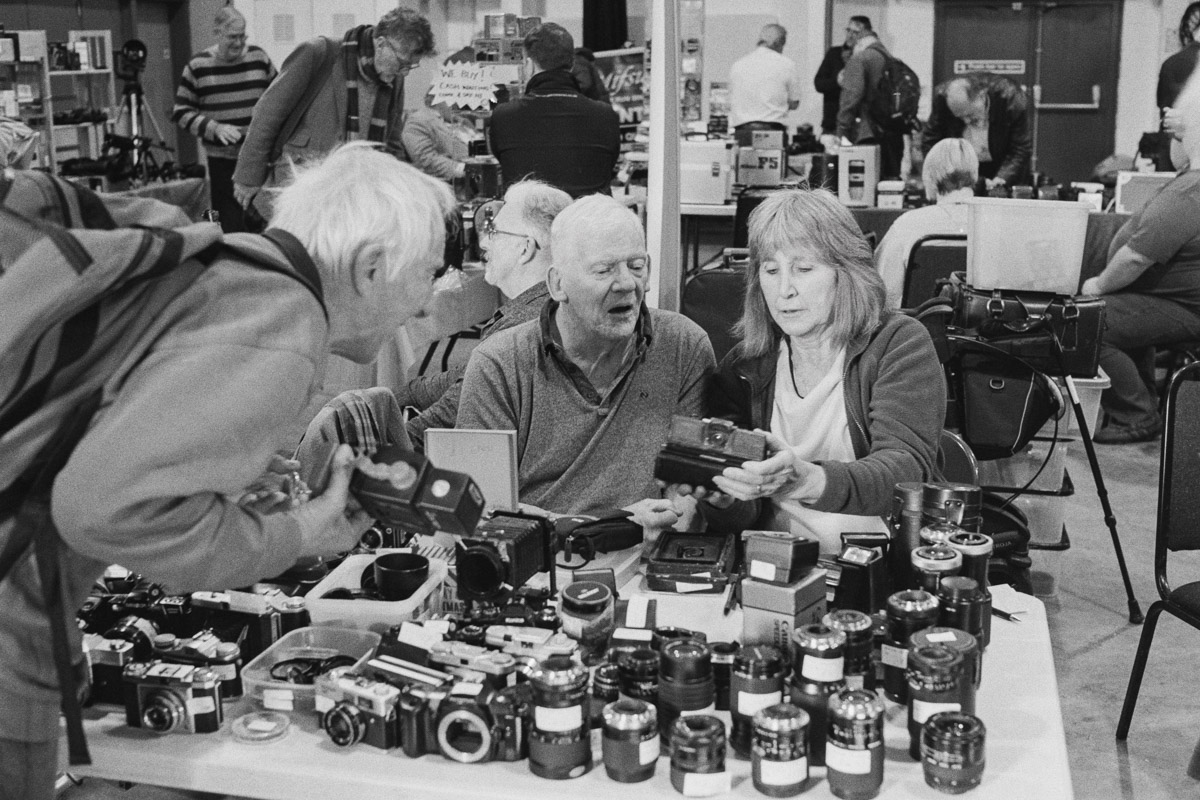
Of course you can go in with a wedge of cash and blow the lot on some very lovely gear – my friend did exactly that. In fact he picked up some genuine, if pricey, bargains alongside some very cheap non-pricey bargains, and the fair usually has something for any budget.

Even I picked up a fun little camera, thanks to my friend having loads of cash on him and me paying him back after. I know, I cheated.

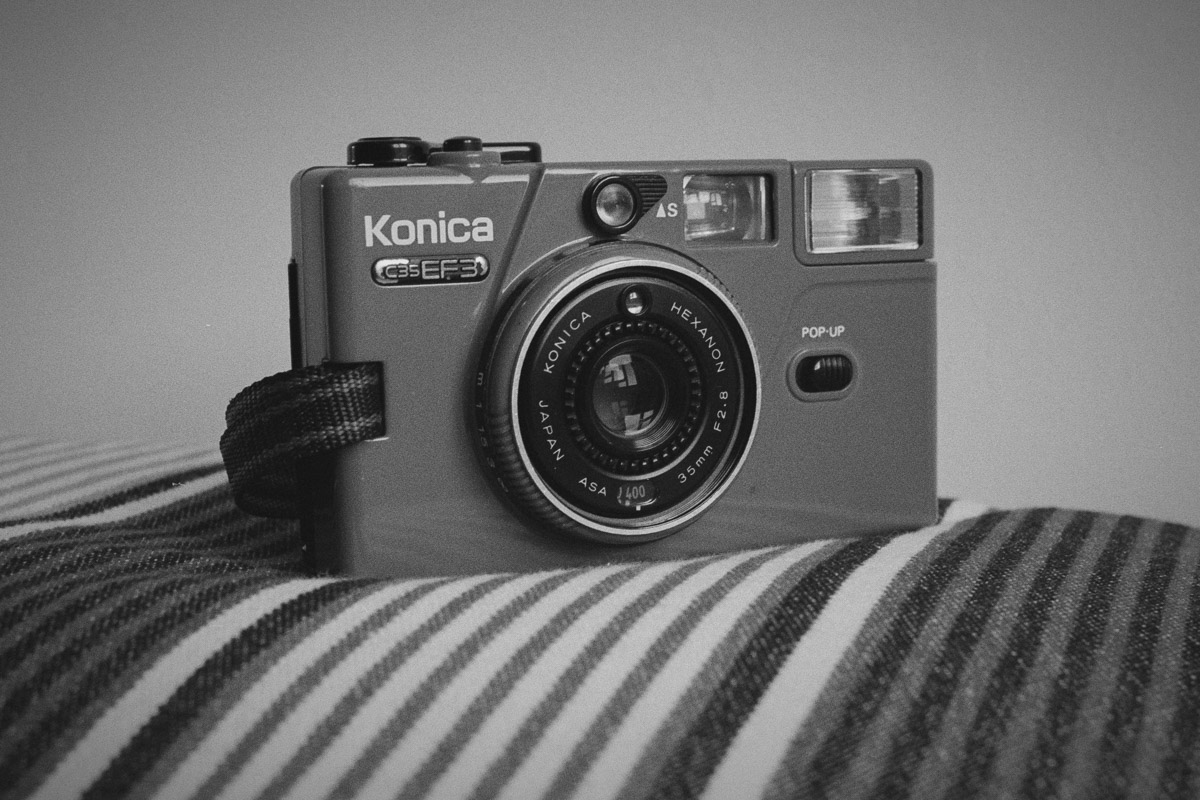
My bargain was a red Konica C35 EF3 for £15, flash not working. It turned out that when the seller said the flash didn’t work, what he meant was that you could switch the flash on IF you wanted the camera to get fantastically hot/ you wanted the smell of burning electronics up your nose.

No problem though, I can use the camera without flash and it’ll allow me to play more in my ‘down time’. Or on a really cold day I can turn the flash on and warm my hands by the resulting electrical fire.

Now what I’ve been building up to very gingerly in this article is my impression that the fair was a lot quieter this time around than I’ve seen it in previous years. Fewer dealers, fewer visitors. I’m sure there used to be more of both and a lot more gear to tempt the canny bargain-hunter. It just felt a little hollowed-out.

Perhaps I got there too late in the morning for the real rush, but I got the impression it had been a little on the quiet side from the start.

In the past there were people selling historical prints, but none this time around. By way of compensation there was a table laid out with beautiful prints and cards for sale by contemporary photographers Roy Hunt and Martin Wade, who both work in traditional film (thumbs up from me), but again I got the impression they’d not been overwhelmed with sales that morning.

It would have been good to have seen more in the way of photo books on offer, or film and film processing equipment as this is enjoying such a resurgence amongst younger photographers. I did spot some film, but it was tucked out of site under a dealer’s table.

The one issue the fair does suffer is the almost exclusively older white male patronage. Yes, I fall into that category, but neither gender nor age balance would have been improved by my absence.

Another challenge the fair must be facing is that where film cameras used to take up a lot of table space, they’re becoming harder to source at a reasonable price. Some have reached collectible status and prices have gone through the roof. It’s also inevitable that as years pass, more of the old mechanical and electronic film cameras will simply die of old age.

The risk with the fair is that unless it attracts a younger and more diverse crowd, its dealers and visitors will also die of old age.

Perhaps a help stall where someone starting out could get free impartial advice about which kit to go for, and even guidance as to which dealer has what they need. More books, contemporary prints, an exhibition or perhaps a competition or other promotional events would help get people through the door.

For the fair to continue and thrive, Frome Wessex Camera Club will to have find ways of improving their reach. There needs to be better marketing to younger people, and better marketing over all since I was blissfully ignorant of the event until my friend called me. In fact as I exited the event via the cafe I bumped into a couple of friends who’d cycled in for breakfast. Even sitting in the room right next to the fair, they were oblivious to what was on in the main hall.

I’ve had a bit of a flurry of requests for work experience from Frome College students doing photography courses, so I assume the interest is there, but I didn’t see anyone of college age and I was there for a good couple of hours.

Photography is all about imagination, and this event definitely needs an injection of that to stop it becoming, like a broken old Zenith E camera, beyond worth saving.

Note: The next fair is 19th April 2020.

Going Underground

Last week I was commissioned to take pictures in one of the most challenging locations I think I have ever had to work; Wookey Hole caves. Bear in mind, I’ve worked within the Arctic Circle, at the top of a 100ft hospital incineration chimney and from the deck of a helicopter over The Solent, but in terms of technical challenge I think this takes the prize.

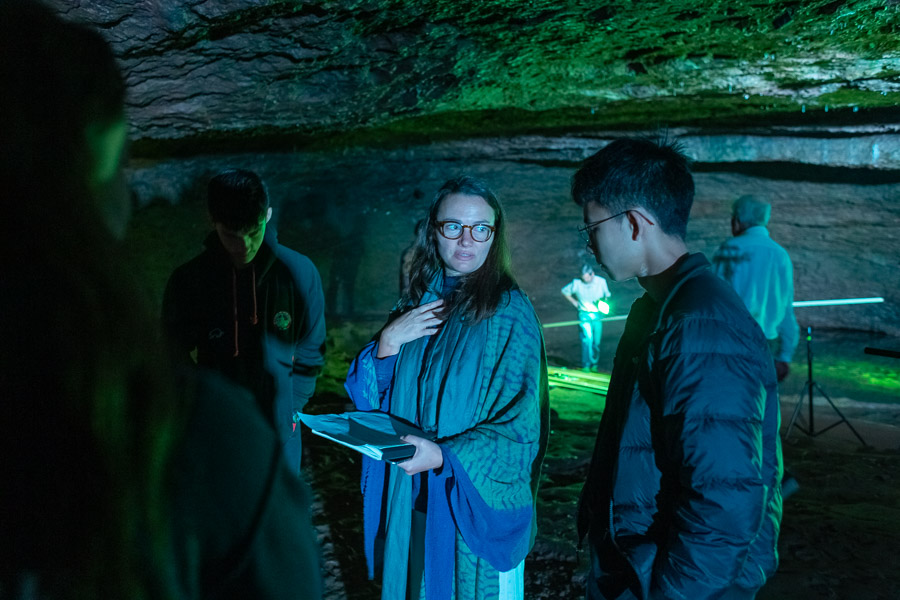
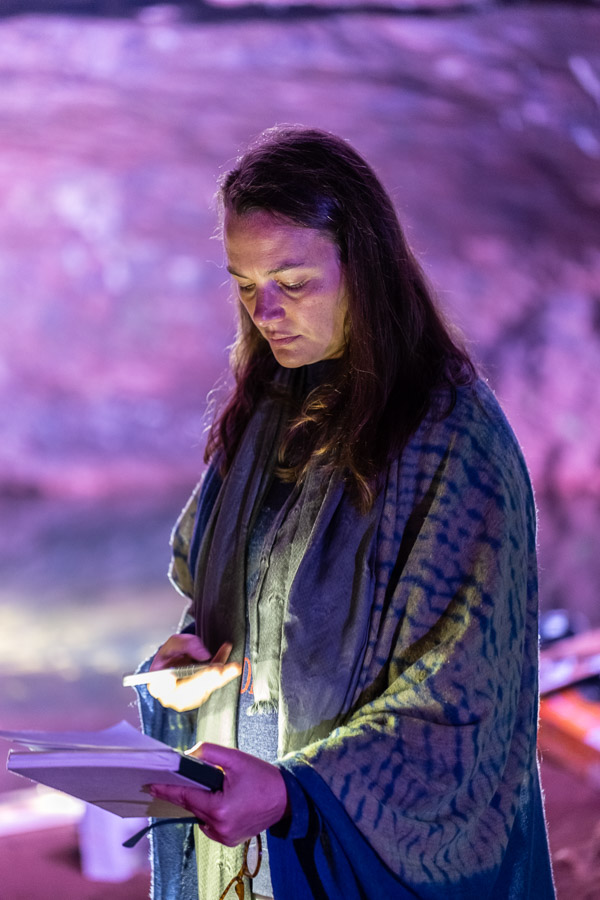
The client was Somerset Art Works (SAW), organisers of Somerset Art Weeks Festival, a fortnight of open studios and events across Somerset. My job was to get photos of the launch event, but due to restrictions imposed by Wookey Hole I couldn’t use flash (it would disturb the bats) and by the artist (I couldn’t release my shutter during the live audio recording of the art work), I had to get everything I could during set-up and rehearsal.

There were some lights which the team had set up, but there was really only one that was usable for me, so I made the most of it and concentrated on getting shots of the choir as they rehearsed. I also had to get shots of guests and speeches, and there was a lot of help from mobile phone torches to make that even remotely possible.

For this gallery I’ve chosen a few of the choir photos because they’re the strongest standalone images from the set.

For full details, see the SAW Facebook page, from which I’m quoting their post:

Somerset Art Weeks Festival launched last Friday (20 September) evening at Wookey Hole Caves with new work by Ben Rivers, with the opening speech by Arts Council England Chief Executive, Darren Henley. Thanks to Somerset Film at The Engine RoomArts Council England Wookey Hole Caves team for making this possible, and to everyone at the event for supporting us.

Somerset Art Weeks until 6 October. Celebrating 25th year. https://somersetartworks.org.uk/artweeks

Slave to the Algorithm

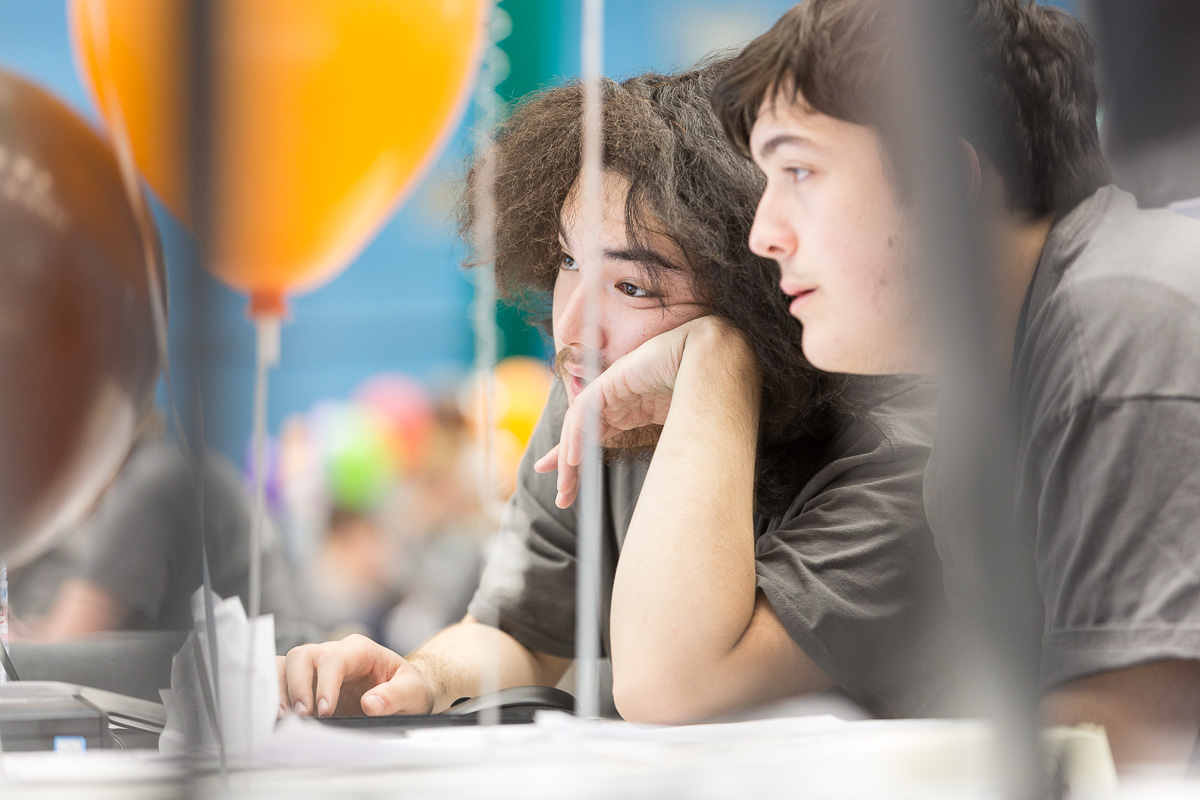
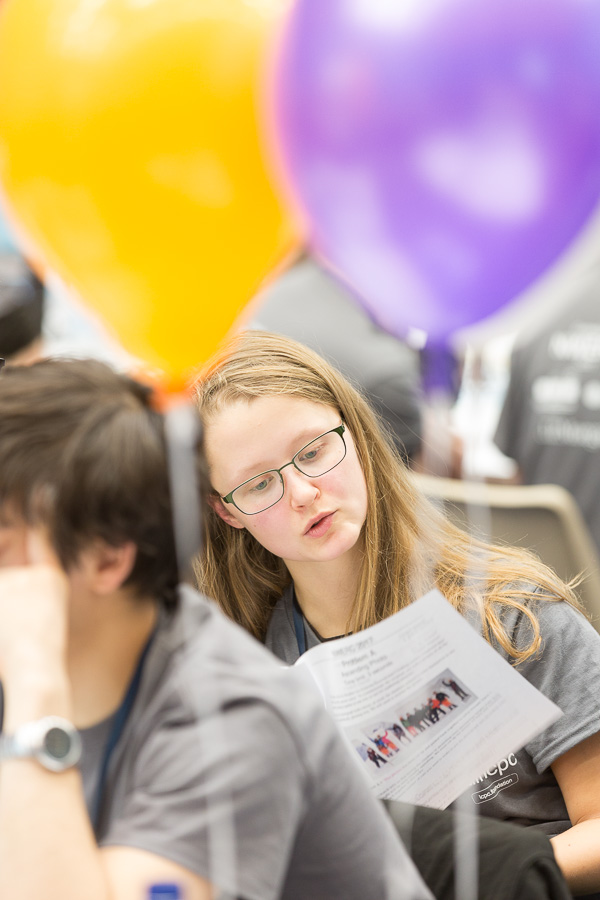
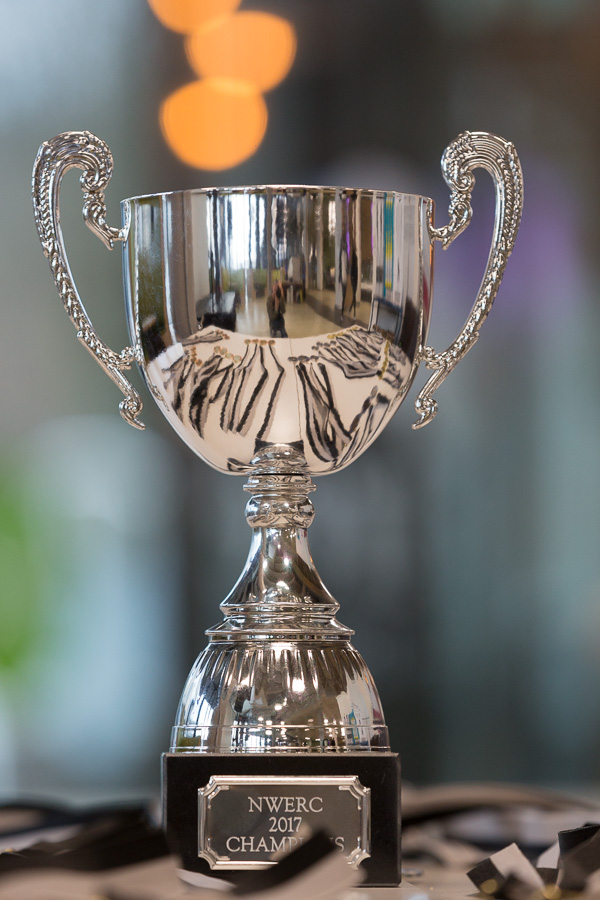
Photographing events doesn’t get more funner (new word) than when I’m left to get on and be a fly on the wall, and the NWERC is a fine example of an event packed with opportunities for any keen-eyed, camera-toting fly.

Now, rather than me trying to specify the essence of the event, and getting it horribly mangled, how about I let the event speak for itself. From the NWERC website,

“The Northwestern Europe Regional Contest (NWERC) is a contest in which teams from universities all over the Northwestern part of Europe are served a series of algorithmic problems. The goal of each team is to solve as many problems as possible within the 5 hour time limit.”

Got it? Good, but what’s my role in the event? Well obviously to generate photos which can be used by the event organisers, host and participating universities in order to generate publicity for future years’ events.

My main task is to capture the runners-up and winning team as they take to the stage once all the scores are in, which is all good fun in and of itself, but the bit I really enjoy is when I’m roaming the hall during the last hour or so of the coding time.

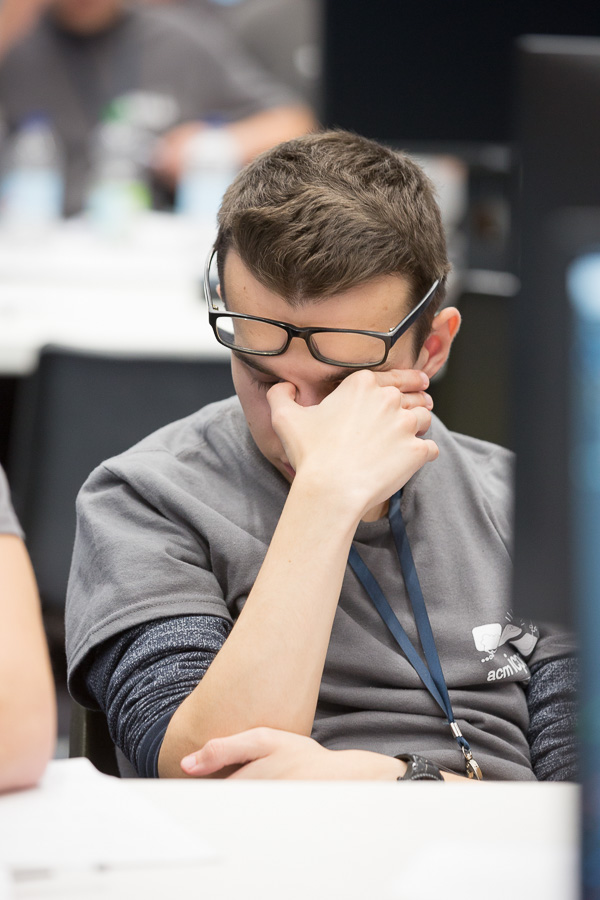
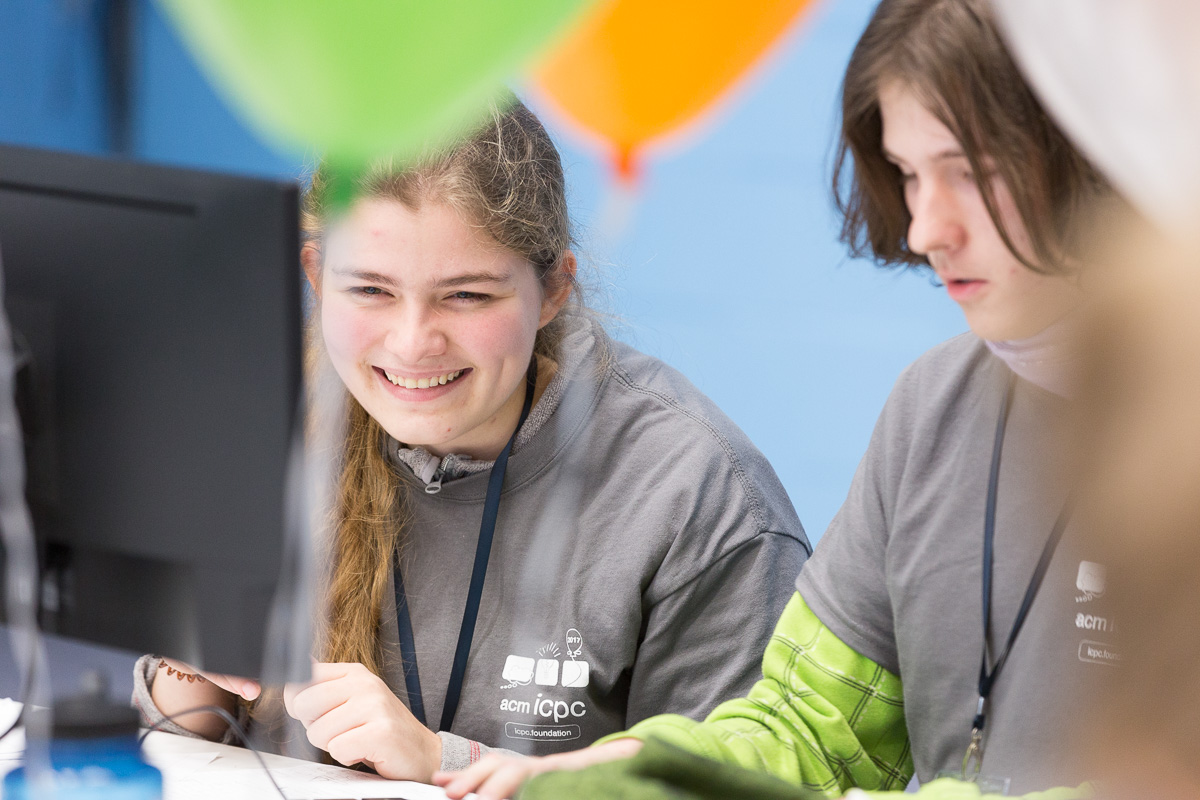
That’s when the teams are either at their most ecstatic or at their wits end. Last November’s event was the second year running I got the commission, so I knew what to expect and where to go for the best images.

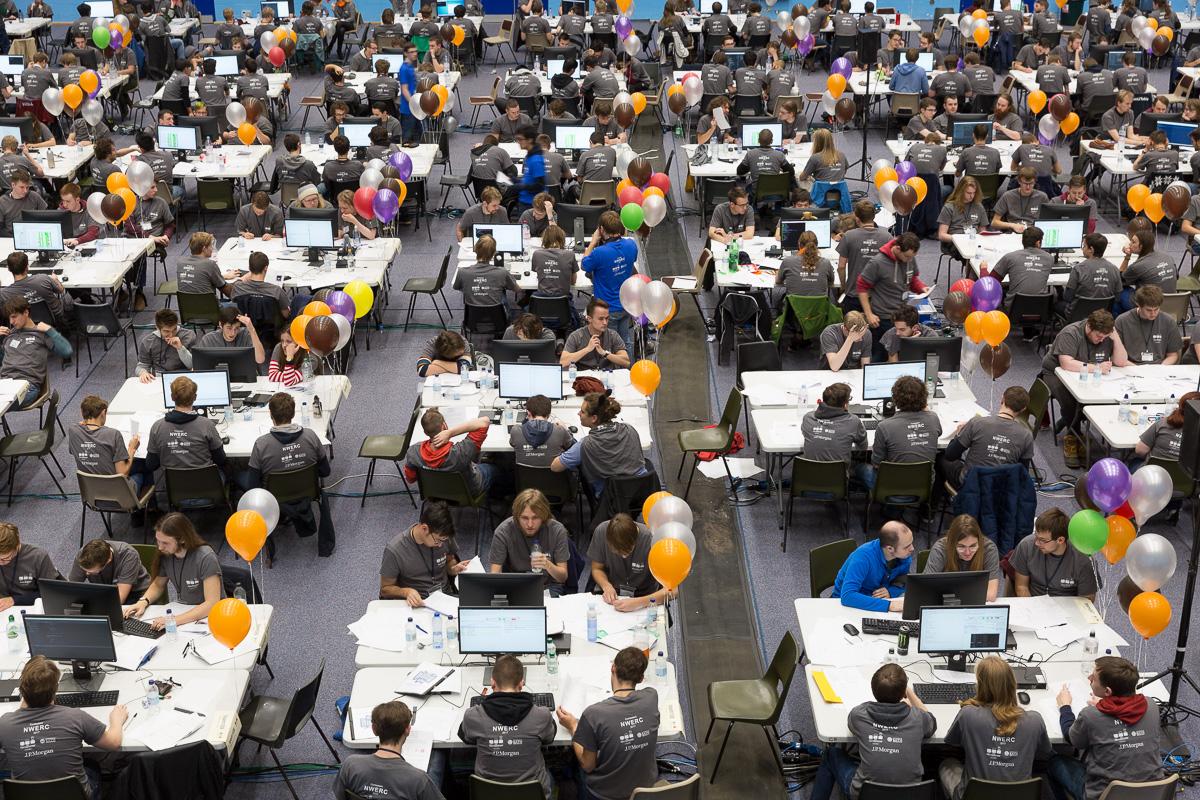
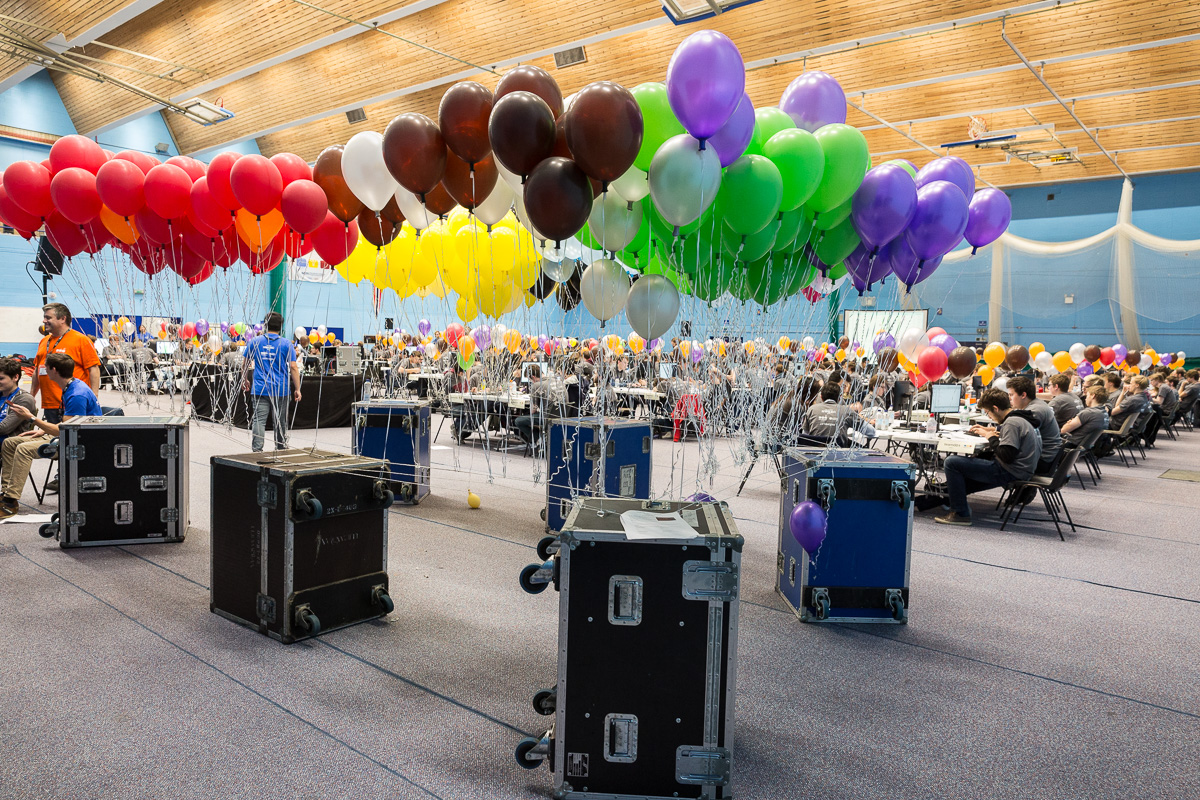
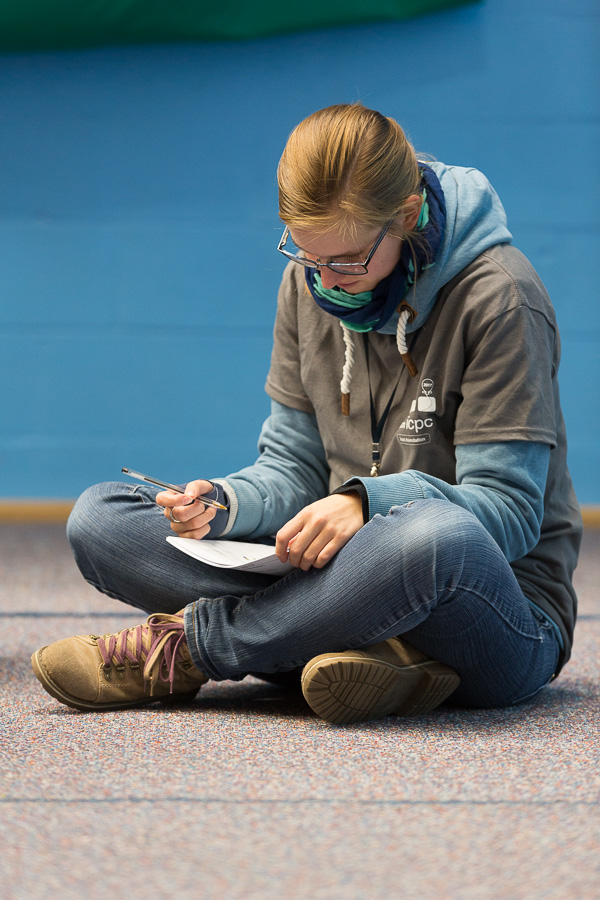
Starting with a fairly spectacular scene showing the sports hall packed with aching brains, I then made my way to ground level to get in amongst the coders and record the triumphs and tragedies as they waged war with algorithmic problems.

And if you’re wondering what’s with all the balloons, a team would receive one each time the automated scoring system detected they’d cracked a problem. You can imagine the pressure of seeing other teams amassing more balloonage (another new word) than yours. I thought some of the teams were ready to float off!

Sadly for me the event isn’t happening in Bath this year, but it may return another year. If it does, I’ll be ready and waiting to get my wings buzzing and my segmented eyes trained back on the subject. As long as I don’t go completely Geoff Golblum, I’ll enjoy being a fly on the wall once again.

Two Decades and a World Away

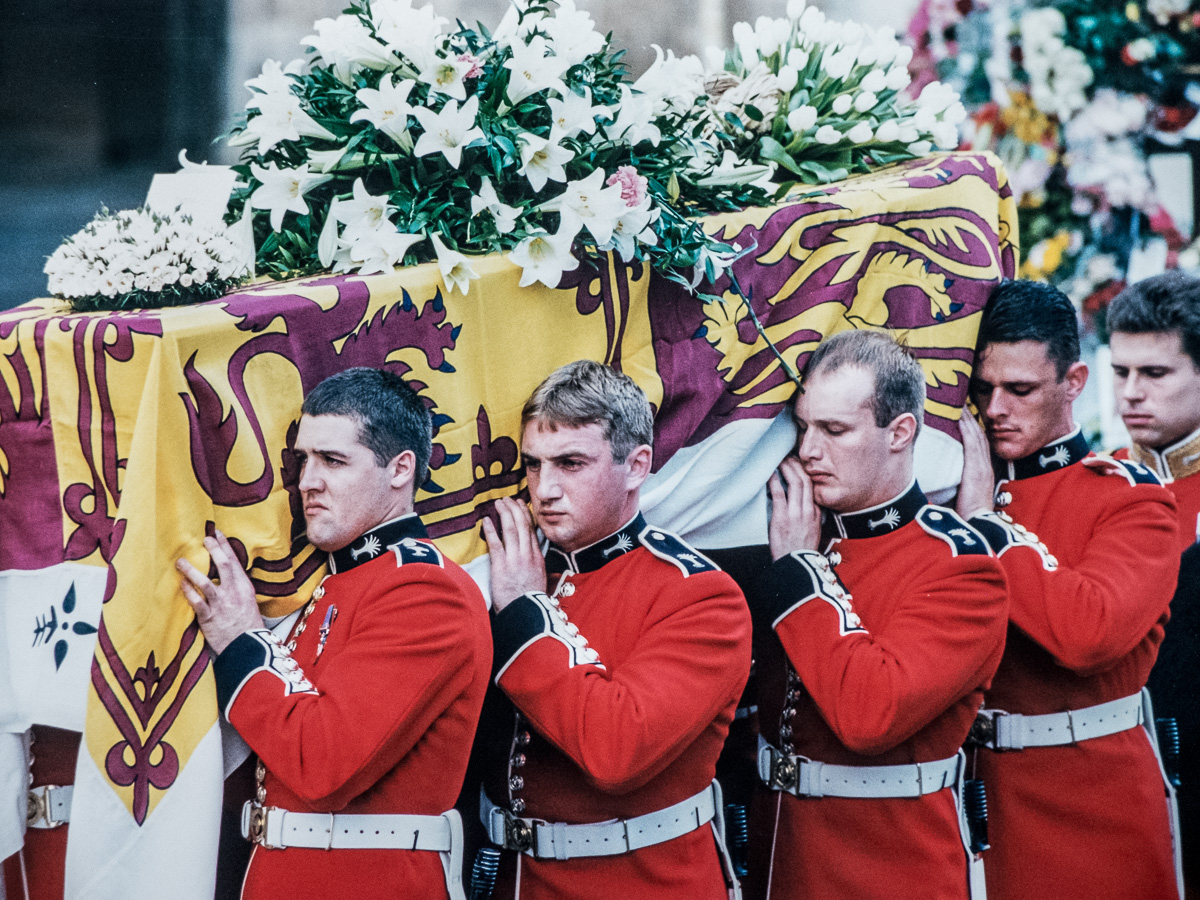
Yes, I was there too. Another press photographer who covered Diana’s funeral and because my words will be lost in the blizzard of articles and analysis on this the 20th anniversary of her death, I’ll point you towards this excellent article by Fleet Street photographer Brian Harris before offering a few brief thoughts of my own.

For myself, I was a lowly local news photographer at the time and was astonished to be assigned an official pass to cover the funeral from a position directly opposite the main door of Westminster Abbey.

Like Brian, I remember being hissed at by the crowd as I made my way to the position. I remember the weird atmosphere as people cheered the stars of music, TV and film as they arrived for the service. I also remember seeing the shot of the card on the coffin which just read “Mummy” and yes it was a cracking shot, but Brian’s was more graceful.

As for my effort, well it wasn’t the strongest image of the day, but I found myself focusing on the expressions of the pallbearers, members of the Welsh Guards who were clearly struggling to hold their emotions together. The shot summed up the occasion and emotions of the day in a fairly tight frame.

So considering it’s not a shot I had never wanted to have to take, I’ll live with it and leave it here as part of a much larger record of a sad day which changed all who were involved at least a little and for ever.


It’s SOE Challenging!

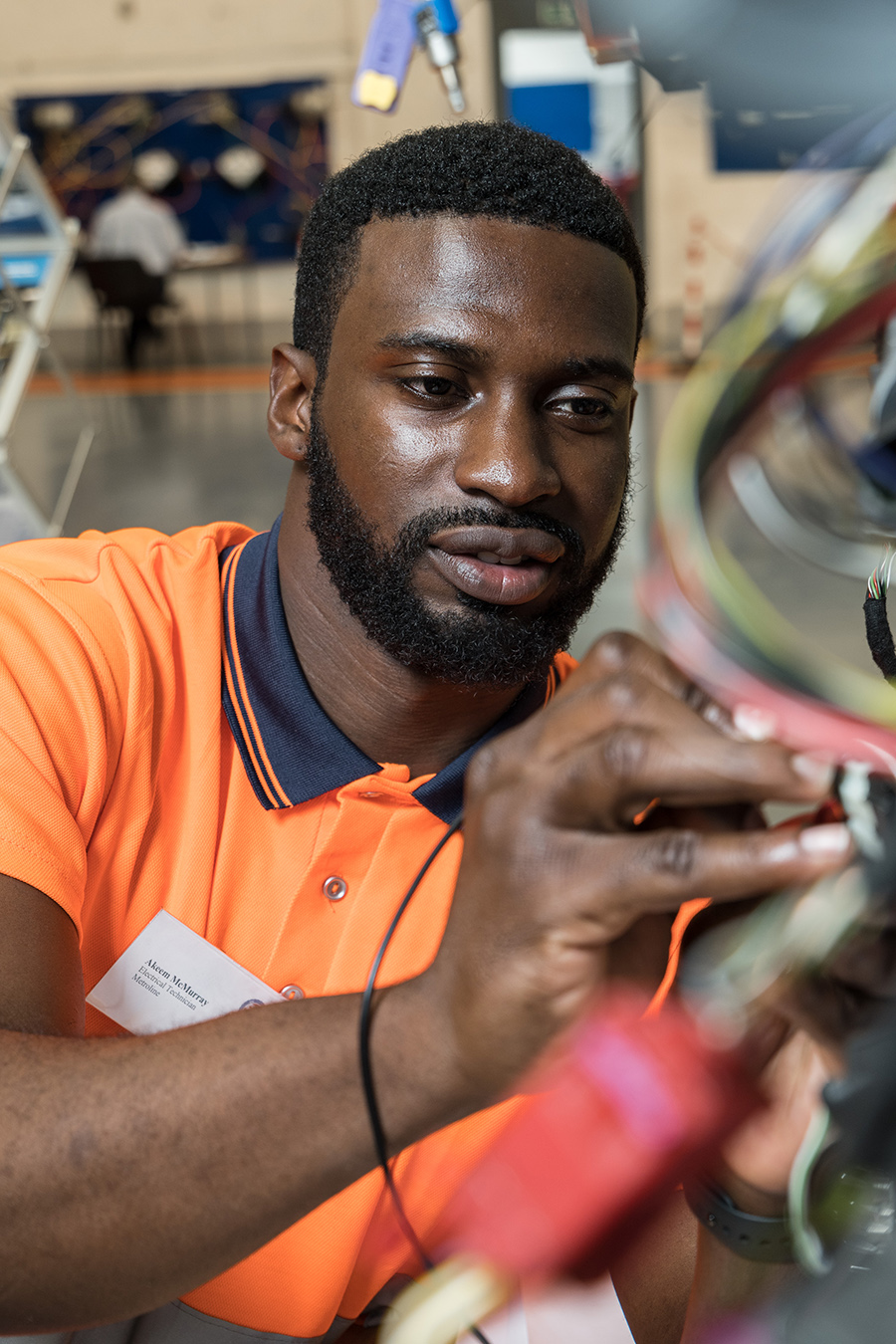
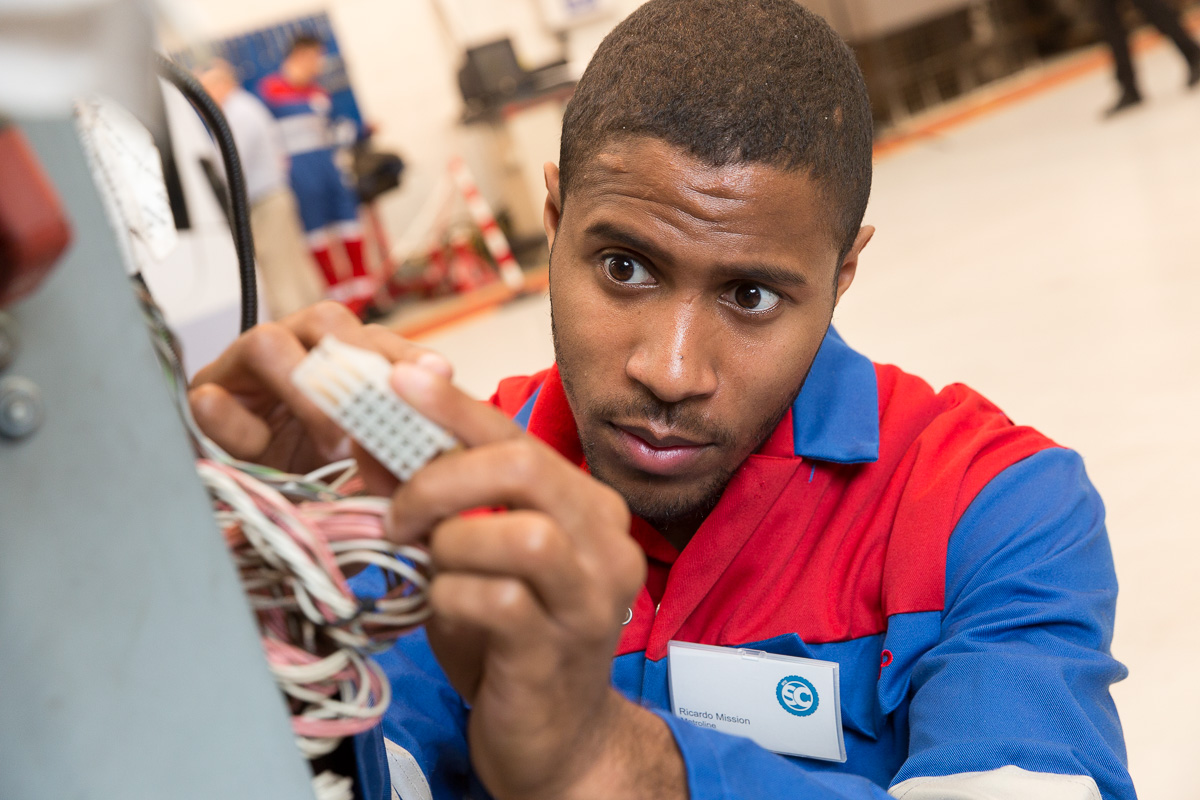
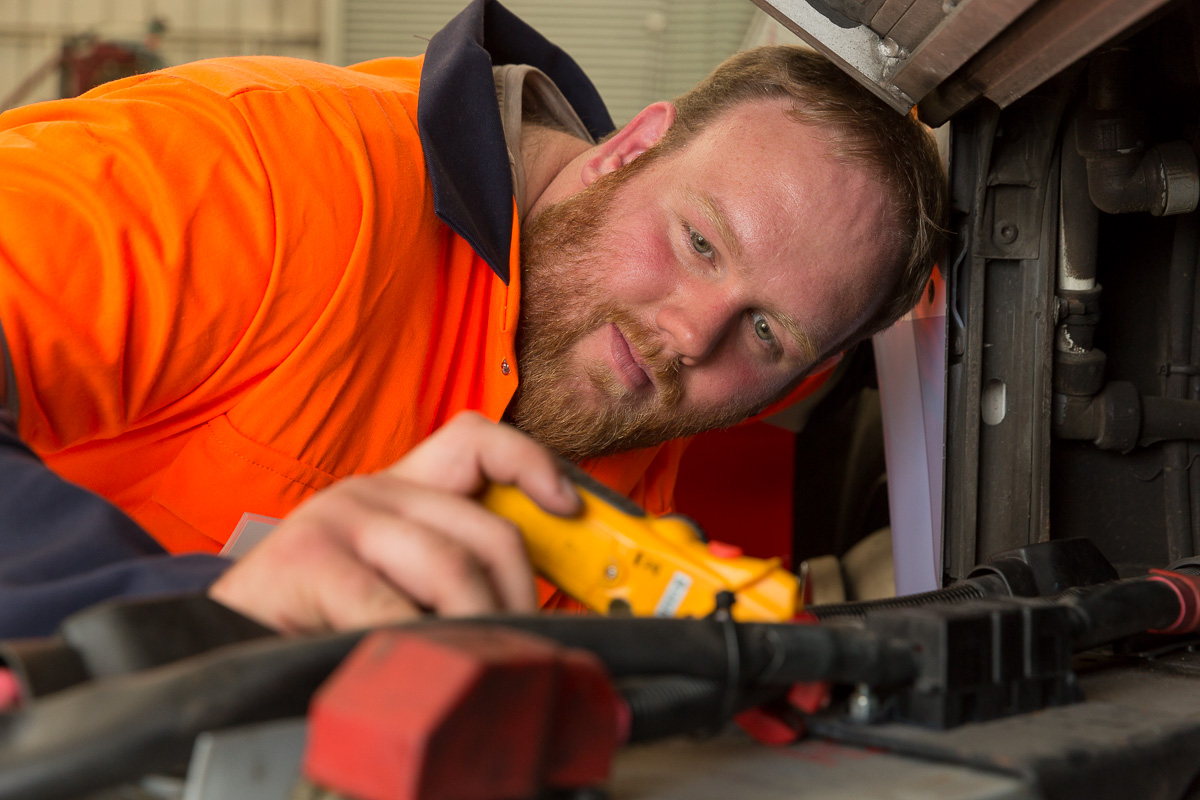
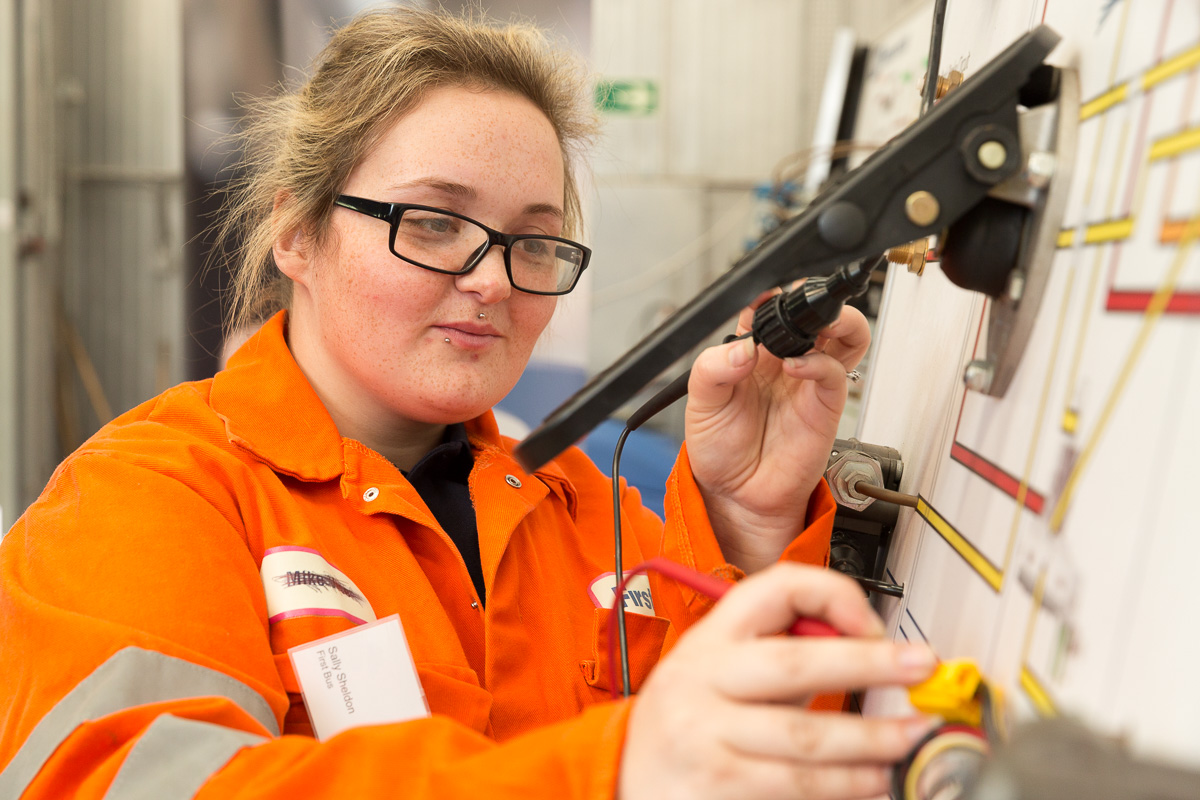
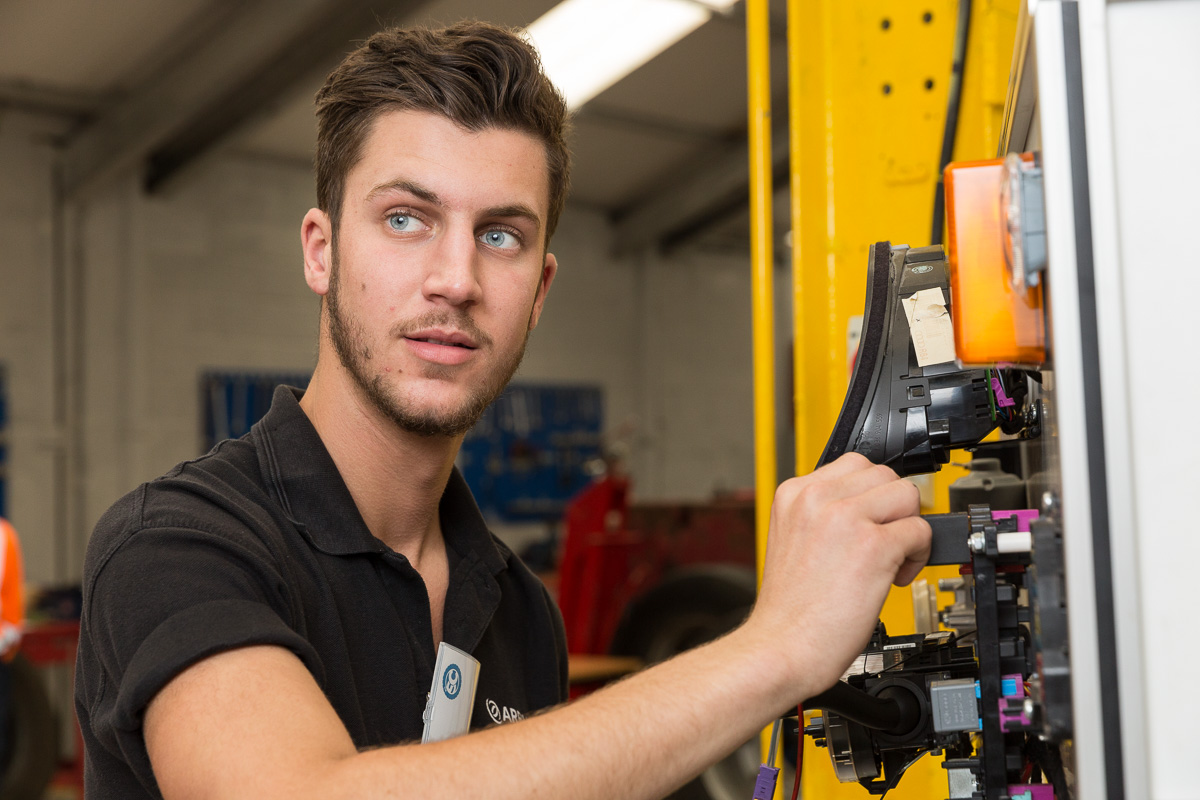
Last month I was asked, for the second year running, to take pictures of the Institute of Road Transport Engineers (IRTE) Skills Challenge which takes place in Bristol.

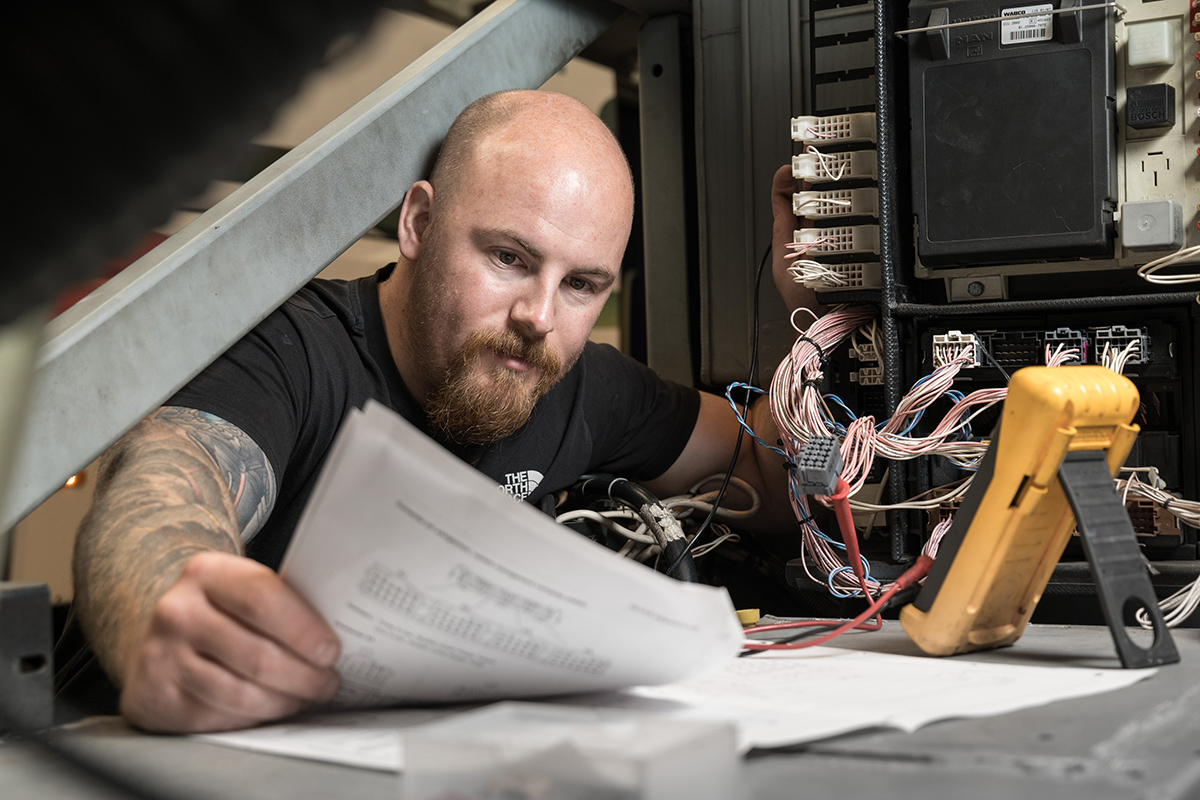
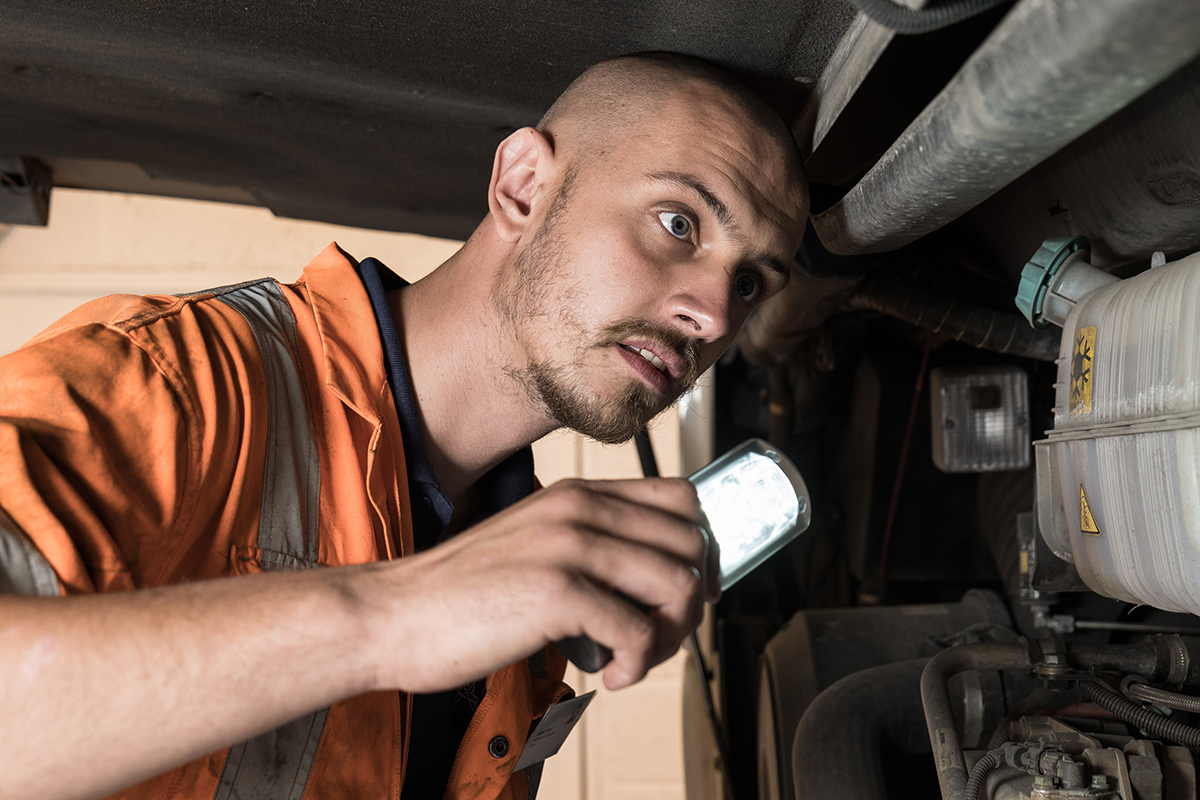
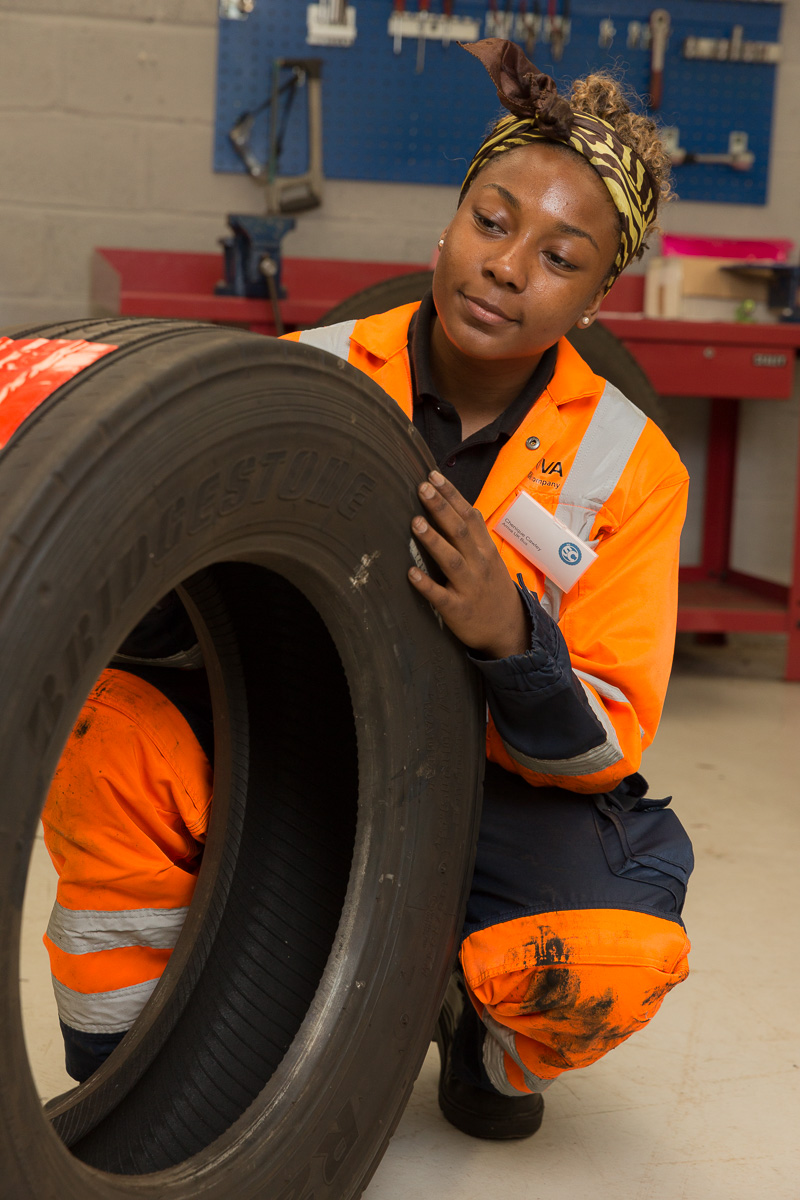
This is a three-day event during which teams of individuals are put forward by various bus and coach operators to test their skills in, amongst other things, vehicle electronics, braking systems, fabricating, testing and diagnostics.

The photos are used by the Society of Operation Engineers (SOE) to help promote the event through their website, printed material and for the first time this year I was also sending “rush” pictures to the PR team for live use in social media.

It’s fair to say the three days are quite a challenge photographically too. I have to ensure I get good pictures of each entrant because the photos will be used at the subsequent awards event to accompany the prize presentations to winners.

As the challenges are live and timed I have to ensure I get my shots with as little disruption to the participants as possible. At the same time, because of the nature of the challenges, it would be all too easy to just run around getting nothing more than pictures of the tops of peoples’ heads as they concentrate on what they’re doing when what I really want to see are their faces and expressions.

The lighting can also be quite tricky. Sometimes it’s relatively easy as the event takes place in a large engineering hangar with some daylight coming in through skylights in the roof, but this isn’t always ideal, especially when there’s not much sunshine outside or where a contestant is working in a tight corner with little light on their face. I like my lighting to be clean, with as little colour cast as possible.

So I work fast with a small set-up; usually with a wide zoom lens for flexibility and a single flash on a stand, firing into an umbrella for portability and to reduce the influence of the indoor lighting. The umbrella also keeps the light looking natural and soft.

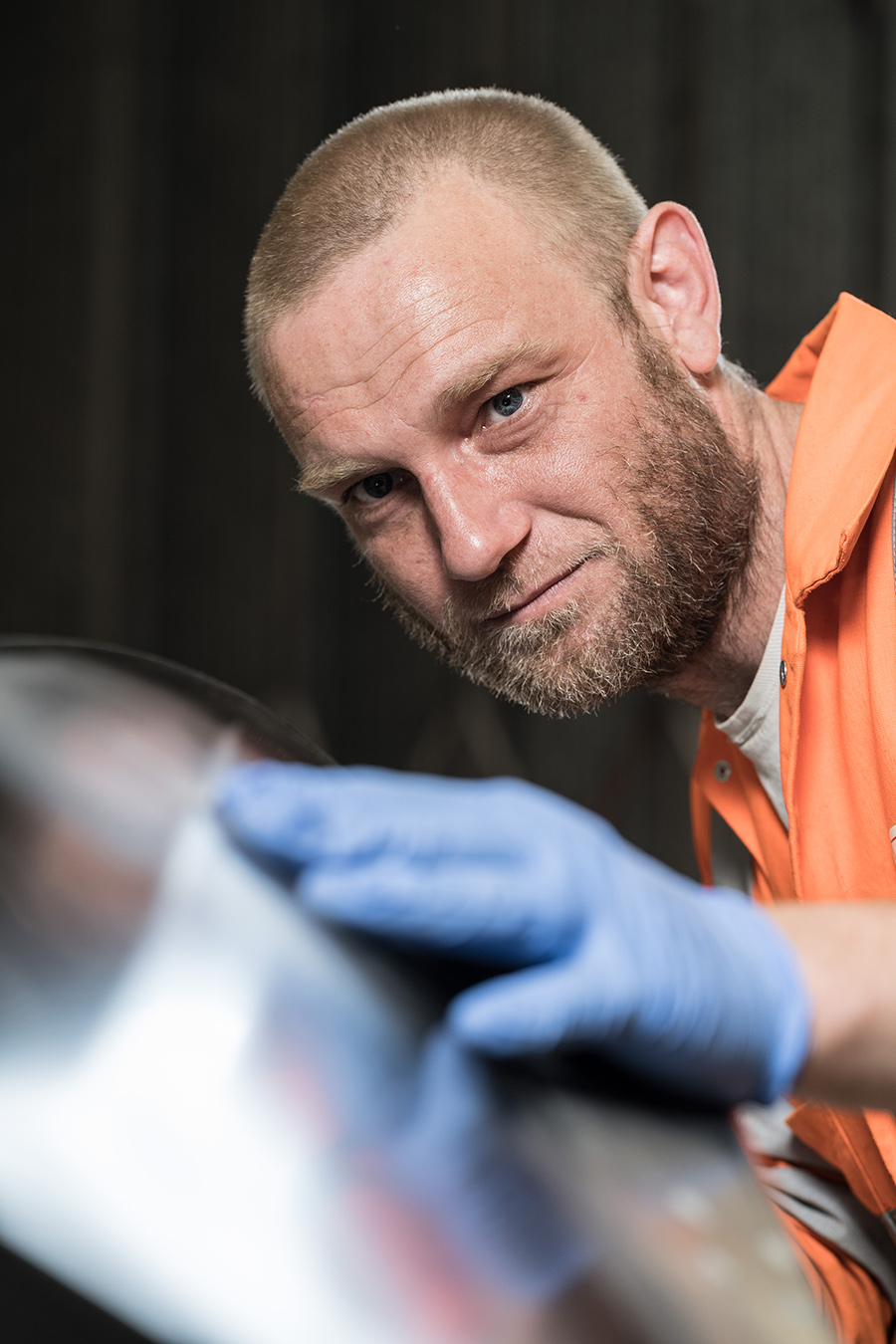
The greatest challenge is always in the machine shop where contestants will be working with metal cutters, grinders and welding equipment. It’s hot, noisy and there are all kinds of health and safety issues to consider.

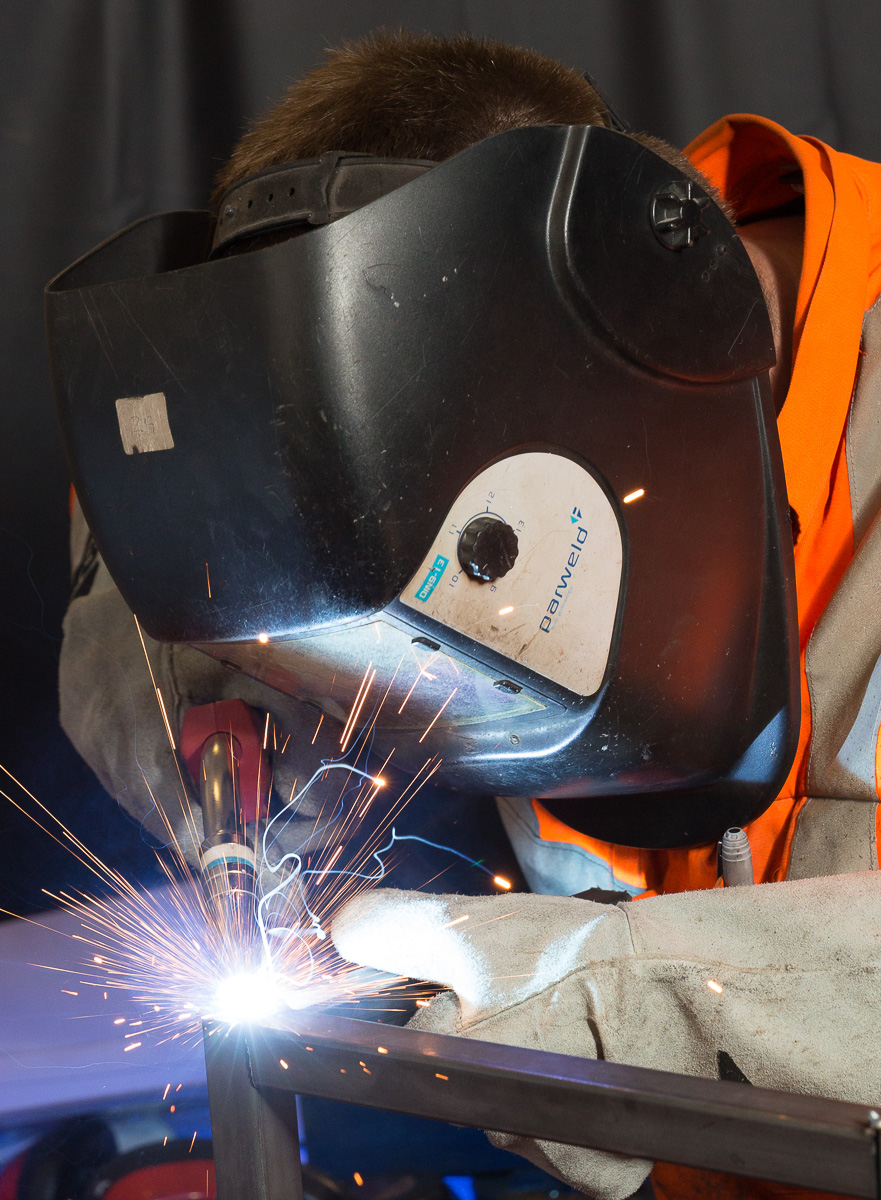
Photographing welding is an especially tricky art because I have to wear a welding mask to protect my eyes which means I can’t see so well to compose and focus my shots, but the results are often the most interesting, with sparks flying and the intense glow from the welding torch.

Of course a shot of someone welding doesn’t show their face, so I’ll always ensure I get a shot of them doing something else as well, such as inspecting a weld or measuring for a cut.

What’s really great though is that tomorrow I’ll see the entrants again as they go to a prize-giving at the Jaguar Experience in Birmingham. I’ll be taking pictures of the prize presentations and of the overall event for industry public relations and again to promote the event for next year.

As I’ve never been to the Jaguar Experience and don’t know what the venue will be like for photographs, it’ll be a whole new challenge!