New Standards in Photojournalism

Which would you like first; the good news, or the bad?

I’ll give you the good news first. This article is shorter than usual. The bad is, it’s a bit of a rant.

I’d love to be sitting here writing about the amazingly high standards in photojournalism as a result of newspapers fighting to retain readership in the face of competition from the web.

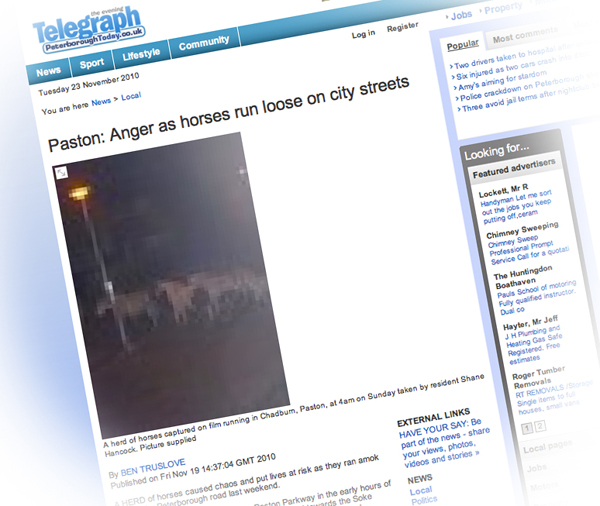
Instead, I’m looking, open-mouthed, at the depressingly low standards to which local newspapers at least (nationals may follow suit) have sunk. In short, I’m looking at a photo which is of such a poor standard that it looks like it isn’t so much a photo, as a children’s mosaic made from the leftover bits of LEGO left over after all the fun stuff has been built.


screen grab from peterborough evening telegraph

Honestly, that's as good as the photo gets.

The picture is meant to show horses running wild on the streets of Peterborough (see original article here). It’s a reader’s snap, but as you can see from the quality of the photo, it could be panto horses on a dimly lit stage. It could be a tapestry. What it is, is a travesty.

Have picture editors become so enamored of new technology that they can’t see when a photo is utterly unusable? Or have newspapers done such a thorough job of destroying the old training and career structures that there is no one left to say “that’s crap, let’s get our own shot from the late-shift staffer/next available freelance”? Or have budgets been cut to the point that any smudge, no matter how poor, will do provided it’s free of any cost to the editorial department? Do newspaper editorial departments now have such contempt for their readers (and advertisers) that frankly, any old s**t will do so long as a thicker wedge can be driven between the ad revenue and editorial costs?


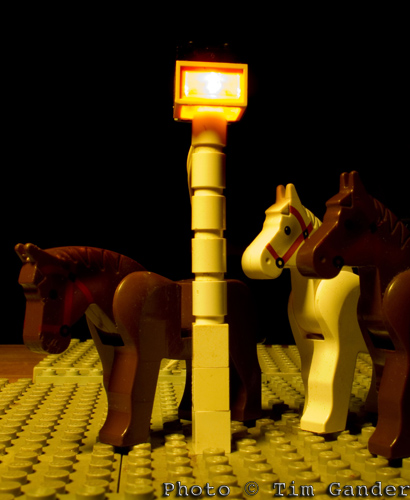
lego scene of horses

Perhaps LEGO representations of news events are the way ahead.

Normally I hate ranty blog articles, and while I do my share of moaning I tend to avoid the full-blown slagging off that is the stock-in-trade of other bloggers, but I have to say this isn’t the first time I’ve seen this level of citizen journalism foisted on local newspaper readers. There must be many more examples I never see, but The Portsmouth News also ran a pointlessly low-quality photo when a local landmark caught fire. Their only saving grace was that there was something to photograph the next morning.

I hope the Pereborough example is the worst we’ll ever see, but I won’t hold my breath.

If you’ve seen something as bad (or worse!) in your local paper, feel free to comment and leave a link. We could start a competition. Not so much “The worst photo in a paper” award, as “can you make out what this is meant to be?” kind of competition.

UPDATE: There is now a camera which is perfectly designed for exactly this kind of scenario: http://bit.ly/h8yDBu Remember though, it’s not a toy!

The web and photography – a stormy marriage

Photography on the internet is so pervasive that we take it for granted. But it’s worth remembering, it wasn’t always thus, and need not necessarily ever have been so at all had it not been for parallel developments. A potted history:

In the very early days of the web, most of what you saw was text-based. Then came porn. Then came interactive Web 2.0 when you could upload your own content, and BAM! Photos absolutely everywhere. More porn than you could shake a pink stick at. More photos of kittens, sunsets and dandelions than you can find grains of sand on the beach. In fact, for every star in the Milky Way, scientists believe there are at least 16 photos of orange-faced, bleach-toothed, American executives sitting in the Getty/iStockphoto archives right now, and this figure is set to double by 2020. OK, I made that up, but believe me there are a lot of photos on the web now. A lot of them of men in suits standing randomly in a field.

But for there to be photos on the web, there had to be some way of capturing photographic images digitally, and here’s quite a coincidence.

Around 20-odd years ago, someone built a machine which allowed press photographers to turn their processed film negatives into a digitised version which could then be transmitted over phone lines from anywhere with electricity and a phone connection. The (extremely expensive) machines were built into a sort of suitcase, weighed a ton and the whole process from scanning to delivering a single digital file took about an hour, not including the processing of the film. You needed a jamboy to keep insects out of the workings.

Then came portable film scanners and Apple Macs, which replaced the old suitcases. Then came Kodak with the first digital film backs for press cameras and the ball really got rolling. By now (circa mid-1990s) you started to see photographers shooting photos on fully-integrated digital cameras and transmitting photos from their laptops, via mobile phones back to the picture desk.

For consumers, compact cameras started to hit the market, with giddying resolutions of 800,000 pixels, and costing upwards of £450, but the die was cast. Canon developed their own digital SLRs, hotly pursued by Nikon, pixel wars followed and here we are today. Film is almost extinct, but digital cameras have coincided perfectly with the advances of web technology.

The two were made for each other. People love taking pictures, and they love boring their friends and complete strangers with them, so the internet is the perfect way to self-publish. Everyone wants to be a photographer now, many people think they are and supply their photos of  autumn leaves and rainbows to the likes of Getty for a fat 8p fee for each photo sold, or they share them for free on sites like flickr, where unscrupulous web designers and bloggers can trawl for photos in the hope they won’t get caught when they nick them for websites.

And this is where the marriage between the internet and photography is getting shaky. You see professional photographers and the likes of Getty have always known the value of copyright, whereas most people have ventured, utterly un-prepared, into the arena of taking and publishing photos with precious little inkling of the meaning of copyright.

Any idiot can give a photo away for free, but getting paid a respectable fee for supplying a photo, well that’s a black art. An art which Getty et al wished professional photographers didn’t know so much about, and are thankful most amateurs don’t understand. Because if Getty, Google, Corbis, Facebook, flickr (whoever, you get the gist) could make money out of all the “free” photos on the web, they’d be laughing all the way to the Canary Islands for a very comfy retirement.

Unfortunately for internet entrepreneurs, not only do professional photographers understand the value of copyright, but the general public are starting to twig too and are asking questions like “why did I wear my camera out taking 40,000 photos of butterflies, and all you pay me is some copper pennies and a half-eaten Werther’s Original?”

This marriage is starting to strain, and there could be some shouting, door slamming and plate smashing to come as the UK and US governments come under pressure to re-jig copyright laws so that web entrepreneurs (sometimes flatteringly referred to as freetards) can start exploiting everyone’s photos without all the bother of having to ask permission, let alone pay for what they want.

The next year or so will be critical to this fledgling marriage between the web and digital technology. The offspring of this unsteady alliance might turn out to be the bastard son of a badly re-drawn piece of legislation, and all the fun of the web will be replaced by sad bickering, litigation and exploitation. Suddenly I’m craving a roll of film.

This article was originally published as a guest blog on the ECRM website.

Cameron reveals “I am the walrus goo goo goo Google.”

This article had been destined to talk about the appointment of Andrew Parsons as official Downing Street Photographer. A subject upon which indignant middle-Englanders could really grind their teeth, a favourite past-time for Daily Mail readers.

However, my plans changed when I read the BBC article about David Cameron’s intended review of UK copyright laws. Might this be my chance to grind my own teeth about something? Again?

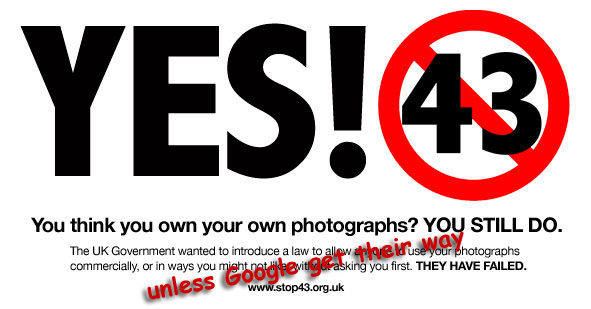
stop 43 campaign logo modified

ALL photographers need to work together for fairer copyright laws.

It’s taken a while for the review to be announced because, to put it mildly, the government has been rather busy with other things. However, it was a pledge of the Tories in the wake of the passing of the Digital Economy Bill (passed in the fag end of the Labour government) to re-visit the issue of copyright because part of that bill, the Orphan Works clause, got ditched as a result of coordinated, intelligent campaigning by photographers and specifically the Stop43 group. This time, the remit for unauthorised use might not even be limited to orphan works.

So here we jolly well are then, another six-month review of copyright (there have been one or two previous reviews, largely ignored) and this time David’s stated aim is to make UK copyright law “fit for the internet age.” A slightly worrying statement given that in his announcement he refers to a claim by the founders of Google that businesses such as theirs would never have launched in the UK because apparently our copyright laws are tighter than those in the US.

In the main, our copyright laws aren’t much tighter than those of the US, not that Google ever took much notice of the boundaries of US copyright law either . It’s fair to say that Google would love to be able to move through the internet like some content-consuming blue whale, monstrous mouth agape and everything in its path swallowed up whole and ready for commercial exploitation. Whale poo for sale, made from other people’s creative works.

The statement mentions the rights of creators, but we need to be sure this is more than just lip-service, especially as the BBC article states: “The six month review will look at what the UK can learn from US rules on the use of copyright material without the rights holder’s permission.”

That phrase “without the rights holder’s permission” is problematic because the boundaries of what is and isn’t acceptable will need to be set, and you can bet the likes of Google will lobby hard to have it set in their favour. They’ll assume that whatever they do, creators will continue to create. Not if their work is constantly stolen and devalued, they won’t. And as usual, the rights of consumers who have paid for that content won’t be taken into account.

My clients won’t take kindly to finding work I’ve shot for them turning up elsewhere, outside of their control and possibly misrepresenting them. And with my right to control use diminished, I will no longer be able to defend my clients’ rights over the pictures they’ve paid for.

That the review will happen is a good thing, but the starting position needs to be more positively in favour of creators and holders of intellectual property, for whom the internet has been a great way to get their work “out there” and get seen, but which mechanism has often led to mass theft rather than mass commissioning of fresh, or licensing of existing, work.

Another big risk is that as with previous reviews the government will turn to the wrong people when seeking advice from the side of the creators, just as it did in the early days of the DEB debate. It’s all very well talking to the National Union of Journalists, who have failed in the past to stand and fight the photographer’s corner, and whose only concern (naturally and understandably) is news photographers. Or the Royal Photographic Society, whose membership consists largely of people with little or no reliance on photography for an income. There are numerous groups whose focus is either too narrow, or membership not representative of the professional photographer.

This time, the government must listen to a much broader range of photographic groups and individuals than the Labour government did during their reviews. They must also dismiss the selfish wishes of those who simply find copyright inconvenient to their wants. This review could influence a law which might not change again for 30 years or more, so if the government wants to get it right, they’ll need to listen to the right people, not just the likes of Google, Facebook and whoever the “next big thing” happens to be. Mr Cameron will need to slip off the Google goggles, and see the reality that faces the UK’s creative individuals.

Photo case study: Group work.

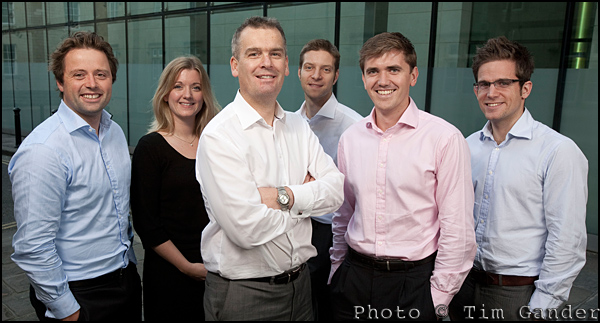
corporate group photo in Bath

The team look relaxed, even though we’re shooting outdoors.

Perhaps the least well-understood area of corporate photography is the group shot. So often the result looks like the subjects have been forced against a wall and are about to be shot for desertion, or they’re lined up like in a wedding photo, minus the bride and groom and not even a slice of cake as an incentive to be there.

There is often no thought to style, composition, lighting or location, or real idea of why the photo is needed in the first place. Just a vague notion that a group shot would be a “good idea”.

Of course the alternative is to buy some random group pic off an internet photo library, but the saccharin smiles, the unrealistically beautiful people – your clients know it’s not you or your business, they’re no fools.

To be fair, the corporate group photo can be quite a challenge because there are lots of busy people to bring together at one time and on one day, and in all likelihood there will be little time to take the photos, added to which; who here likes having their photo taken? No, I didn’t think so.

Then there’s the lighting, location, wardrobe decisions. If not planned properly, it can all get a bit fraught.

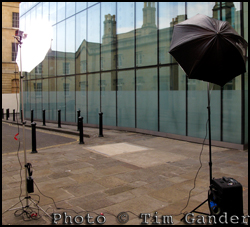
mobile studio photo lighting

Using mobile studio lights gave the photo a more polished look.

So I was pleased to get a call from a long-standing contact, Corrina Cockayne at Target Chartered Accountants in Bath, who was organising a group photo for the corporate finance team. I say pleased, because I knew Corrina would be organised and efficient and would have thought about why this team shot would be useful. In this example, it had been a while since any PR had been done and the team had evolved quite a bit.

The plan was to use an outside location in Bath, and Corrina was already thinking along the right lines – considering what people would wear, what the background should be and getting in touch with the council to check for permissions etc.

My job was to liaise with Corrina, talk over the options for locations and lighting, scope out the location before the shoot and be there in plenty of time to set up and take the photos before the group arrived. I wanted to keep their waiting time to a minimum.

Because of the constraints of the location, I couldn’t spread people about too much or I’d risk all kinds of distractions in the background, but I knew the lighting was going to make this group shot stand out from the usual Crimewatch lineup.

In the event, even though it was “just” a group shot, everyone put in a  good effort and wore their best smiles, and the end result reflects the approachable professionalism of the team. A good example of how a group shot can work and be a useful asset in the client’s photo library.

From sperm to commercial photographer. An incredible journey!

Many a photographer will tell you they knew their calling right from the age they could hold a camera. Some will boast that they were checking out the possibilities of light and shade even from inside their mother’s womb. Well I can beat that; I was getting ready for the press photographer’s scrum even as I approached my mother’s egg.

Ok, I exaggerate a little there. The truth is, and to cut a soul-crushingly long story short, I’d known since leaving school that I wanted to take pictures for a living, but had no idea how to proceed until someone introduced me to the picture editor at The Bath Chronicle.

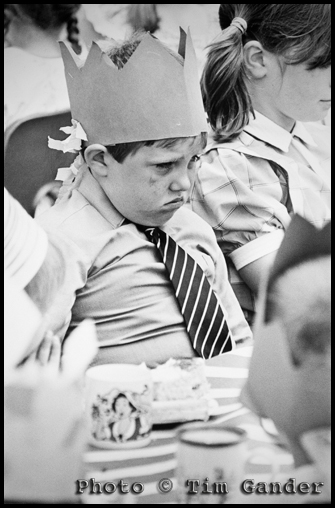
school boy feeling sad at school party.

I may have been happiest at “The Chron”. Not all my subjects felt the same way.

From work experience at The Chron to trusted freelance happened pretty quickly, and hitting the FFW button again brings us to where I wanted to be – working for national titles, specifically and almost exclusively for the News of the World, where I spent the best part of two years shooting celebrity nonsense.

However, a fairly terminal disagreement with “The Screws” meant a very sudden exit from the stable of photographers there. Something to do with them owing me about £3,000 in unpaid expenses and them not wanting to pay, as I recall. Nothing important…

So there I was, having dedicated a couple of years of my career almost exclusively to them, to the exclusion of my previously regular clients, and not a lot on the diary. So I picked up my book and tear sheets and started to call in at the other news and magazine picture desks. Strangely enough though, a fistful of cuttings from The Screws doesn’t exactly open doors at The Sunday Times or The Guardian. And after the constant stress and under-payment of one national, my heart wasn’t really in it any more. I could see the industry was going down the pan, and decided to turn the break into an opportunity.

Which brings us neatly to where I am today. I’ve taken my press training and experience, adapted to commercial photography, and combined the two disciplines to give my clients something a bit unique. This isn’t a sales pitch though, so moving swiftly on…

Of course I’ve also had to work on my business skills and adjust to the fact that I won’t get a bollocking for doing everything right. I’ve had to break the instinct to shoot all my pictures from behind a bush in the car park (I’ve found that tends to unnerve some people). But I do enjoy being given some creative freedom, being asked for picture ideas and not having to pee into a bottle in the back of a surveillance van.

I do miss press work sometimes though. When I see a big story break, I might wish I was there to cover it, but apart from the occasional magazine commission, I don’t work directly for newspapers any more. Taking into account all the costs of being equipped to do the job and running a professional service, the fees offered by the press mean they’ll be drawing on an ever dwindling number of professionals who can still afford the cost of working for them. I’ve grown up and moved on to where I can be of most use, and still make a living.

This article is soon to be a film starring Jim Broadbent and Matt Damon. If Matt can fit into the sperm suit.

What does the photography client want?

This maybe a dangerous question to ask, but then they don’t call me Mad Crazy Tim for nothing. Ok, so they don’t call me Mad Crazy Tim, but it’s a dull Wednesday morning and I’m struggling for jokes here…

I ask the question because while some of my articles are aimed at those with a passing interest in photography, some at designers and others at the voices in my head telling me to burn stuff, I’m also aware that existing and potential clients sometimes swing by and read these articles, so this time I’m asking them/you the question – cue close camera shot of my screen as I type, á la Carrie Bradshaw:

What does the photo-buying client want?

Hmm, that’s not as sexy as the stuff Carrie asks.

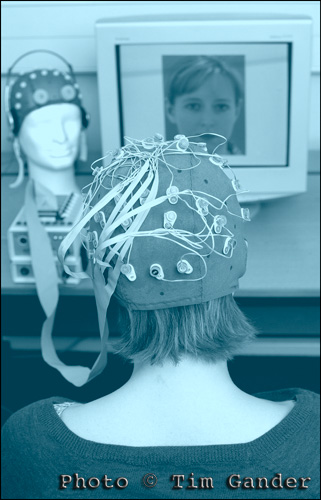
female with brain activity recording cap on.

If only I could read clients’ minds.

You see it’s all very well me putting up a website, getting it found, showing my work etc, but as with any business there are two sides. There is the quality, service and pricing structure I put out there, and then there is what the client actually wants from a photographer. And unless I ask the question every now and then, how can I possibly match what I offer to what you, the clients need and want?

I know many clients want a fast turnaround. They’re keen to get the ball rolling with their project, and waiting to see the results of a shoot can be frustrating. Especially now we all expect things to happen instantaneously through the web. I know when I order something from Amazon, I’m expecting the courier to be knocking on my door within seconds of me hitting the Confirm Order button. To this end, I aim to have the client gallery up within 24 hours. With afternoon and evening assignments the link is often with the client by the following morning. Even Amazon would struggle to compete with that speed of delivery.

And all this speed of service is fine and dandy, but I want to know what clients, either design or direct clients, want even before the shoot begins. How much involvement do you want from your photographer?

I know I’m always keen to speak to designers and their clients at the earliest possible stage. It means I can have input and also see how everyone else’s minds are working before I start taking pictures. I need to know what pictures the designers and clients have in their heads, because the last-minute brief may not convey this. But sometimes (ok, often) I can see I’ve been called long after the creative discussions have happened. Maybe that is what clients want, or maybe they don’t know it would be better to involve me sooner.

What else might clients and their designers expect? Ok, free photos would be nice but let’s stay in the real world here. What I mean is, is there some service, some input or anything else either before, during or after a shoot that clients wish could be done to help them?

This article is essentially a plea for help and information, because designers and businesses will often raise with me issues they’ve had with other photographers, but I know that unless I directly ask for feedback (which I often do) I might never hear good ideas on improving my service. I also ask because non clients have good ideas too.

Of course if I get no feedback at all, I’ll just have to assume I’m perfect, which is what I thought all along…

A Brief Interlude

Cue tacky music while there’s an interlude in my blogging. I’m away next week on holiday, so I thought I’d give you next week’s blog early, and just use it to give you some links to other useful/entertaining blogs that I’ve also enjoyed immensely.

First up is Jaded Snapper, a local newspaper photographer who has run the gauntlet of top local stories, from the church fete to the giant charity cheque.

Or, if you’re planning a wedding, why not give Derek Pye a call? You’ll see why you wouldn’t want to when you visit his site. Not updated as much as it should be, but then Derek is probably busy shooting weddings.

If photography-related cutting satire is more your thing, try The Russian Photos Blog. Beware if you’re the kind of business that likes to run dodgy rights-grabbing competitions or you’re a micro-payment stock photo agency though. You might be the subject of a future article.

Finally, for a soberererer (easy for you to say, you’re not drung…) view of the professional photographic industry, news views and general bits and bats, I highly recommend the Neil Turner and Black Star Rising blog sites.

And now, I’m off for a week of R&R in Austria. Please behave while I’m away, and try not to miss me too much.

Auf wiedersehen!

Tim

A Poke in the iStock.

I was hoping to ignore the insane ramblings of the micro-payment stock photo community for a while, but then this happened:

It’s finally dawned on someone at iStockphoto that although it should be easy enough to make a profit from selling something you’re given for free, really it’s a lot harder than it looks (poor diddums). But for anyone who missed it, here is the signed confession from the boss of iStockphoto, Kelly Thompson:

“Since roughly 2005 we’ve been aware of a basic problem with how our business works. As the company grows, the overall percentage we pay out to contributing artists increases. In the most basic terms that means that iStock becomes less profitable with increased success. As a business model, it’s simply unsustainable: businesses should get more profitable as they grow. This is a long-term problem that needs to be addressed.”

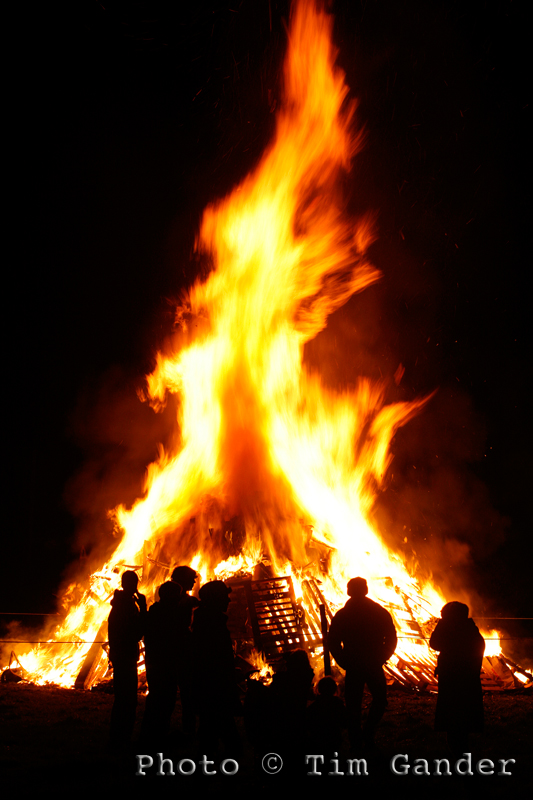
fireworks night bonfire

Flaming stock images; they're everywhere!

The answer? To kick contributors in the teeth by lowering percentage payouts, which will work out as little as 11p per image sold, and to move the goal posts to make it harder for contributors to sell enough photos to graduate to the higher percentage payouts. Nice!

What Thompson is saying is that microstock simply isn’t viable as a model for selling photography. Ignore the reference he makes to percentages, they don’t change just because the business grows. It’s just that the costs of running such a scheme are too high – storage, admin, quality checking, maintenance. Rather as the model for supplying images to micro-payment stock sites isn’t viable – equipment, software, storage, maintenance…

I won’t go over the entire mess here, even though it would be exquisite fun. Instead I’ll point you to Jeremy Nicholl’s excellent post on the original announcement, and the iStockphoto contributor forum where you can indulge yourself in hundreds of pages of iHate from its own contributors here, here and here.

What I do wonder though, is now that the True Followers of the iStock dream are waking up from their torpor, what’s next? Many on the forum talk of leaving iStockphoto, and many may leave stock photography altogether as they realise the difficulty of making it pay and the costs involved in participating. Could a mass exodus to other sites or out of the industry affect prices for buyers? Could it cause problems with licensing across different agencies if contributors switch their collections? My feeling is most will sit tight and wait for the next round of abuse as the new model fails to raise enough profit for iStock’s owners.

And will the lower-end designers start to desert iStockphoto and other exploitative sites if they see fellow creatives being hurt? I suspect not, because if micro-stock sites get too expensive they’ll switch to other methods – a bit of Grand Theft Flickr, or Google Images larceny. The problem is, too many people have been told that photography is cheap, and despite all the evidence to the contrary they’ll continue to expect what they’ve grown accustomed to.

What might happen (and is already starting to happen in my professional experience) is that the better designers and their clients will eschew microstock, or at least treat it more as a last resort. After all, if its reputation as exploitative and unsustainable is really starting to gain traction, would you want your business to be associated with that?

Crikey! Let’s save some money!

Many businesses are understandably looking to cut costs in these tricky times. Since the start of the credit crikey* one area where businesses have sought to cut those costs is in the photography they commission. They have looked to achieve this either through using more stock imagery (though that often ends up costing more than commissioned work) or by shooting the photos in-house, using whichever member of staff might be available and have a suitably “professional”-looking camera.

Of course I’ve watched as some of my own clients have gone through these motions, though I’m glad to say that for the most part they come back to me once they realise it’s not so easy to get the photos that help their business do better.

For many marketing managers though, the quest continues. The camera manufacturers keep putting out the hype about how their camera will help you shoot like a pro (didn’t the last camera they made promise that? and the one before it, and the one before that, and the one…) and off they go to the camera shop, or Amazon, with the company credit card in hand ready to splurge on the latest piece of Japanese jewelry, to the tune of a sum not dissimilar to a day’s fee for a properly-equipped professional who will have some things the Nikanon Powercool 1,000Ti won’t have; training, experience, an eye for what works and what doesn’t and a view of the design brief for the brochure or website into which the pictures need to sit.

barbary lion

Get closer with your iPhone. Go on, I want to see what happens…

So when I saw this headline “The iPhone Fashion Shoot” I thought “here we go again.” Or something along those lines. Because many will see such titles and think, well if the iPhone is good enough to shoot fashion photos then it’s good enough for the company headhots! To those people, I suggest reading the article first. It’s certainly interesting to see what is possible with a humble iPhone, several thousand pounds’ worth of lighting in a studio, with hair and makeup artists primping models to perfection, and after the shoot having all the shortcomings of the original shots taken out by a lab of Photoshop professionals.

The point is, it wouldn’t matter if the iPhone had the most incredible built-in camera in the world. The camera doesn’t take the picture, the photographer does, and the camera can’t even conceive a photo before it’s taken – again, that’s what the photographer does.

To the credit of the author of the iPhone piece, they admit the phone itself is just a tiny part of the process. In effect, they were just looking to see what was possible, regardless of the other requirements of the shoot, and to that extent it was an interesting experiment.

But if you have a company and an iPhone, or even a camera bag full of all sorts of expensive toys, I would suggest you think about the one piece missing from your Billingham bag of shiny things. The professional.

*A phrase I first saw used by the World’s greatest living wedding photographer.