Pixelheads: Nicola Jones

Pixelheads is a new and occasional feature for this blog. When the mood takes me and circumstances allow, I will interview a random person about their photography. The interviews will not be with professional photographers – those can be read in abundance elsewhere. I’m interested to find out what makes a non-professional photographer tick.

Here is the first Pixelheads interview:

Nicola Jones, aged 34, of Bradford on Avon in Wiltshire, is a keen photographer, budding graphic designer, and founder of the Bradford on Avon Photography Group.

I asked her about her life, photography, influences and tastes.
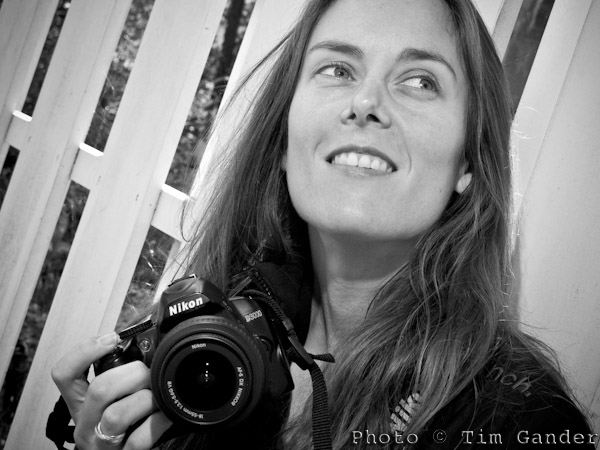
Graphic Designer Nicola Jones of Bath

Nicola Jones likes to shoot grime and decay.

What do you do for a living? 

I’m an office manager and designer and to progress my designing career I’m interning at a Bath design agency.

When did you get into photography? 

When I moved to Bradford on Avon in 2009, the place inspired me to start taking pictures.

What cameras do you use? 

I have a Nikon D3000 with 18-55mm and 55-200mm kit lenses, and a 50mm f1.8, which is my favourite lens, a Canon Powershot S90 and a Polaroid 500.

The S90 is my main carry-around camera, with the D3000 being for more complicated stuff. I love using the Polaroid camera, but the new film doesn’t work well through my camera because it’s a bit volatile in daylight, so I need to find packs of old stock.

What kind of pictures do you like to take? 

I’m a bit of a mixed bag really. I went through a big macro phase when I had a macro-enabled bridge camera – shooting things like Lego minifigs (Minifigures), but I’ve got into shooting derelict buildings because I like grime and decay. Street photography too, though not so much of that now.
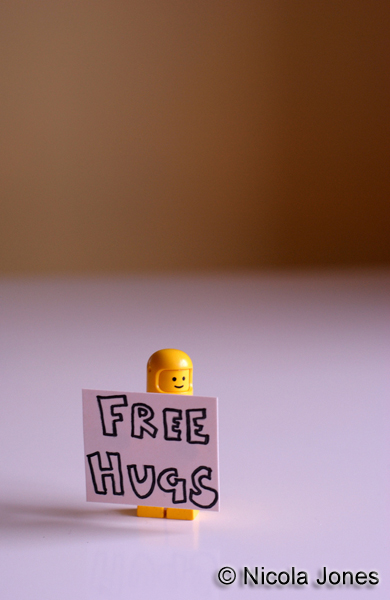
Lego minifigure with Free Hugs sign.

Nicola's minifig phase...

Tell me more about the minifigs shots. 

I started with standard figures, then they brought out series of figures (Star Wars, Batman) and I’d buy a handful of those. I’d set up film themes like Psycho, Forrest Gump sitting on a bench, that sort of thing.

Titanic? 

No, the arms don’t go out the right way for that, but I did The Shining. But I stopped doing those pics and sold most of the minifigs. I go through phases really.

Why not the street photography so much now? 

I enjoyed it, I used to snap away and not care, but had some run-ins with people complaining and I sort of lost confidence. It doesn’t float my boat as much now.

And the derelict building photography; what draws you to that? 

I’ve been to a few places; hotels old factories, that sort of thing. Obviously you have to be very careful, but it’s so interesting to capture the essence of a place. Getting a sense of what was there before, the life that was there and what used to happen. One hotel I visited still has a website as if it still takes bookings, which is quite funny.
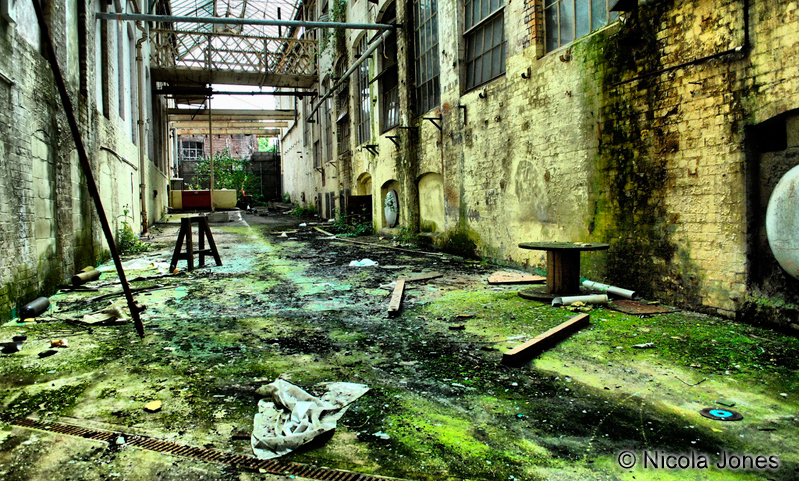
Interior view of derelict building

Vanished lives haunt Nicola's derelict building photos.

Which photographers do you admire? 

Martin Parr; I understand his approach. I just think his photos are amazing. The New Brighton series especially.

Don McCullin also, his conflict work. The landscapes don’t do it for me, but I understand why he had to do them – to get his brain back together again. Then if we’re talking portraits, it’s got to be Jane Bown.

What’s next photography-wise for you? 

At the moment I’m devoting more time to my design work, but looking forward to seeing Martin Parr’s exhibition at the Bristol M shed when I go with the Bradford on Avon Photography Group soon.

Case Study: Conference Photography

Conference venues have had a rough time in recent years. Events can be expensive to run, and sometimes they’re expensive to attend, so where businesses have dared spend the money at all, they’ve often seen photography as a luxury bolt-on.

In my role as conference photographer I noticed a decline in appetite for this particular service in 2008/2009, but looking back over 2010 I’d say demand has increased again.

Getting quality photography at a conference has often been pretty low on organisers’ lists of priorities – that is until the conference is over and someone wants to “PR” the event. At which point they discover that all they have are some iPhone snaps which aren’t much use for anything at all except maybe viewing on an iPhone.

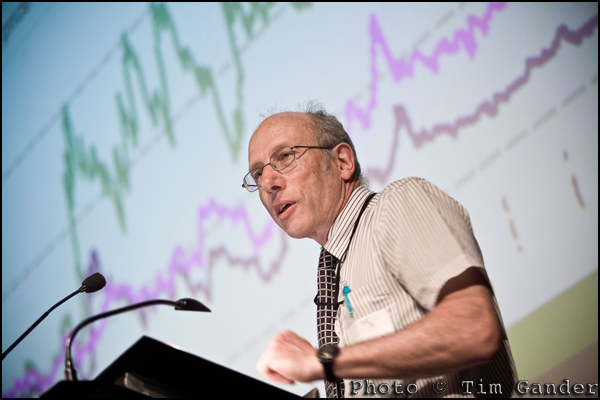
scientist delivering conference presentation

Balancing lighting on the speaker and their presentation takes some effort.

I can tell a client hasn’t given too much thought to photography prior to the event when I get the call the week before it’s due to happen to ask if I’m available and what the cost would be. They booked the venue about a year in advance. They booked the speakers, sound, lighting, video, staging, caterers, cleaners door staff etc etc. And (relatively speaking) at 5 minutes to midnight, somebody thought: “Oh! I think we might want some pictures from this event!”

Now I applaud these people for thinking so far in advance because as I said, some don’t think of it until the event is over, by which time it’s a bit too late to go back in time to shoot what should have been shot in the first place.

So if your organisation is considering a conference, which after all can reap great benefits in public relations, client relations and exchange of ideas with partners and clients, I would urge you to consider the benefits of getting coverage, and of getting that coverage done professionally.

Conferences can be very useful in that unlike most other events or times of the working year, they tend to be the one time when a significant number of staff and executives are in one place at the same time. So think about getting fresh headshots done – a small setup in a side-room or quiet corner is ideal for this.

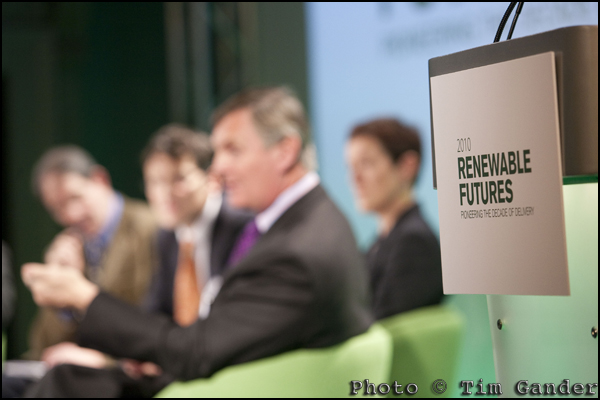
Regen SW conference debate in Bath

More obscure shots can be useful later on.

A conference with industry-wide or even public interest, has scope for extensive PR. Pictures of key speakers talking passionately at the lectern, or as a panel of experts can add spontaneity to what might otherwise be a dull PR shot. For other PR uses it’s handy to get a relaxed portrait of key speakers at the venue, perhaps with relevant props visible in the shot.

Employing a professional (like wot I is) means not only will you get the vital shots you need, but you’ll get quick turnaround and you’ll also get the shots you never even realised you needed. Those little details that others would walk past, but which come in handy for future uses such as brochures, annual reports etc.

Of course you might find you have a keen photographer amongst your staff, but do they know how to handle the difficult lighting at these events? Balancing light on the speaker with the slide behind them isn’t always easy. They’ll also tend to miss the details I mentioned, and they often can’t turn the work around quickly. Finally, using a member of staff is all very well, but shouldn’t they be paying attention to the conference rather than the settings on their camera?

I cover conferences of all sizes, taking pictures which clients can then use for internal and external communications, press releases, websites, brochures, future presentations; the list is limited only by one’s imagination. In terms of cost, the photography has to be one of the better value ingredients of a good conference. The food can only be eaten once, while the photography can be used again and again, long after the taste of plastic ham sandwiches and greasy tea has passed.

From sperm to commercial photographer. An incredible journey!

Many a photographer will tell you they knew their calling right from the age they could hold a camera. Some will boast that they were checking out the possibilities of light and shade even from inside their mother’s womb. Well I can beat that; I was getting ready for the press photographer’s scrum even as I approached my mother’s egg.

Ok, I exaggerate a little there. The truth is, and to cut a soul-crushingly long story short, I’d known since leaving school that I wanted to take pictures for a living, but had no idea how to proceed until someone introduced me to the picture editor at The Bath Chronicle.

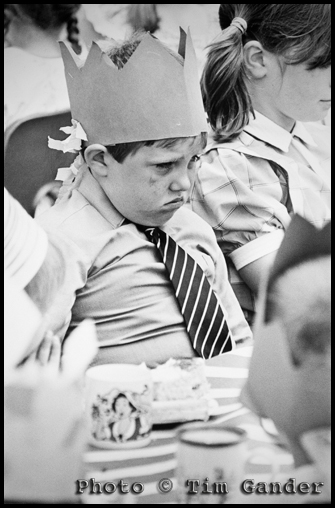
school boy feeling sad at school party.

I may have been happiest at “The Chron”. Not all my subjects felt the same way.

From work experience at The Chron to trusted freelance happened pretty quickly, and hitting the FFW button again brings us to where I wanted to be – working for national titles, specifically and almost exclusively for the News of the World, where I spent the best part of two years shooting celebrity nonsense.

However, a fairly terminal disagreement with “The Screws” meant a very sudden exit from the stable of photographers there. Something to do with them owing me about £3,000 in unpaid expenses and them not wanting to pay, as I recall. Nothing important…

So there I was, having dedicated a couple of years of my career almost exclusively to them, to the exclusion of my previously regular clients, and not a lot on the diary. So I picked up my book and tear sheets and started to call in at the other news and magazine picture desks. Strangely enough though, a fistful of cuttings from The Screws doesn’t exactly open doors at The Sunday Times or The Guardian. And after the constant stress and under-payment of one national, my heart wasn’t really in it any more. I could see the industry was going down the pan, and decided to turn the break into an opportunity.

Which brings us neatly to where I am today. I’ve taken my press training and experience, adapted to commercial photography, and combined the two disciplines to give my clients something a bit unique. This isn’t a sales pitch though, so moving swiftly on…

Of course I’ve also had to work on my business skills and adjust to the fact that I won’t get a bollocking for doing everything right. I’ve had to break the instinct to shoot all my pictures from behind a bush in the car park (I’ve found that tends to unnerve some people). But I do enjoy being given some creative freedom, being asked for picture ideas and not having to pee into a bottle in the back of a surveillance van.

I do miss press work sometimes though. When I see a big story break, I might wish I was there to cover it, but apart from the occasional magazine commission, I don’t work directly for newspapers any more. Taking into account all the costs of being equipped to do the job and running a professional service, the fees offered by the press mean they’ll be drawing on an ever dwindling number of professionals who can still afford the cost of working for them. I’ve grown up and moved on to where I can be of most use, and still make a living.

This article is soon to be a film starring Jim Broadbent and Matt Damon. If Matt can fit into the sperm suit.

What does the photography client want?

This maybe a dangerous question to ask, but then they don’t call me Mad Crazy Tim for nothing. Ok, so they don’t call me Mad Crazy Tim, but it’s a dull Wednesday morning and I’m struggling for jokes here…

I ask the question because while some of my articles are aimed at those with a passing interest in photography, some at designers and others at the voices in my head telling me to burn stuff, I’m also aware that existing and potential clients sometimes swing by and read these articles, so this time I’m asking them/you the question – cue close camera shot of my screen as I type, á la Carrie Bradshaw:

What does the photo-buying client want?

Hmm, that’s not as sexy as the stuff Carrie asks.

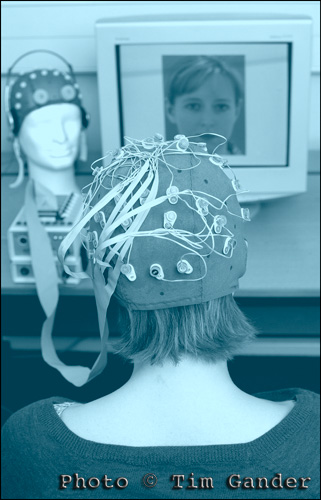
female with brain activity recording cap on.

If only I could read clients’ minds.

You see it’s all very well me putting up a website, getting it found, showing my work etc, but as with any business there are two sides. There is the quality, service and pricing structure I put out there, and then there is what the client actually wants from a photographer. And unless I ask the question every now and then, how can I possibly match what I offer to what you, the clients need and want?

I know many clients want a fast turnaround. They’re keen to get the ball rolling with their project, and waiting to see the results of a shoot can be frustrating. Especially now we all expect things to happen instantaneously through the web. I know when I order something from Amazon, I’m expecting the courier to be knocking on my door within seconds of me hitting the Confirm Order button. To this end, I aim to have the client gallery up within 24 hours. With afternoon and evening assignments the link is often with the client by the following morning. Even Amazon would struggle to compete with that speed of delivery.

And all this speed of service is fine and dandy, but I want to know what clients, either design or direct clients, want even before the shoot begins. How much involvement do you want from your photographer?

I know I’m always keen to speak to designers and their clients at the earliest possible stage. It means I can have input and also see how everyone else’s minds are working before I start taking pictures. I need to know what pictures the designers and clients have in their heads, because the last-minute brief may not convey this. But sometimes (ok, often) I can see I’ve been called long after the creative discussions have happened. Maybe that is what clients want, or maybe they don’t know it would be better to involve me sooner.

What else might clients and their designers expect? Ok, free photos would be nice but let’s stay in the real world here. What I mean is, is there some service, some input or anything else either before, during or after a shoot that clients wish could be done to help them?

This article is essentially a plea for help and information, because designers and businesses will often raise with me issues they’ve had with other photographers, but I know that unless I directly ask for feedback (which I often do) I might never hear good ideas on improving my service. I also ask because non clients have good ideas too.

Of course if I get no feedback at all, I’ll just have to assume I’m perfect, which is what I thought all along…

Crikey! Let’s save some money!

Many businesses are understandably looking to cut costs in these tricky times. Since the start of the credit crikey* one area where businesses have sought to cut those costs is in the photography they commission. They have looked to achieve this either through using more stock imagery (though that often ends up costing more than commissioned work) or by shooting the photos in-house, using whichever member of staff might be available and have a suitably “professional”-looking camera.

Of course I’ve watched as some of my own clients have gone through these motions, though I’m glad to say that for the most part they come back to me once they realise it’s not so easy to get the photos that help their business do better.

For many marketing managers though, the quest continues. The camera manufacturers keep putting out the hype about how their camera will help you shoot like a pro (didn’t the last camera they made promise that? and the one before it, and the one before that, and the one…) and off they go to the camera shop, or Amazon, with the company credit card in hand ready to splurge on the latest piece of Japanese jewelry, to the tune of a sum not dissimilar to a day’s fee for a properly-equipped professional who will have some things the Nikanon Powercool 1,000Ti won’t have; training, experience, an eye for what works and what doesn’t and a view of the design brief for the brochure or website into which the pictures need to sit.

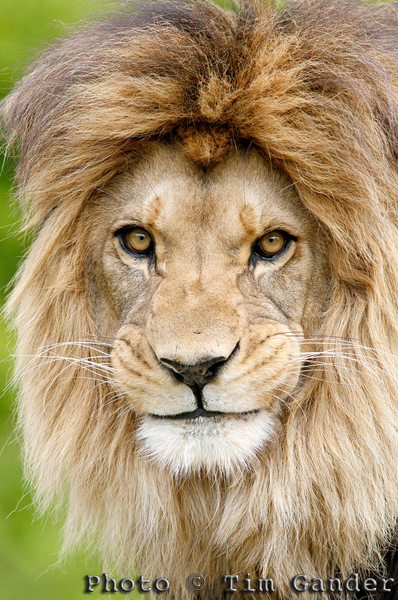
barbary lion

Get closer with your iPhone. Go on, I want to see what happens…

So when I saw this headline “The iPhone Fashion Shoot” I thought “here we go again.” Or something along those lines. Because many will see such titles and think, well if the iPhone is good enough to shoot fashion photos then it’s good enough for the company headhots! To those people, I suggest reading the article first. It’s certainly interesting to see what is possible with a humble iPhone, several thousand pounds’ worth of lighting in a studio, with hair and makeup artists primping models to perfection, and after the shoot having all the shortcomings of the original shots taken out by a lab of Photoshop professionals.

The point is, it wouldn’t matter if the iPhone had the most incredible built-in camera in the world. The camera doesn’t take the picture, the photographer does, and the camera can’t even conceive a photo before it’s taken – again, that’s what the photographer does.

To the credit of the author of the iPhone piece, they admit the phone itself is just a tiny part of the process. In effect, they were just looking to see what was possible, regardless of the other requirements of the shoot, and to that extent it was an interesting experiment.

But if you have a company and an iPhone, or even a camera bag full of all sorts of expensive toys, I would suggest you think about the one piece missing from your Billingham bag of shiny things. The professional.

*A phrase I first saw used by the World’s greatest living wedding photographer.

A Spot of Bother – Beware The Blob!

I’m quite convinced that when I talk to some clients about post production, they think I’m just a con artist trying to make life difficult, complicated and expensive for them. Perhaps they put me in the same category as a car mechanic, who stands there sucking his teeth, telling you all the expensive things he’ll have to do to your car to make it run properly. Like emptying the ashtray, or fitting a new phalange.

Why can’t I just shoot the photos and hand over a CD of everything and let the client go on their merry way? Well I could, but before I let my pictures go, one of the most important tasks I carry out is to ensure the images are clean.

I don’t mean I check them for naughty lady bits. Hopefully on an average corporate shoot there isn’t even the remotest risk of that. What I mean is the fuzzy blobs that show up on a photo when dust attaches to the camera sensor*.

This is a common problem for digital SLR cameras. Every time I change a lens, I’m letting dust into the gaping mouth of the camera, and the next time the shutter is fired the dust gets attracted by static charge onto the sensor which shows up as a grey mark on the image.

Some SLRs have special cleaning settings which shake the sensor down on startup, in the hope that the dust can be vibrated off. But these systems are only effective up to a point. I regularly clean my sensor manually, but I have to change lenses on most shoots, letting more Hoffman – sorry, I mean Dustin.

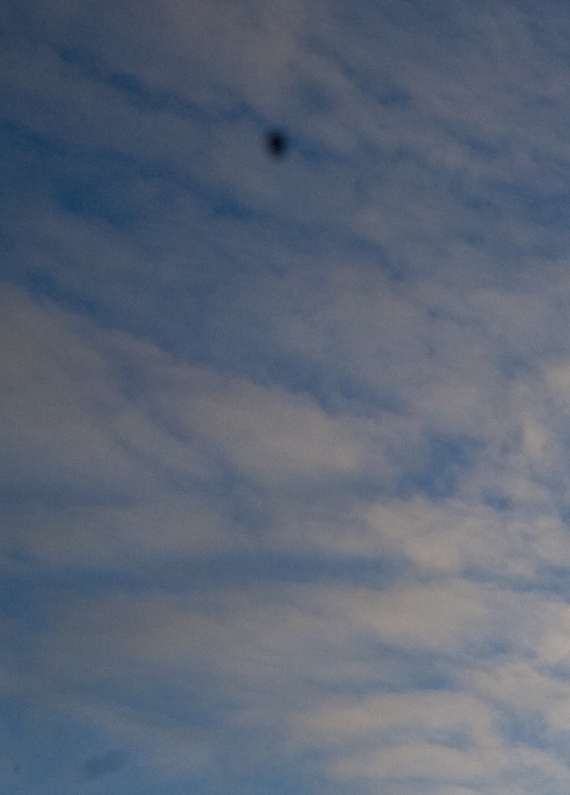
dust spot on digital photo sensor.

Top and bottom-left, blobs tend to show up more against blue.

So when I get the images onto my computer, in addition to the setting of resolution for print or web use, colour and exposure tweaks, captioning etc ad infinitum, I check each and every frame for those dreaded blobs. If not viewed at the right percentage (size) on screen, they can easily be missed, but they’ll manage to show up nicely on your website, and even more so in print.

To the extent that they’ll look ugly on a photo, they can wreck an expensive print run of brochures, so tell me, do you feel lucky? Do you think you can spot and eliminate The Blob? Apart from anything else, do you really have the time to sit there and take blobs off every photo you use? And what if you miss one?

Next time you think the photographer resembles a shark with the scruples of a politician, just remember the alternative could be worse; a photographer who doesn’t care enough about your project to do proper post-production.

*To be pedantic, it isn’t the imaging sensor which gets the dust on it, but a filter which sits directly in front of the imaging chip. This filter, known as a high-pass filter, is there to reduce the amount of infrared light getting to the sensor, as this gives photos a strange colour cast. Digital camera sensors are very sensitive to infrared light, so the filter is necessary to counteract it.

Shouting from the Gallery

I’ve recently introduced a new system for presenting and delivering images to clients. I haven’t shouted about it to everyone yet because I felt it needed to be tested with some trusted clients first, but it’s proving so popular that I’m offering it to anyone I think can benefit from it.

Here’s how it works, but a little history first:

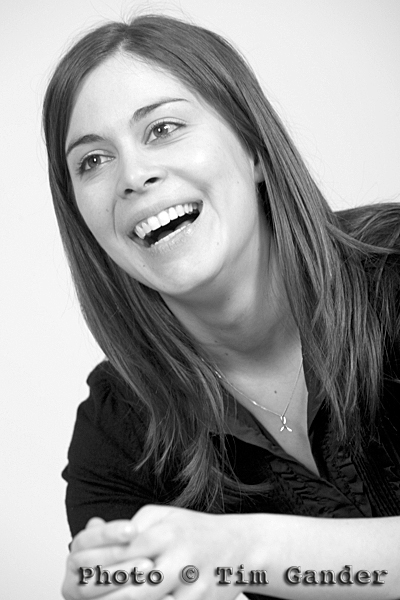
female corporate portrait

The system is great for keeping any commercial images organised.

It used to be I’d shoot an assignment, then make a web gallery from the images before any post production was carried out on them. The client would choose images from the gallery, send me the image reference numbers, and I would carry out post production and send the photos via CD, email or FTP.

The client would either have an agreed number of images included in the price, or would pay an hourly post production fee according to how many images they needed.

This was all well and good, except that most clients would end up choosing 30 images from a 30-image deal (for example) when they only needed maybe 12 images to start with. The rest they were picking just to make up the package, when they didn’t necessarily know how they might use those photos.

Now with the client-specific, interactive gallery, I do the shoot, edit the pictures, do post production on all remaining shots and upload them to the client gallery, from where the client can download the files they need, when they need them. The files are all ready to be published when the client sees them, and they don’t need to download the entire package of photos in one go. The gallery remains for as long as the client requires it, and indeed the client can have me add to the gallery with subsequent shoots.

This development has also allowed me to put together a more formal pricing structure for all those assignments which don’t have special, extra requirements in either equipment, travel or licence to use the images. In other words, standard corporate shoots.

You can download the rates card here Tim Gander Fees to see how it works. I put together three packages to suit different business sizes, types and picture needs, from an all-in option for the busy client with a need for quick access to lots of images over a period of time, to the startup that might just want to have a bank of images sitting safely there for them to buy as and when they need them, thus managing their cashflow better.

Of course there will be times when clients need more extensive rights to the images than my standard terms allow for, and there will be clients with a much lesser requirement, or shoots will be more or less complicated or expensive to run, in which case rates will be negotiated according to the assignment and the client’s needs, but this system will suit the majority of standard, corporate assignments.

I welcome feedback on this, so have a look and tell me what you think.

Tim Gander is a commercial photographer shooting corporate photos for businesses in the Bath, Bristol, Swindon and Salisbury areas of the South West of England, and has a habit of talking about himself in the third person.

Contact Tim on  07703 124412 or tim@timgander.co.uk

Going a bit Google

Question: When is a wedding photographer not a wedding photographer?

Answer: Apparently when they say they’re a commercial photographer, a press photographer, an architectural photographer, a spoon, a pomegranate. Whatever their keywords and web blurbs say they are that week.

You may sense from this post that I’m a little fed up. Maybe I am. Maybe I’m frustrated at the number of new clients telling me they were looking for a commercial, press or PR photographer (in other words, a photographer with the requisite experience for the work they’re looking to get done) but had to wade through pages and pages of Google search results of wedding photographer sites to get to mine. I’m not half as frustrated as those clients are, but I feel their pain.

Google is a great tool, but it becomes pointless if businesses pretend to do what they don’t, and try to attract visitors who will rarely convert into clients, and who will probably regret it if they do.

I know some wedding photographers can take good corporate, commercial and maybe even decent press photos, and they’ll have galleries on their sites to prove it, but most only ever do weddings. On the rare occasion they get near a corporate shoot, it often ends up looking like a wedding in an office.

So why do photographers pretend to do something they don’t and mostly can’t do? Perhaps they think clients are stupid and won’t know the difference, or they think that since they mainly work weekends it might be nice to pick up the extra work in the week. They clearly also believe that once you have a camera, you can tackle absolutely any photographic assignment. Regardless of the actual kit, experience and skills required.

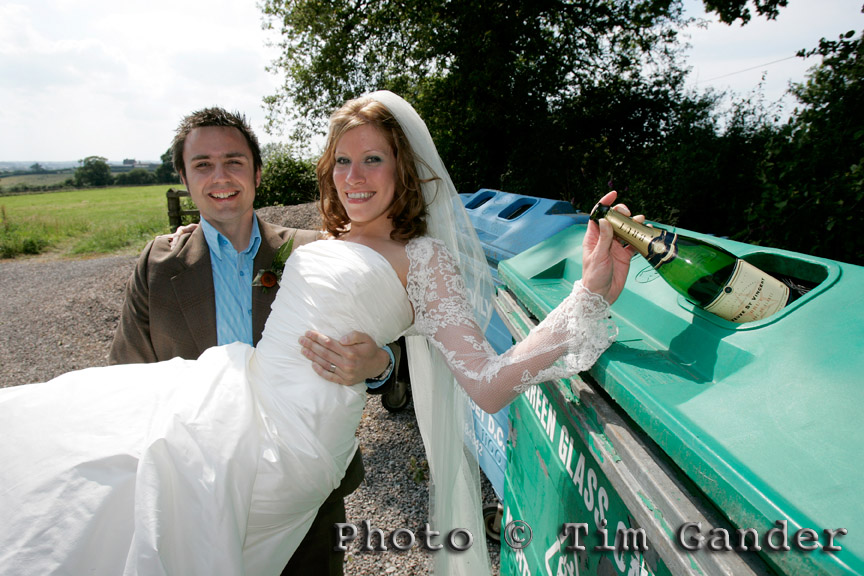
wedding photo for press article

In my defence, this was shot for a feature on eco-friendly weddings.

So off they go with their keyword blunderbuss, kerblamming their site with keywords that have only a tenuous connection to what they actually do.

I don’t list weddings as one of my skills. I don’t put “wedding” in my keywords. Neither do I put “puppies”, “Bat (or Bar) Mizvahs” or “christenings” in there. Why? Because I don’t do them. Just like I don’t do plumbing, antique restoration or brain surgery. Why compete with people who already know what they’re doing and have the workflow, supply chain, mental skills and experience to do those jobs?

Recently I added my details, with keyword tags, to a local creative forum website. Within a week, a wedding photographer had done a copy and paste of my keywords, then added “wedding” to the end. A look at his website showed no sign of all the disciplines he’d listed, except weddings. He’s clearly on a fishing trip for extra work, but his entry, like a blunt pencil, is now largely pointless.

If anyone needs to do a web search for a photographer to take pictures for commercial publication, they will have to be sure to type “-wedding” (thus removing any site ranked using that word) into the search box in order to get more relevant results, which seems a bore. But if these jack-of-all-photography types are going to insist on using keywords like a drunk uses expletives, it may be the only solution.

I could strike back by adding all the weddingy keywords to my site, but there’s no point in that. Did I mention I don’t do weddings?

It ain’t Orphan ’till the fat lady sings…

stop43 viral image

If the DEB becomes law with S43 in tact, your photos become fair game.

Today’s the day. Not only will Gordon Brown pay a little visit to Buckingham Palace to ask if he can dissolve Parliament (yes please!), and give us our chance to vote for the frying pan or the fire, the blunt axe or the sharp one, but it’s also the day the Digital Economy Bill gets its Parliamentary debate (such as it will be) and will either be voted through in the wash-up, or dropped. If it goes through, it may or may not include Section 43 which deals with orphan works.

In the Parliamentary equivalent of a smoke-filled room, all the horse trading between vested interests, and personal ambitions of departing politicians with an eye on their post-political careers, will come into play. Forget democracy, this is a seedy little private auction for business and career interests.

There is hope though, even at this late stage. A couple of days ago, the conservatives announced they would oppose Section 43. But of course there is still a risk of a last-minute change of mind (they are politicians after all), and we’re still not entirely sure which way the Lib Dems want to go. They’ve made encouraging noises about how Section 43 should be changed, but no clear commitment to oppose it at this stage. Personally, I hope they have the integrity to oppose the entire DEB on the basis that one afternoon isn’t enough time to debate anything as complicated and contentious as this bill. If they do that, and the Conservatives stick to their announced opposition, the bill would fail to be passed.

We have to believe that at the very least, Section 43 will get dropped. The amount of time and effort expended by my colleague photographers in fighting this ridiculous bill could have been better spent doing our jobs or completing VAT returns and getting our books up together for the end of the financial year. But no, some daft politician somewhere managed to come up with a system of dealing with orphan works which was so insanely un-balanced and damaging to our profession that we had to pour all our efforts into this.

And before you start playing your violins for us, remember that even if you are not a professional photographer, even if you are not based in the UK and even if you only take photos of your drunk pals on a Friday night, if some commercial or political organisation thinks your pictures are worth stealing and using without payment or permission, the orphan works legislation would affect you. If you’re in a photo taken by someone else that gets used without payment or permission, this legislation would affect you.

So let’s wish Gordon a nice trip to the Palace and hope all this effort has paid off.

Read more and keep up with latest developments here: copyrightaction and here: stop43

Jeremy Nicholl’s excellent blog continues to inform on the developments. Click here for more.